

1 / 12
1. The Ascent
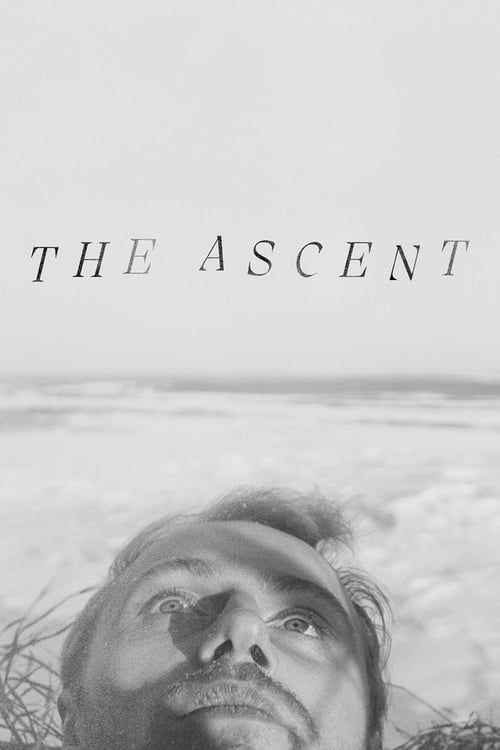
Larisa Shepitko's profound Soviet war drama, *The Ascent* (1977), transcends its historical setting to explore the depths of human spirit under duress. Two partisans, captured by Nazis, face unimaginable choices, revealing the stark contrast between spiritual fortitude and moral compromise. It's an allegorical tale, masquerading as a survival story, where true identities are forged not in battle, but in moments of ultimate sacrifice and profound faith. A truly devastating and essential cinematic experience.
2 / 12

2. Blood Simple
The Coen Brothers’ *Blood Simple* (1985) burst onto the scene, a masterful neo-noir debut steeped in Texan grit and fatalistic irony. Its narrative web of mistaken identities, double-crosses, and escalating violence plays out with darkly comedic precision, each character harboring a desperate, often deluded, secret agenda. The film revels in how easily lives unravel, showcasing a world where intentions are obscured and consequences are brutally, inevitably, unveiled.
3 / 12

3. A Woman Under the Influence
John Cassavetes’ raw, unflinching *A Woman Under the Influence* (1974) remains a searing portrait of domestic turmoil and mental fragility. Gena Rowlands delivers an electrifying performance as Mabel, whose erratic behavior strains her family to breaking point. The film probes the suffocating roles imposed by society and family, revealing the complex, often hidden, emotional landscape of a woman struggling to maintain her identity amidst overwhelming pressures. It’s an intimate, deeply unsettling experience.
4 / 12
4. Targets
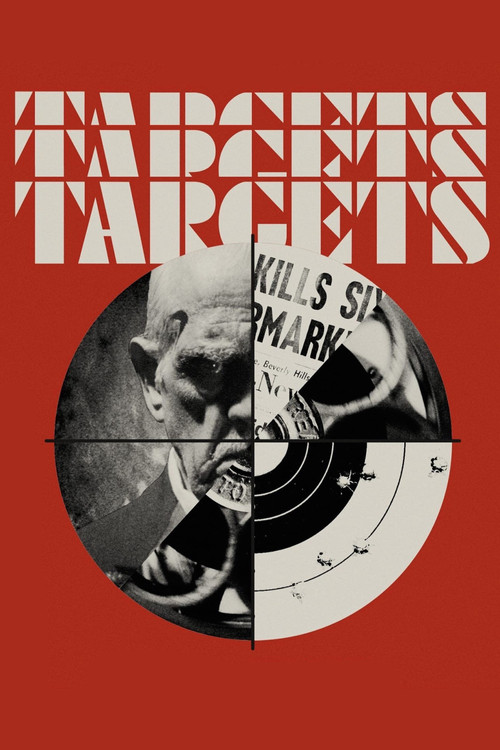
Peter Bogdanovich’s debut, *Targets* (1968), masterfully juxtaposes two narratives: an aging horror star contemplating retirement and a seemingly ordinary young man descending into a spree of random violence. The film cleverly blurs the lines between cinematic terror and real-world horror, suggesting that the true monsters walk among us, their destructive impulses hidden behind mundane facades. Boris Karloff’s elegiac final performance anchors this prescient and unsettling commentary on societal anxieties.
5 / 12
5. The Conversation
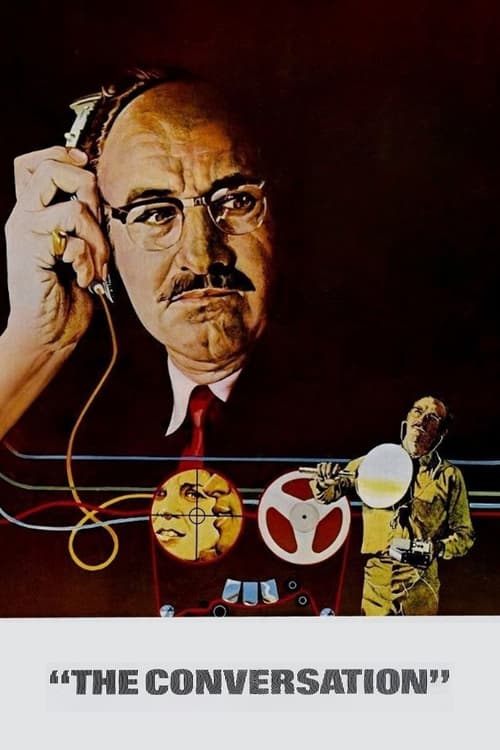
Francis Ford Coppola’s *The Conversation* (1974) is a masterful study of paranoia and voyeurism, anchored by Gene Hackman’s haunted performance as surveillance expert Harry Caul. He meticulously unearths secrets for others, yet meticulously guards his own. The film’s quiet tension builds as Caul becomes increasingly obsessed with a recording, leading him into a moral labyrinth where the line between observer and participant blurs, exposing the devastating cost of hidden truths.
6 / 12
6. Deep Red
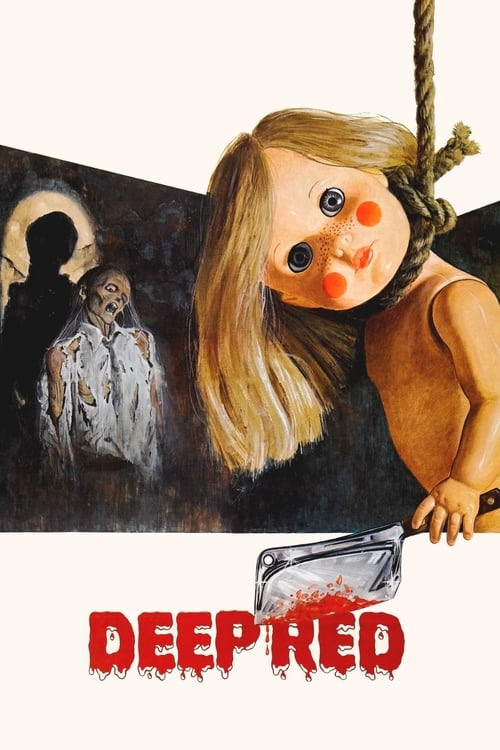
Dario Argento’s *Deep Red* (1975) stands as a giallo masterpiece, a symphony of vibrant color, baroque violence, and psychological suspense. A jazz pianist witnesses a brutal murder, drawing him into a labyrinthine investigation where fragmented memories and hidden clues intertwine. The film’s intricate puzzle box narrative, punctuated by Goblin’s iconic score, reveals a killer whose identity is cunningly concealed, often in plain sight, challenging the audience’s perception at every turn.
7 / 12
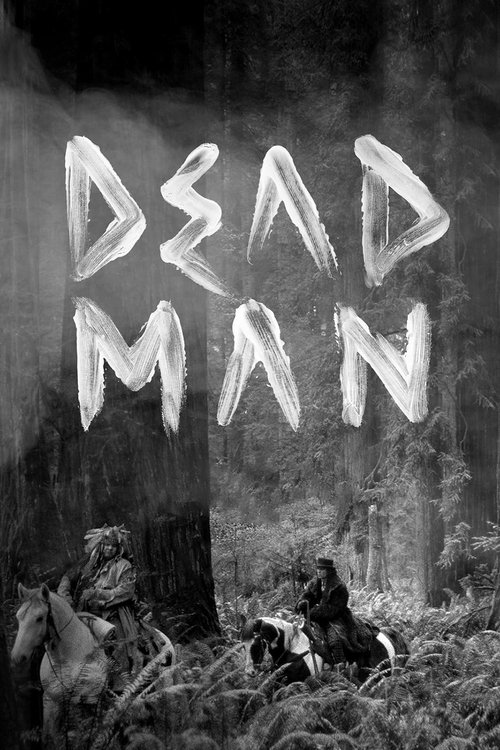
7. Dead Man
Jim Jarmusch’s *Dead Man* (1995) is a poetic, black-and-white Western that defies convention. Johnny Depp’s William Blake, a naive accountant, journeys into the spiritual wilderness, guided by a cryptic Native American named Nobody. The film is a hallucinatory meditation on death, identity, and the American myth, where Blake’s transformation into an unwitting outlaw warrior reveals a profound, almost mystical, secret self beneath his unassuming exterior.
8 / 12
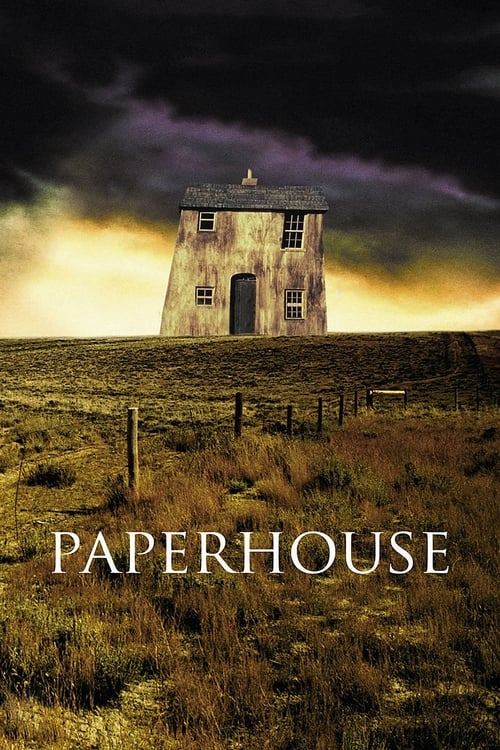
8. Paperhouse
Bernard Rose’s *Paperhouse* (1988) is a unique, unsettling blend of fantasy and psychological drama. A lonely young girl, Anna, discovers her drawings manifest into a real, if dangerous, dream world. The film beautifully explores the power of imagination and the escapist realms children create, but with a dark, almost Lynchian undertone. Anna's secret world is a refuge, yet it also holds the terrifying potential for her deepest fears to take tangible form.
9 / 12
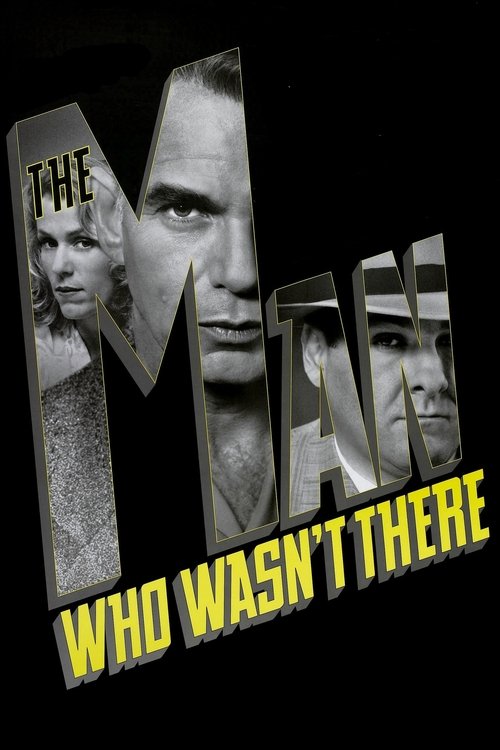
9. The Man Who Wasn't There
The Coen Brothers revisit neo-noir with *The Man Who Wasn't There* (2001), a stylish, melancholic tale of a quiet barber whose life unravels after a blackmail scheme. Billy Bob Thornton’s stoic performance anchors the film’s existential drift, as his character, Ed Crane, seemingly devoid of emotion, finds himself entangled in a web of crime and betrayal. His detached demeanor masks a profound internal void, an identity defined by its very absence.
10 / 12

10. Sympathy for Mr. Vengeance
Park Chan-wook’s *Sympathy for Mr. Vengeance* (2002) is a brutal, unrelenting exploration of the cyclical nature of revenge. When a deaf-mute man kidnaps a child for ransom to save his sister, he inadvertently sets off a chain reaction of devastating violence. The film strips away conventional hero/villain archetypes, revealing how ordinary people, driven by desperation and grief, can assume monstrous, yet tragically understandable, new identities in pursuit of retribution.
11 / 12
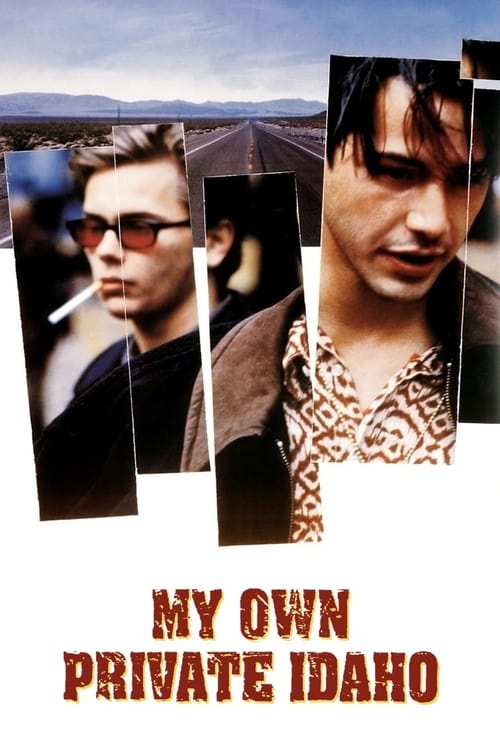
11. My Own Private Idaho
Gus Van Sant’s *My Own Private Idaho* (1991) is a poignant, dreamlike road movie following two young street hustlers, Mike and Scott, through the American West. River Phoenix delivers a heartbreaking performance as Mike, narcoleptic and searching for his mother, while Keanu Reeves’ Scott grapples with his wealthy background. Their journey is a quest for identity, love, and belonging, revealing the hidden vulnerabilities beneath their hardened exteriors.
12 / 12

12. Killer of Sheep
Charles Burnett’s seminal independent film, *Killer of Sheep* (1978), offers a deeply humane, neorealist portrayal of African American life in Watts, Los Angeles. Stan, a slaughterhouse worker, struggles with the drudgery of his job and the quiet despair of his existence. The film captures the dignity and resilience of everyday people, revealing the unspoken dreams, frustrations, and profound inner lives hidden beneath the surface of working-class struggle.