

1 / 11
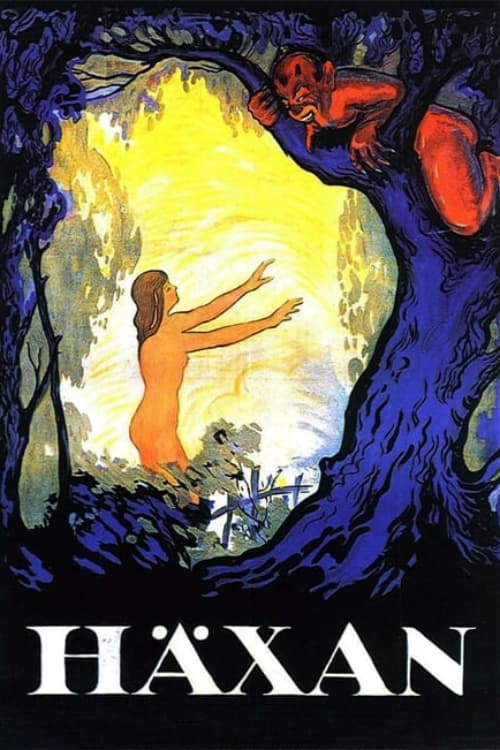
1. Häxan
Benjamin Christensen's silent masterpiece is a faux-documentary examining witchcraft through the ages, blending historical reenactment with chilling dramatizations. Its daring exploration of medieval superstition and the psychological roots of demonic possession, complete with startling special effects and bold, often unsettling imagery, was profoundly ahead of its time. It remains a singular, visually arresting experience, a foundational text in horror and ethnographic filmmaking that still disturbs and captivates.
2 / 11
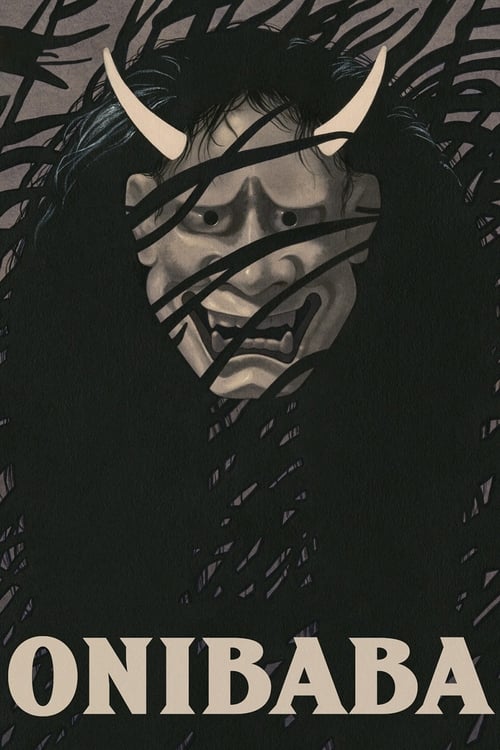
2. Onibaba
Kaneto Shindô’s *Onibaba* is a primal, atmospheric folk horror from Japan, set in a wartorn 14th-century reed field. Two women survive by murdering samurai and selling their armor, their existence a brutal dance of survival, desire, and jealousy. Its stark black-and-white cinematography, visceral performances, and potent themes of human desperation and carnal sin create a suffocating, almost hallucinatory experience. It’s a beautifully stark portrayal of moral decay, deeply rooted in its time and place.
3 / 11
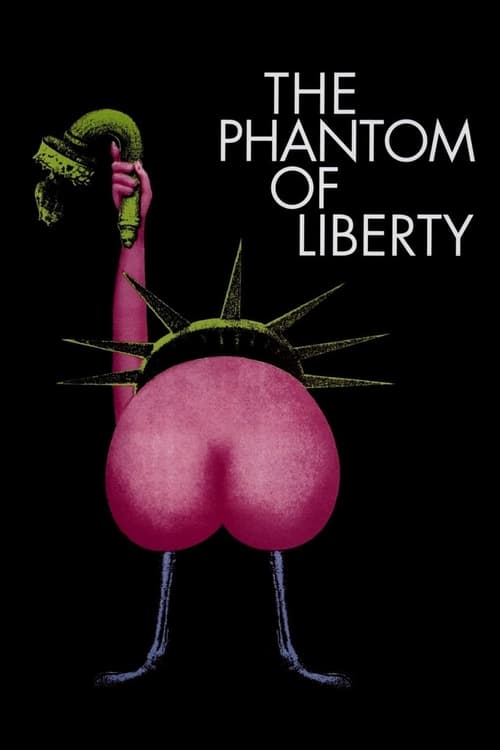
3. The Phantom of Liberty
Luis Buñuel's surrealist episodic masterpiece defies conventional narrative, presenting a series of loosely connected vignettes that satirize bourgeois society, religious dogma, and logic itself. From monks playing poker to a dinner party where guests sit on toilets and eat off the floor, Buñuel masterfully dissects hypocrisy and convention. This film is a pure expression of his absurdist vision, challenging viewers to abandon expectations and embrace its dreamlike, often hilarious, subversion of reality.
4 / 11
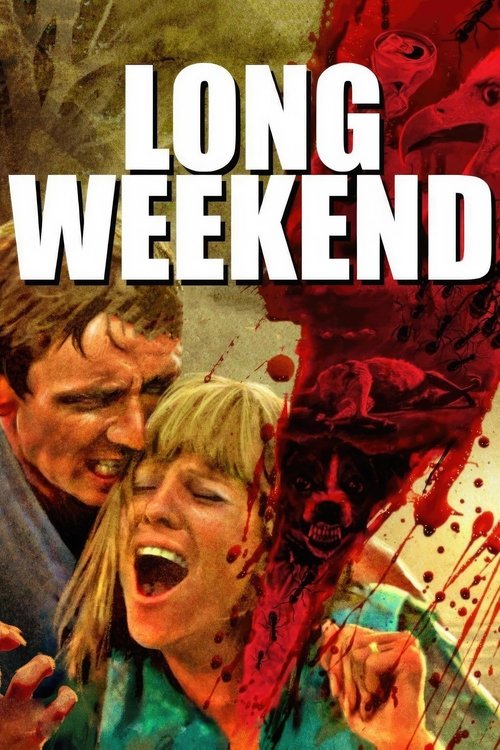
4. Long Weekend
This Australian environmental horror film is a slow-burn, deeply unsettling experience. A bickering couple, oblivious to their destructive impact, takes a camping trip, only for nature itself to subtly, then aggressively, retaliate. Director Colin Eggleston eschews jump scares for an accumulating sense of dread, as the landscape turns hostile, reflecting the protagonists’ own toxic relationship. It’s a chilling, prescient warning about humanity's disregard for the natural world, executed with masterful restraint.
5 / 11
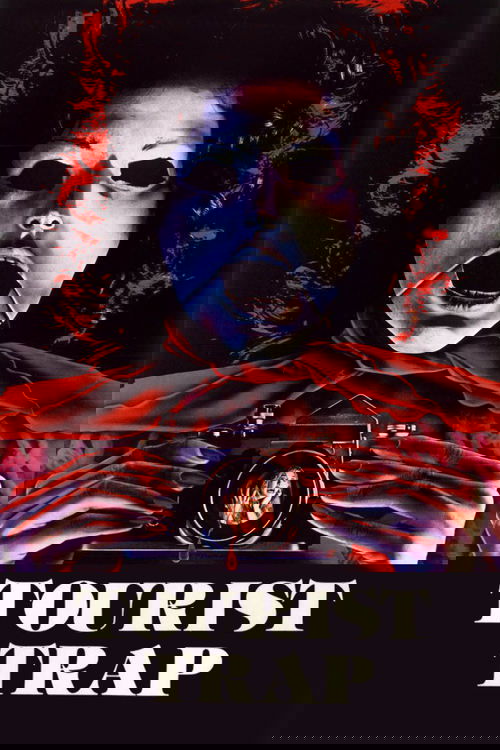
5. Tourist Trap
David Schmoeller's *Tourist Trap* is a bizarre, genuinely unnerving slasher precursor that transcends its low-budget origins. Centered around a group of teens stranded at a roadside attraction filled with eerily lifelike mannequins, the film quickly descends into a surreal nightmare. Its unsettling atmosphere, driven by inventive practical effects and a genuinely creepy antagonist, makes it far more psychologically disturbing than many of its contemporaries. It's a unique, memorable piece of late-70s horror.
6 / 11
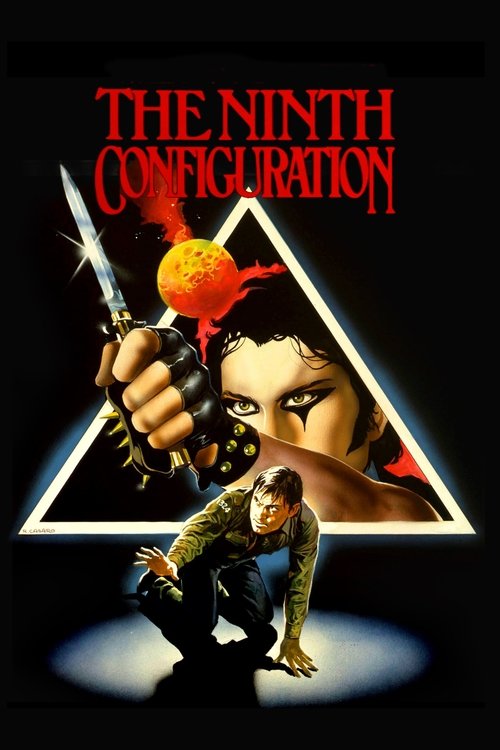
6. The Ninth Configuration
William Peter Blatty's directorial debut, adapted from his own novel, is a profoundly philosophical and darkly comedic exploration of faith, madness, and the nature of good and evil. Set in an asylum for disturbed military officers, it follows a psychiatrist grappling with a patient who believes he’s a superhero. The film is a dialogue-heavy, intellectually stimulating journey, oscillating between the absurd and the deeply profound, challenging viewers to question reality and belief with a unique, compassionate vision.
7 / 11
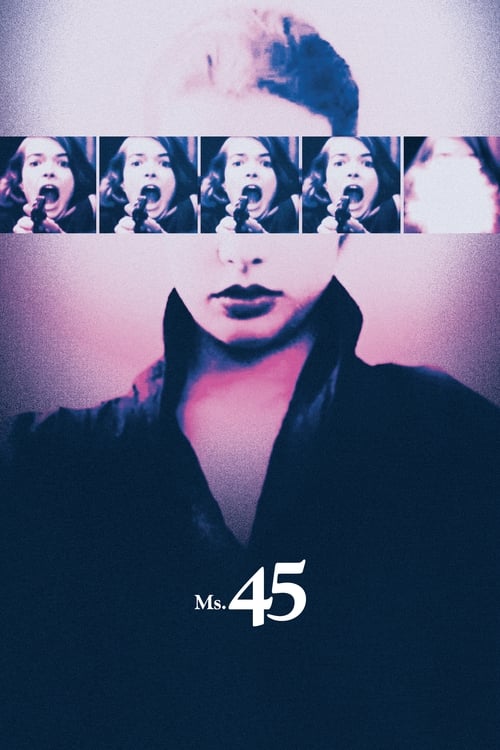
7. Ms .45
Abel Ferrara’s raw, unflinching exploitation film follows Thana, a mute garment worker, who embarks on a brutal spree of revenge after being sexually assaulted twice in one day. This is a visceral, confrontational examination of female rage and vigilantism, presented with Ferrara’s signature gritty style. While undeniably provocative, it offers a stark, albeit extreme, reflection on societal violence and the reclaiming of agency, cementing its status as a significant, albeit controversial, piece of cult cinema.
8 / 11

8. Angst
Gerald Kargl’s *Angst* is a relentless, first-person dive into the mind of a psychopathic killer, based on a true story. Shot with innovative, disorienting camera work – including a constantly moving Steadicam and extreme close-ups – it immerses the viewer in the murderer’s detached, methodical brutality. There’s no moralizing, just a chilling, unflinching portrayal of pure evil. It’s an intensely disturbing, technically audacious piece of cinema that remains a benchmark for psychological horror and visceral filmmaking.
9 / 11

9. Threads
Mick Jackson’s *Threads* is a devastating, unflinching depiction of nuclear war and its aftermath in Sheffield, England. This BBC drama spares no detail, portraying the breakdown of society, environmental catastrophe, and the slow, agonizing death of humanity with brutal realism. It’s less a film and more a chilling hypothetical documentary, designed to shock and educate. Few films have ever conveyed the sheer horror and futility of nuclear conflict with such raw, unforgettable power.
10 / 11
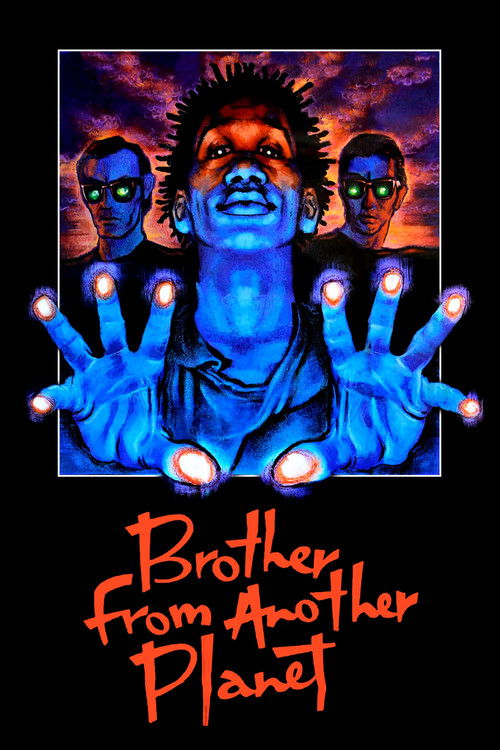
10. The Brother from Another Planet
John Sayles’ intelligent sci-fi allegory follows an escaped alien slave, resembling a Black man, who lands in Harlem and navigates human society, encountering kindness and cruelty. Silent for much of the film, his experiences serve as a poignant commentary on race, immigration, and community in America. Sayles masterfully blends humor, social critique, and a gentle, humanistic touch, creating a unique, thought-provoking narrative that remains relevant and deeply empathetic.
11 / 11
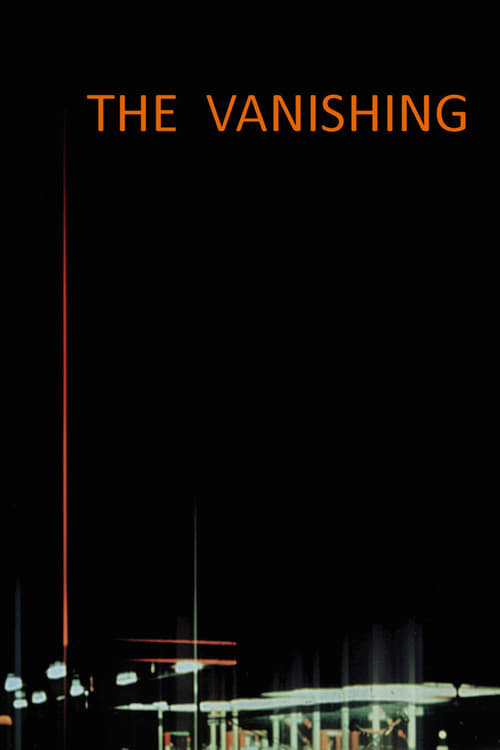
11. The Vanishing
George Sluizer's original Dutch-French thriller is a masterclass in psychological suspense, far superior to its American remake. A man's girlfriend mysteriously disappears at a gas station, leading him on a years-long obsessive quest for answers. The film meticulously builds tension, not through jump scares, but by exploring the chilling banality of evil and the psychological toll of uncertainty. Its unforgettable, profoundly disturbing ending cements its status as a truly chilling and intellectually resonant cinematic experience.