
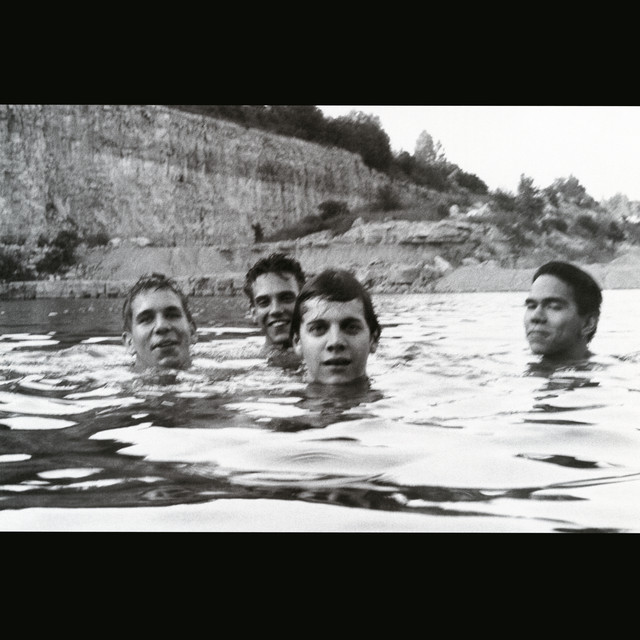
1. Spiderland
Spiderland (1991) hit different. It wasn't just music; it was architecture. The way those guitars interlocked, the hushed vocals, then the sudden explosions – it felt like a blueprint for a whole new way to experience sound. Every note had weight, every silence was deafening. This album carved out a space in my head, proving that rock could be intellectual, unsettling, and utterly captivating without resorting to easy hooks. It still feels like a secret language.
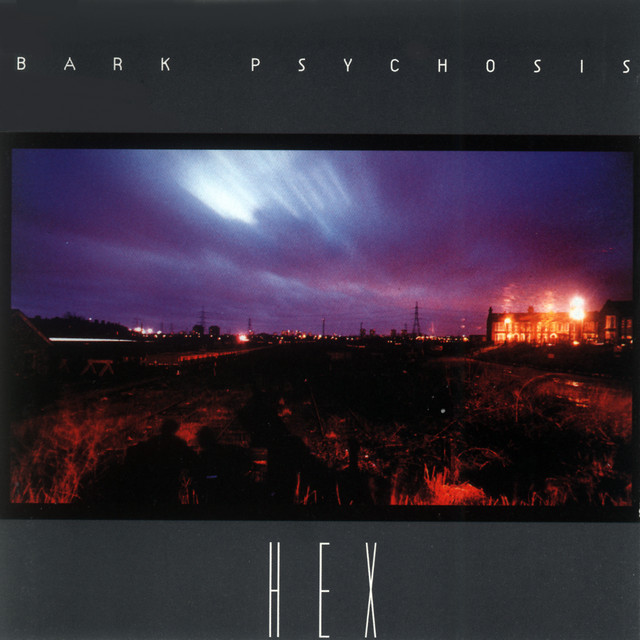
2. Hex
Hex (1994) was a portal to another dimension. Bark Psychosis took the post-rock template and infused it with this melancholic, almost trip-hop haze. It’s all about the atmosphere here – those lingering guitars, the subtle electronics, the distant, yearning vocals. This album taught me that silence and space are just as vital as the notes themselves. It's a late-night listen, a soundtrack to urban introspection, a masterclass in understated emotional weight. Absolutely essential listening for mood.
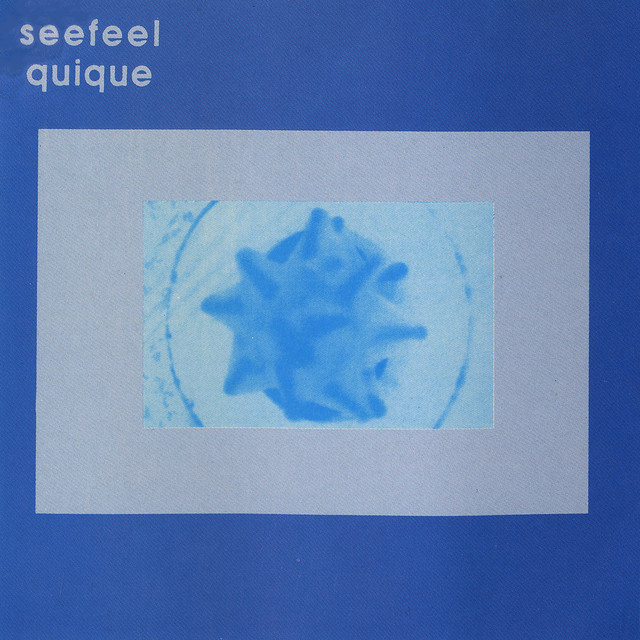
3. Quique
Quique (1994) felt like a digital fog rolling in. Seefeel blurred the lines between shoegaze's hazy textures and ambient techno's rhythmic pulses. It wasn't about big drops or obvious melodies; it was about immersion. Those processed guitars, the dubbed-out beats, the almost imperceptible vocals – it created a sonic environment you could just float in. For me, this was the sound of a future that felt both alien and strangely comforting, a truly groundbreaking fusion of analog warmth and digital chill.
4. Tri Repetae
Autechre's Tri Repetae (1995) was pure intellectual adrenaline. This wasn't background music; this demanded attention. The way those intricate, often harsh, rhythmic patterns unfolded and reformed, the glitched-out textures – it was like listening to machines communicate in a language only they understood. It showed me the sheer potential of electronic music to be complex, challenging, and profoundly engaging without any traditional song structure. My brain felt rewired trying to keep up. A true benchmark for IDM's peak.
5. 76:14
76:14 (1994) was like a warm blanket woven from pure sound. Global Communication crafted these sprawling, organic ambient pieces that felt both vast and incredibly intimate. It’s electronic music that breathes, evolving slowly, drawing you into its gentle currents. This album proved that ambient could be more than just background noise; it could be a deeply emotional, almost spiritual experience. It was the perfect antidote to the chaotic energy of the mid-90s, offering a serene escape. Pure bliss.
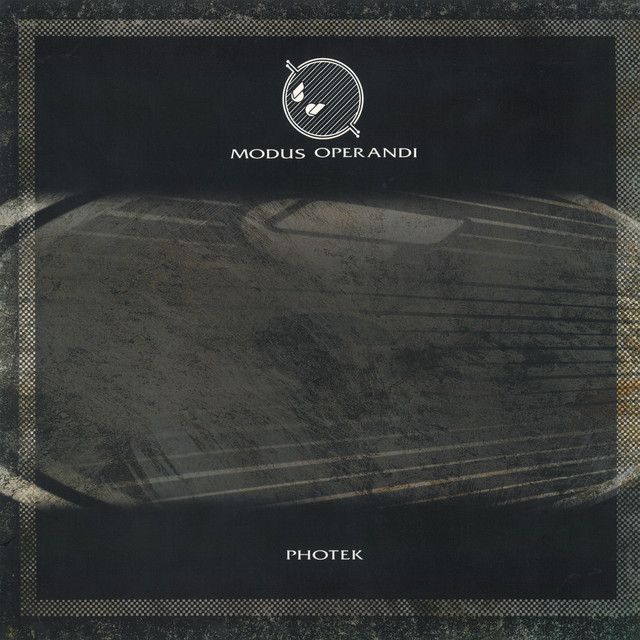
6. Modus Operandi
Photek’s Modus Operandi (1997) was a masterclass in rhythmic precision and atmospheric tension. This wasn't just drum and bass; it was a deep dive into complex breakbeats and brooding soundscapes. The way Photek manipulated percussion, creating these almost cinematic, noir-ish moods, felt incredibly advanced. It showed how intricate programming could evoke powerful emotions without relying on overt melodies. This album was dark, intelligent, and utterly captivating, a real highlight of the more experimental side of jungle.
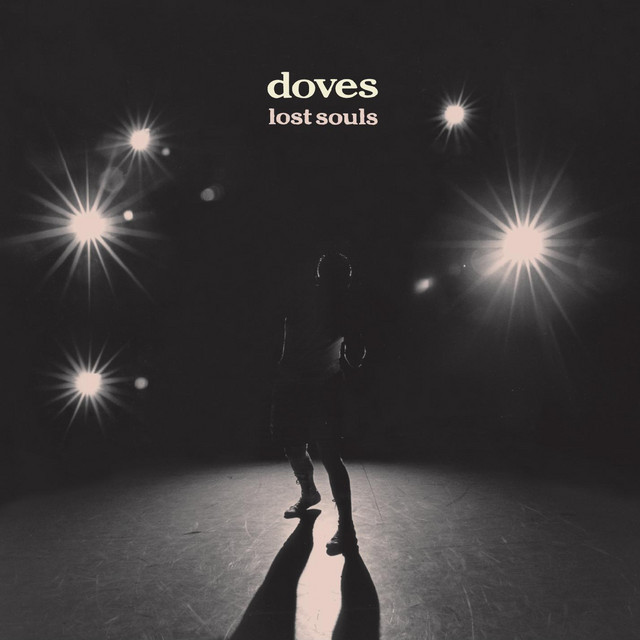
7. Lost Souls
Lost Souls (2000) arrived like a beautiful, bruised sunrise after the Britpop hangover. Doves perfected that blend of anthemic sweep and deeply personal melancholy. Their sound felt expansive, full of yearning and a quiet sense of hope. It wasn't about loud guitars but about building atmosphere with subtle layers and genuine emotion. This album became a crucial soundtrack for navigating the uncertain optimism of the turn of the millennium, a truly heartfelt and enduring indie rock classic. Just gorgeous.
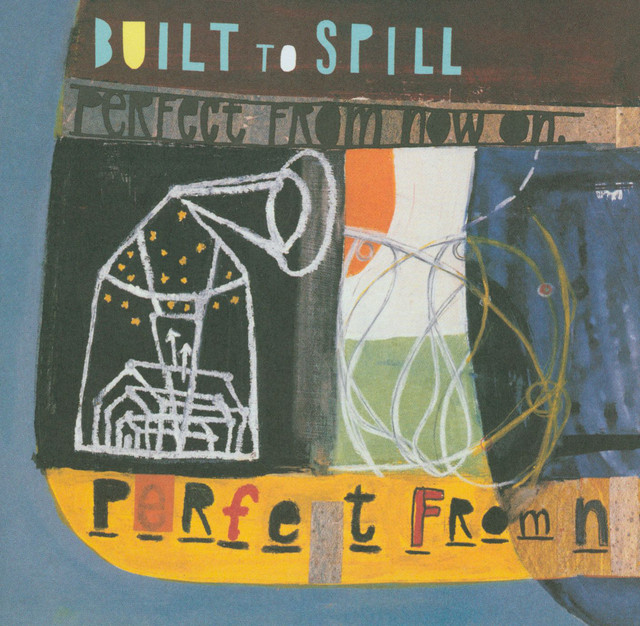
8. Perfect from Now On
Perfect from Now On (1997) was a revelation in how guitars could tell a story. Built to Spill took classic indie rock and stretched it out, letting those intricate, winding solos speak volumes. Doug Martsch’s voice had this understated wisdom, but it was the guitar interplay that really captivated. It felt epic without being pretentious, deeply thoughtful and full of subtle complexities that unfolded with every listen. This album cemented my love for guitar-heroics that were more about texture than shredding.
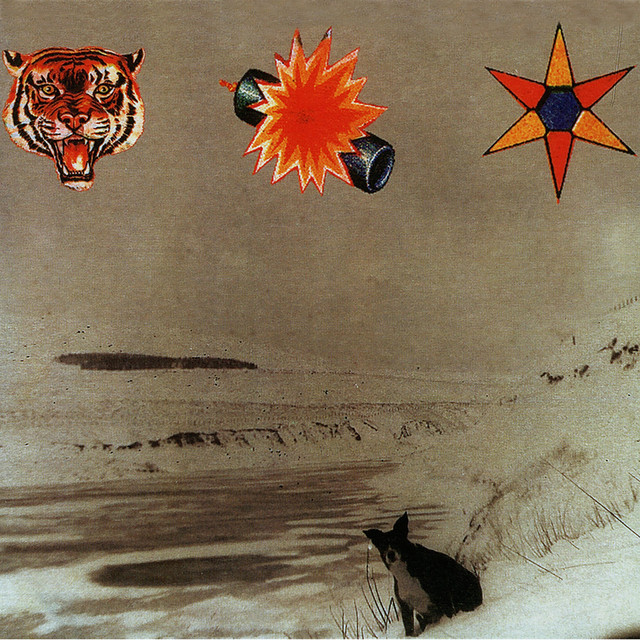
9. The Three E.P.'s
The Three E.P.’s (1995) was pure, unadulterated creative chaos. The Beta Band threw everything at the wall – folk, funk, hip-hop beats, electronic weirdness, and somehow it all stuck. It was gloriously shambolic yet utterly brilliant, a testament to what happens when you ignore genre boundaries completely. This collection taught me that music didn't have to fit neatly into a box to be profound. It was playful, innovative, and sounded like nothing else, a true outlier that still feels fresh.
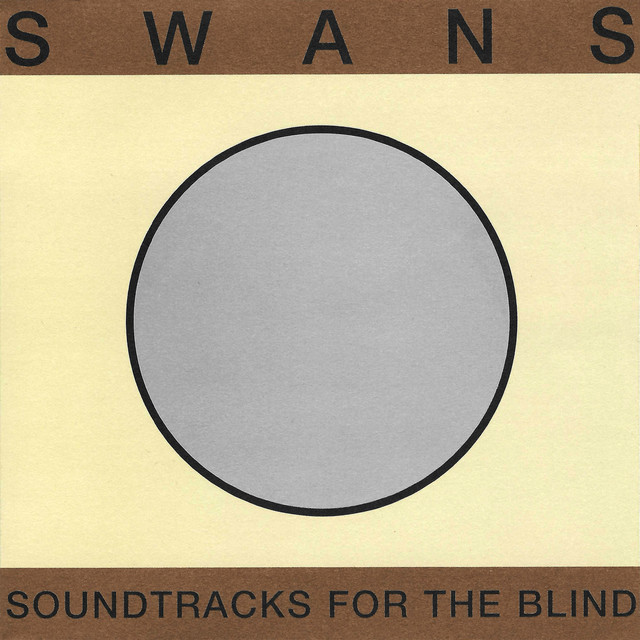
10. Soundtracks For The Blind
Soundtracks For The Blind (1996) isn't just an album; it’s an endurance test, a sonic landscape of utter desolation. Swans, at their most sprawling and uncompromising, crafted something that felt like the end of the world. It’s a terrifyingly beautiful blend of industrial drones, sparse instrumentation, and Gira's guttural pronouncements. This double album redefined what 'heavy' meant, not with volume, but with psychological weight. It’s challenging, deeply unsettling, and ultimately, a profoundly cathartic artistic statement. Not for the faint of heart.
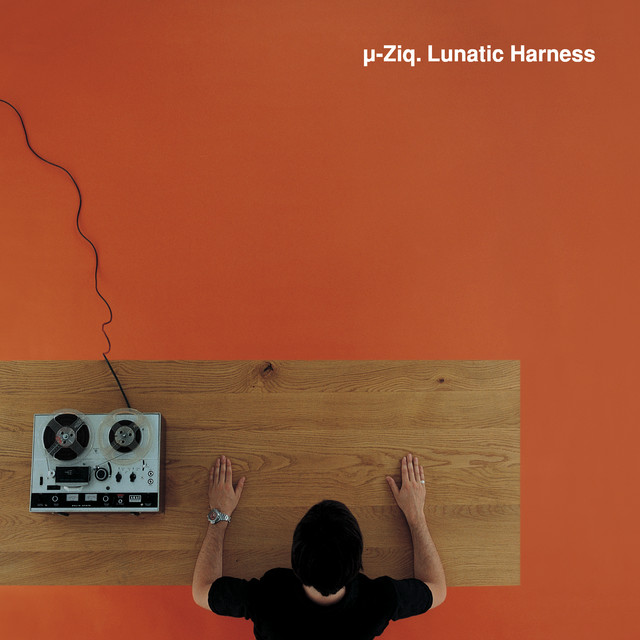
11. Lunatic Harness
µ-Ziq's Lunatic Harness (1997) was like a sugar rush for my brain. Mike Paradinas took the intricate rhythms of jungle and IDM and twisted them into something hyperactive, colorful, and wildly inventive. The beats were relentlessly complex, the melodies were kaleidoscopic, and the whole thing felt like a controlled explosion of pure digital energy. It was joyful, chaotic, and pushed the boundaries of what electronic music could be. This album embodied the exhilarating, sometimes overwhelming, promise of late-90s digital sound.