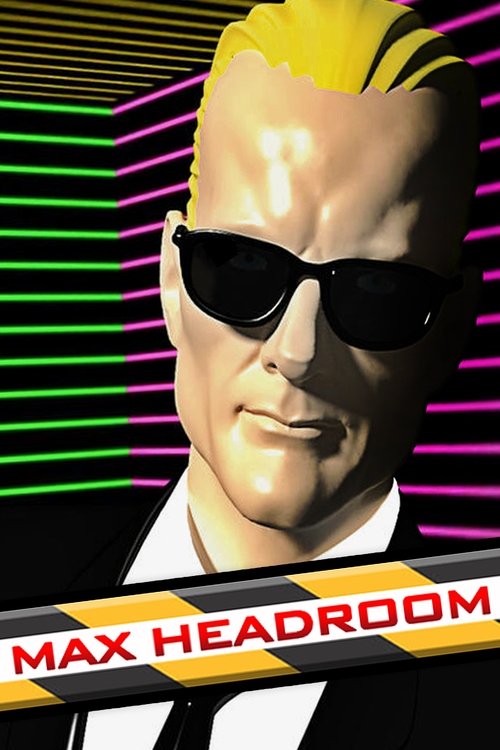
1. Max Headroom
This show was a glitch in the matrix, pure 80s cyberpunk propaganda. It took the shiny corporate facade of TV and shoved a distorted digital mirror in its face. Those analog effects, the constant channel surfing, it was a hyper-real, neon-drenched fever dream, predicting our screen-addicted future before anyone else dared. They tried to cancel it, but that fragmented signal persists, echoing through the airwaves.
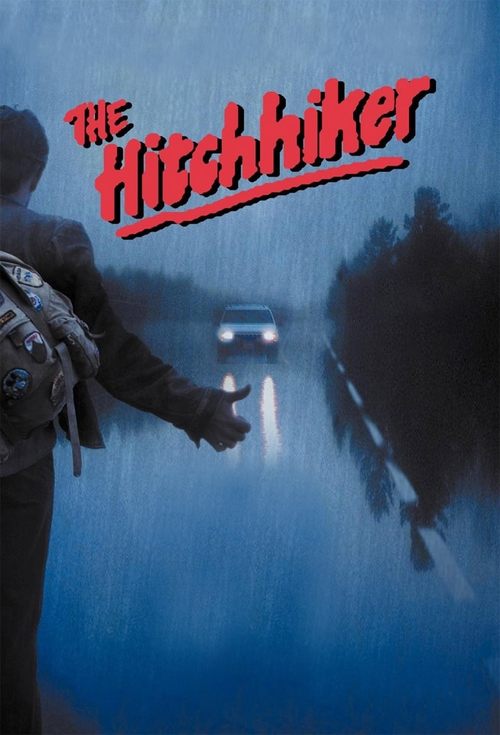
2. The Hitchhiker
HBO was still a wild frontier when this atmospheric anthology landed. You'd tune in late, the static just right, and this shadowy figure would introduce some twisted tale of desire and consequence. It wasn't about jump scares; it was about the slow burn of dread, the creeping realization that everyone's got a dark side. Gritty, sensual, and totally unapologetic for cable.
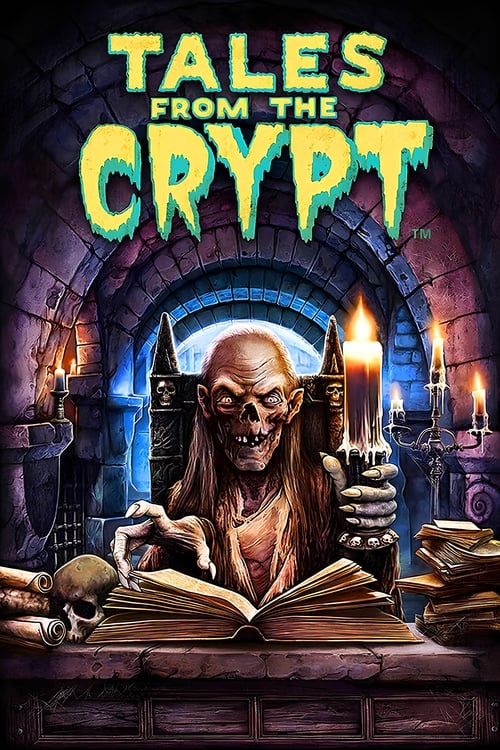
3. Tales from the Crypt
HBO again, but this time, it was full-throttle horror, with the Crypt Keeper's cackle leading the charge. This wasn't sanitized network stuff; it was gooey practical effects, dark humor, and a parade of A-list actors slumming it for a good scare. Every episode felt like a forbidden comic book come to life, maximalist and gleefully macabre.
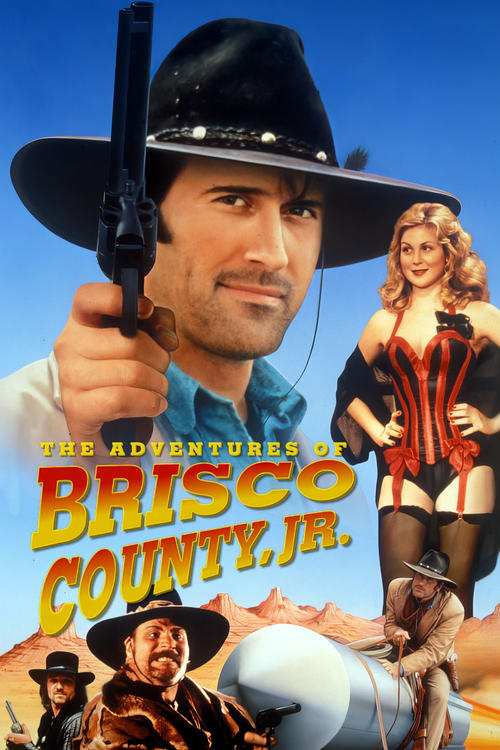
4. The Adventures of Brisco County, Jr.
Fox tried to pull off a sci-fi western before anyone knew what that even meant. Bruce Campbell, a rocket car, and an orb from the future in the Old West? It was goofy, smart, and utterly unique, but maybe too weird for its time slot. A true proto-genre hybrid, it deserved so much more than one season. Still got that cult glow.
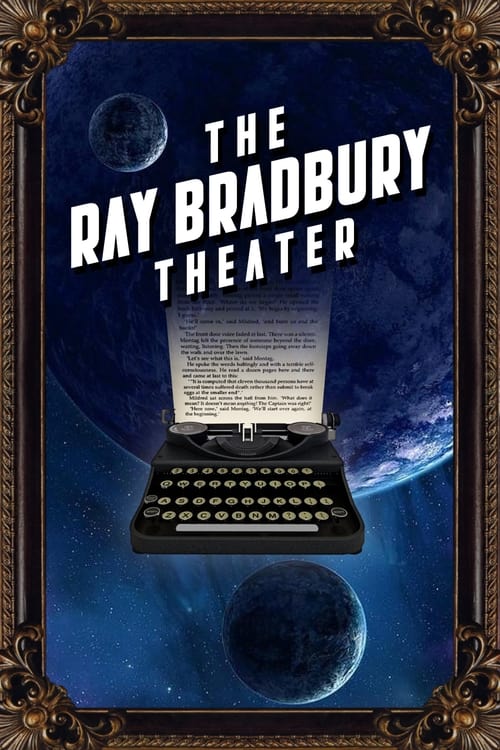
5. The Ray Bradbury Theater
This was late-night literary weirdness, bringing Bradbury's strange, melancholic short stories to life with that distinct 80s analog feel. Every episode was a self-contained world, often unsettling, always thought-provoking. It wasn't about high budgets, but about mood and ideas, proving that sometimes, the simplest effects can conjure the deepest dread.
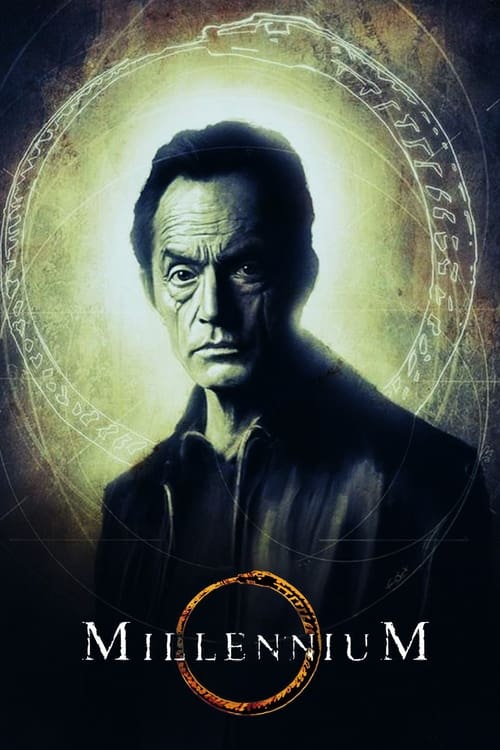
6. Millennium
After The X-Files hit, Chris Carter went even darker. Frank Black wasn't chasing aliens; he was staring into the abyss of human evil, seeing the world through a serial killer's eyes. This show was grim, paranoid, and unapologetically bleak. It was the anti-feel-good show of the 90s, delving into the darkest corners of the human psyche with unsettling precision.
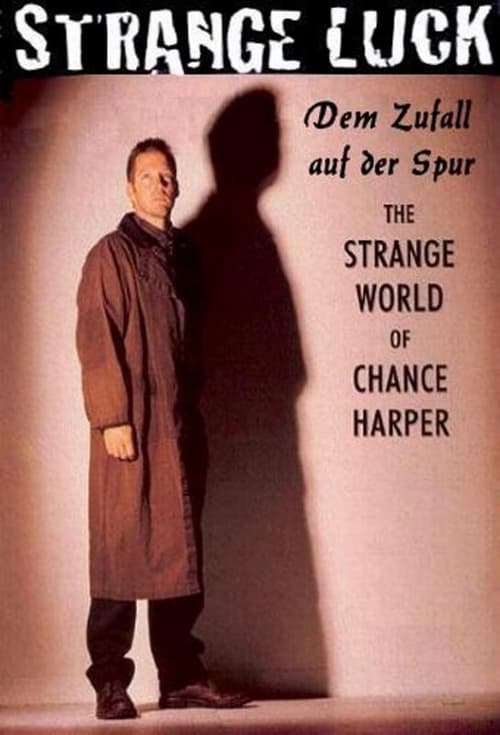
7. Strange Luck
D.B. Sweeney as a guy who just knows when things are about to happen, thanks to random chance. It was an existential procedural, each episode a philosophical puzzle about fate versus free will. Not flashy, but it had this quiet, eerie pull, like a forgotten roadside diner at 3 AM. A real gem of understated, pre-millennium paranoia.
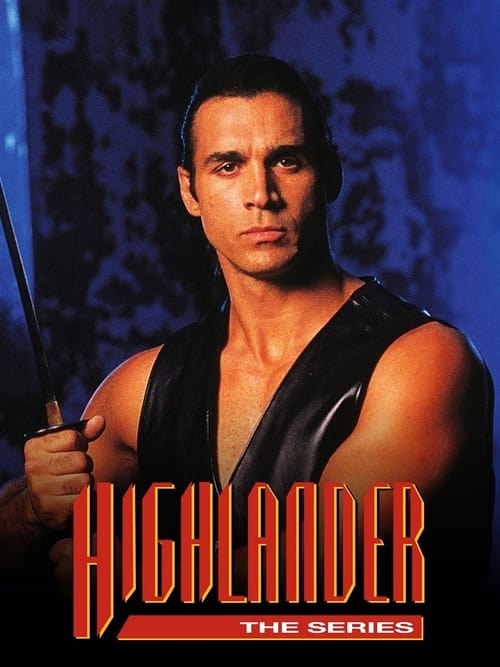
8. Highlander: The Series
Duncan MacLeod, an immortal wandering through time, swinging swords and falling in love every other century. This was peak syndicated action, with a mythology that just kept expanding. It was part soap opera, part fantasy epic, delivered with a straight face and a killer Queen soundtrack. Who cares about logic when you've got broadswords and eternal angst?
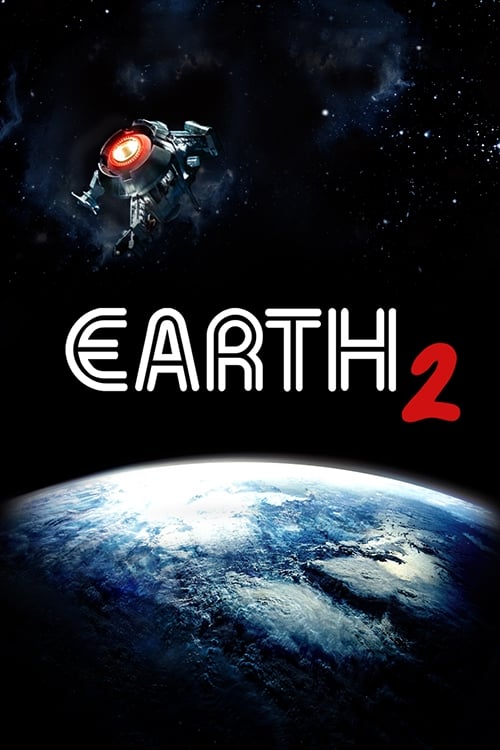
9. Earth 2
A colonizing mission gone wrong, stranded on an alien world. This was pure 90s sci-fi ambition, trying to build a whole new world with practical creature suits and a sense of wonder. It had that Lost in Space vibe but with more grit. The scale was huge, the stakes felt real, but network TV just couldn't commit to its long-form storytelling.
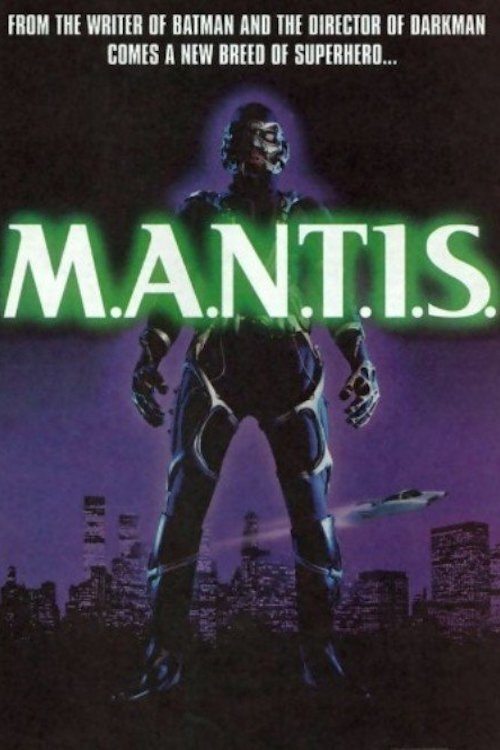
10. M.A.N.T.I.S.
A paraplegic doctor builds a power suit and fights crime. It was a clunky, earnest attempt at a Black superhero on network TV, with a definite analog cyberpunk vibe. The suit was cumbersome, the effects were budget, but it had heart. It was a brave, if flawed, step into a genre that hadn't quite figured itself out yet. Proto-superhero before the big boom.

11. The Crow: Stairway to Heaven
They tried to make The Crow a weekly thing, and Mark Dacascos did a decent job filling Brandon Lee's boots. It captured some of the gothic mood and revenge-driven narrative, but a syndicated series just couldn't replicate the film's singular intensity. Still, for fans craving more dark urban fantasy, it was a necessary fix.