
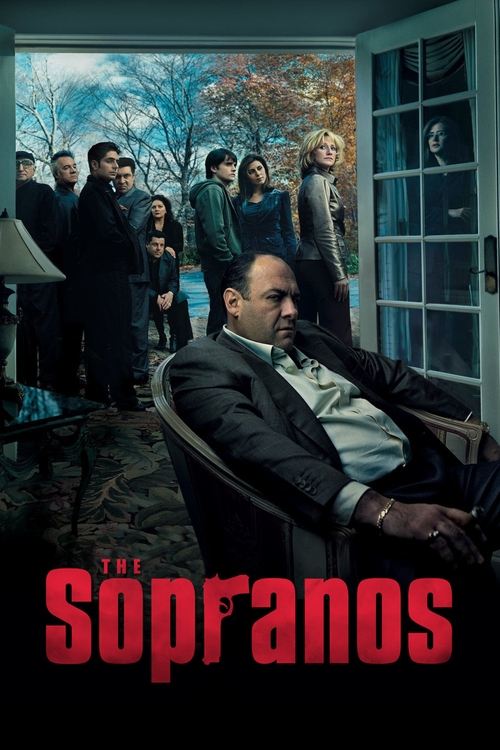
1. The Sopranos
This show wasn't just good, it was a seismic event. It dropped on HBO like a bomb, proving television could be as complex, dark, and psychologically rich as any big-screen drama, maybe even more so. Tony Soprano's therapy sessions, the brutal mob life, the suburban family drama – it all converged into something utterly new. It established serialized storytelling as the new gold standard, demanding your full attention and making Sunday nights appointment viewing.
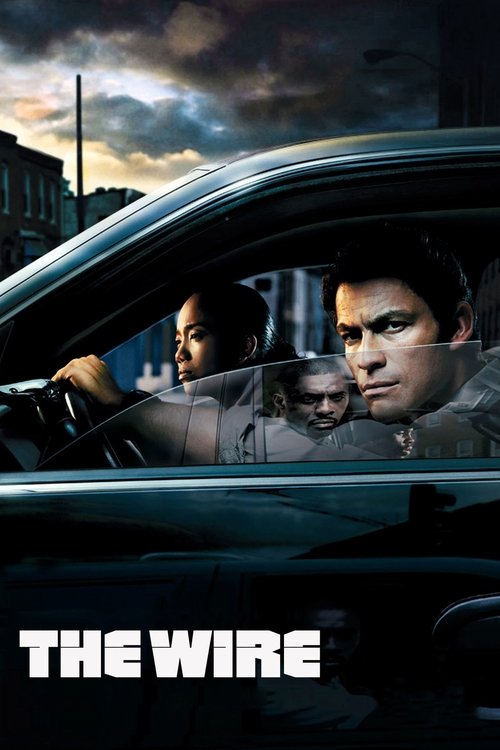
2. The Wire
Forget everything you thought about cop shows. This wasn't about good guys and bad guys; it was about systems. Baltimore's drug trade, the schools, the docks, the media – it was all interconnected, played out over seasons with an ensemble cast that felt real. David Simon crafted a dense, novelistic narrative that asked audiences to engage, to think, and to accept moral ambiguity. TV hadn't been this intellectually rigorous before.

3. Six Feet Under
Before it was cool to talk about feelings, this show dove headfirst into death, grief, and family dysfunction with a darkly comedic touch. The Fisher family, running a funeral home, became a weekly exploration of mortality, personal growth, and existential dread. It was beautifully shot, often surreal, and always emotionally raw. HBO again showed that cable could tackle subjects network TV wouldn't dare, making every character feel deeply human.
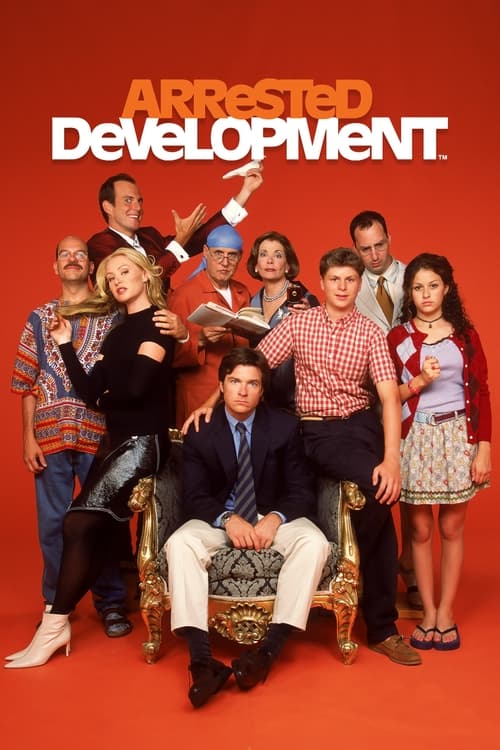
4. Arrested Development
This was TV comedy on rocket fuel. Its rapid-fire gags, intricate callbacks, and layered meta-humor demanded rewatches long before streaming made it easy. The Bluth family's delusional antics were both hilarious and genuinely smart, pushing the boundaries of what a sitcom could be. It embraced a cinematic visual style and a serialized arc, proving that even a comedy could have a rich, ongoing narrative tapestry for dedicated viewers.
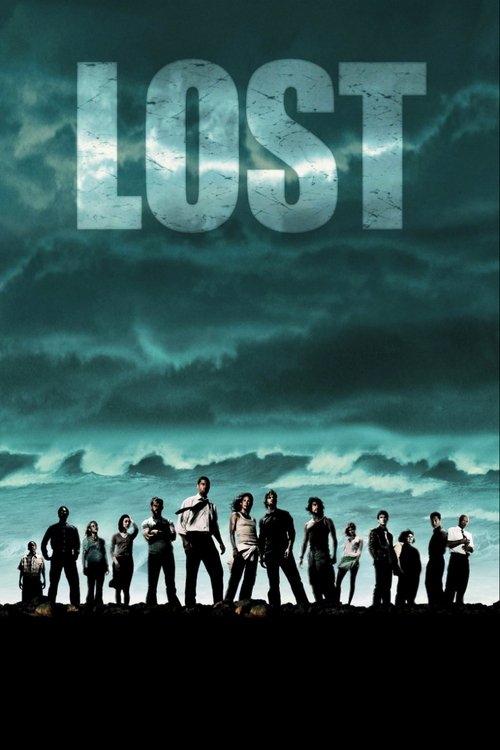
5. Lost
The show that defined the water cooler moment for a generation. A plane crash, a mysterious island, and a sprawling ensemble cast with a puzzle box narrative that kept everyone guessing. It pioneered the use of flashbacks and flash-forwards, blurring timelines and crafting a global phenomenon. Fans dissected every frame, every symbol, every theory online. It was appointment viewing, but also an early experiment in collective, ongoing fan engagement.
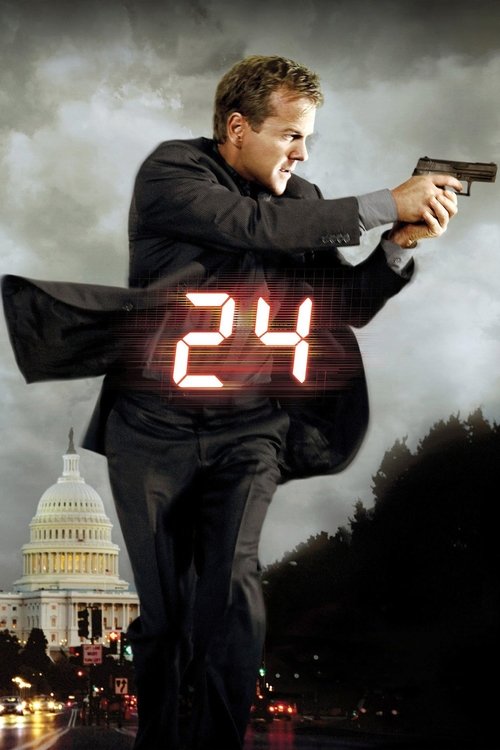
6. 24
This one was pure adrenaline. Real-time storytelling was a game-changer, making every ticking second feel genuinely urgent. Jack Bauer, the ultimate anti-hero, battled terrorists, double-crossers, and his own demons across a single day. It was intense, serialized, and visually dynamic, pulling audiences in with its relentless pace and cliffhangers. This show proved that TV could deliver feature-film level thrills, week after week, pushing the procedural envelope.
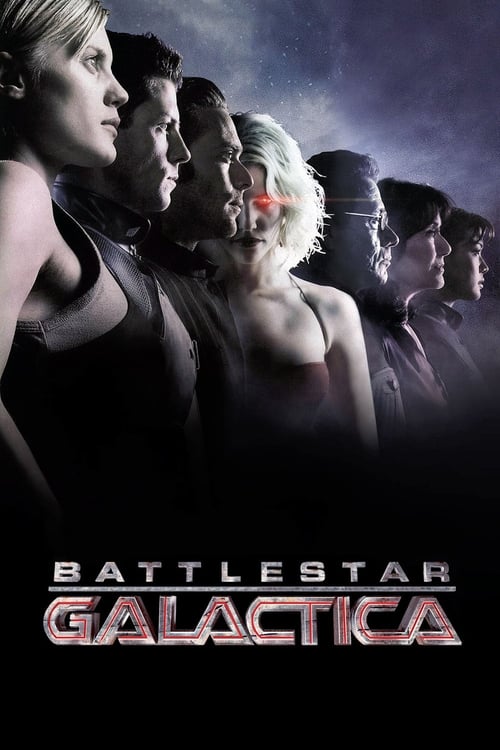
7. Battlestar Galactica
Forget what you knew about sci-fi. This wasn't just spaceships; it was a gritty, politically charged, and deeply human drama about survival, faith, and what it means to be alive. The Cylons weren't just robots; they were existential threats and mirrors to humanity. It tackled complex moral dilemmas with a cinematic scope, blending serialized storytelling with hard-hitting action, elevating genre television to an art form.
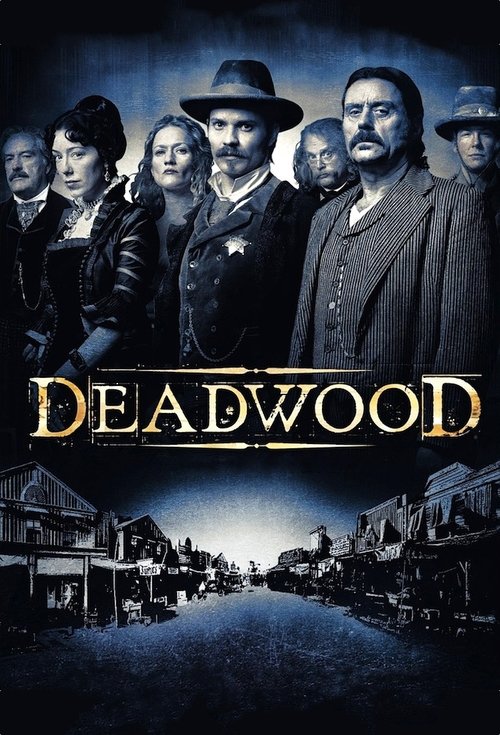
8. Deadwood
HBO went all-in on the 1870s American frontier, but this wasn't your grandpa's Western. It was brutal, poetic, and filled with some of the most intricate, profane dialogue ever written for television. The ensemble cast brought the muddy, morally ambiguous town to life, exploring themes of civilization, corruption, and survival with raw authenticity. It felt like watching a prestige novel unfold, demonstrating TV's capacity for historical immersion.
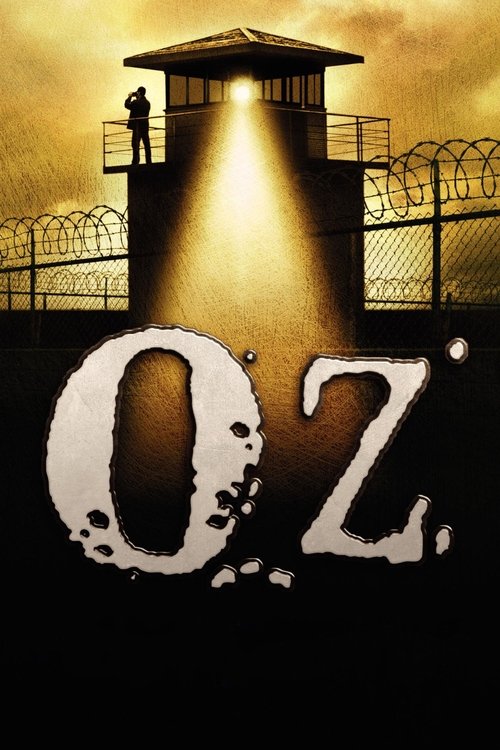
9. Oz
Before HBO was *HBO*, there was *Oz*. This prison drama was raw, unflinching, and groundbreakingly brutal, pushing the boundaries of what cable television could depict. It presented a microcosm of society behind bars, exploring power, race, and survival with an ensemble cast where no one was truly safe. It set the stage for later prestige dramas, showing that cable could be a space for uncompromising, adult storytelling.
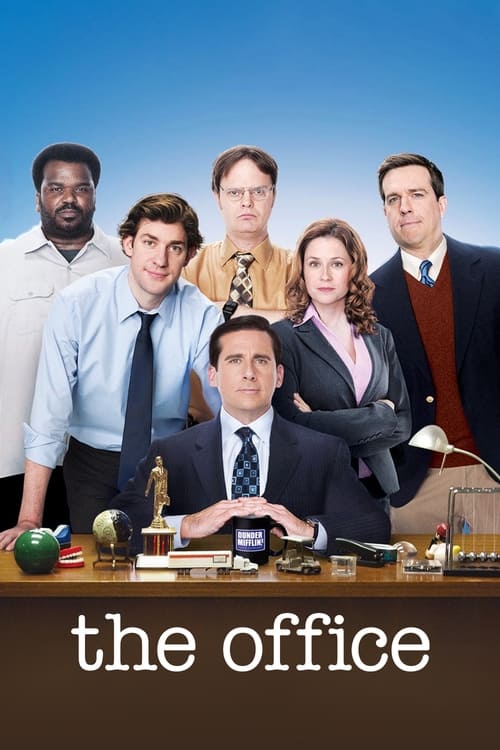
10. The Office
This show redefined workplace comedy with its mockumentary style. Steve Carell's Michael Scott was painfully awkward, yet endearing, surrounded by a cast of brilliant, relatable characters. It blended cringe humor with genuine heart, making you feel like you were peering into a real, if slightly absurd, office. It proved that a simple premise, executed with smart writing and nuanced performances, could become a cultural touchstone.
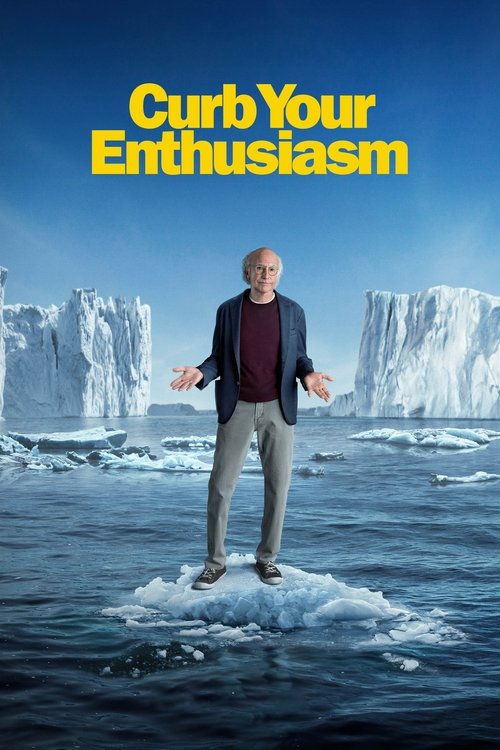
11. Curb Your Enthusiasm
Larry David took cringe comedy to an art form, playing a fictionalized, highly neurotic version of himself. The show's semi-improvised style and episodic structure, focusing on everyday social faux pas, felt both spontaneous and meticulously crafted. It was the ultimate "show about nothing" for a new generation, proving that a singular, curmudgeonly voice could sustain a long-running, critically acclaimed series, perfecting the uncomfortable laugh.