

1 / 11
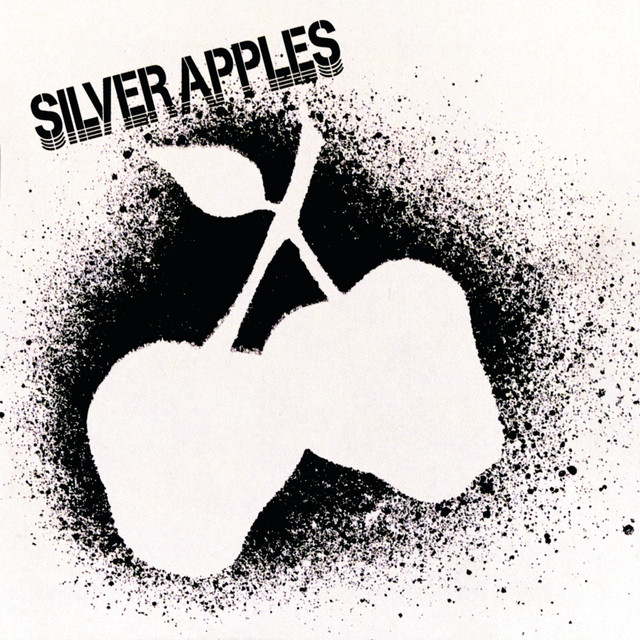
1. Silver Apples
See, back in '68, these cats were pulling sounds out of homemade oscillators and drum machines that nobody else dared touch. This debut ain't just psychedelic; it's a raw, pulsating blueprint for electronic rock, a visceral throb that felt utterly alien then. You hear the garage band spirit clashing with raw, untamed circuitry. It's primitive, yes, but that’s the point—it’s the sound of electricity itself, bleeding out before the engineers learned to tame it.
2 / 11

2. Spirits Rejoice
Albert Ayler, man, he tore down the walls in '65. This ain't polite jazz; it's a spiritual scream, a raw, untamed wail that cuts right through you. With *Spirits Rejoice*, he wasn't just improvising; he was channeling something ancient and powerful, blowing through the established forms like a hurricane. The sheer, unadulterated energy, the collective improvisation—it’s a chaotic, beautiful mess, a true exorcism of sound that still shakes the rafters.
3 / 11
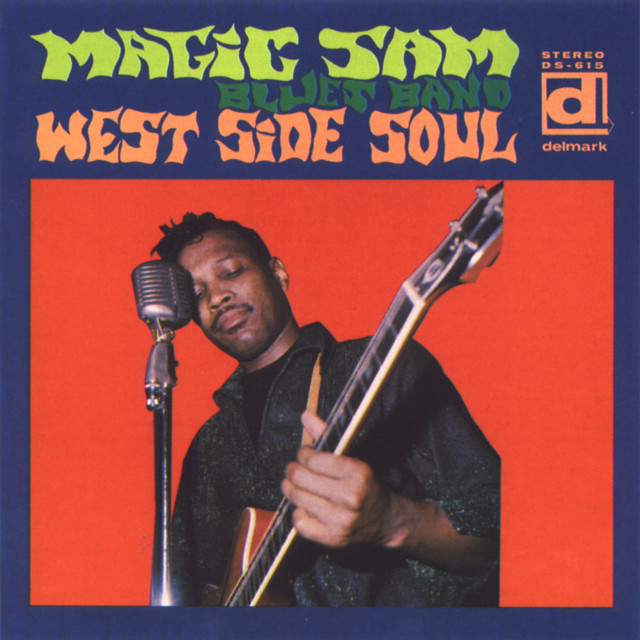
3. West Side Soul (Deluxe Edition)
Magic Sam, on this 1967 classic, just laid it all bare. You listen to *West Side Soul*, and you hear the very pulse of Chicago, the grit, the heartbreak, the sheer joy of a Saturday night. His guitar work is fluid, yes, but it’s the raw, unpolished emotion in his voice and playing that cuts deepest. This deluxe edition lets that original fire breathe, reminding you how electric blues, before it got polished, was a direct pipeline to the soul.
4 / 11

4. The Modern Lovers (Expanded Version)
Recorded in '72, but truly hitting ears in '76, this album was a stark, nervous revelation. Jonathan Richman’s proto-punk vision on *The Modern Lovers* felt out of time, yet utterly prescient. Stripped-down, almost childlike in its directness, it laid the groundwork for everything punk would become: bare-bones rock 'n' roll with an intellectual sneer. The expanded version just gives you more of that essential, agitated energy, the sound of a nervous breakdown becoming a revolution.
5 / 11

5. Suicide (2019 - Remaster)
Back in '77, this debut was a shock to the system, a truly hostile assault. The 2019 remaster of *Suicide* only clarifies that brutal, minimalist vision: just a cheap drum machine, a droning synth, and Alan Vega's sneering, confrontational vocals. It's pure sonic aggression, a stark, industrial blueprint laid down before the genre even had a name. This isn't music you enjoy; it's music you endure, and it leaves its mark, sharp and unyielding.
6 / 11

6. Thirty-Second Annual Report
Throttle Gristle, man. This 1979 report isn't just an album; it's an autopsy of sound itself. *Thirty-Second Annual Report* embodies industrial's absolute, uncompromising anti-aesthetic. They weren't making music; they were documenting sonic decay, the sound of systems failing, of humanity collapsing. It’s noise as philosophy, confrontational and utterly devoid of comfort. You don't listen to it for pleasure; you listen to it to understand the void, the raw, bleeding edge of what sound could be.
7 / 11

7. Deceit
This Heat's 1981 masterpiece *Deceit* is a cold, calculated dread, a masterclass in post-punk's intellectual menace. They built intricate rhythmic structures, then allowed them to unravel, creating a tense, unsettling atmosphere. It’s precise, yet utterly raw in its emotional impact—the sound of anxiety made manifest through jagged guitars, propulsive drums, and stark vocals. A dark, challenging record that demands your attention, pulling you into its labyrinthine world of controlled chaos.
8 / 11

8. vs.
Mission of Burma's 1982 *Vs.* captures the true essence of post-punk aggression married to an undeniable intelligence. They took punk's urgency and filtered it through a lens of sonic experimentation, with Roger Miller's searing guitar and Clint Conley's driving bass creating a relentless, almost academic assault. It’s loud, yes, but every blast of feedback, every raw vocal, feels meticulously placed. A record that doesn't just punch you; it makes you think about why you're being hit.
9 / 11
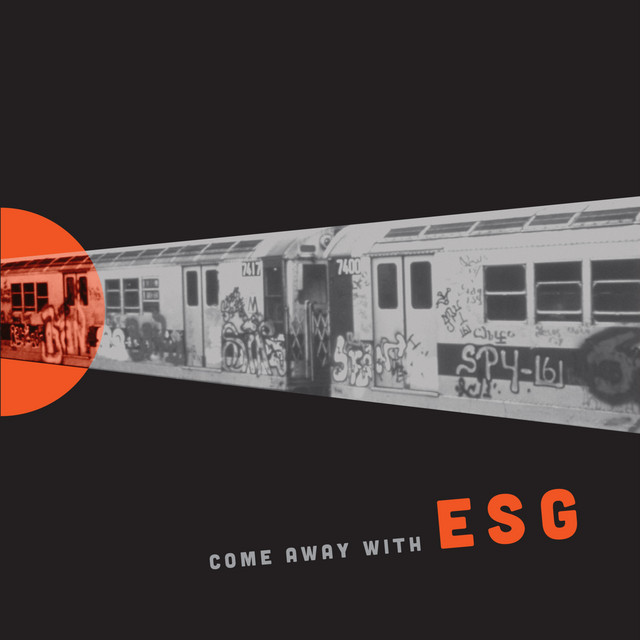
9. Come Away with ESG
ESG's 1983 debut, *Come Away with ESG*, is pure, unadulterated groove, stripped down to its most essential, raw elements. Just a bassline, a drum, and a voice, but it locks into a hypnotic rhythm that's utterly undeniable. They practically invented the template for minimalist funk and laid crucial groundwork for early hip-hop and house. It's raw, direct, and completely infectious—a primal, unpolished pulse that still moves bodies with its audacious simplicity.
10 / 11
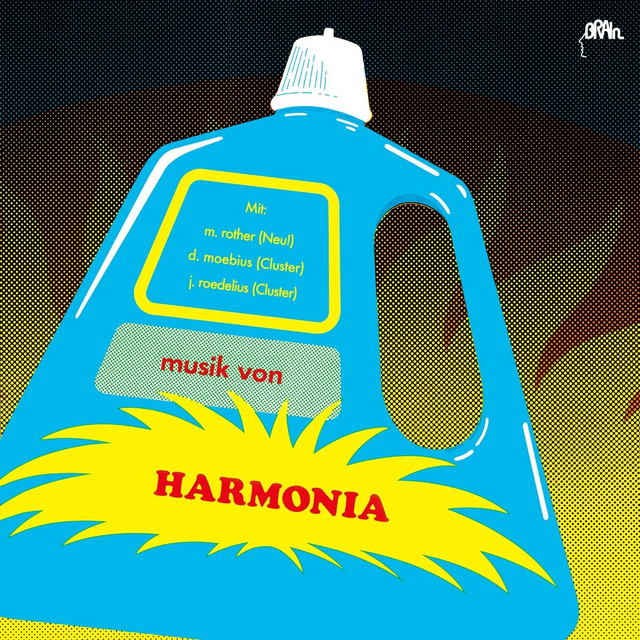
10. Musik von Harmonia
Released in '74, Harmonia's *Musik von Harmonia* is a masterclass in krautrock's shimmering, motorik minimalism. Rother and Moebius crafted these expansive, hypnotic soundscapes with a raw, almost childlike wonder, building atmosphere with repetitive, analog textures. It’s the sound of open German highways and cosmic journeys, all built from simple, yet incredibly effective electronic pulses and guitar washes. A foundational text for ambient and electronic music, pure and unadorned.
11 / 11

11. Liquid Frequencies (Alpha Waves 76 - 84Hz)
While lacking a specific vintage, this 'Liquid Frequencies' piece taps into the same raw spirit of early electronic exploration. It strips sound down to its fundamental, resonant frequencies, a pure sonic investigation akin to early avant-garde experiments. This isn't music for passive listening; it's a deep dive into the physical properties of sound, revealing the unadorned building blocks before melody, rhythm, or structure take over. It’s raw, elemental, and strangely compelling, a pure wave of sound itself.