1. Planescape: Torment
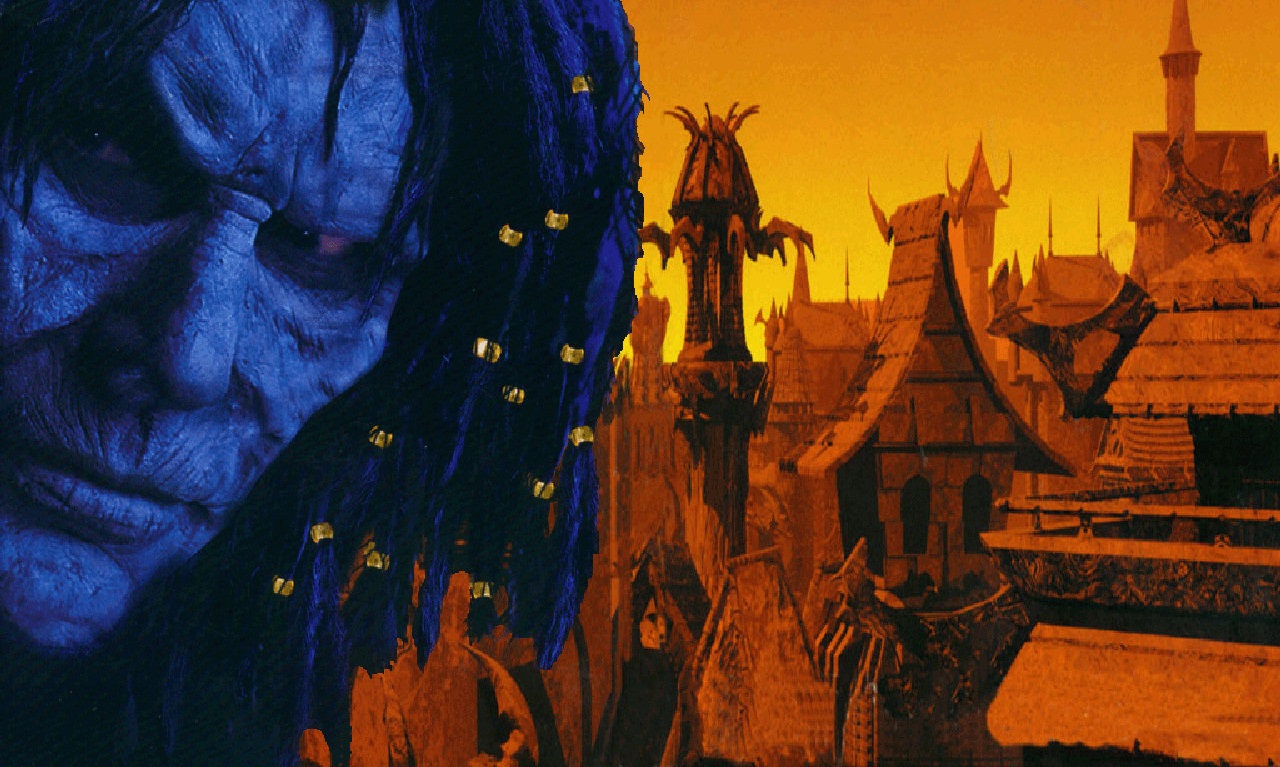
This 1999 RPG dared to ask profound questions, making death a mechanic rather than an end. Its narrative depth and philosophical leanings eclipsed combat, offering a uniquely introspective journey through a bizarre, unforgettable setting. It prioritized dialogue and choice, showcasing how video games could explore complex themes and build characters far beyond typical genre tropes. The protagonist, a nameless amnesiac, fundamentally altered how we perceived player agency and storytelling in the medium.
2. System Shock 2
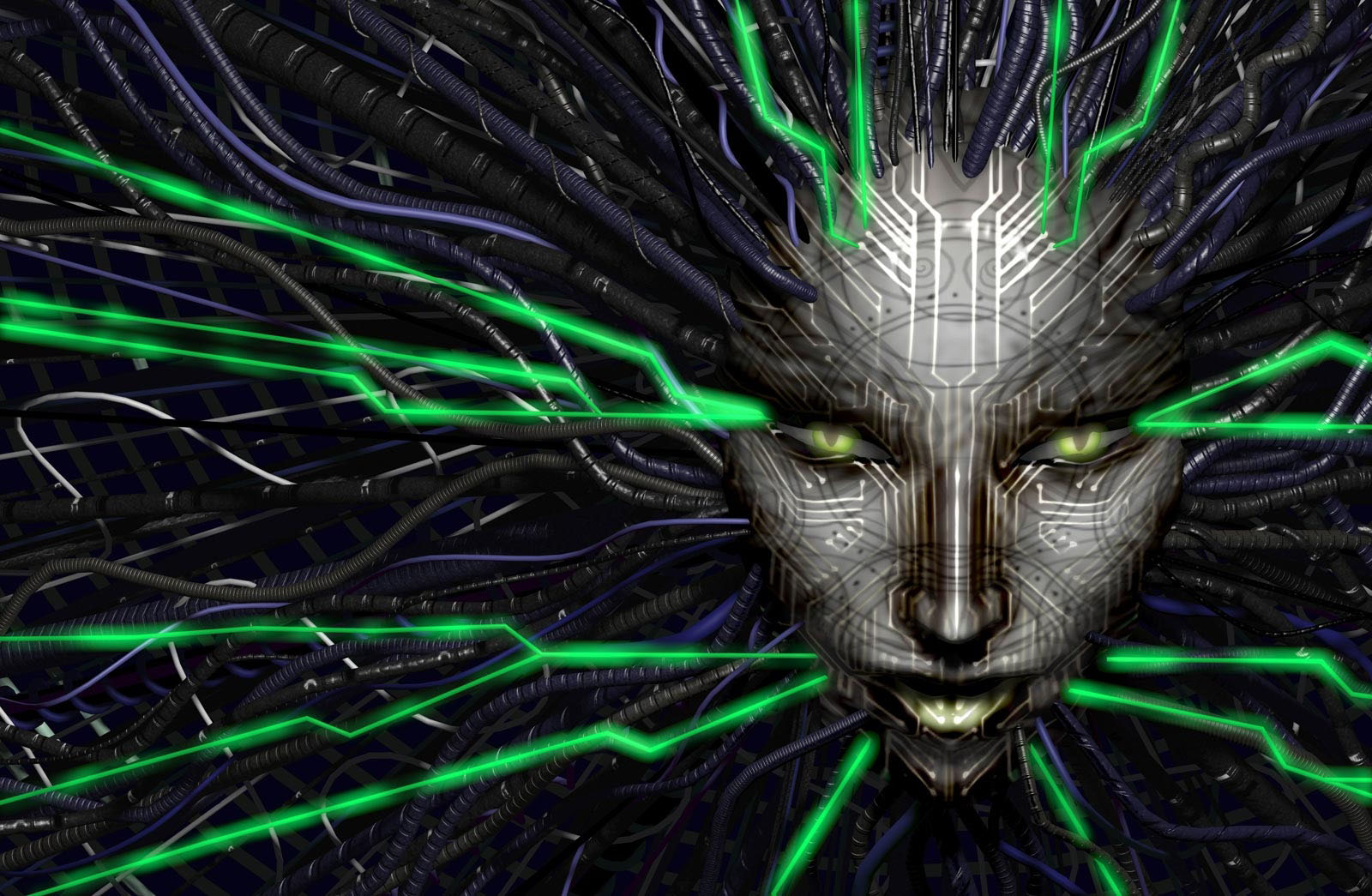
Released in 1999, this title masterfully fused first-person shooting, role-playing, and psychological horror into an intensely atmospheric experience. Its emergent gameplay, environmental storytelling, and the iconic AI antagonist SHODAN set new benchmarks for player immersion and agency. It didn't just present a compelling sci-fi narrative; it allowed players to truly inhabit a crumbling starship, making difficult choices that carried genuine weight, influencing later immersive sims for decades.
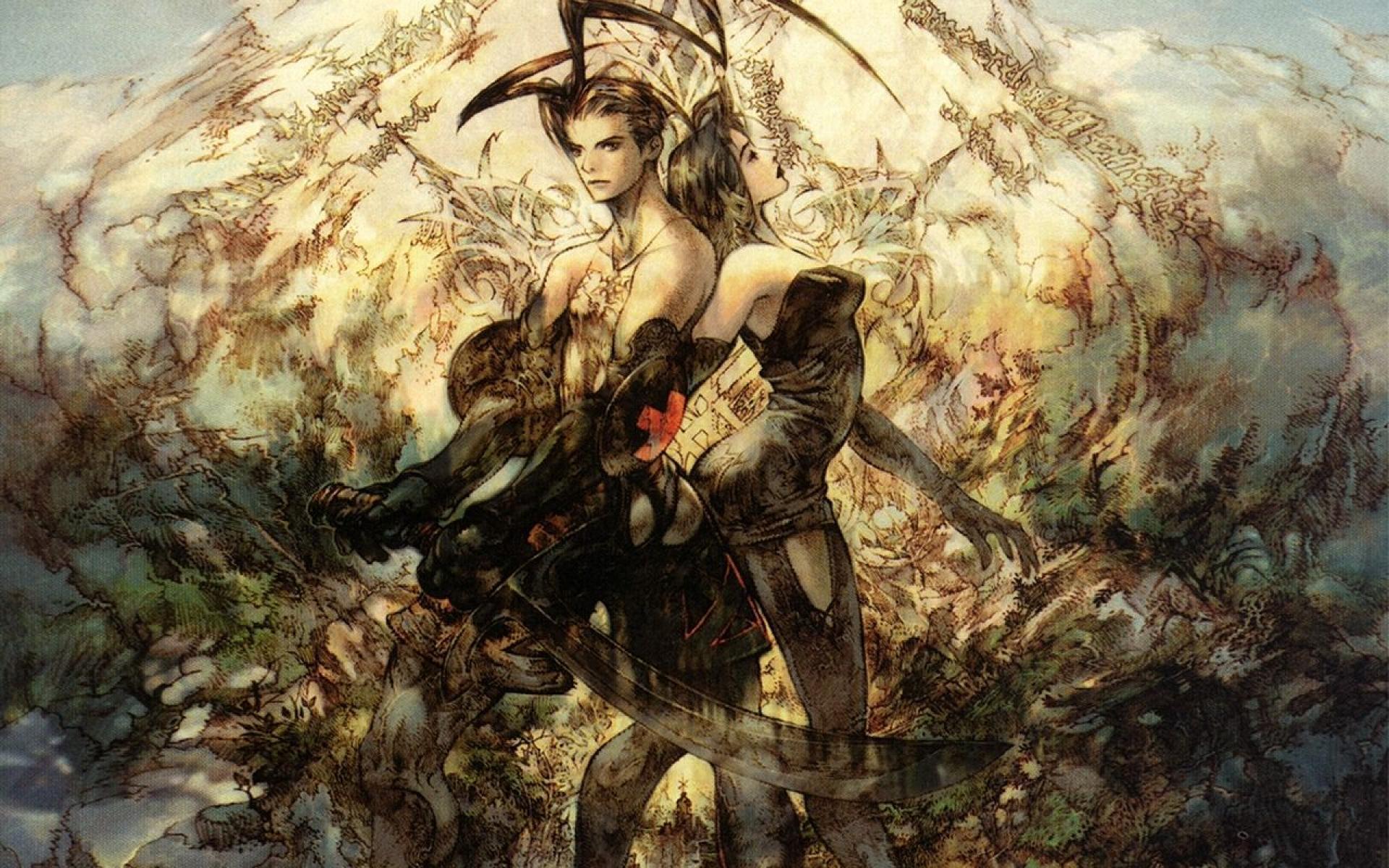
3. Vagrant Story (2000)
On the PlayStation in 2000, this SquareSoft gem pushed technical and design boundaries, delivering a dark fantasy tale through a unique combat system. Its intricate crafting, weapon customization, and lack of traditional shops forced players into a deep understanding of its mechanics. The labyrinthine city of Leá Monde, rendered with impressive graphical fidelity for its era, housed a complex narrative that rewarded careful exploration and strategic thinking, proving a single-player experience could be both challenging and artistically rich.
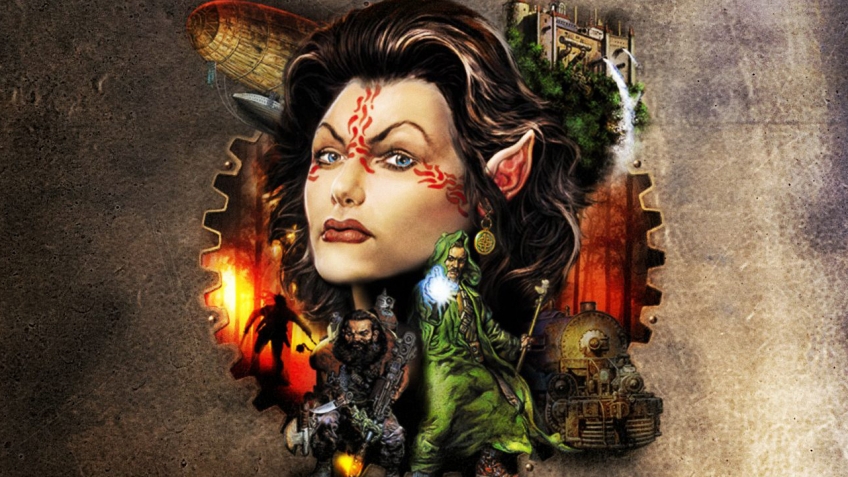
4. Arcanum: Of Steamworks and Magick Obscura
This 2001 RPG from Troika Games envisioned a truly original world where magic and nascent technology clashed. Despite its notorious bugs, Arcanum offered unparalleled player freedom in character creation and quest resolution, allowing for deep role-playing in a rich, reactive setting. Its ambition was evident in every design choice, from its intricate reputation system to the moral dilemmas presented, setting a high bar for player agency in a sprawling, open-ended fantasy.
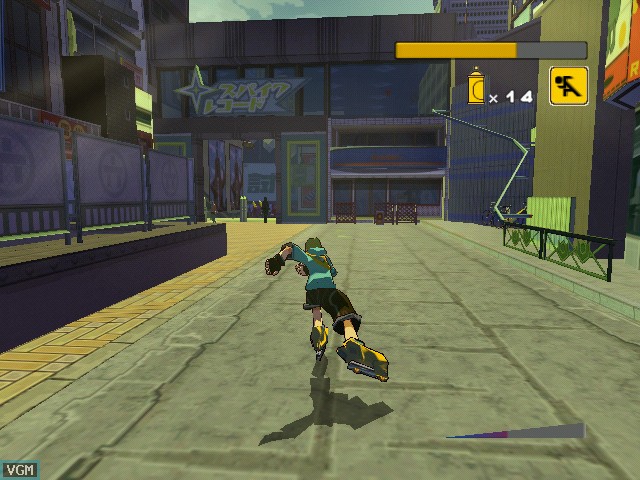
5. Jet Set Radio Future
Arriving on the Xbox in 2002, this title was a vibrant, cel-shaded explosion of style and speed. It perfected the movement mechanics of its predecessor, creating a fluid, exhilarating experience of grinding, boosting, and tagging through a futuristic Tokyo. Its iconic soundtrack and rebellious spirit were instantly infectious, proving that distinct artistic vision and innovative gameplay could redefine an entire genre, even if mainstream recognition remained elusive.

6. Okami
Released in 2006, Okami brought a breathtaking, sumi-e ink wash art style to life, creating one of gaming's most visually striking worlds. More than just aesthetics, its Celestial Brush mechanic allowed players to literally paint solutions into the environment, offering a unique twist on the action-adventure formula. This PlayStation 2 masterpiece blended Japanese folklore with charming characters and engaging exploration, delivering an experience that felt both familiar and wonderfully innovative.
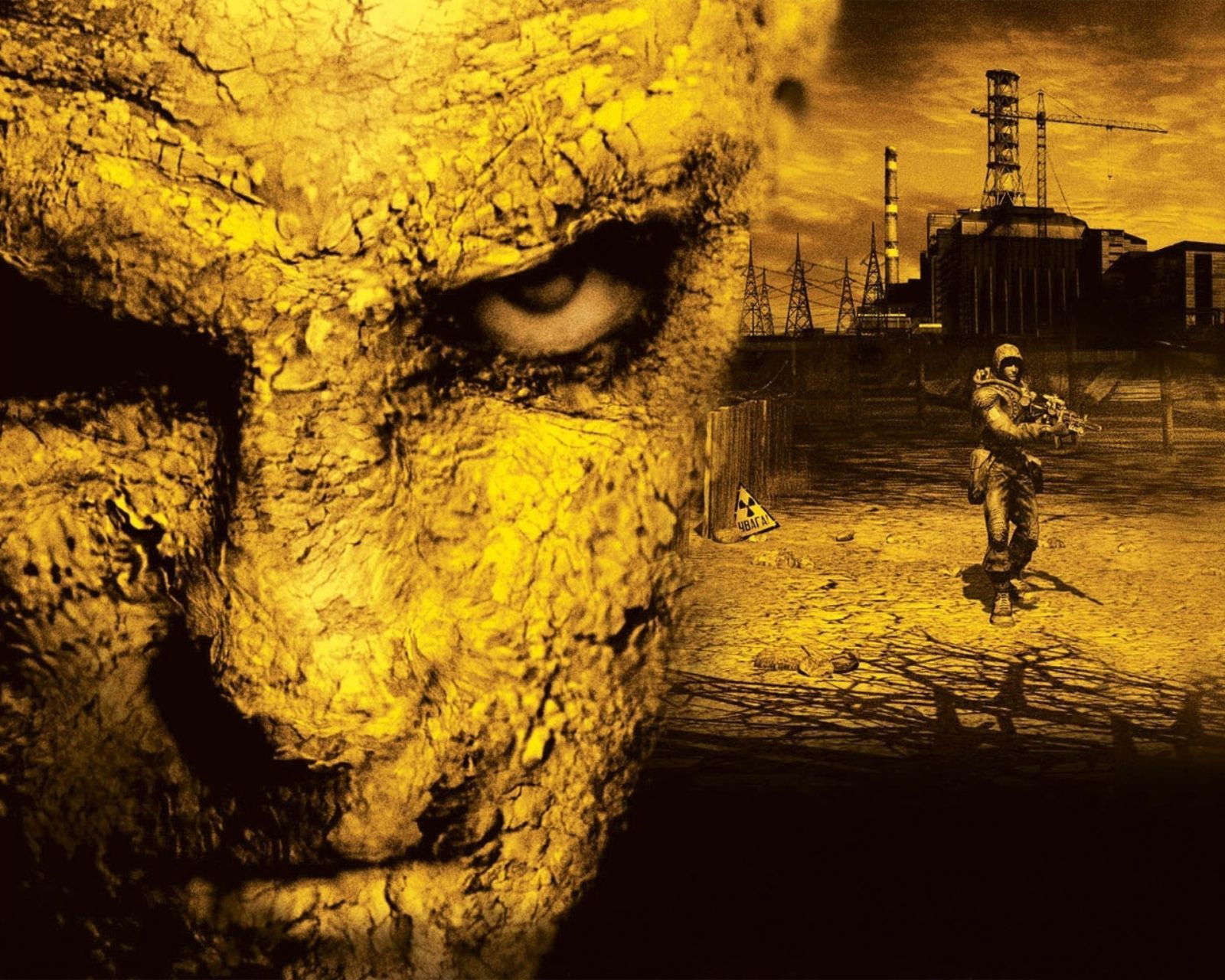
7. S.T.A.L.K.E.R.: Shadow of Chernobyl
This 2007 PC title plunged players into the desolate, dangerous Zone surrounding Chernobyl, offering a unique blend of survival horror, FPS, and open-world exploration. Its "A-Life" system created a dynamic, living ecosystem where factions and mutants interacted independently, crafting emergent narratives of struggle and desperation. The oppressive atmosphere and unforgiving realism redefined how post-apocalyptic settings could truly immerse and challenge players.
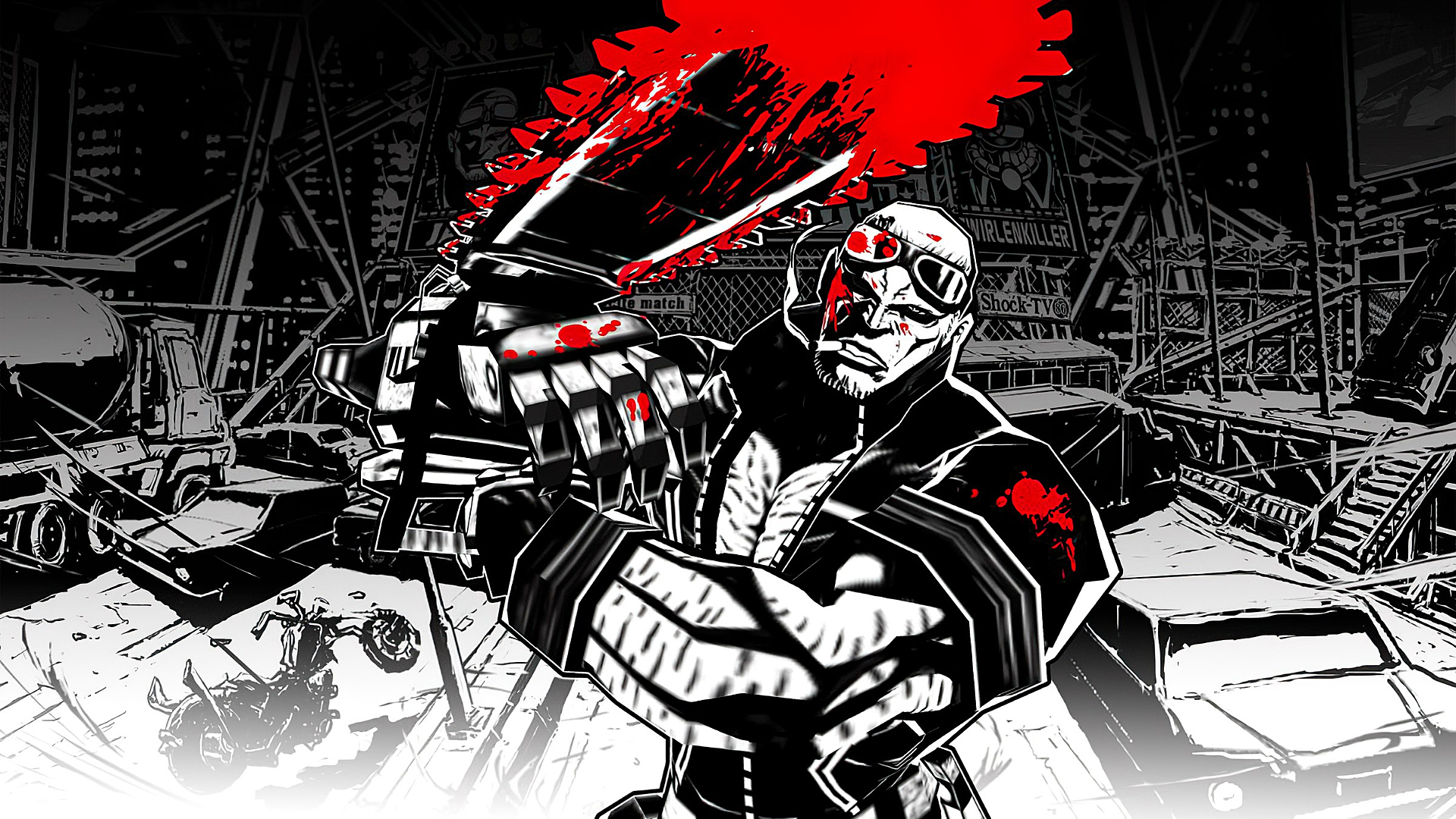
8. MadWorld
A stark contrast on the Wii in 2009, MadWorld presented extreme violence with a bold, black-and-white graphic novel aesthetic, splashed with vivid red. It was a brutal, over-the-top beat 'em up that dared to push boundaries on Nintendo's family-friendly console. The game's unique visual identity and satirical tone proved that mature content, when handled with artistic flair, could create a memorable and impactful experience, even if it alienated some.
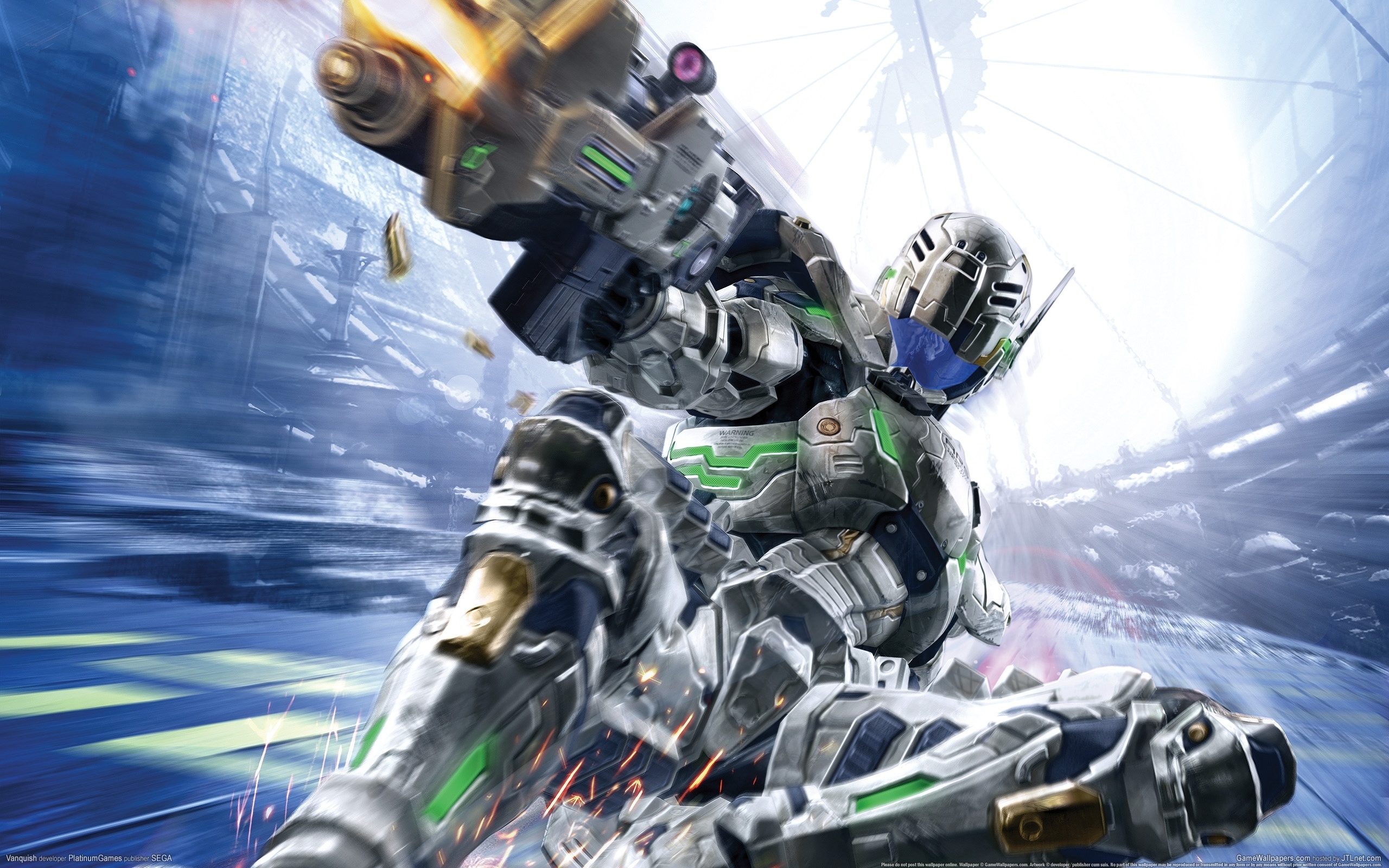
9. Vanquish
PlatinumGames' 2010 third-person shooter defined rapid, fluid action, introducing a groundbreaking boost-slide mechanic that transformed combat into a ballet of speed and destruction. Its frenetic pace, bullet-time flourishes, and emphasis on offensive maneuvers pushed the genre's boundaries, showcasing a uniquely Japanese approach to character action. Vanquish proved that innovation in movement and combat could elevate a seemingly straightforward shooter into an unforgettable, high-octane spectacle.
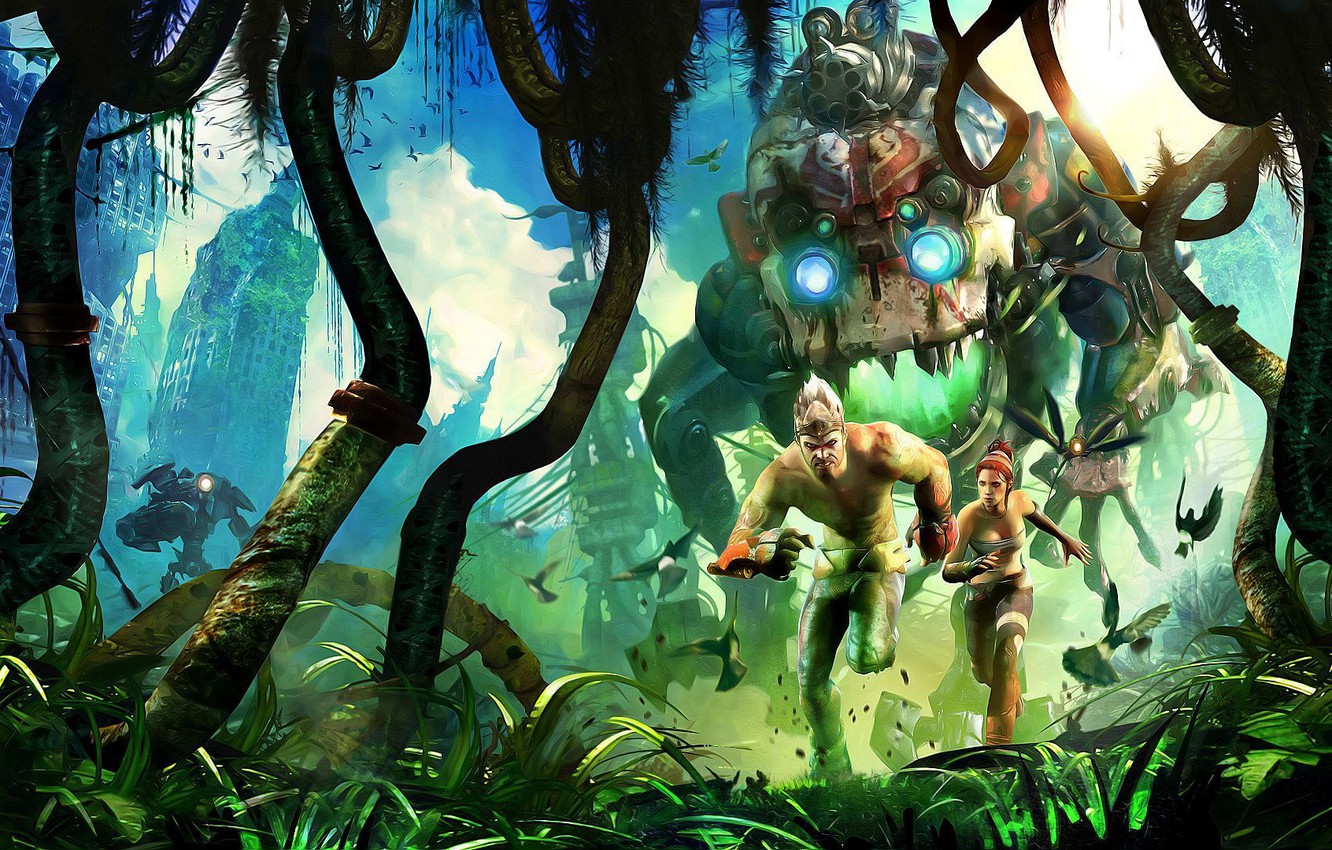
10. Enslaved: Odyssey to the West
Ninja Theory's 2010 action-adventure masterfully blended character-driven narrative with compelling platforming and combat in a breathtaking, post-apocalyptic America. Eschewing open-world trends, its linear design allowed for meticulously crafted set pieces and a strong focus on the evolving relationship between its two protagonists, Monkey and Trip. It demonstrated that a well-told story and engaging characters could create a powerful, emotional journey without needing sprawling sandbox environments.
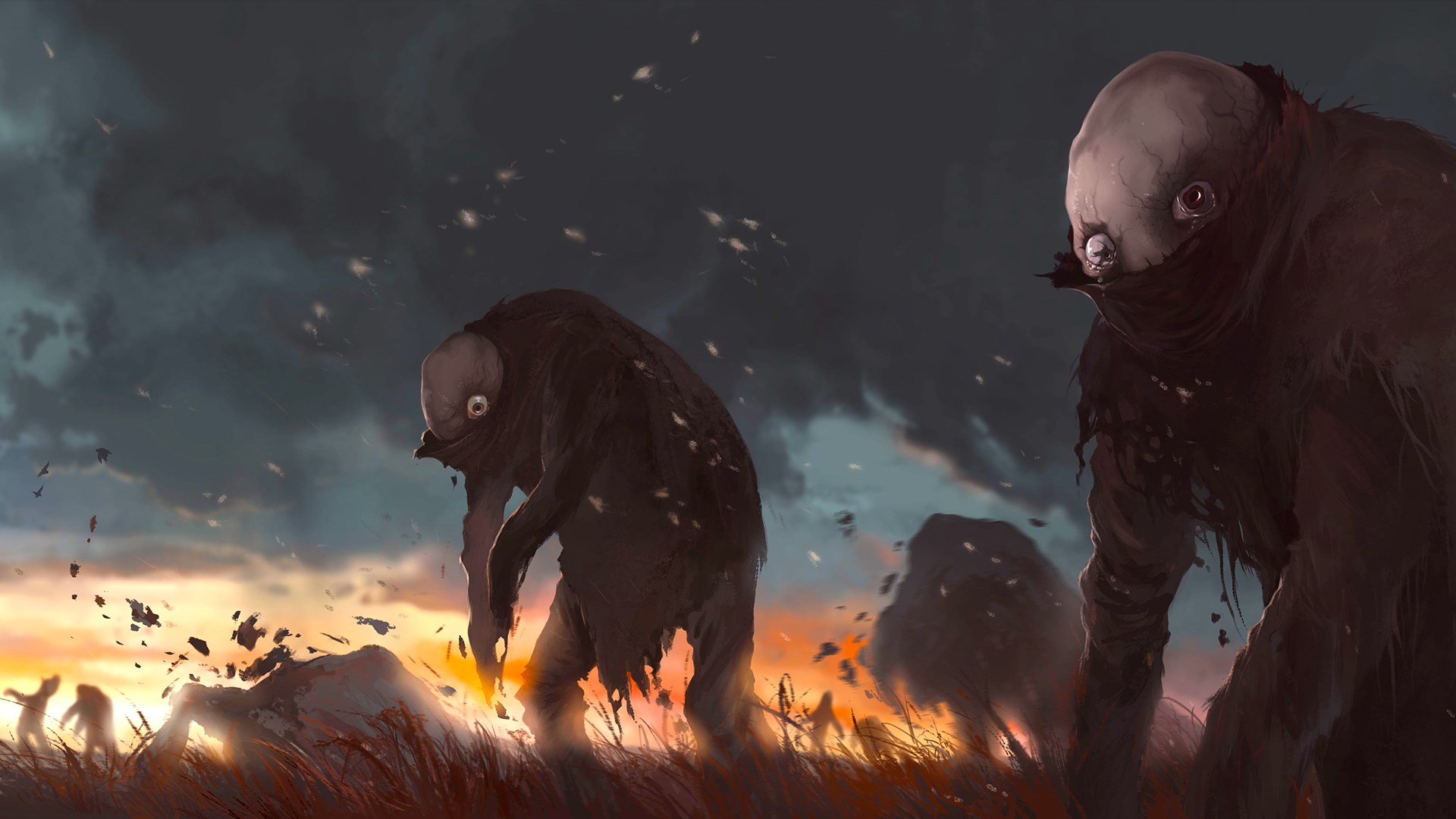
11. Pathologic 2
This 2019 survival horror experience is less a sequel and more a radical re-imagining, thrusting players into a plague-ridden town with constant, agonizing decisions. It's relentlessly bleak, punishing, and deliberately obtuse, forcing players to confront resource scarcity, moral compromises, and psychological decay. Pathologic 2 stands as a monumental work of experimental design, challenging players' expectations of what a game should be, creating an unforgettable, haunting narrative about humanity's limits.