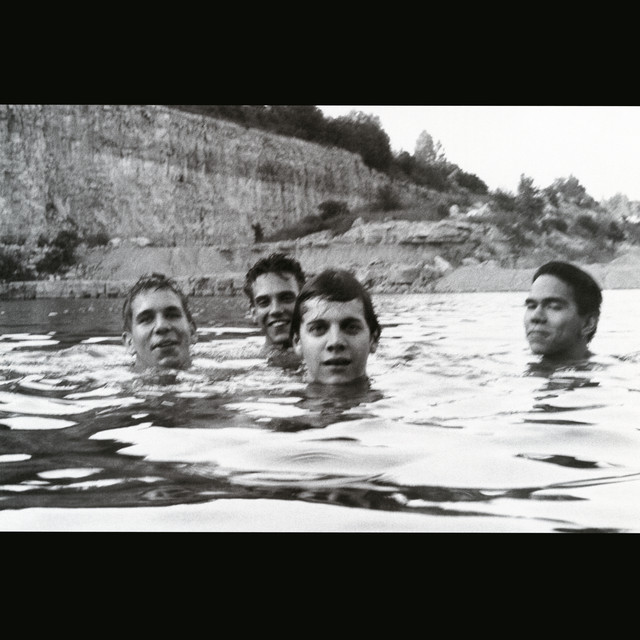
1. Spiderland
Slint's *Spiderland* isn't just a record; it’s a blueprint. Released when grunge was getting loud, this thing whispered its way into the canon. Those angular guitar lines, the hushed-then-howled vocals – it felt like a secret language. It showed how much tension you could wring from silence, how instrumental passages could carry more weight than any chorus. This was the quiet before the storm, or maybe, the storm that refused to make a sound until it truly mattered. Totally reset the board for what 'rock' could even be.
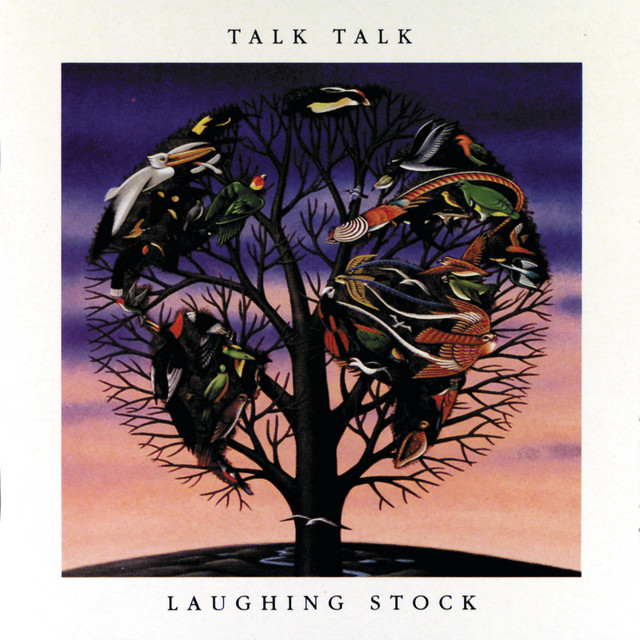
2. Laughing Stock
Talk Talk’s *Laughing Stock* felt less like an album and more like an archaeological dig into sound. Coming out of synth-pop, they stripped everything back, leaving only fragile, almost improvisational textures. The spaces between the notes were as crucial as the notes themselves, creating this profound, often unsettling atmosphere. It's an anti-record in a way, defying easy categorization, pushing the boundaries of what a band could do in a studio, becoming a touchstone for post-rock's expansive ambitions.
3. Hex
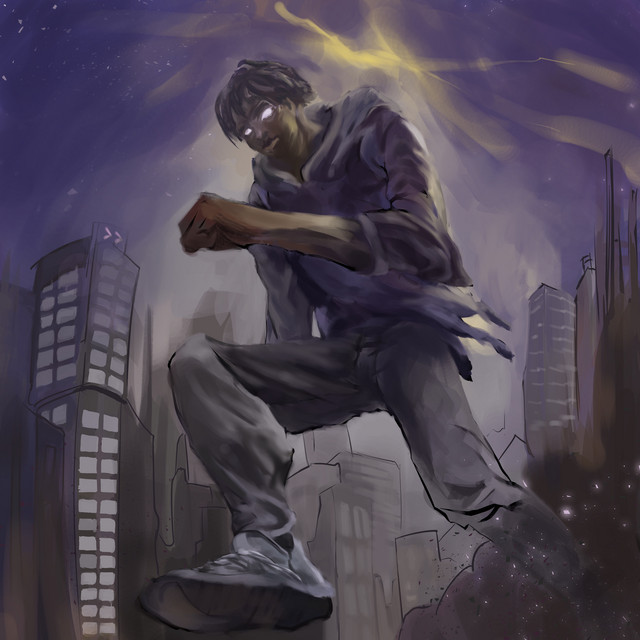
*Hex* is where 'post-rock' really found its name, even if the band hated it. Bark Psychosis took the quiet-loud dynamics of alt-rock and stretched them into vast, melancholic soundscapes. It’s a record that breathes, full of ghostly electronics, shimmering guitars, and vocals that feel like distant memories. This wasn't about riffs; it was about mood, about building entire worlds out of delicate layers. A slow burn that redefined atmospheric rock for the mid-90s, proving subtlety could be powerful.

4. 76:14
*76:14* felt like the future arrived early, a shimmering, expansive soundscape that redefined ambient electronic music. Global Communication crafted these long, evolving pieces that were both deeply soothing and intensely detailed. It wasn't just background music; it invited you to live inside its serene, digitally-rendered world. This album showed how electronic textures could be as emotionally resonant as any guitar riff, blurring lines between pure atmosphere and intricate, intelligent dance music. Essential listening for anyone trying to get lost.
5. Millions Now Living Will Never Die
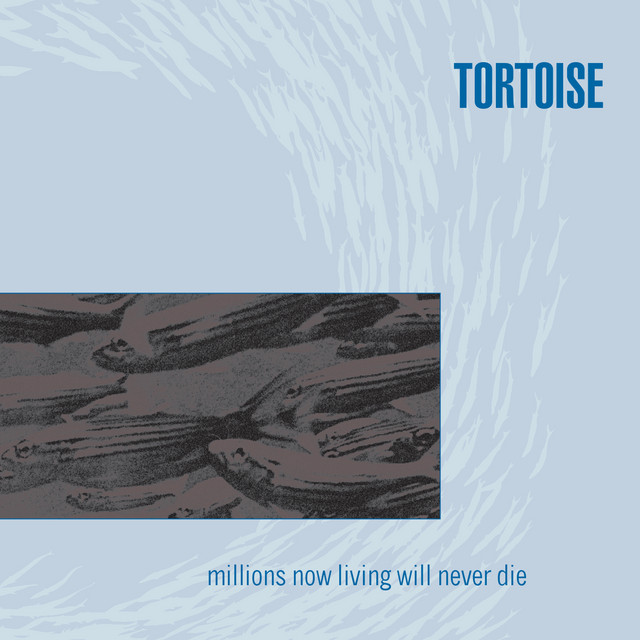
Tortoise took the instrumental rock idea and infused it with jazz precision, dub grooves, and electronic sensibilities on *Millions Now Living Will Never Die*. It’s a masterclass in rhythm, where every instrument contributes to a complex, interlocking whole. This wasn't just 'rock with no singing'; it was a new language, a sophisticated interplay that felt both organic and meticulously constructed. They proved that a band could be utterly compelling without a single word, redefining instrumental music for a new era.
6. In Sides
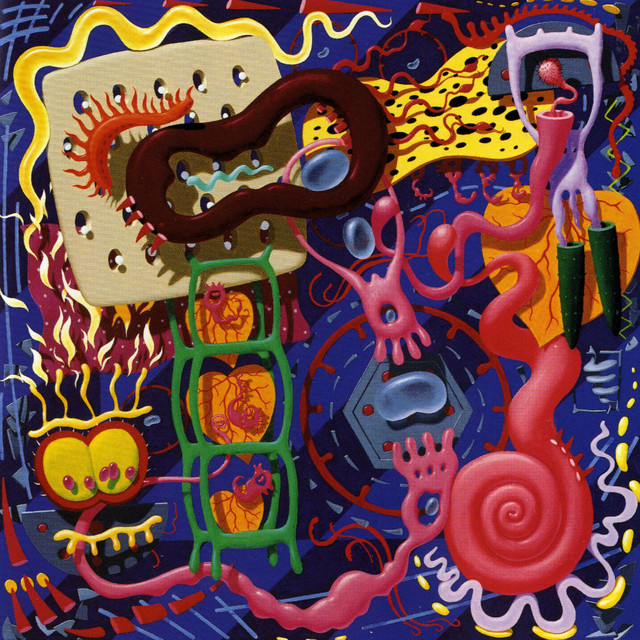
Orbital's *In Sides* felt like a journey, a panoramic electronic epic designed for stadium-sized raves or solitary late-night drives. They took the pulsing energy of dance music and injected it with cinematic scope and genuine emotional depth. Tracks like "The Box" unfolded with narrative complexity, building tension and release over sprawling durations. This wasn't just about beats; it was about storytelling through synthesized sound, showing how electronic music could be both intelligent and utterly exhilarating, a true landmark of its time.
7. Modus Operandi
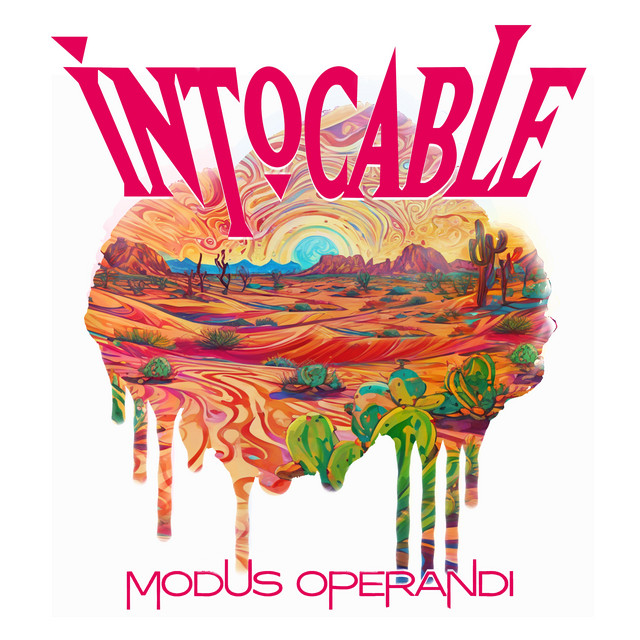
Photek's *Modus Operandi* took drum and bass out of the sweaty clubs and into a more cerebral, almost cinematic space. His intricate breakbeats, razor-sharp percussion, and deep, resonant basslines were technically astounding but never sterile. It felt like cybernetic jazz, a futuristic soundscape that was both intensely rhythmic and deeply atmospheric. This album proved D&B could be intellectual, challenging, and profoundly artistic, pushing the genre into sophisticated new territories for the digital age.
8. Not For Threes
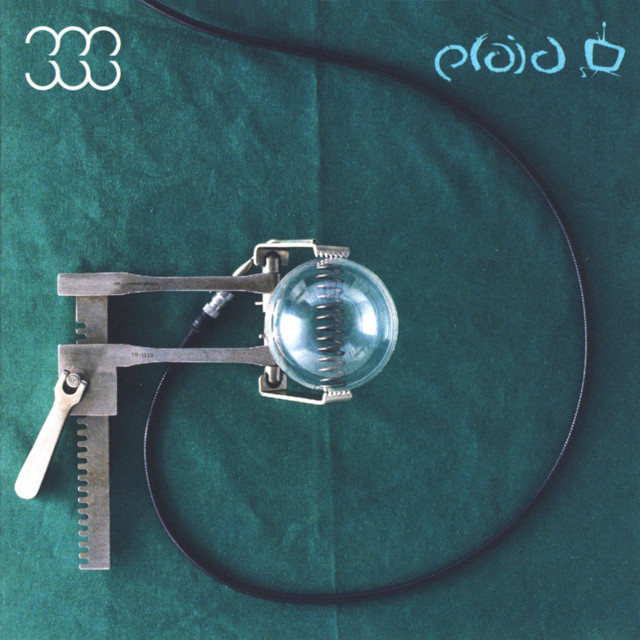
Plaid, coming from the Warp Records lineage, really solidified their unique blend of intricate rhythms and warm, melodic textures with *Not For Threes*. It’s an IDM gem that feels both playful and profound, like a beautifully coded dream. The beats are complex, almost mathematical, but always serve the lush, inviting atmosphere. This album showed how electronic music could be incredibly detailed without losing its soul, crafting emotional landscapes from precise digital architecture. A true headphones record.
9. Music Has The Right To Children
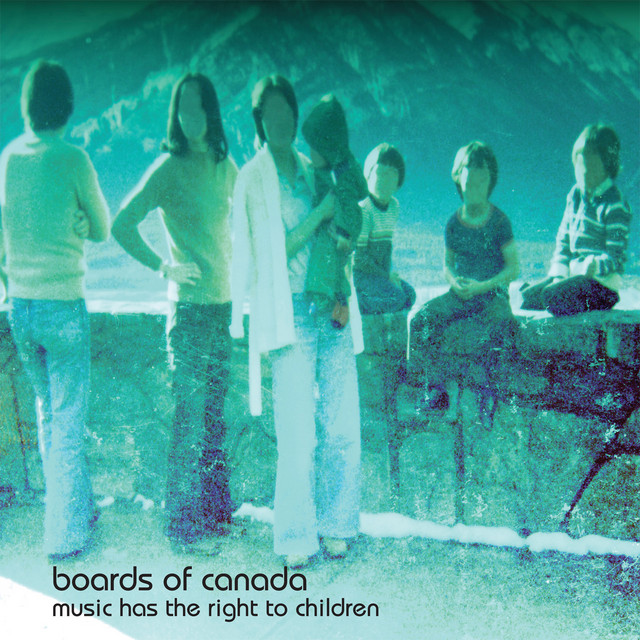
Boards of Canada's *Music Has The Right To Children* was like stumbling upon forgotten VHS tapes from a lost childhood. Their signature sound—warped analog synths, dusty samples, and hazy, nostalgic melodies—created an utterly unique sonic universe. It felt both familiar and strangely alien, invoking a powerful sense of melancholic wonder. This album proved that electronic music could be deeply personal and evoke profound emotional resonance, capturing a strange, digital-era wistfulness unlike anything before it.

10. Philophobia!
Arab Strap’s *Philophobia!* was raw, intimate, and unflinchingly honest, a stark contrast to the Britpop exuberance of the late '90s. Aidan Moffat's deadpan, spoken-word delivery over Malcolm Middleton's sparse, often melancholic guitar lines felt like eavesdropping on incredibly personal conversations. It wasn't about anthems; it was about the mundane, the messy, and the painfully real. This album showed that indie rock could be powerfully affecting by simply telling uncomfortable truths, carving out its own niche.

11. The For Carnation
The For Carnation's self-titled album, arriving at the turn of the millennium, felt like the culmination of everything quiet and atmospheric that had been brewing. It's a masterclass in restraint, building immense tension from subtle shifts, hushed vocals, and sprawling, patient arrangements. The guitars shimmer, the drums echo, and every note feels meticulously placed. It’s a deeply immersive, almost spiritual experience, proving that true power in rock didn't always need volume, just profound emotional depth and careful orchestration.