

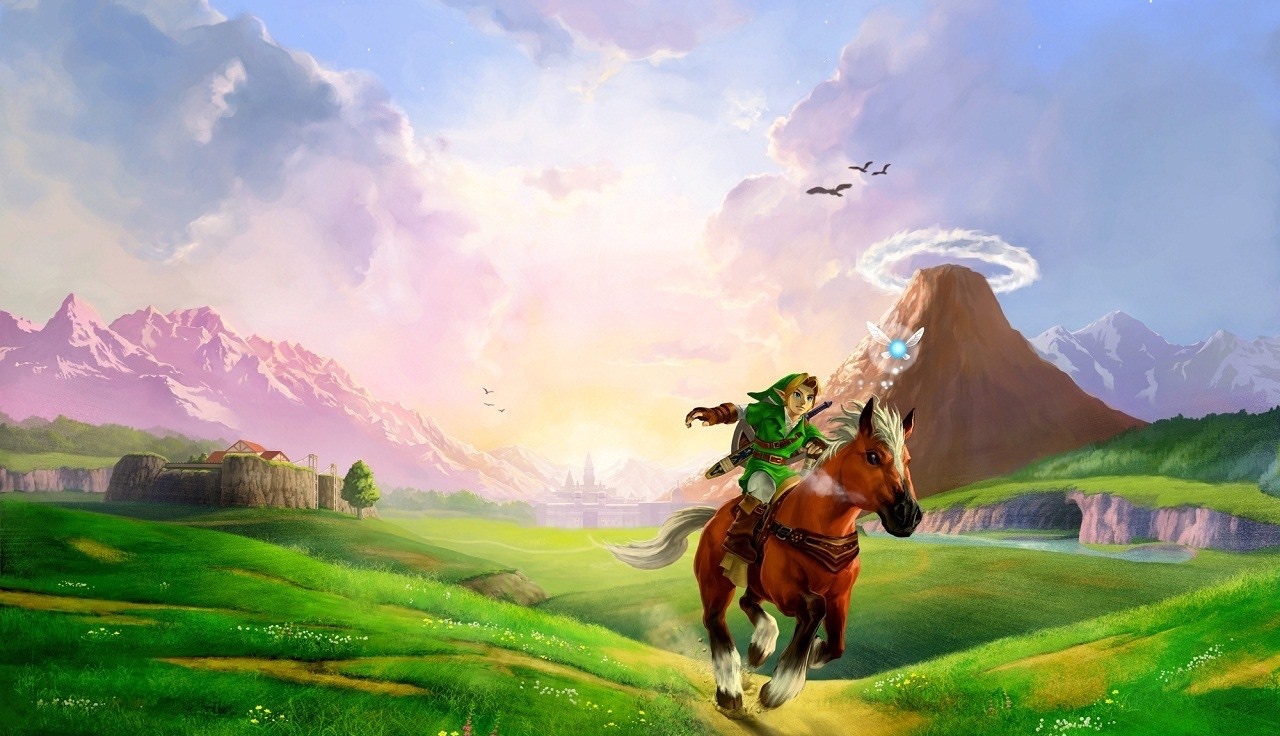
1. The Legend of Zelda: Ocarina of Time
This game wasn't just a fantasy adventure; it was a masterclass in 3D world design and narrative pacing. It established fundamental mechanics, like Z-targeting, that became industry standards. Players weren't merely controlling Link; they were inhabiting Hyrule, experiencing a profound sense of discovery and emotional connection. The shift from childhood innocence to a darker, adult journey resonated deeply, cementing its legacy as a pivotal moment in interactive storytelling. It really showed what a console could do.
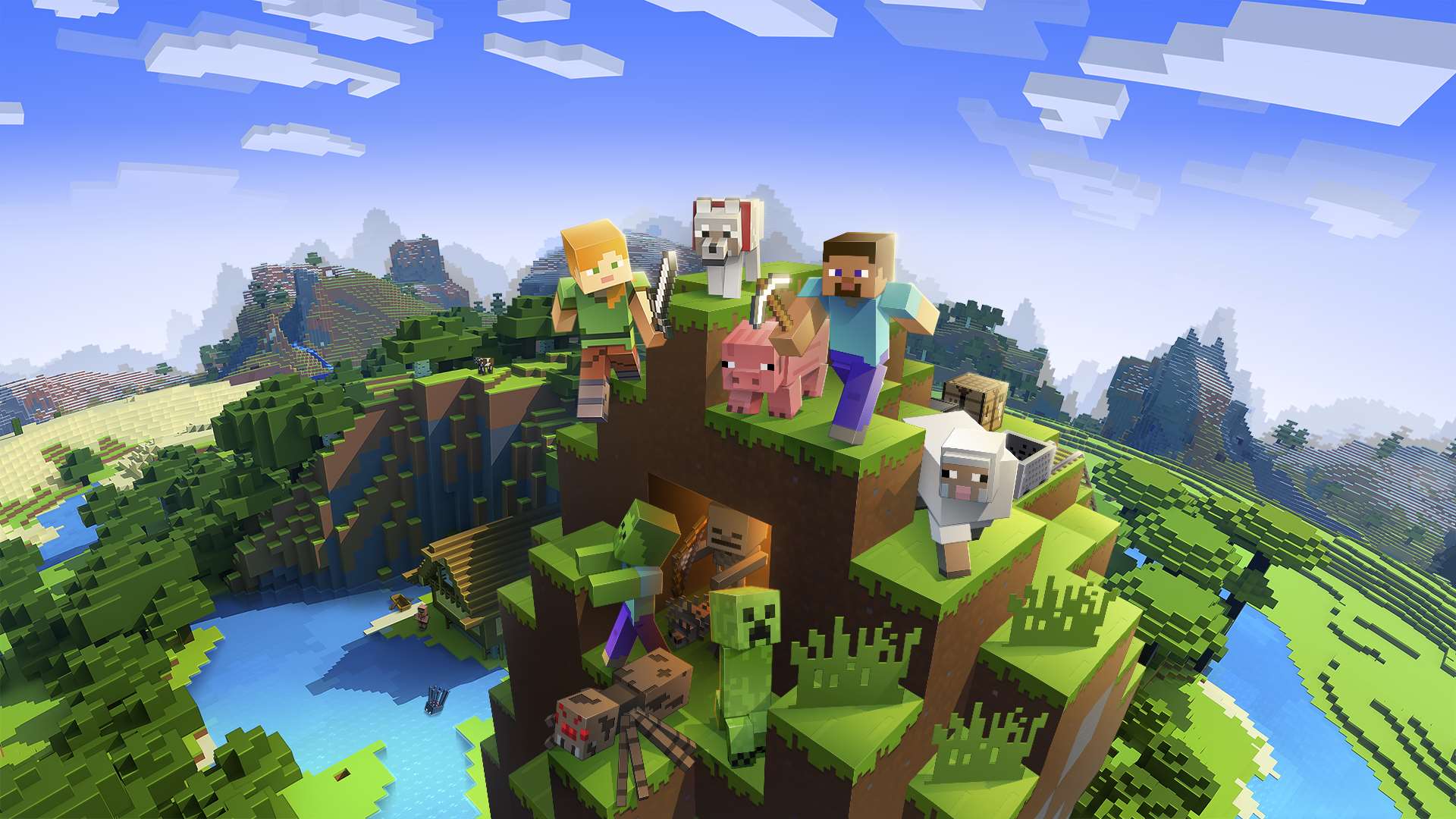
2. Minecraft
Minecraft emerged as a cultural phenomenon, redefining what a "game" could be. Its blocky aesthetic belied a profound freedom, offering an infinite canvas for creation, exploration, and community building. It democratized game design, turning millions into architects, engineers, and storytellers within its boundless worlds. The game’s simple premise fostered unparalleled creativity, transcending age barriers and influencing education, media, and even real-world design principles. It proved that sometimes less graphical fidelity means more imaginative potential.
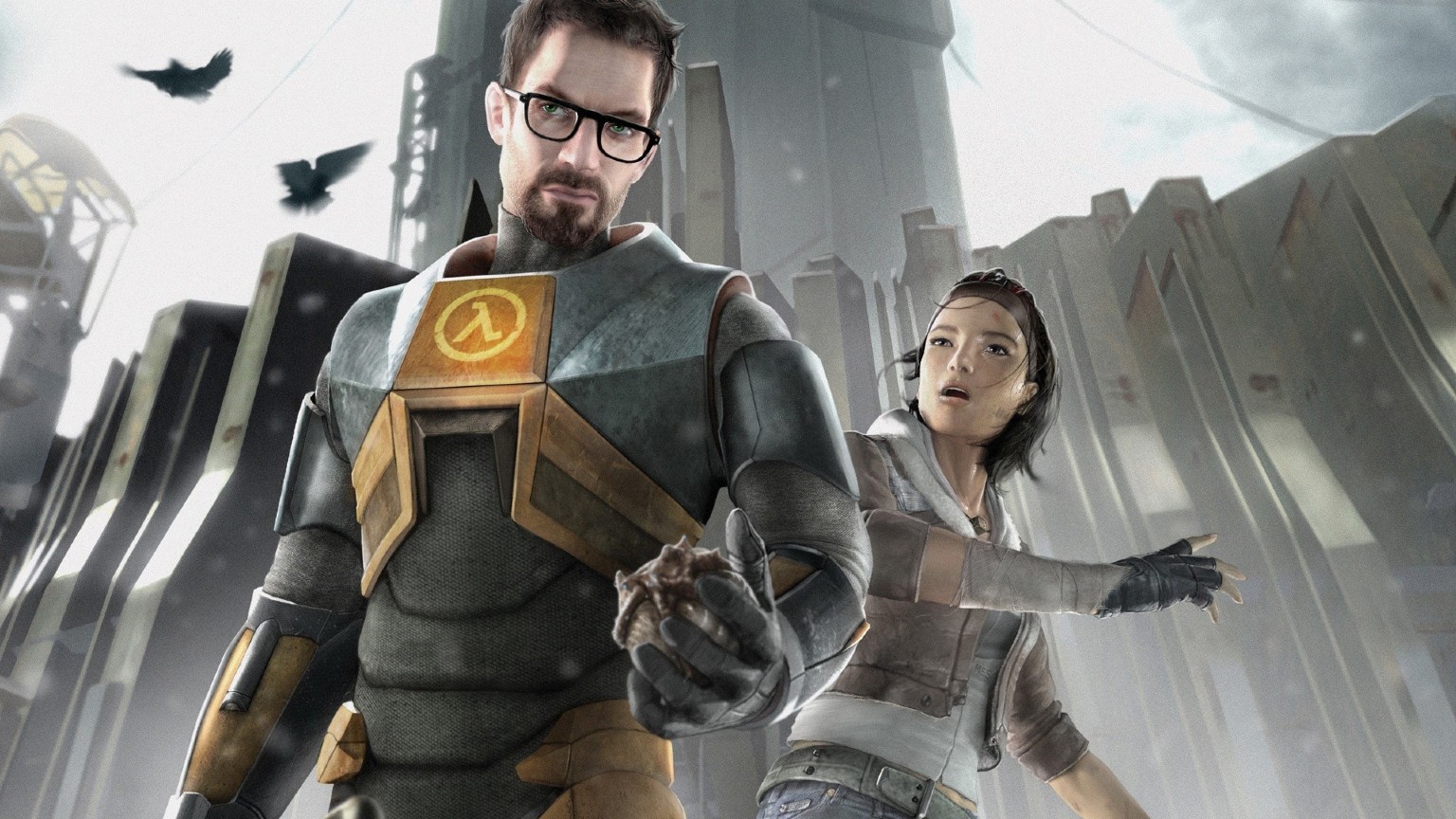
3. Half-Life 2
Half-Life 2 pushed the boundaries of interactive narrative and physics-based gameplay. Its advanced Source engine created a believable, oppressive world, while the gravity gun became an iconic tool for both combat and puzzle-solving. The silent protagonist, Gordon Freeman, allowed players to fully inhabit his role within a masterfully crafted dystopian saga. It set a new benchmark for environmental storytelling and cinematic ambition in first-person shooters, proving that deep lore and innovative mechanics could coexist seamlessly.

4. World of Warcraft
World of Warcraft didn't just popularize the MMORPG; it defined an era. Its vast, evolving world, intricate lore, and compelling social dynamics fostered communities that rivaled real-world towns. It was a digital second life for millions, where epic quests, raid progression, and player interaction created an unparalleled sense of belonging and achievement. The game’s continuous evolution and cultural impact extended far beyond gaming, influencing popular culture and demonstrating the immense power of persistent online worlds.

5. Super Mario 64
Super Mario 64 wasn't just a launch title; it was a blueprint for 3D platforming. It liberated players from the 2D plane, introducing a dynamic camera and intuitive controls that made exploring vast, vibrant worlds a joy. Its innovative level design, hidden secrets, and pure, unadulterated fun set the standard for generations of adventure games. Mario’s leap into the third dimension was a revolutionary moment, proving that classic franchises could reinvent themselves with groundbreaking success.

6. Tetris (1984)
Tetris, in its pure, abstract form, remains a timeless masterpiece of design. Its simple premise—fit falling blocks together—masks a profound psychological depth and addictive quality. It transcended language barriers and hardware limitations, becoming one of the most ubiquitous games ever created. The game’s elegant mechanics proved that compelling gameplay doesn't require elaborate graphics or complex narratives, only perfect execution of a core idea. It's a testament to universal appeal and minimalist genius.

7. DOOM (2016)
DOOM (2016) wasn't a nostalgia trip; it was a brutal, exhilarating resurrection. It reimagined the classic FPS formula for a modern audience, focusing on relentless, aggressive combat and a kinetic "push-forward" design. The game's visceral glory kills, heavy metal soundtrack, and unapologetic power fantasy delivered an adrenaline-fueled experience that felt both fresh and deeply familiar. It reminded the industry that sometimes, the best way forward is to embrace your roots with unapologetic ferocity.

8. Grand Theft Auto V
Grand Theft Auto V is a sprawling satire and a technical marvel, crafting an open world of unprecedented scale and detail. Its intertwining narrative, featuring three distinct protagonists, offered a unique perspective on modern American ambition and dysfunction. Beyond the main story, its thriving online component, GTA Online, created a persistent, evolving digital playground. It proved that games could be both biting social commentary and massive entertainment platforms, continuously adapting and growing.
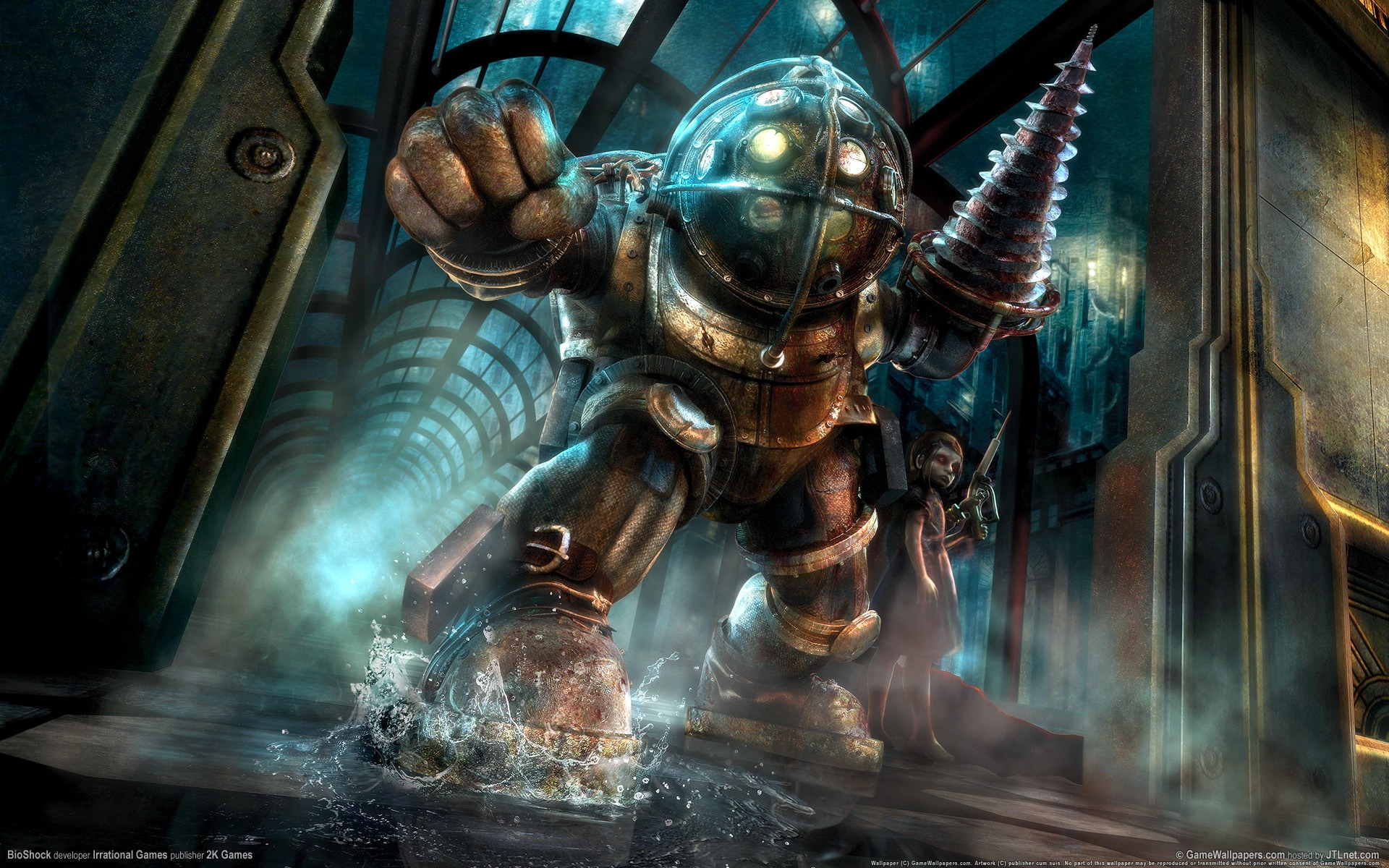
9. BioShock
BioShock wasn't merely a shooter; it was an atmospheric, philosophical journey into a crumbling utopia. Its art deco aesthetic, objectivist themes, and memorable characters created a world dripping with personality and moral ambiguity. The game masterfully blended action with environmental storytelling, prompting players to question their agency and the nature of power. It stood as a towering example of how games could deliver profound narratives and thought-provoking ideas within a compelling action framework.
10. Elden Ring
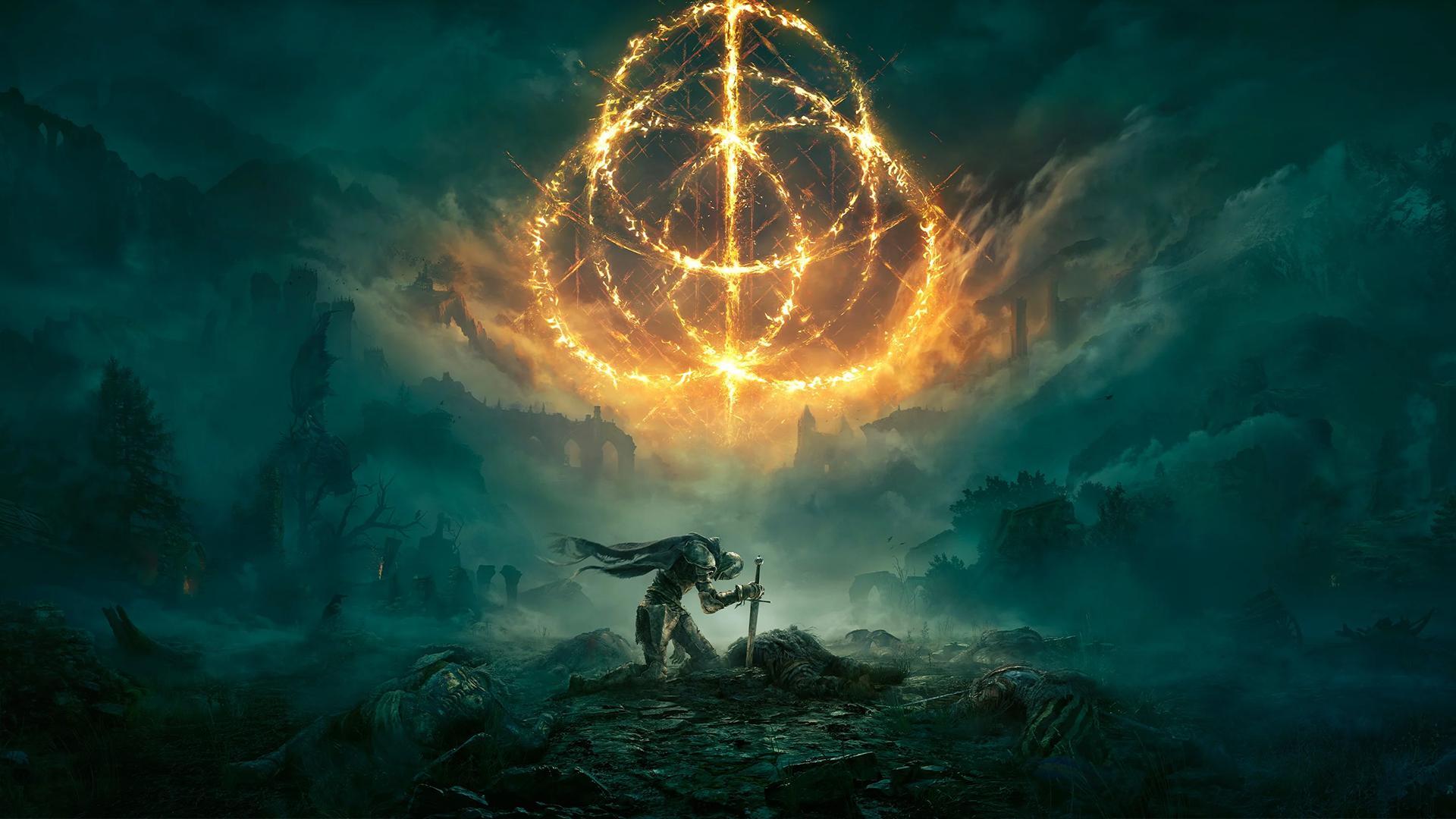
Elden Ring took the formidable challenge of FromSoftware's Souls-like formula and seamlessly integrated it into a breathtaking open world. Its sense of discovery, epic boss battles, and enigmatic lore captivated millions, offering an unparalleled freedom of exploration alongside the signature difficulty. The game proved that punishing combat and expansive environments could coexist beautifully, inviting players to truly earn their victories in a meticulously crafted, melancholic landscape. It's a modern masterpiece of design.

11. Disco Elysium
Disco Elysium redefined the RPG genre by eschewing traditional combat for a deep, branching narrative driven entirely by dialogue, skill checks, and internal monologues. Players navigated a broken detective's psyche and a politically charged city, making choices with profound and often hilarious consequences. Its richly written world, philosophical depth, and unique skill system offered an unparalleled level of player expression and introspection, proving that storytelling and character development could be the ultimate gameplay mechanics.