1 / 11
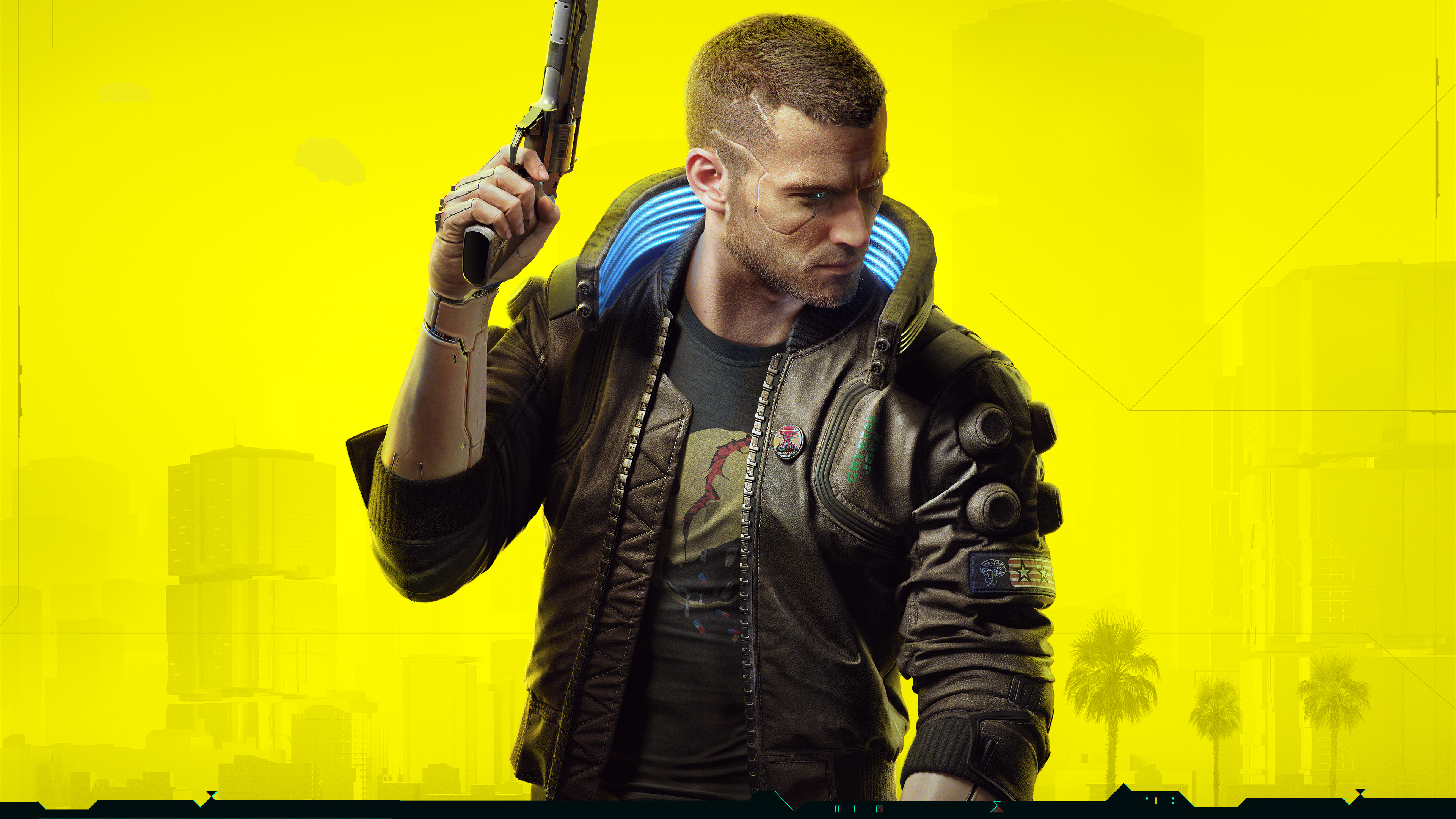
1. Cyberpunk 2077
Remember the hype? Years of build-up for Night City, a truly ambitious RPG. But then it launched, a broken mess on last-gen consoles, riddled with bugs, and missing promised features. It felt like CD Projekt Red sold us a dream they hadn't actually built yet, pushing out a game that simply wasn't ready. Even with the eventual fixes and updates, that initial sting of corporate overreach and mismanagement left a permanent mark. It's a fantastic game *now*, but the launch was a betrayal.
2 / 11
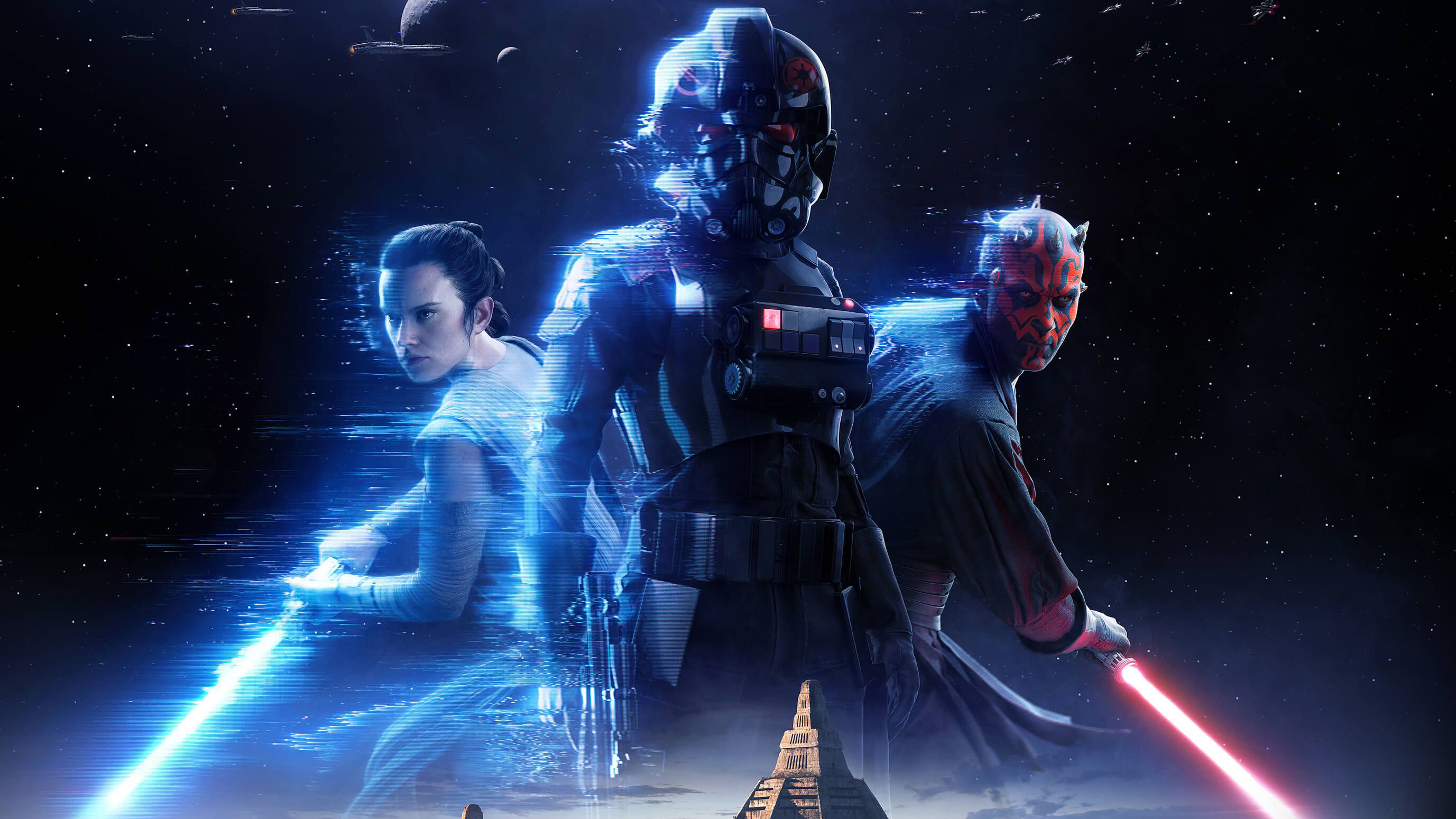
2. STAR WARS Battlefront II
Oh, Battlefront II. The game that practically invented the modern loot box outrage. EA's aggressive monetization, locking iconic Star Wars characters behind absurd grind walls or paywalls, felt like a cynical cash grab. It wasn't about player enjoyment; it was about maximizing profit from fan loyalty. The game itself had potential, but the progression system was so fundamentally broken by corporate greed that it overshadowed everything, forcing a massive, industry-changing backlash. A prime example of how not to treat your players.
3 / 11
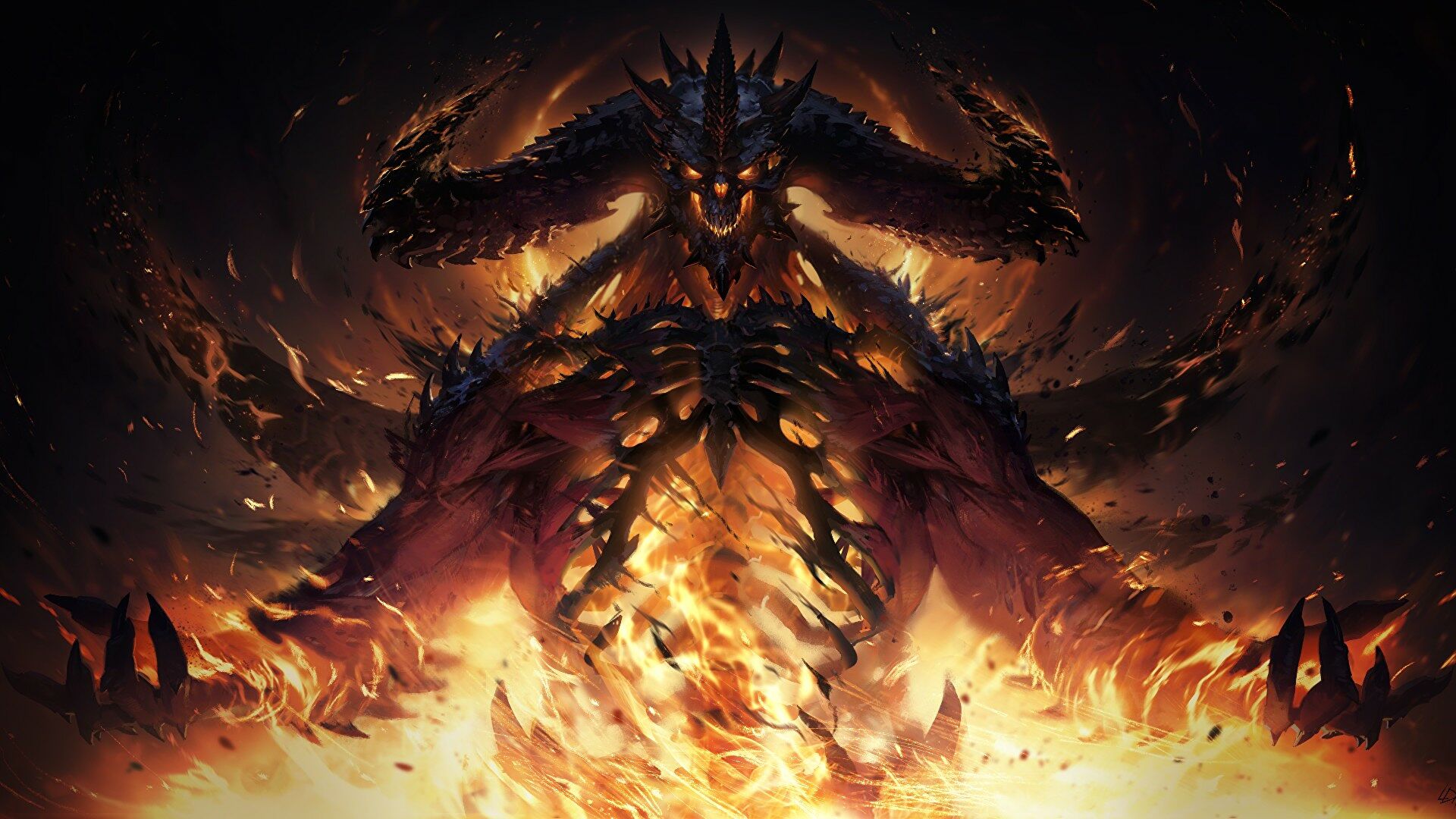
3. Diablo: Immortal
When Blizzard announced Diablo: Immortal for mobile, the collective groan was deafening. 'Do you guys not have phones?' became the infamous meme. This wasn't the Diablo fans wanted; it was a transparent, predatory mobile cash cow with gacha mechanics and absurd monetization designed to exploit whales. It actively undermined the goodwill of a beloved franchise, prioritizing profit over player experience. The core gameplay loop was decent, but the corporate overlords ensured it was buried under layers of cynical monetization.
4 / 11
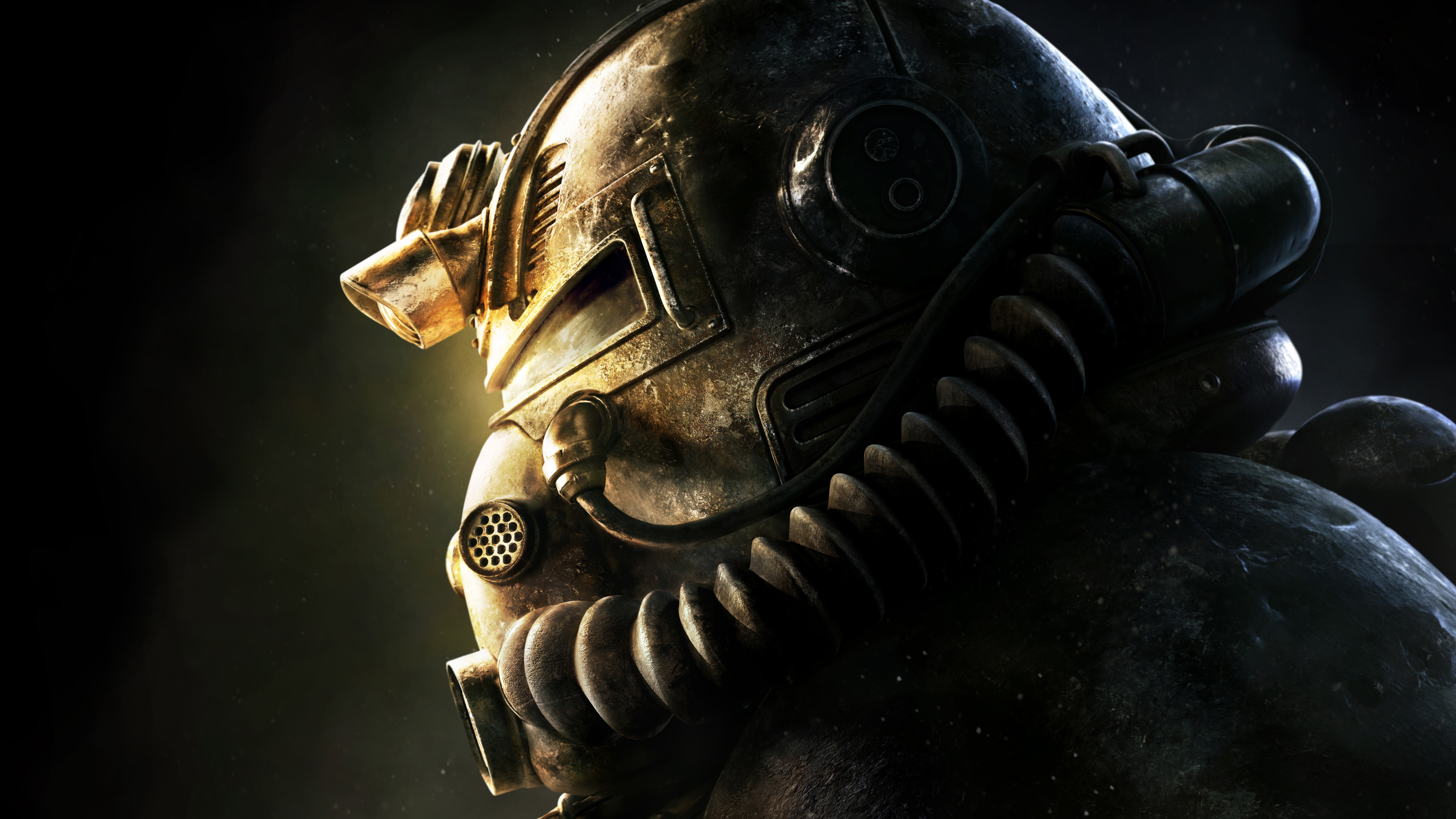
4. Fallout 76
Bethesda, we trusted you with our post-apocalyptic fantasies. Fallout 76 promised a new multiplayer frontier, but delivered a buggy, empty wasteland. Launch issues were just the start; then came the Canvas Bag debacle, the Nuka-Cola Dark fiasco, and the introduction of a paid subscription service, Fallout 1st, after promising free content. It felt like a company, lost in its own ambition, constantly trying to milk its fanbase while delivering a subpar experience. The turnaround has been impressive, but the initial taste was bitter.
5 / 11
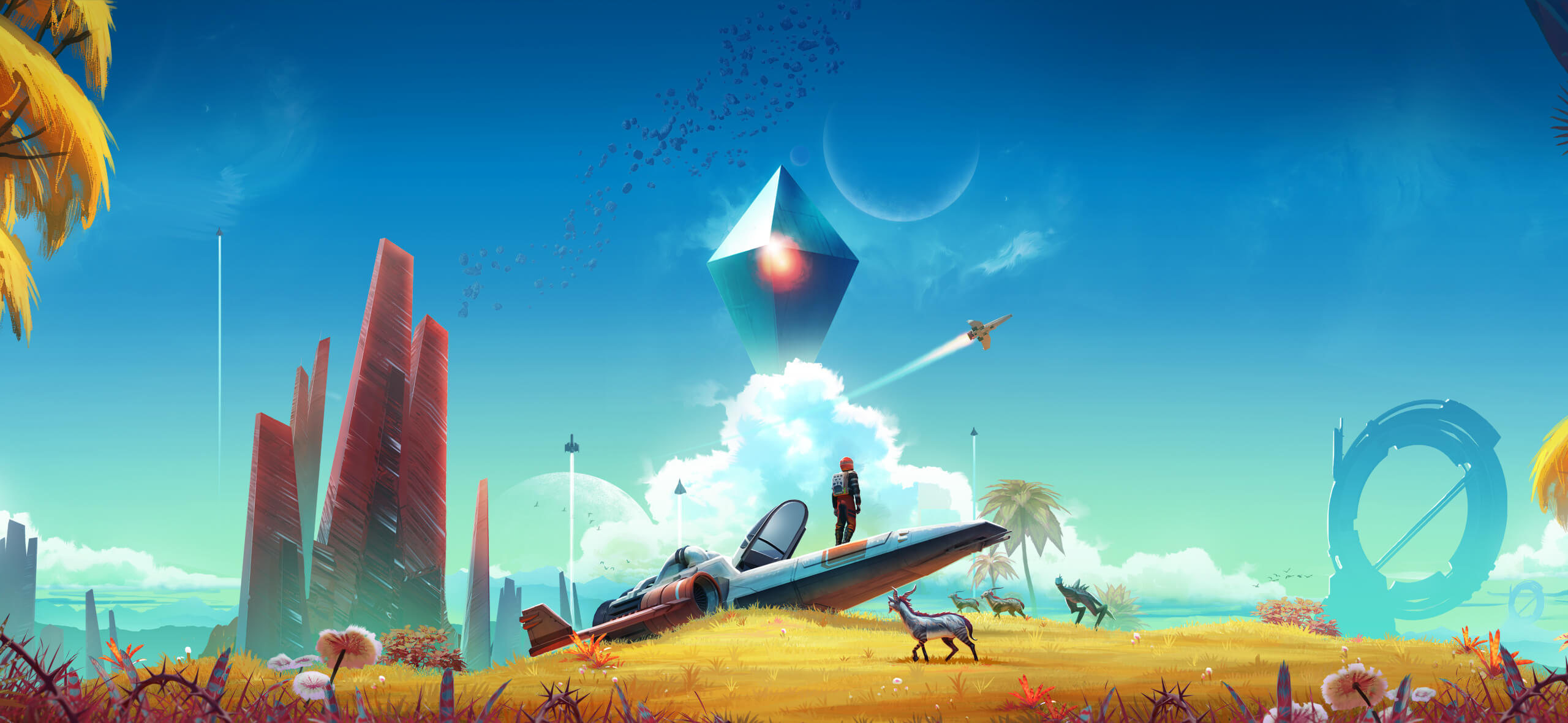
5. No Man's Sky
Remember the E3 promises? A universe of infinite possibilities! Sean Murray's enthusiasm was infectious. Then No Man's Sky launched, and the reality was a barren, repetitive experience missing core features like multiplayer and diverse planetary life. It felt like a bait-and-switch, a product of over-promising and under-delivering, likely driven by publisher pressure. Hello Games eventually redeemed themselves with years of free updates, but the initial launch was a stark reminder of unchecked hype and corporate marketing going too far.
6 / 11
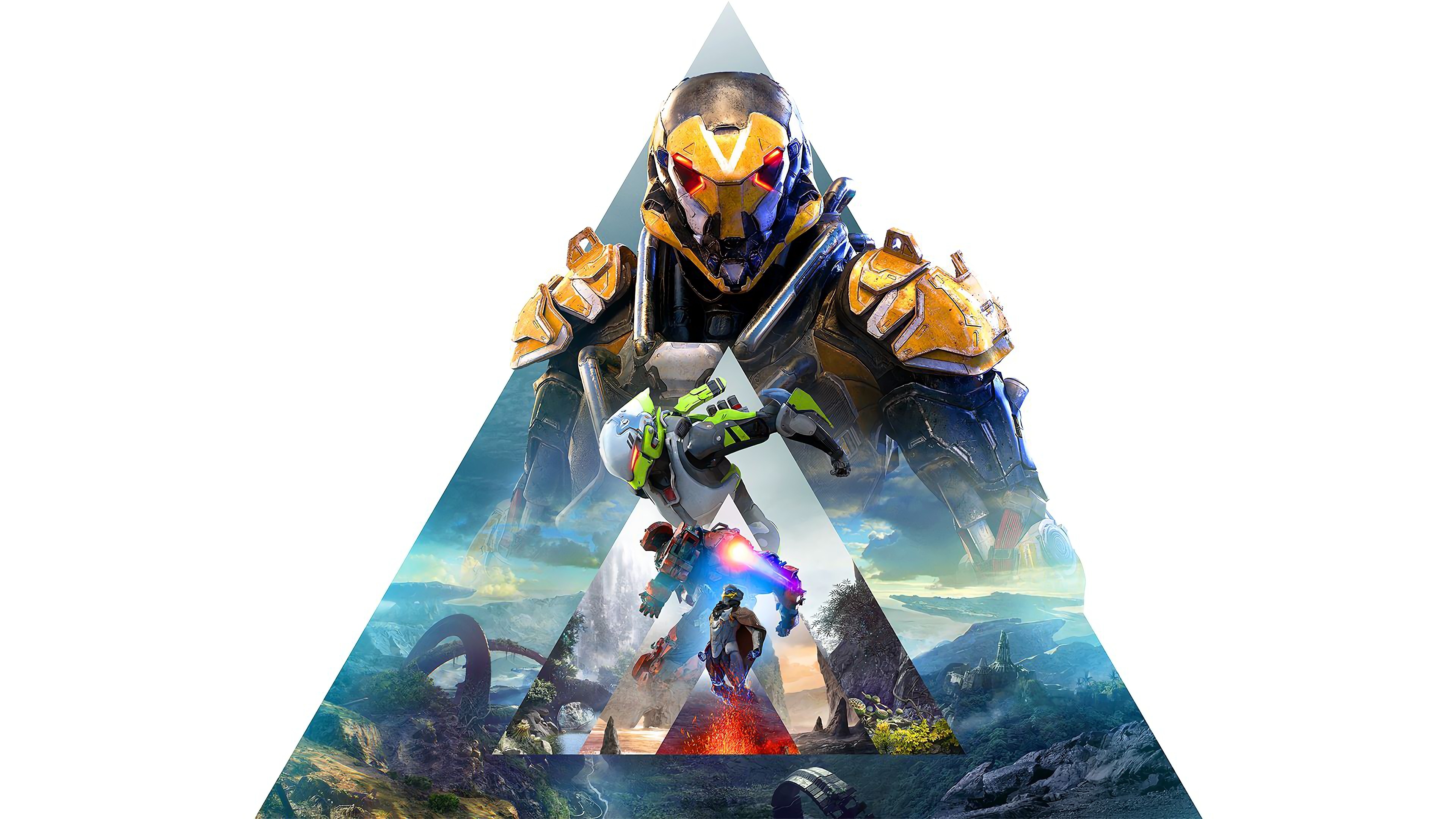
6. Anthem
BioWare, once a titan of RPGs, delivered Anthem – a hollow, live-service shooter trying to chase the Destiny dollar. Development was reportedly chaotic, a constant struggle against a flawed engine and corporate mandates. The game felt unfinished, repetitive, and lacked the narrative depth BioWare was known for. It was a clear example of a storied studio being pushed into an unsuitable genre, resulting in a beautiful but ultimately lifeless product, a casualty of chasing trends over creative vision.
7 / 11
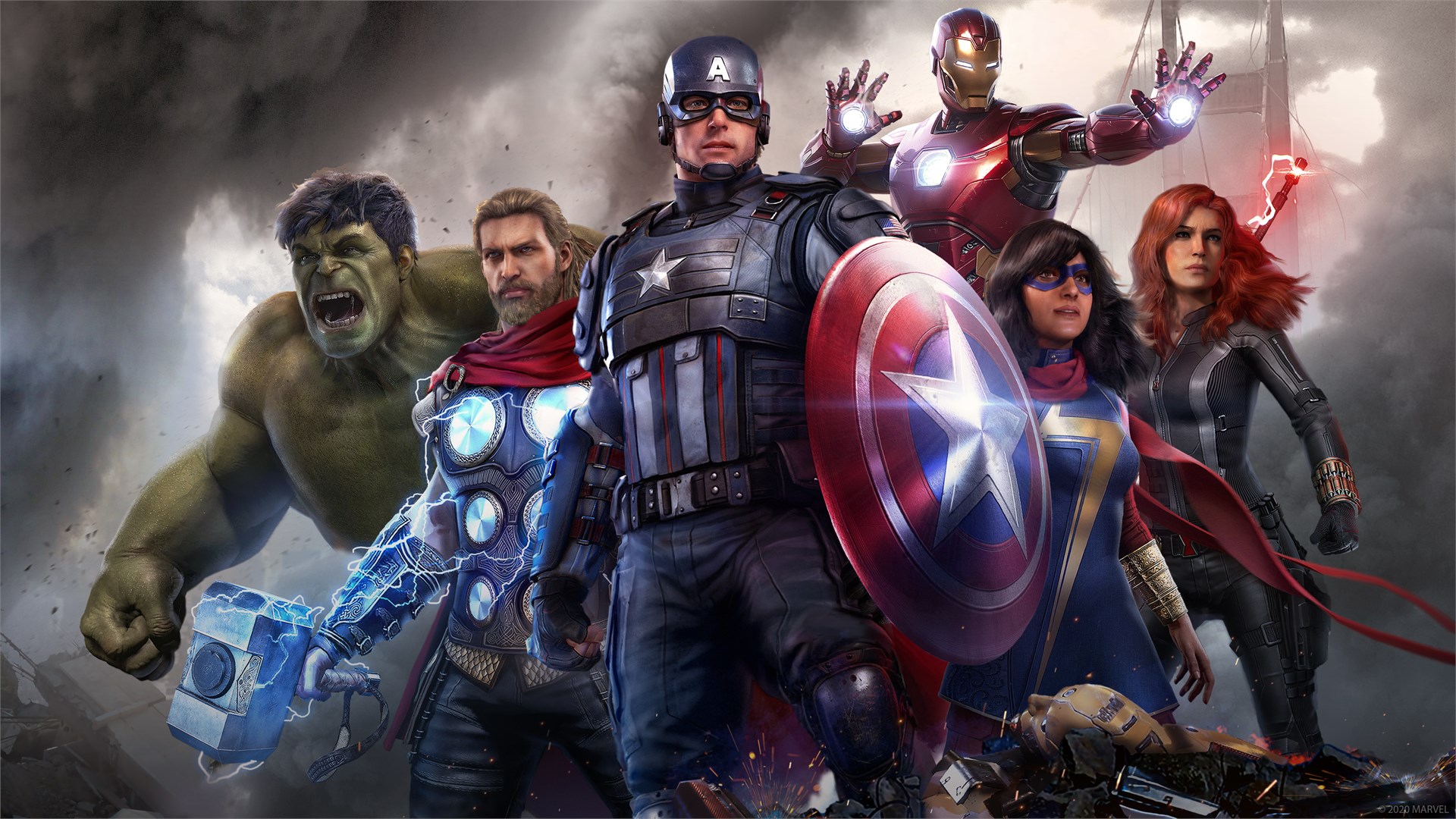
7. Marvel’s Avengers
A Marvel game by Square Enix and Crystal Dynamics? Sounds amazing, right? Except Marvel's Avengers launched as a repetitive, grindy live-service title with an identity crisis. The single-player campaign was decent, but the endgame was a shallow, microtransaction-laden mess. It felt like corporate demanded a "games as a service" model, shoehorning beloved characters into a framework that didn't fit, diluting the potential for a truly heroic experience with endless, unrewarding busywork and cosmetic shops.
8 / 11
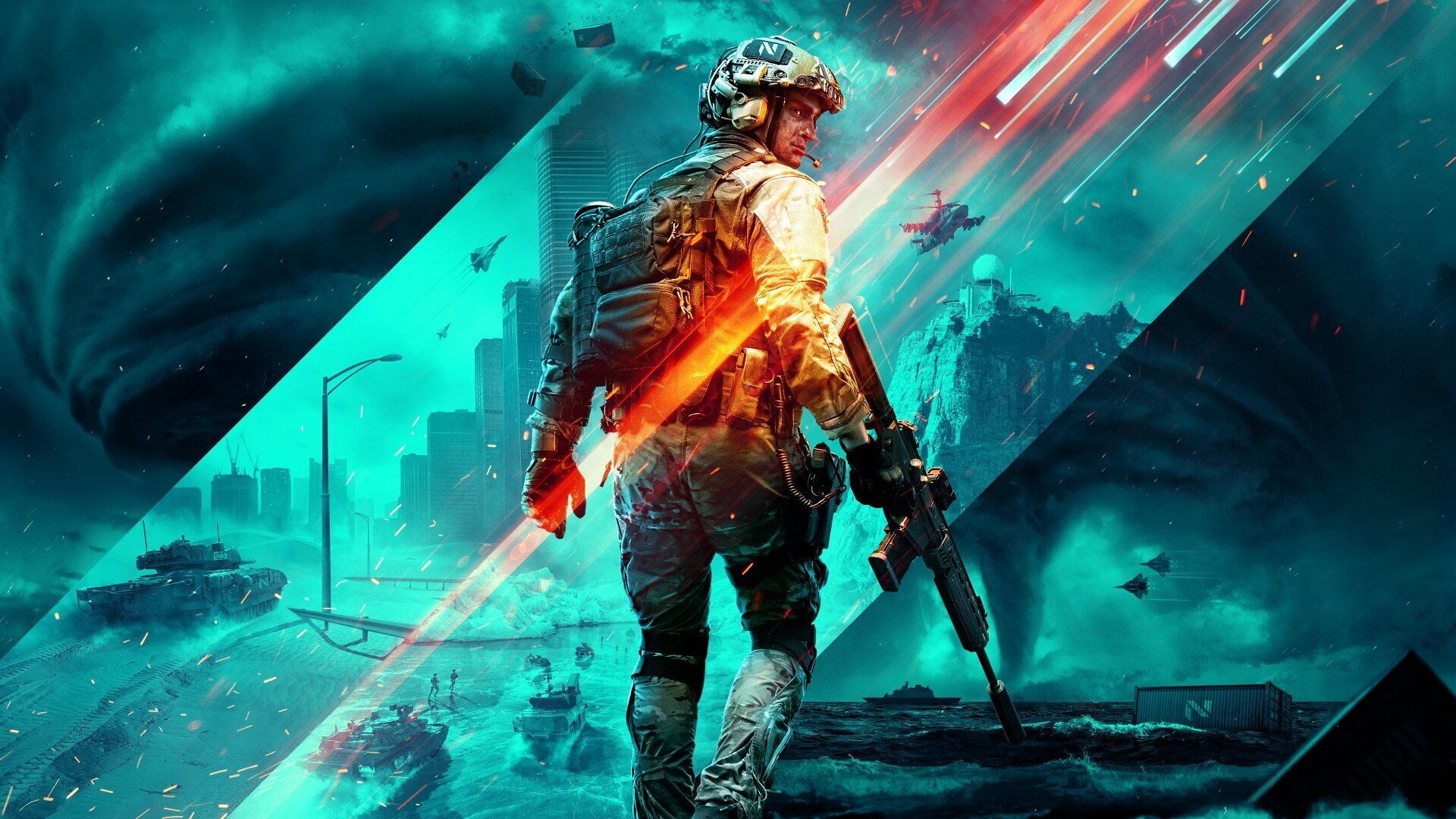
8. Battlefield 2042
Battlefield 2042 was supposed to be the triumphant return of large-scale warfare. Instead, it launched as a technical disaster, stripped of core features like a traditional scoreboard and class system, and riddled with bugs. It felt like a rushed product, pushed out to meet a deadline, sacrificing player experience for release schedules. The lack of basic functionalities and questionable design choices, like specialists over classes, screamed of a development process dictated by corporate metrics rather than player fun.
9 / 11
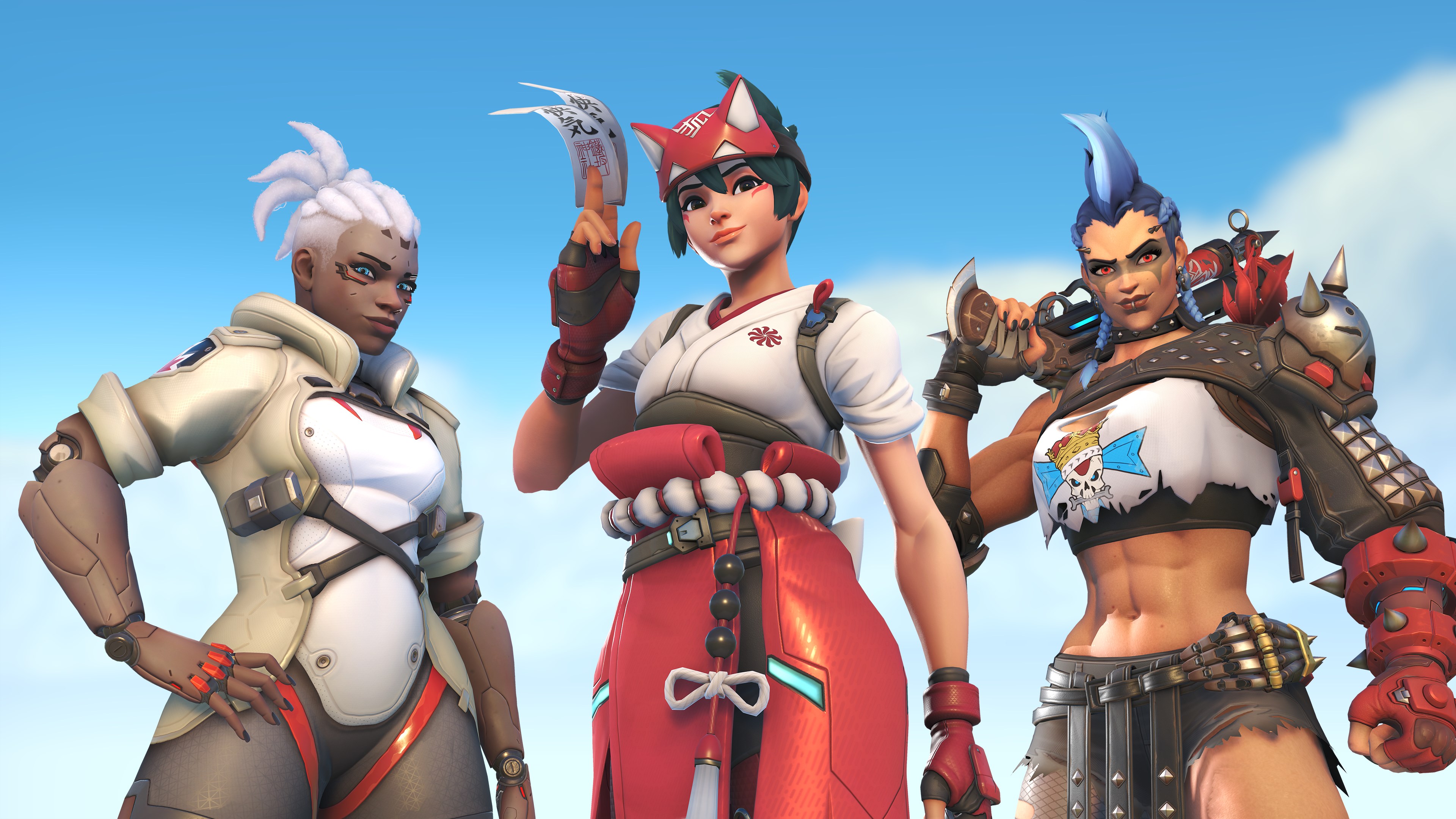
9. Overwatch 2
Overwatch 2 replaced a beloved game, and for what? To cancel its promised PvE mode, introduce a battle pass, and lock new heroes behind it. It felt like Blizzard took a perfectly good game, slapped a "2" on it, and then implemented every predatory monetization tactic in the book. The shift from loot boxes to a battle pass felt like a downgrade, making the progression feel less rewarding and more like a job. The corporate drive for recurring revenue tarnished a once-pure multiplayer experience.
10 / 11

10. Grand Theft Auto: The Trilogy – The Definitive Edition
Rockstar, the kings of open-world, delivered a "definitive edition" that felt anything but. These were beloved classics, but the remasters were buggy, graphically inconsistent, and often looked worse than the original games with mods. It was a rushed, disrespectful port job, clearly outsourced and under-resourced, released at a premium price. This wasn't about celebrating gaming history; it was about squeezing nostalgia for a quick buck, demonstrating a shocking lack of care from a studio once revered for its quality.
11 / 11

11. The Day Before
The Day Before promised an ambitious open-world survival MMO, generating massive hype. But as release dates slipped, red flags multiplied. It launched as a broken, empty extraction shooter, barely resembling what was advertised. Within weeks, the studio closed, and the game was pulled from sale. This wasn't just corporate mismanagement; it was a masterclass in deception, asset flipping, and potentially outright fraud, a stark reminder of how easily players can be misled by grand, unachievable promises. A tragic, cynical end.