1 / 11
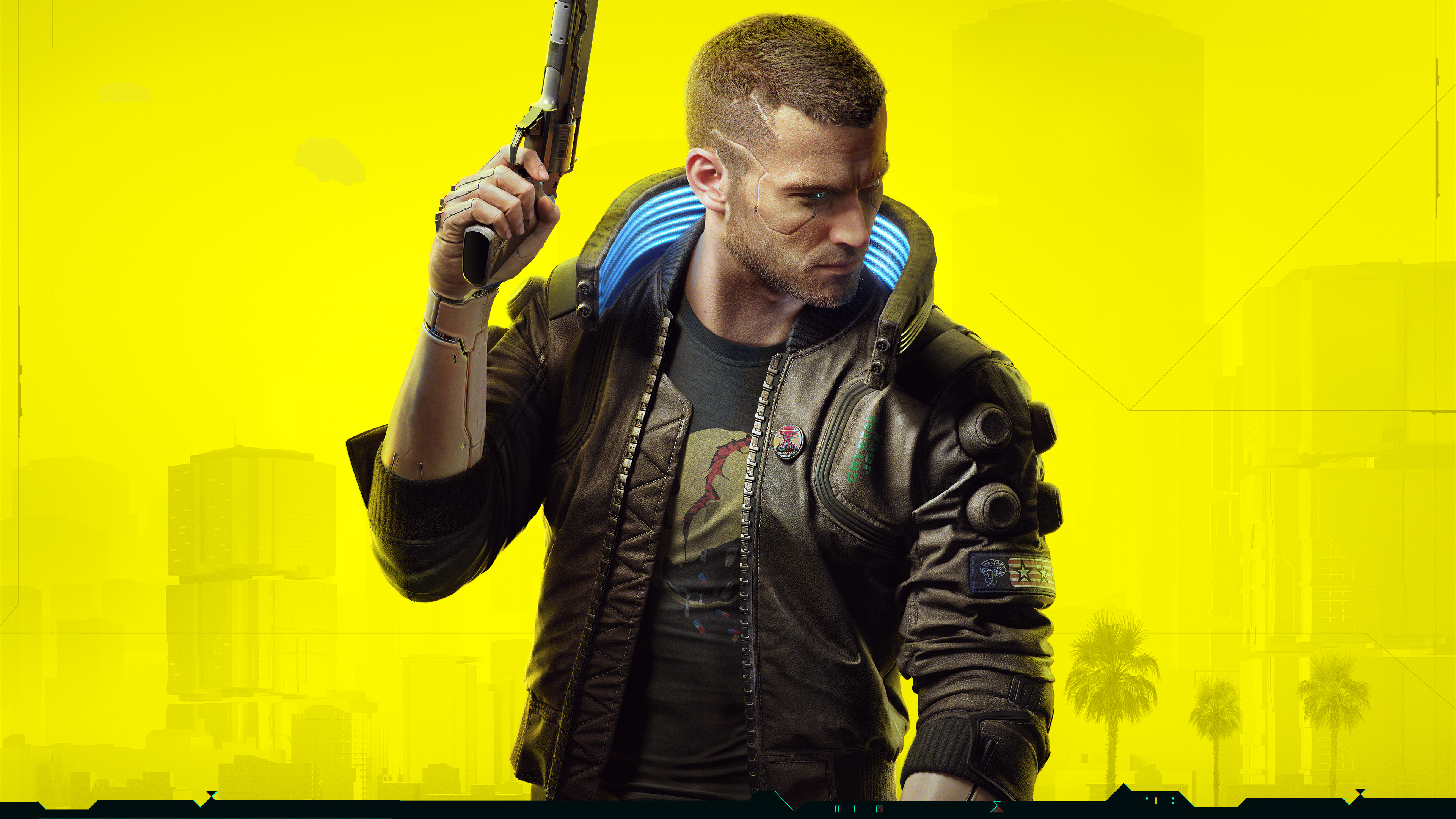
1. Cyberpunk 2077
The internet's hype machine built this game into an impossible ideal, then absolutely tore it down upon release. Console players especially felt scammed, sparking a refund frenzy and a PR nightmare for CD Projekt Red. It became a poster child for pre-order caution and the brutal reality of an over-promised, under-delivered product. The vitriol was swift, proving how quickly adoration turns to digital pitchforks.
2 / 11
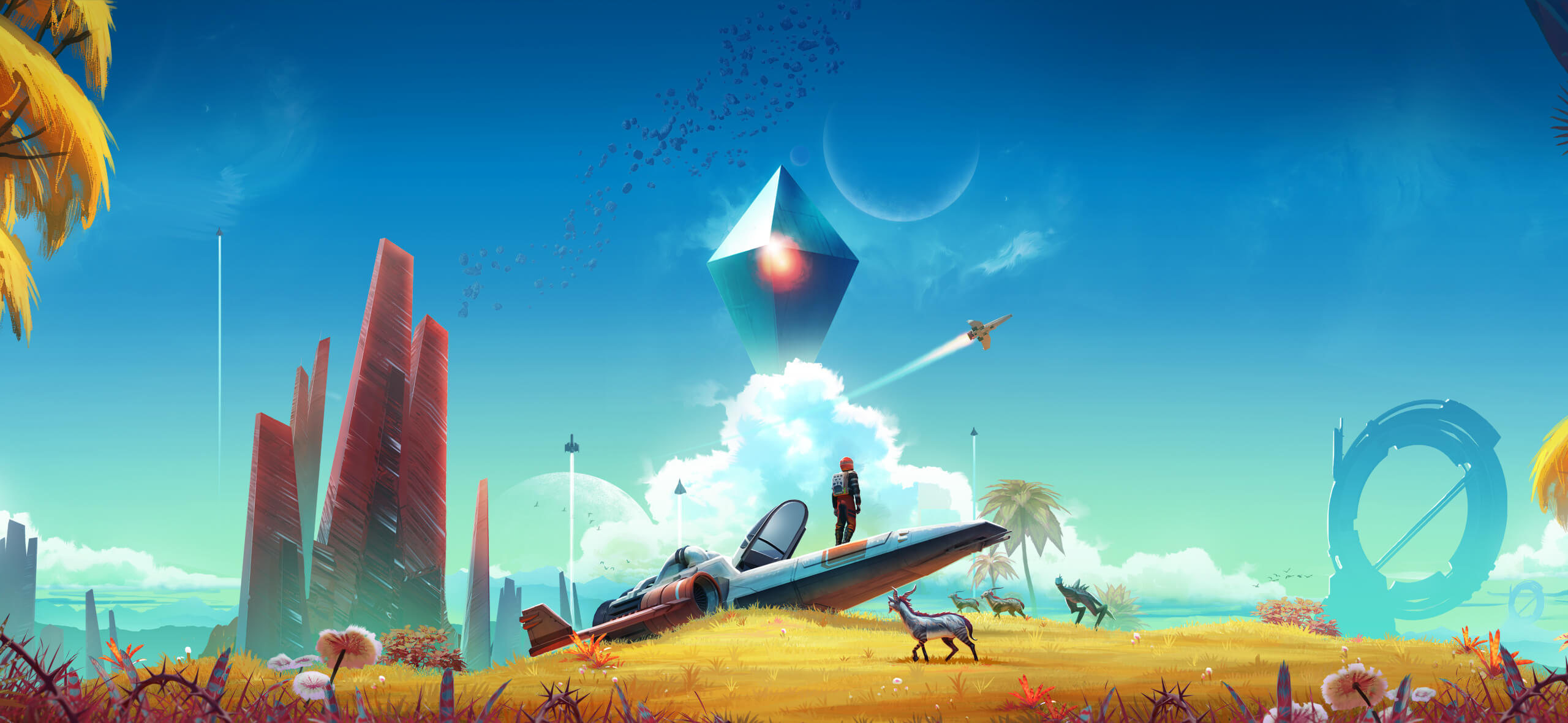
2. No Man's Sky
Remember the initial reveal? Pure cosmic wonder. Then came launch, and the online community erupted into a firestorm of "lies" and "scams." The collective disappointment was palpable, morphing into sustained rage. While Hello Games admirably redeemed it over years, that initial internet-fueled backlash, fueled by outrage culture, perfectly showcased how quickly a dream can become a digital punching bag.
3 / 11
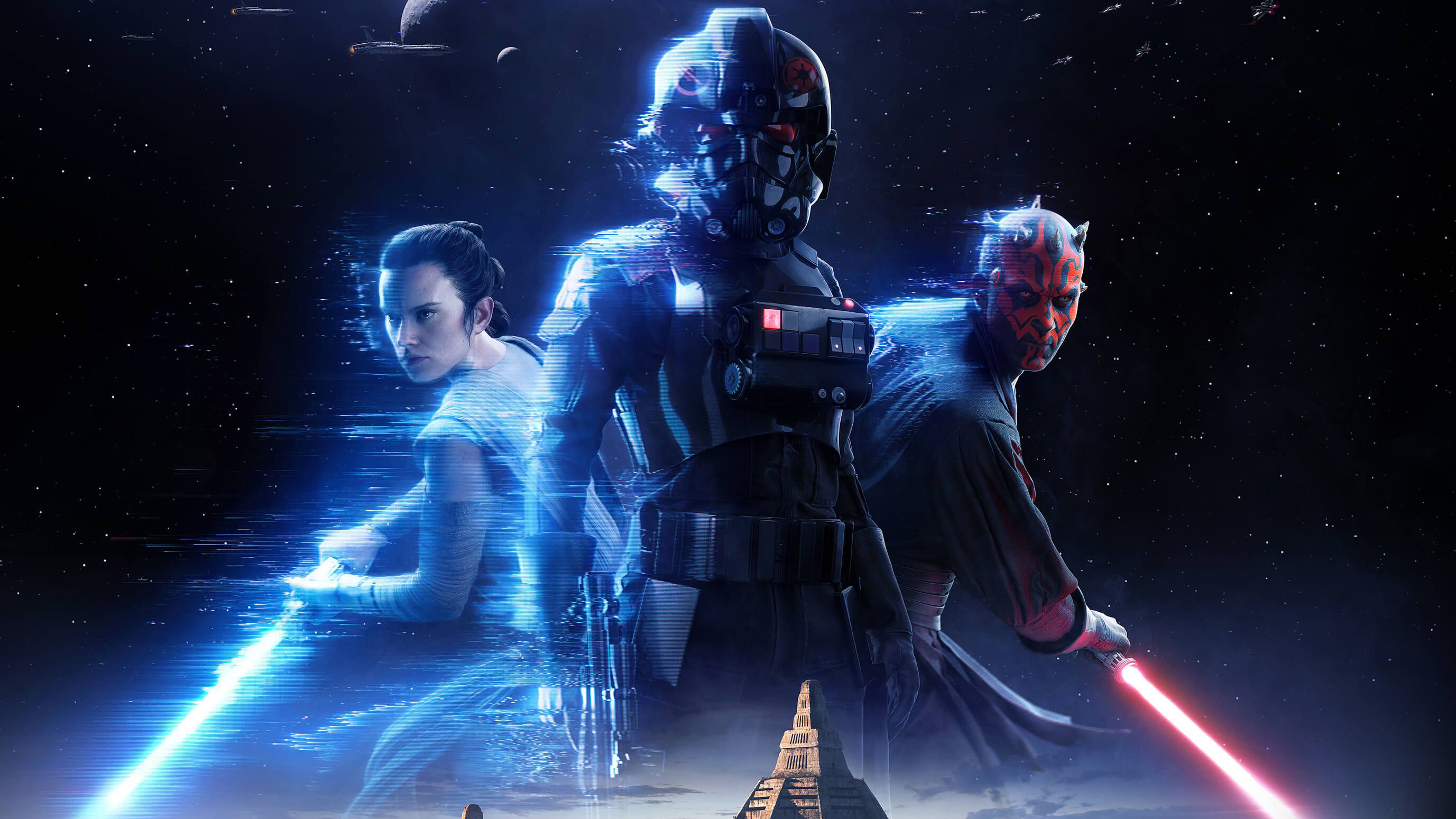
3. STAR WARS Battlefront II
This was the moment loot boxes truly broke the internet. The "sense of accomplishment" meme, born from EA's tone-deaf response to pay-to-win mechanics, ignited a consumer rights debate that even drew government attention. The sheer volume of outrage, driven by Star Wars fans and gamers alike, exposed the predatory underbelly of monetization and the community's willingness to fight back.
4 / 11
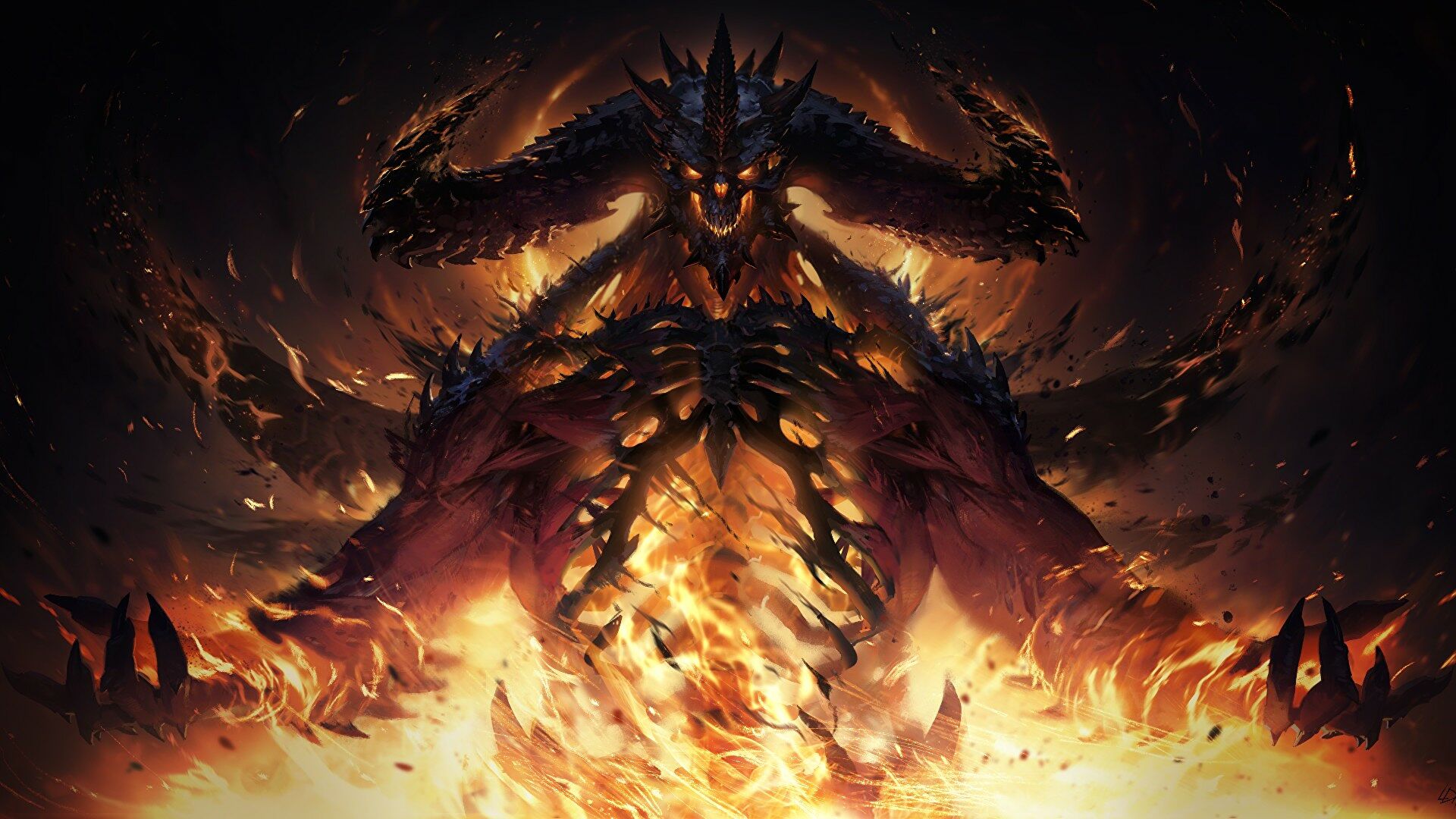
4. Diablo: Immortal
"Do you guys not have phones?" That phrase alone encapsulated the internet's fury. Blizzard's mobile-first pivot for a beloved PC franchise felt like a slap in the face. Then came the blatant, aggressive monetization and pay-to-win mechanics, cementing it as a prime example of developers leveraging brand loyalty for maximum profit, ignoring core fan desires and sparking widespread condemnation.
5 / 11
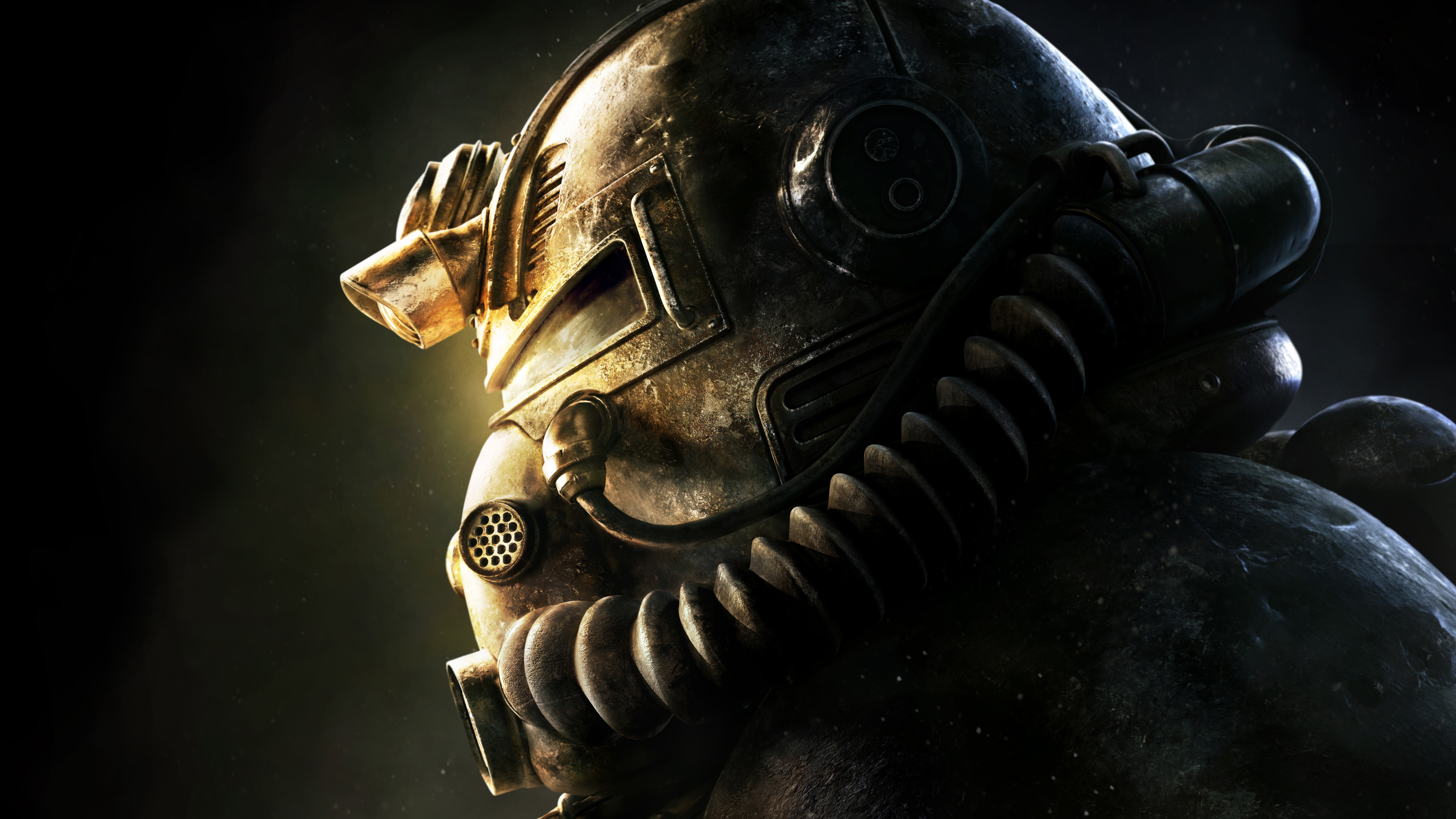
5. Fallout 76
Bethesda, a once-revered name, stumbled hard. From the buggy launch to the infamous canvas bag controversy and the subsequent subscription model, the internet had a field day. Each misstep fueled a new wave of memes and condemnation. It was a masterclass in how a beloved franchise can alienate its fanbase through a series of questionable decisions, amplified by relentless online scrutiny.
6 / 11
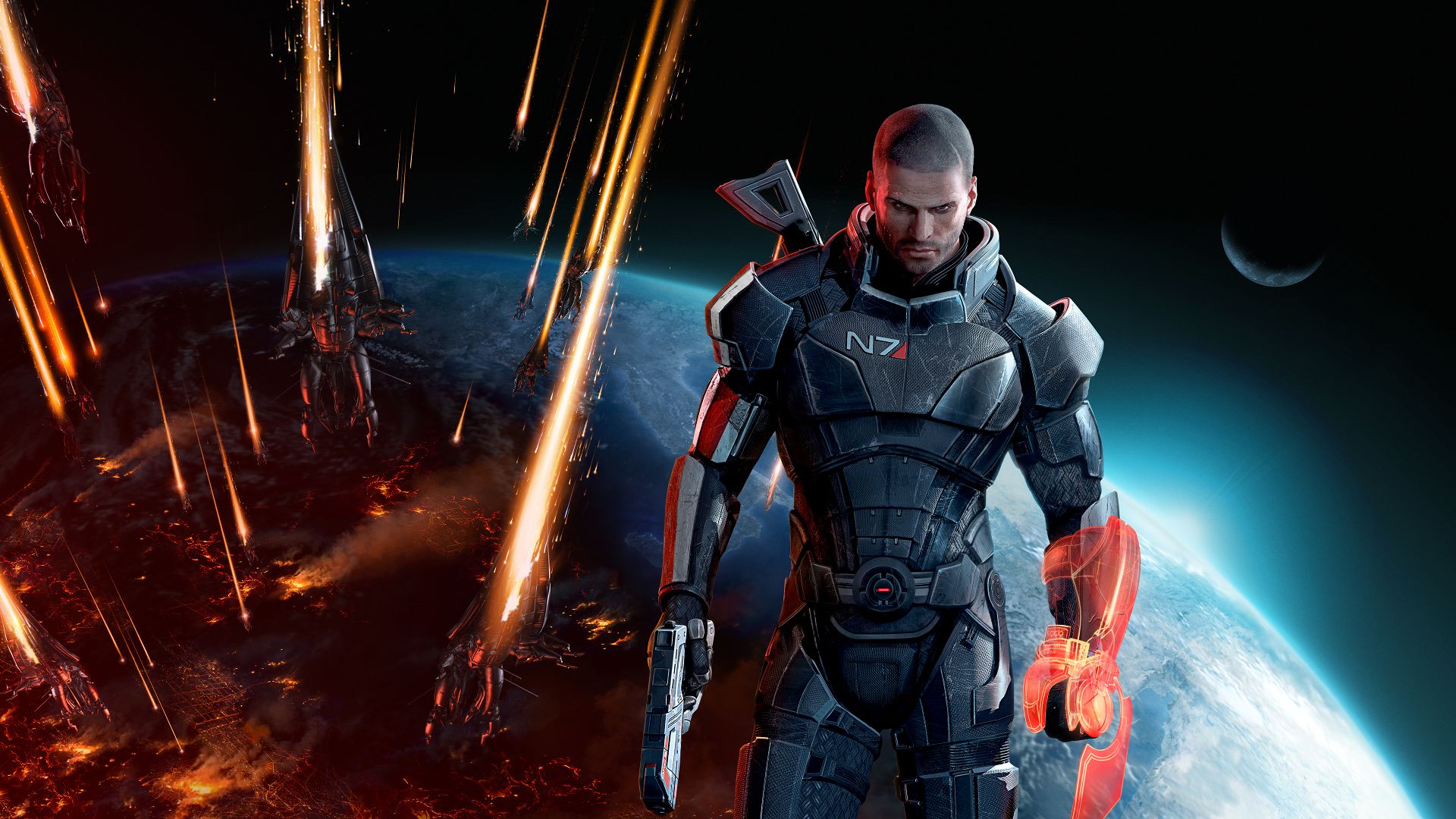
6. Mass Effect 3
The ending of this game sparked an unprecedented level of fan outrage. Players felt their choices were invalidated, leading to organized protests, charity drives, and even developer harassment. The internet became a hotbed of emotional investment gone awry, highlighting the intense, sometimes toxic, relationship between creators and their most passionate communities when expectations are spectacularly unmet.
7 / 11
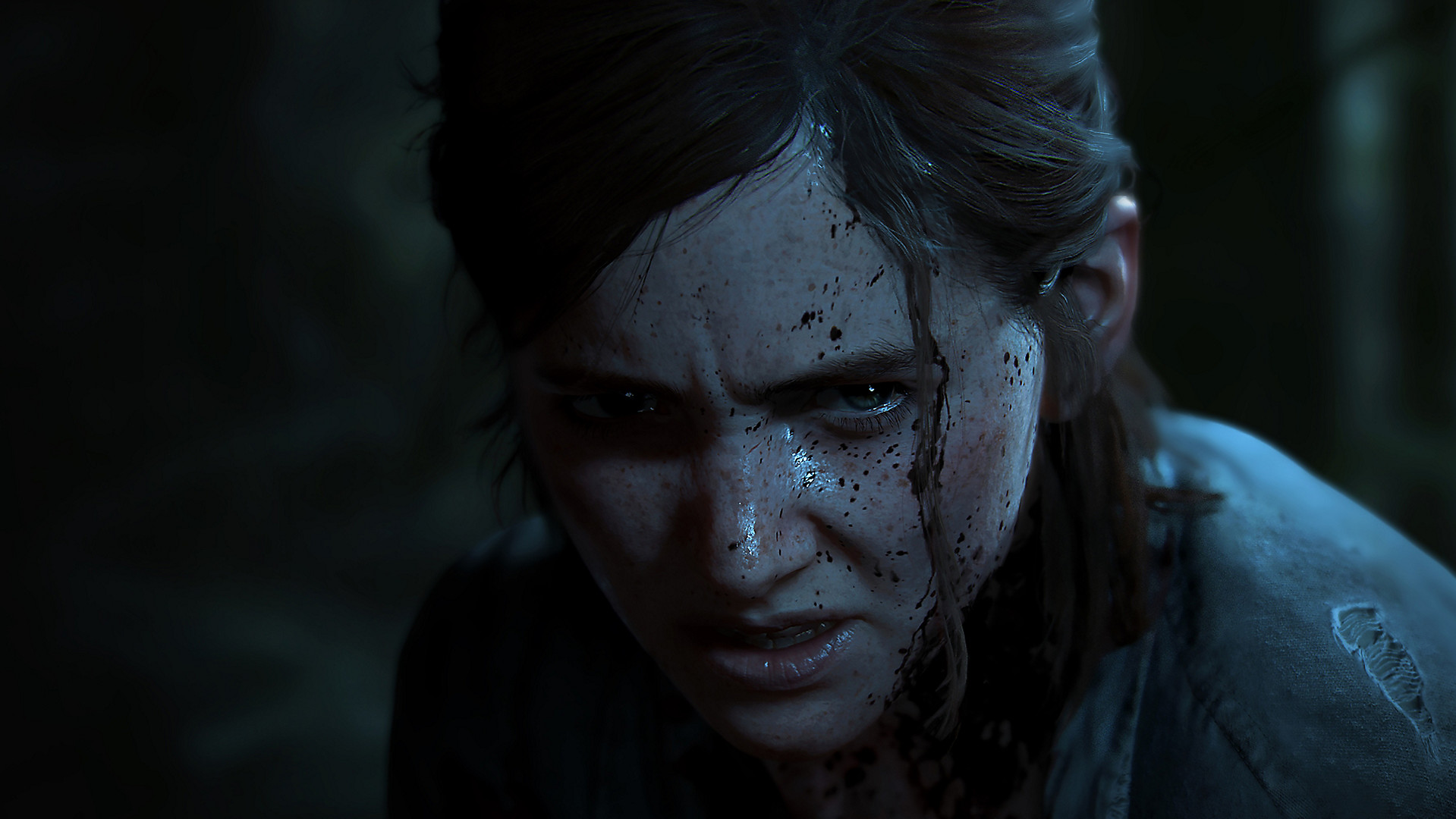
7. The Last of Us Part II
This game ignited a culture war online. Story leaks, character decisions, and narrative directions triggered an avalanche of review bombing, death threats, and hate-filled discourse. It became a battleground for identity politics and artistic interpretation, showcasing the internet's capacity for extreme toxicity and personal attacks when creative choices challenge entrenched fan expectations.
8 / 11
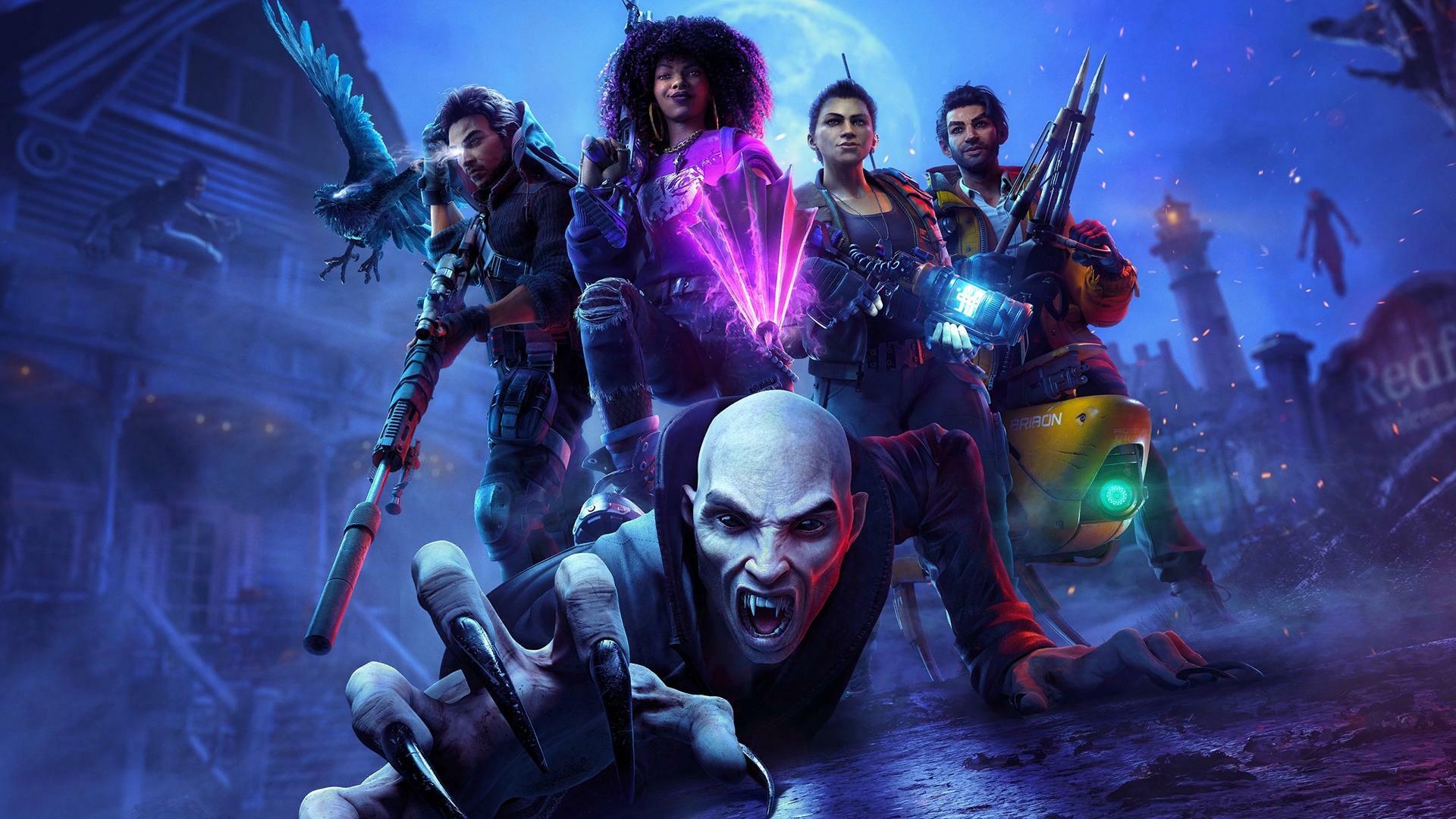
8. Redfall
Arkane, creators of beloved immersive sims, released this hollow, buggy mess, and the internet did not hold back. As an Xbox exclusive, it amplified criticisms of Microsoft's first-party strategy. The collective disappointment was brutal, turning a highly anticipated title into a punchline. It underscored how online communities mercilessly expose and punish perceived betrayals of developer pedigree.
9 / 11
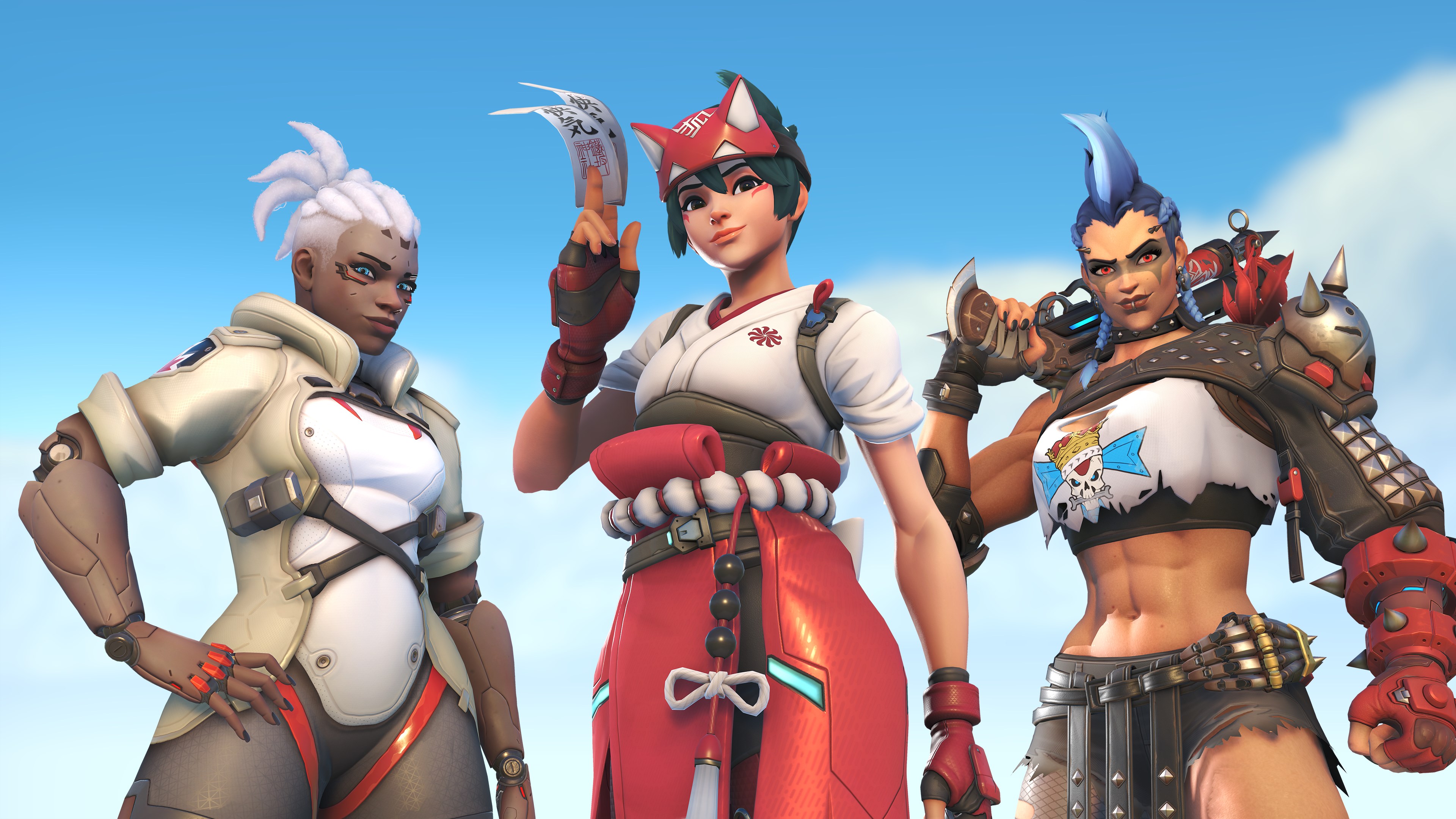
9. Overwatch 2
Replacing a popular game with a "sequel" that felt more like a monetization overhaul, Overwatch 2 triggered a community divided. Promises of PVE content vanished, hero lockouts and battle passes became the new norm. The internet became a constant forum for comparing it unfavorably to its predecessor, showcasing how a beloved live-service title can erode goodwill through perceived corporate greed.
10 / 11
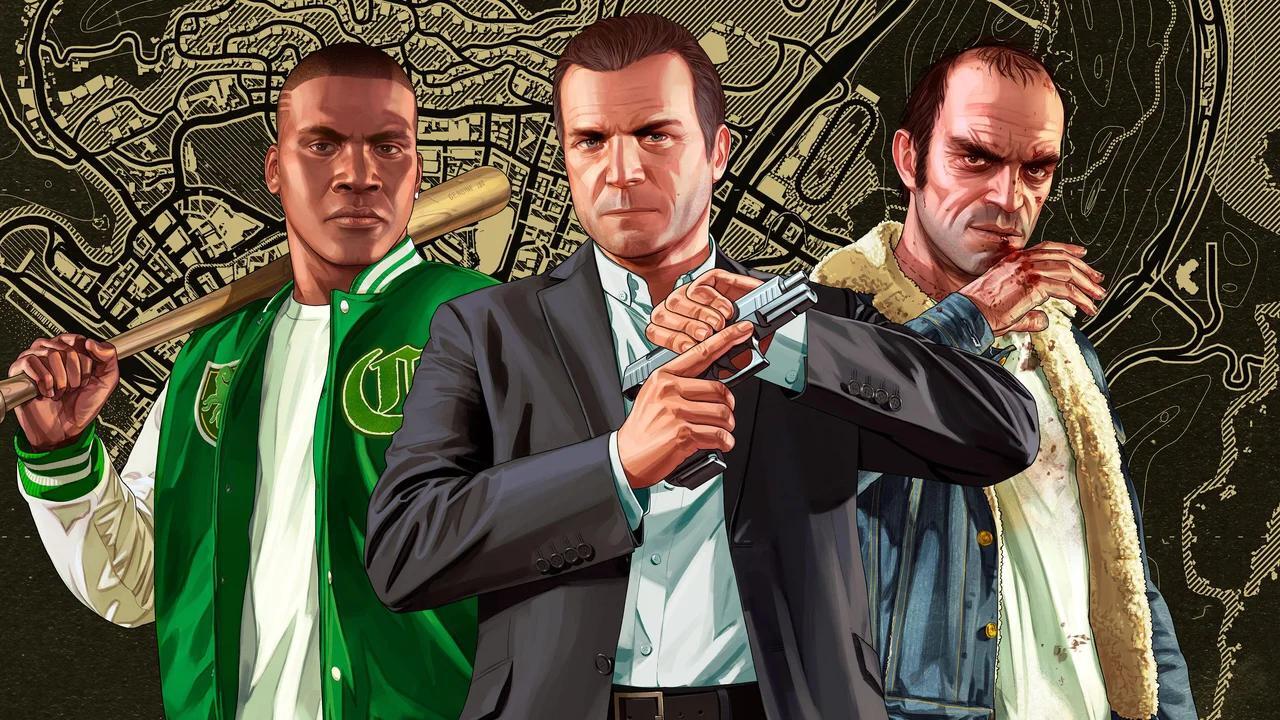
10. Grand Theft Auto V
While incredibly successful, GTA V's enduring presence across generations, coupled with aggressive Shark Card monetization in GTA Online, fueled constant internet grumbling. The community's collective patience wore thin with endless re-releases and the perception of Rockstar milking a cash cow instead of innovating. It highlights how even immense success can breed resentment and cynical online critique.
11 / 11
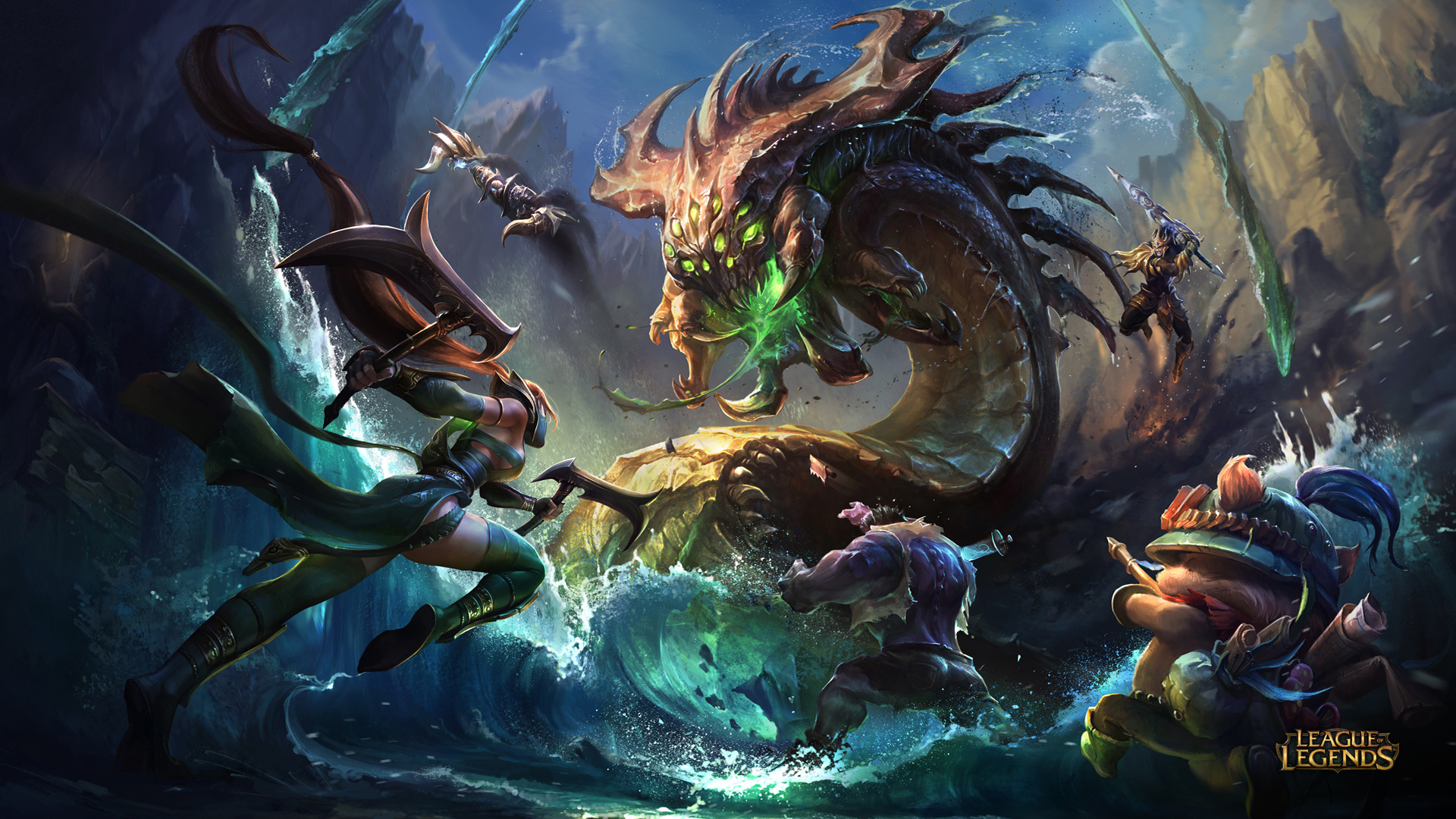
11. League of Legends
This game is practically synonymous with online toxicity. Its competitive nature, steep learning curve, and reliance on team play create a pressure cooker environment. The internet's worst impulses—flaming, griefing, and explicit language—are often on full display. It’s a perpetual reminder that even highly engaging games can foster communities where "scumbag" behavior is tragically commonplace.