

1 / 11
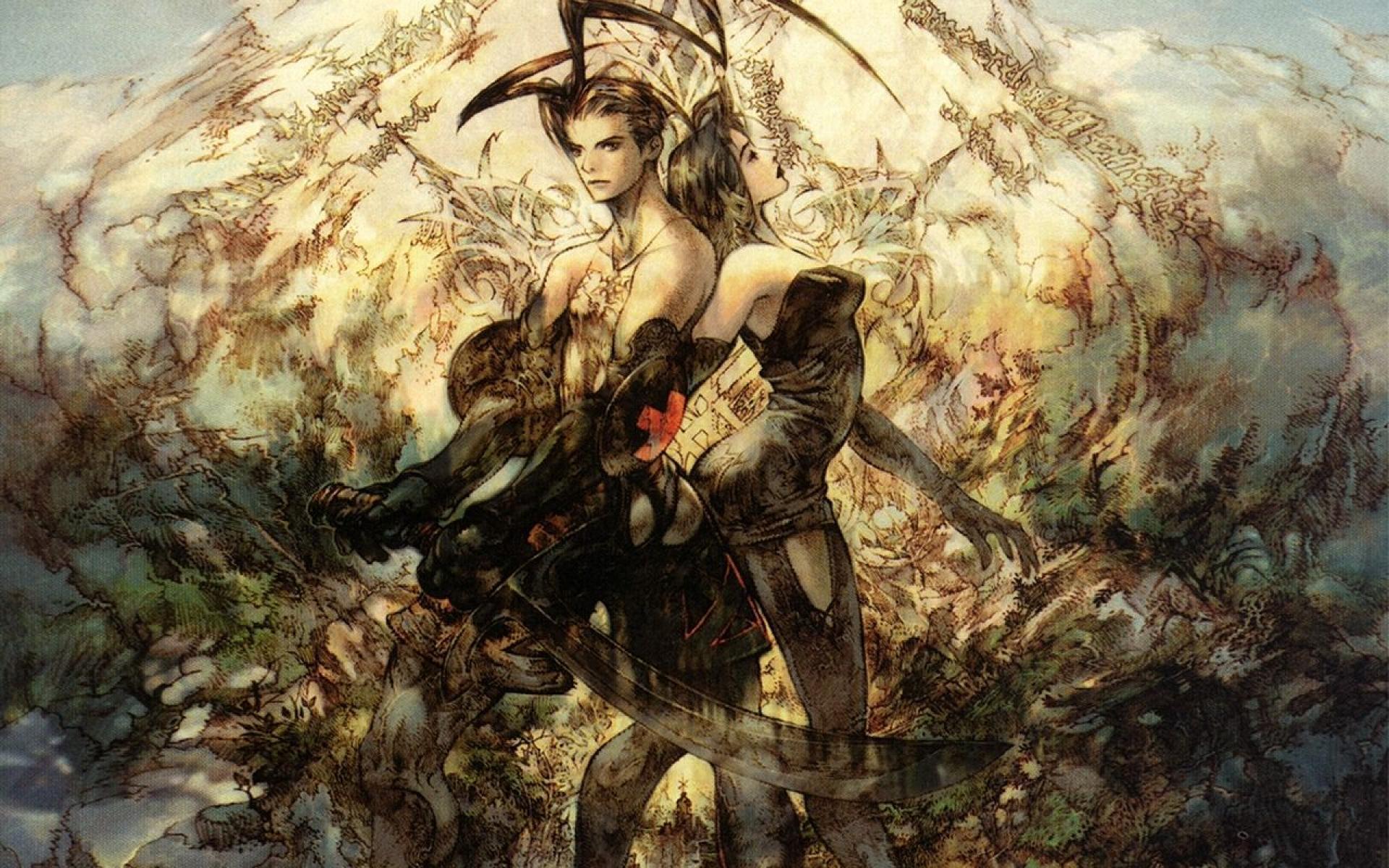
1. Vagrant Story (2000)
An absolute masterclass in RPG design, from its intricate weapon customization to its unique grid-based combat. Square Enix barely acknowledged it, letting this dark fantasy gem languish without a proper sequel or remaster for years. It was too smart, too nuanced, too *different* for the mainstream, a victim of its own brilliance and Square's baffling oversight.
2 / 11
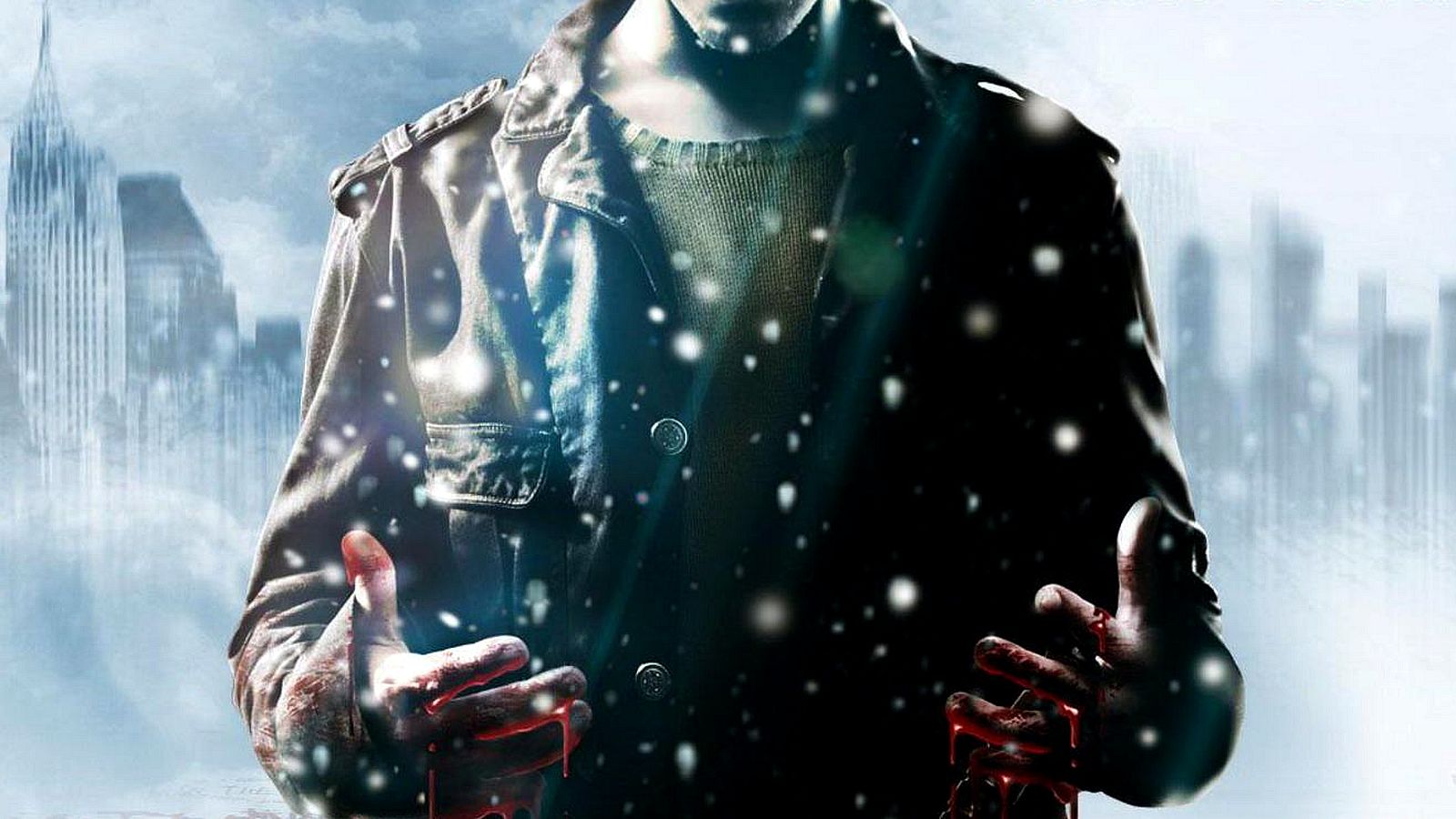
2. Fahrenheit (Indigo Prophecy)
Quantic Dream’s early attempt at interactive drama was a wild, ambitious ride. Sure, it devolved into pure insanity by the end and was a QTE festival, but it genuinely tried to push narrative boundaries. The industry often stifles such bold, imperfect experiments, preferring safer, more polished, but ultimately less memorable experiences.
3 / 11
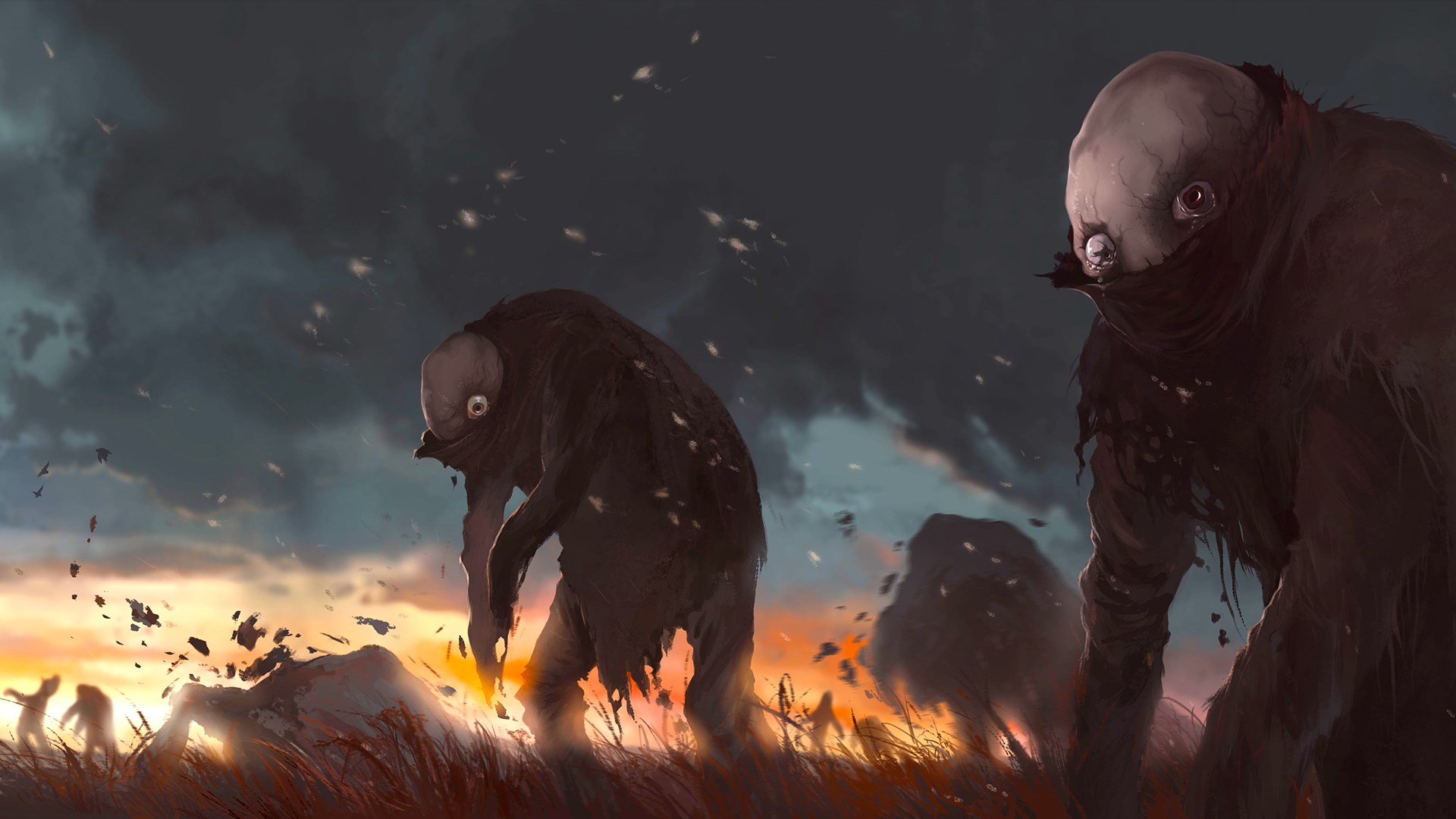
3. Pathologic 2
This game isn't just difficult; it’s an oppressive, mind-bending experience that demands everything from you. Its unique blend of survival, RPG, and psychological horror is uncompromising, delivering a narrative few games dare to touch. It's too niche, too brutal, too brilliant for mass appeal, a true artistic vision largely overlooked by the wider gaming world.
4 / 11
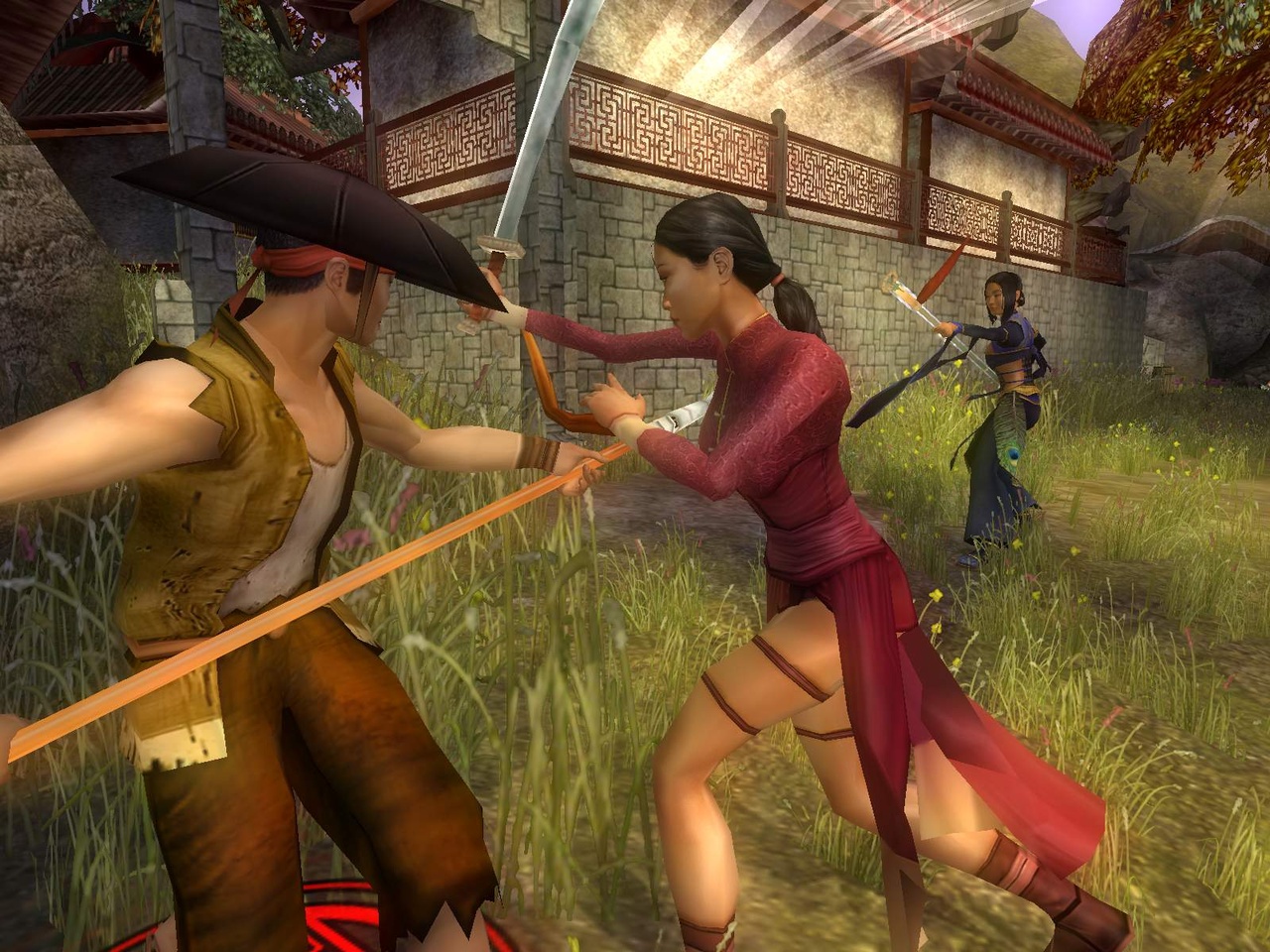
4. Jade Empire
BioWare’s forgotten RPG gem. Set in a gorgeous, unique martial arts fantasy world, it offered compelling characters and satisfying combat, all wrapped in a classic BioWare moral choice system. But it arrived between *Knights of the Old Republic* and *Mass Effect*, and subsequently got buried, never receiving the attention or sequel it rightfully deserved.
5 / 11
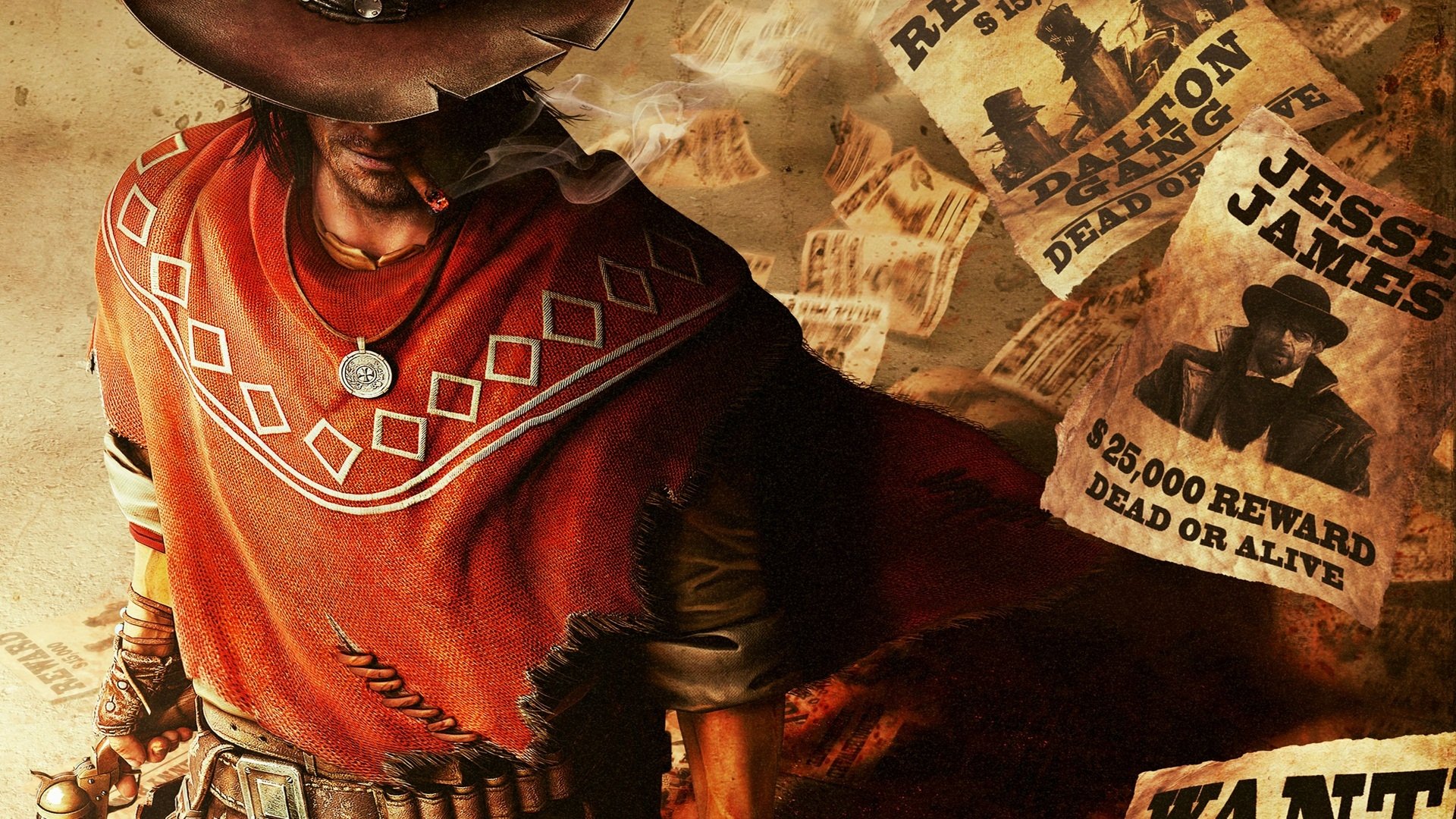
5. Call of Juarez: Gunslinger
A linear FPS that knew exactly what it was: a stylish, arcade-like romp with an unreliable narrator. Its tight gunplay and fantastic storytelling were a breath of fresh air in an era obsessed with open-world bloat. It delivered pure, unadulterated fun, yet was often overlooked, a testament to how good design can be ignored without a massive marketing budget.
6 / 11
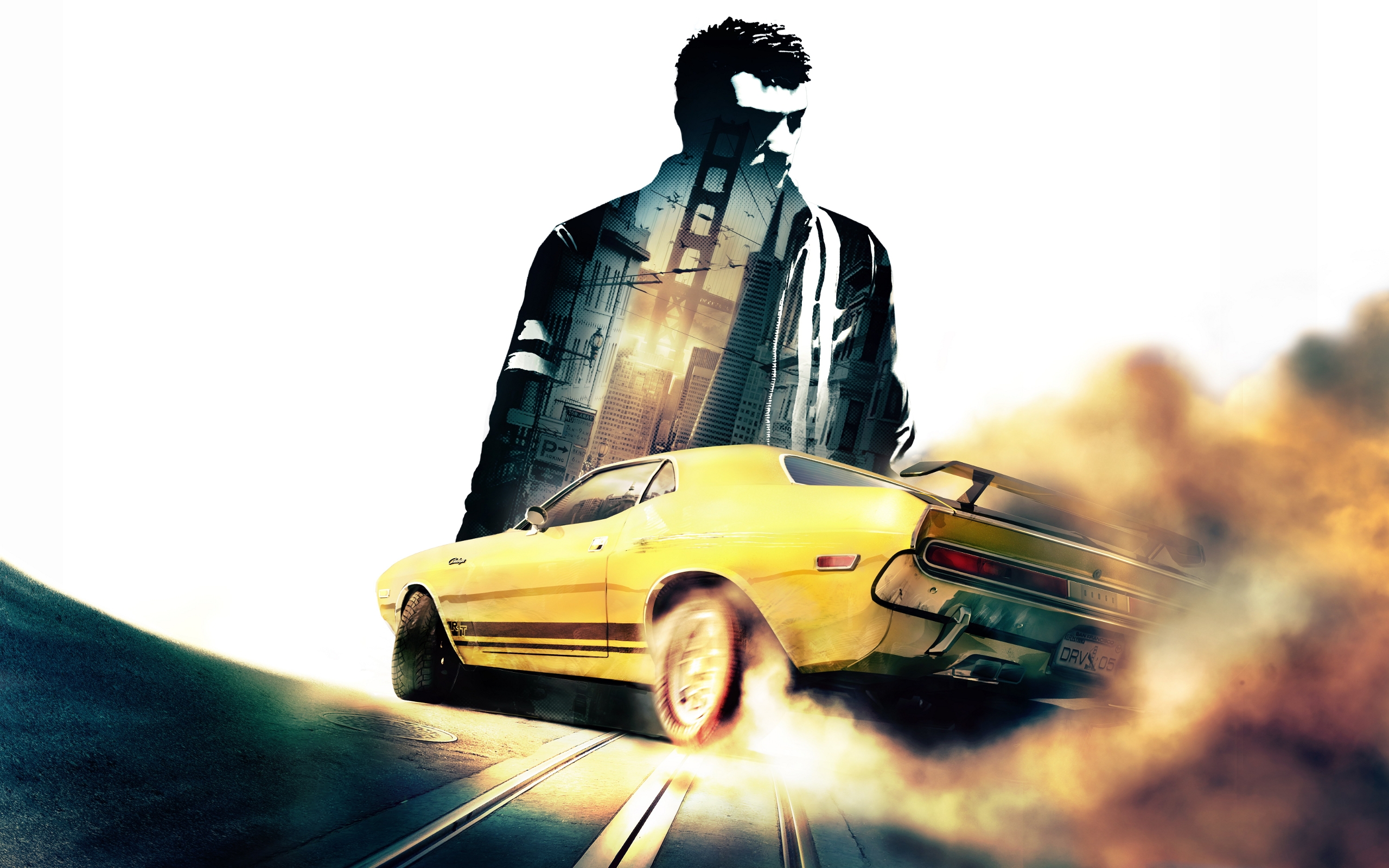
6. Driver San Francisco
This game had a mechanic so bonkers it shouldn’t have worked: possession of any car on the map, mid-chase. Yet, it did. Coupled with a killer soundtrack and a genuinely fun story, it was an absolute blast. It landed at an awkward time, perhaps too unique, and never got the widespread recognition its sheer inventiveness deserved.
7 / 11
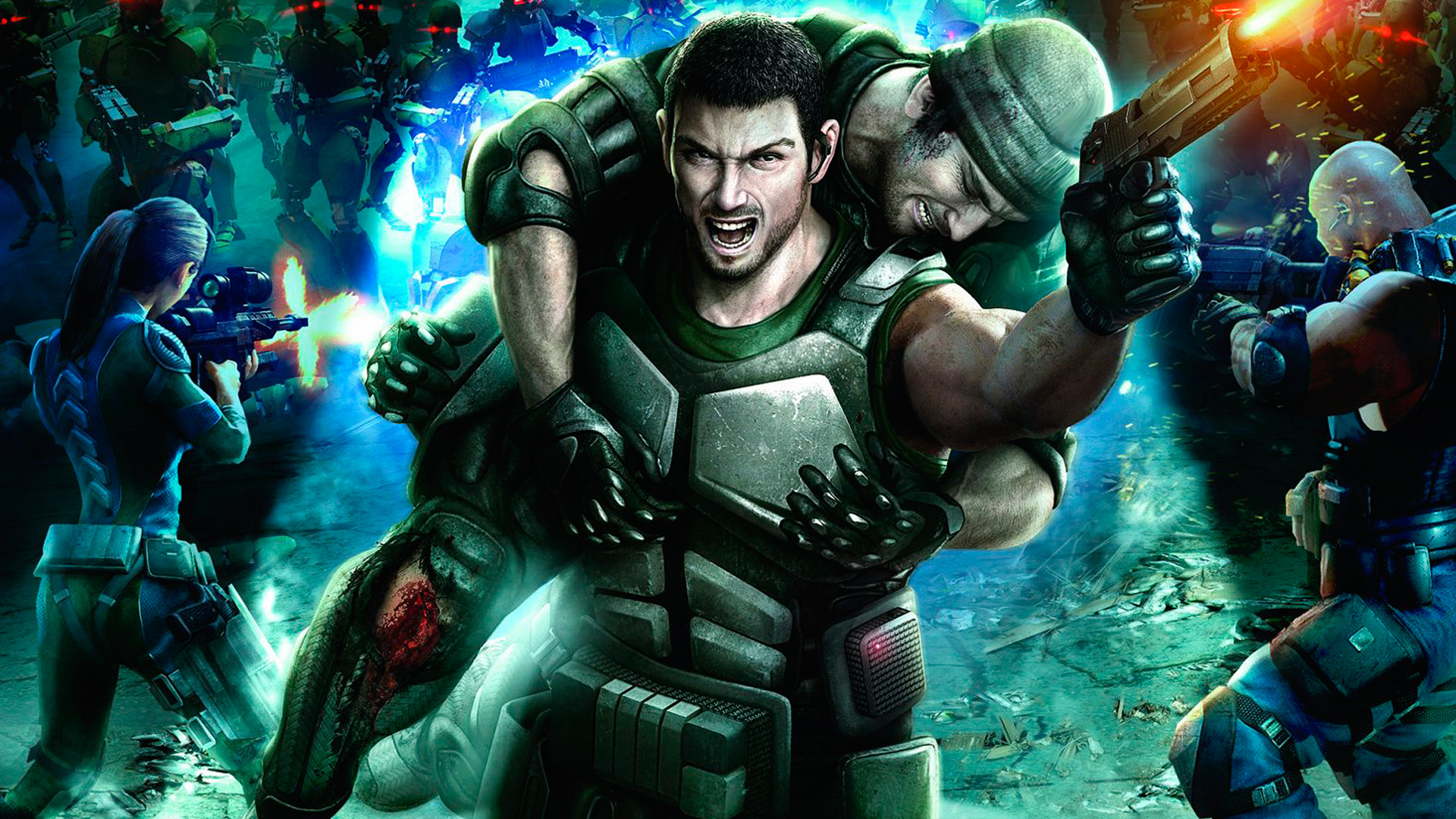
7. Binary Domain
A third-person shooter from SEGA that nailed squad commands and had surprisingly impactful cover mechanics. Its story, about humanity and AI, was far better than it had any right to be for a mid-tier shooter. It was solid, fun, and just *worked*, but in a crowded genre, it faded into obscurity, a victim of not being a big-name franchise.
8 / 11
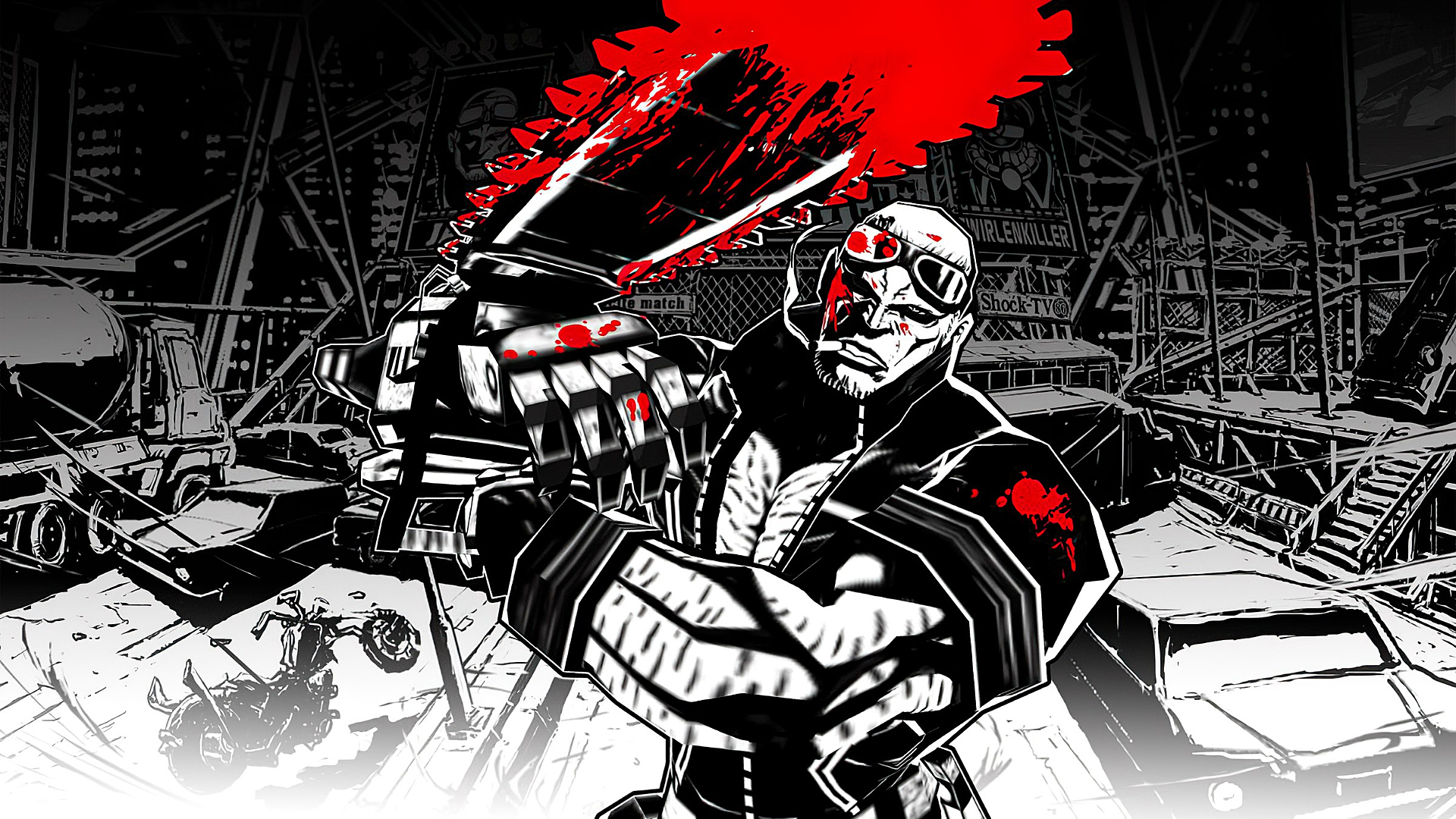
8. MadWorld
A monochrome, ultra-violent beat 'em up on the Wii that defied the console's family-friendly image. Its unique art style and over-the-top gore made it a cult classic, but its niche appeal and the Wii's demographic meant it was always fighting an uphill battle for sales. A bold, unapologetic statement overlooked by the masses.
9 / 11
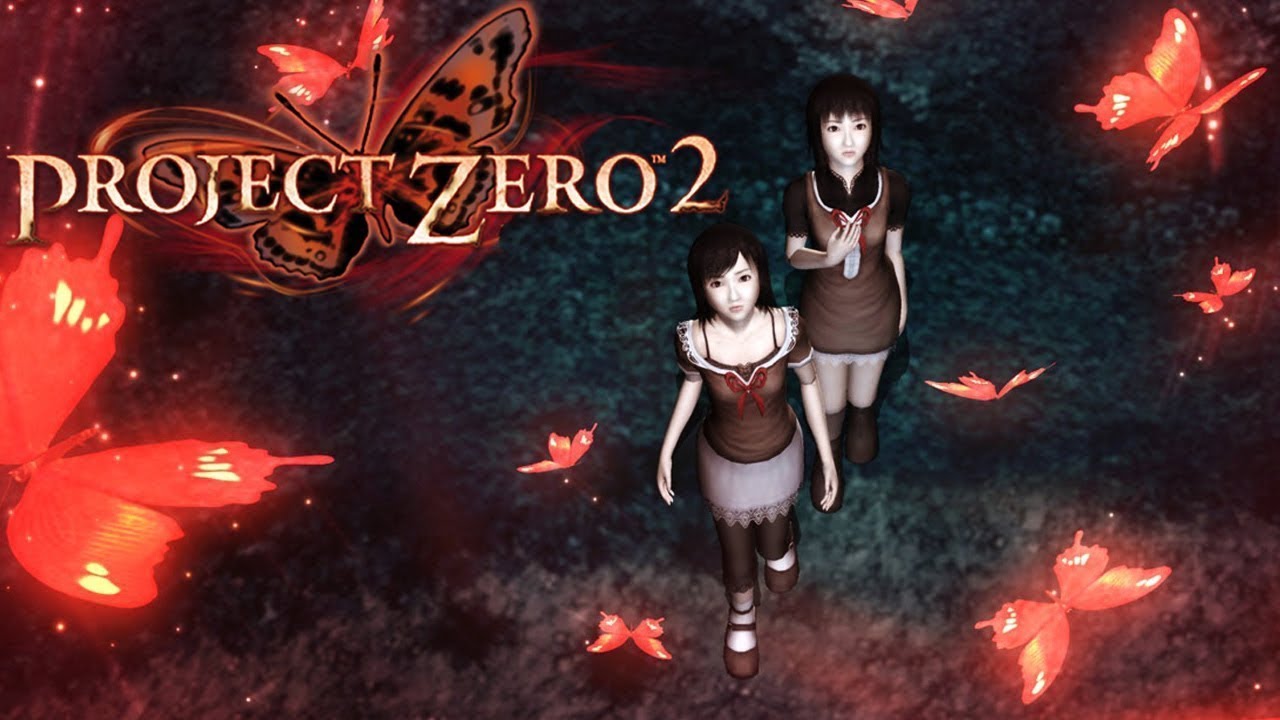
9. Fatal Frame II: Crimson Butterfly
Genuinely one of the most terrifying games ever made. Its atmospheric horror, disturbing narrative, and innovative camera-as-weapon mechanic created an experience that burrowed under your skin. Yet, fixed-camera horror was on its way out, and this masterpiece never reached the mainstream audience it deserved, remaining a beloved cult classic.
10 / 11
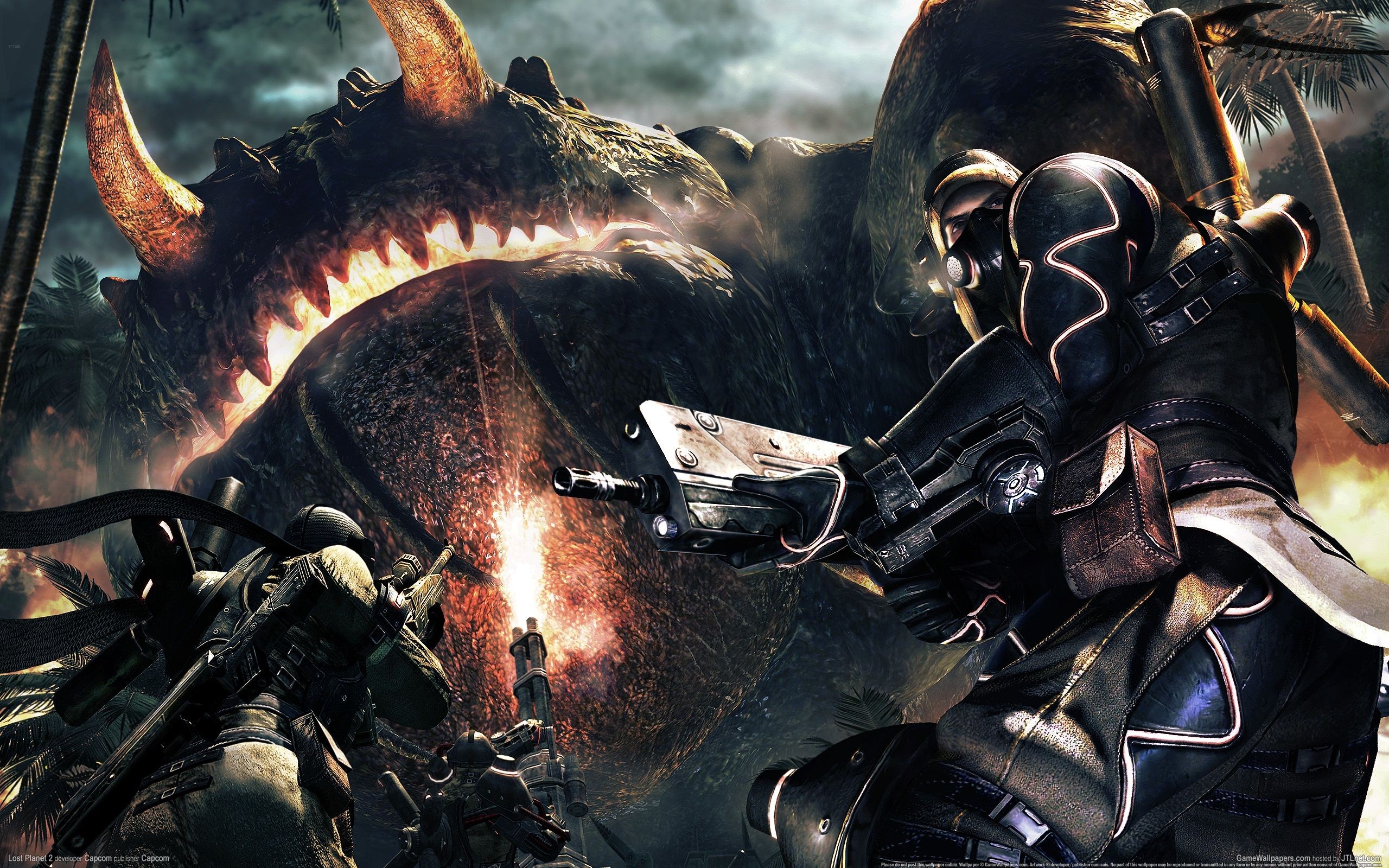
10. Lost Planet 2
Capcom went all-in on co-op for this one, delivering massive boss fights and chaotic, multi-stage battles across diverse environments. It was ambitious, perhaps too much so, losing some of the first game's focus. Still, it offered incredible, unique multiplayer moments that were largely overlooked because it wasn't the traditional single-player experience many expected.
11 / 11
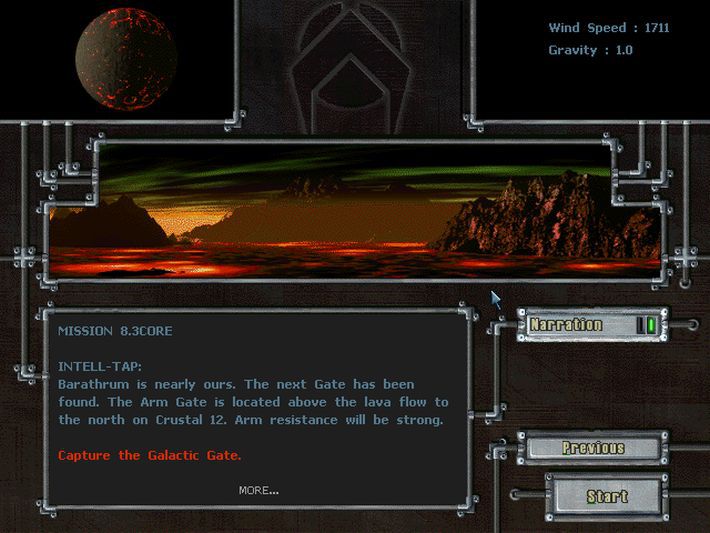
11. Total Annihilation
A true RTS pioneer. It brought unprecedented scale, unit variety, and physics-based destruction to the genre, letting you flatten entire armies with satisfying explosions. It was technically revolutionary, but Blizzard's marketing machine for *StarCraft* ultimately overshadowed this technical marvel, leaving it as a beloved classic for those who truly knew strategy.