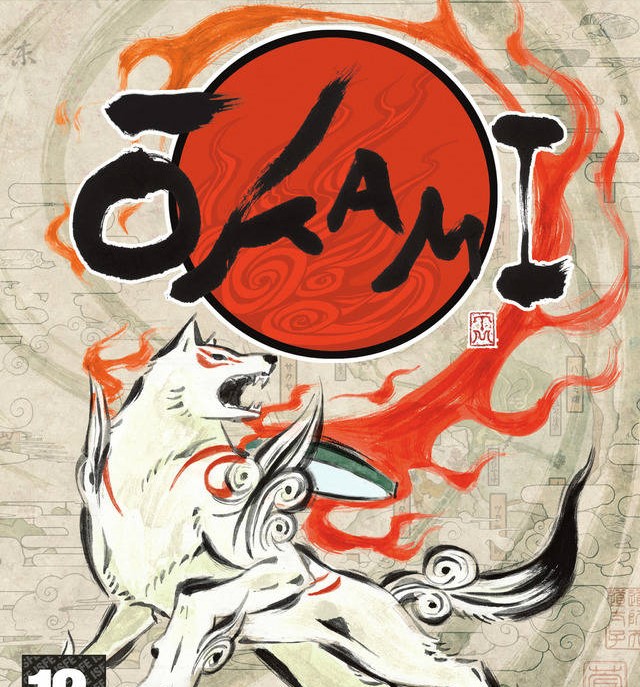
1. Okami
Man, Okami. It was Capcom's grand artistic statement, a literal playable ukiyo-e painting, and it delivered on every front. The celestial brush mechanics were revolutionary, the characters charming, and the world just *breathed*. Yet, despite critical acclaim, it barely sold. In a world clamoring for another generic open-world map full of icons, Okami showed true craft, but the market just wasn't ready to embrace something so genuinely unique and beautiful. It's a tragedy.
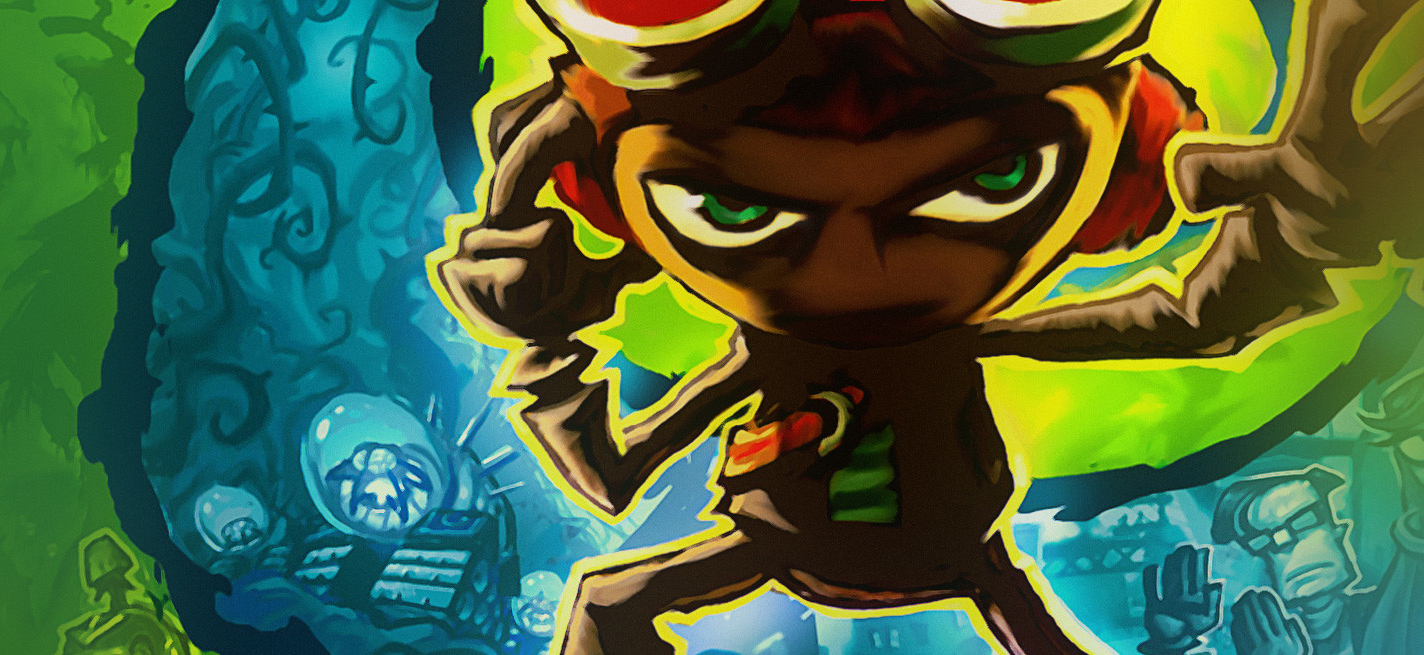
2. Psychonauts
Psychonauts was pure Double Fine genius, a platformer that actually explored the messed-up landscapes of people's minds. Every level was a masterclass in creative design, brimming with humor and unforgettable characters. It dared to be weird, smart, and genuinely heartfelt, but alas, it launched to a commercial shrug. While its sequel finally got its due, the original's cult status was hard-earned by players who recognized its brilliance despite its initial obscurity.
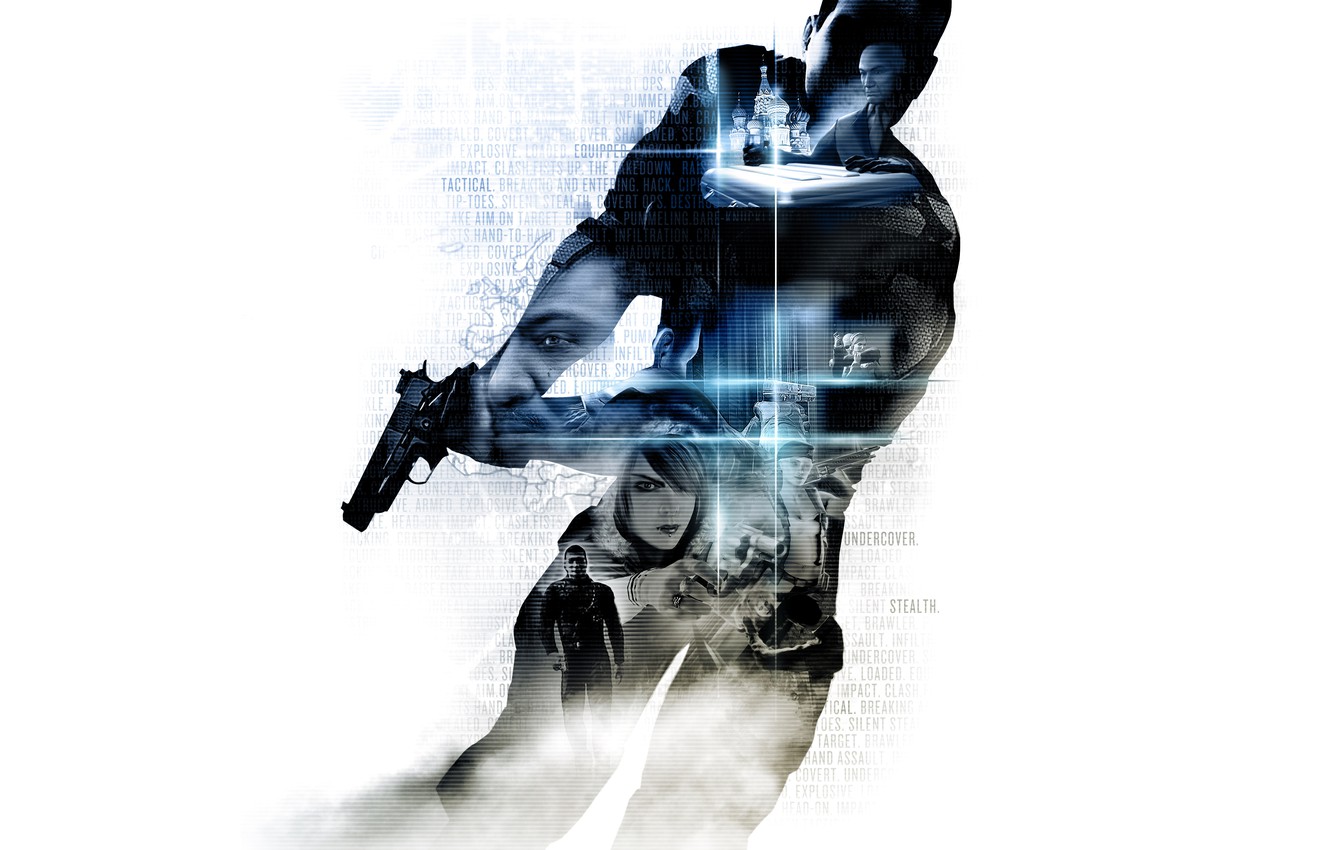
3. Alpha Protocol
Oh, Alpha Protocol. The janky darling of choice-and-consequence RPGs. Obsidian tried something truly ambitious, giving players narrative agency that modern games still struggle to replicate, where every dialogue option and decision genuinely mattered. Sure, the combat was a bit rough, but the branching story, character relationships, and sheer audacity of its design deserved far more patience and appreciation than it got. A real shame it never got a sequel.
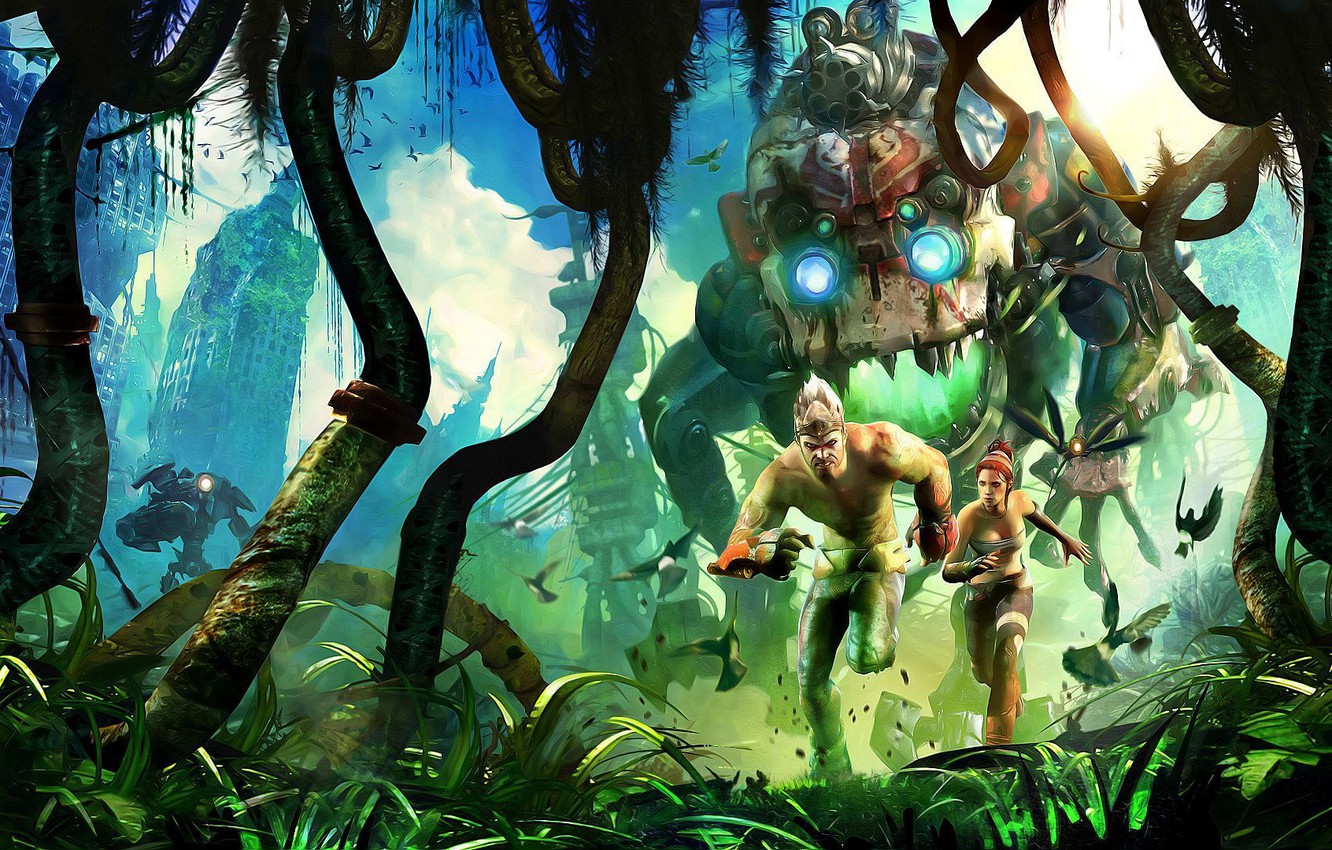
4. Enslaved: Odyssey to the West
Ninja Theory before *DmC* and *Hellblade*, Enslaved was a gorgeous, character-driven adventure. The dynamic between Monkey and Trip felt genuinely earned, and their journey through a post-apocalyptic, overgrown America was visually stunning. It had heart, superb voice acting, and satisfying platforming/combat, but it just vanished from the public consciousness. A true testament to how easily a fantastic single-player experience can get lost in the noise.
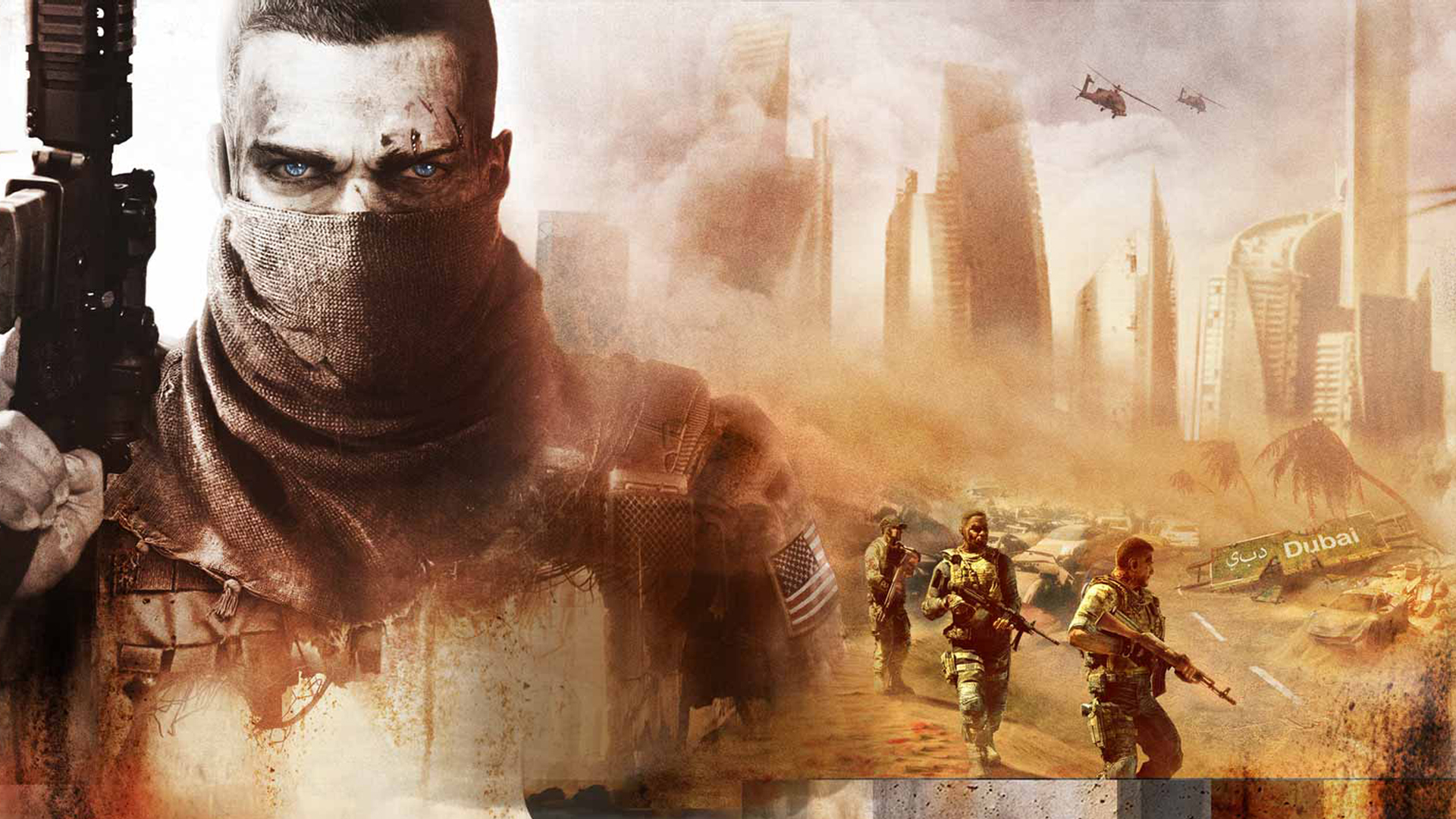
5. Spec Ops: The Line
This game wasn't about being a hero; it was about forcing you to confront the brutality of war and your own complicity. Spec Ops twisted the familiar military shooter tropes into a psychological horror, dismantling the power fantasy. Its narrative was genuinely provocative, leaving players uncomfortable and questioning every shot fired. It was a brave, necessary critique of the genre, but its bleak honesty probably scared off mainstream success.
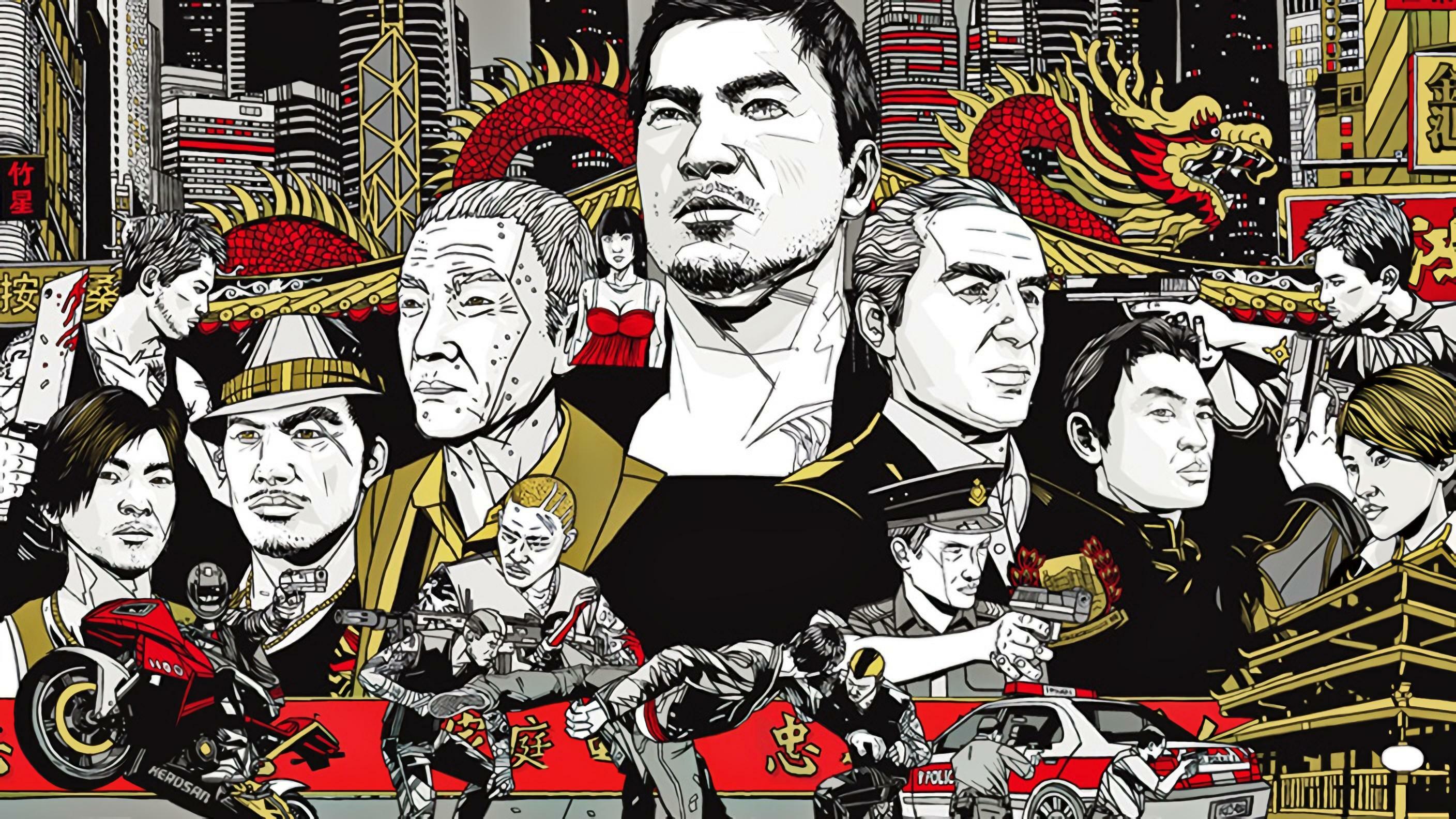
6. Sleeping Dogs
Sleeping Dogs was the gritty, martial arts-infused Hong Kong crime drama we never knew we needed. Its open world was alive, the combat felt phenomenal, blending brutal hand-to-hand with environmental takedowns, and the story was genuinely engaging. It could've been a titan, but it felt overshadowed by its contemporaries, never quite breaking into that top tier of recognition. Still, it stands as a unique, vibrant gem.
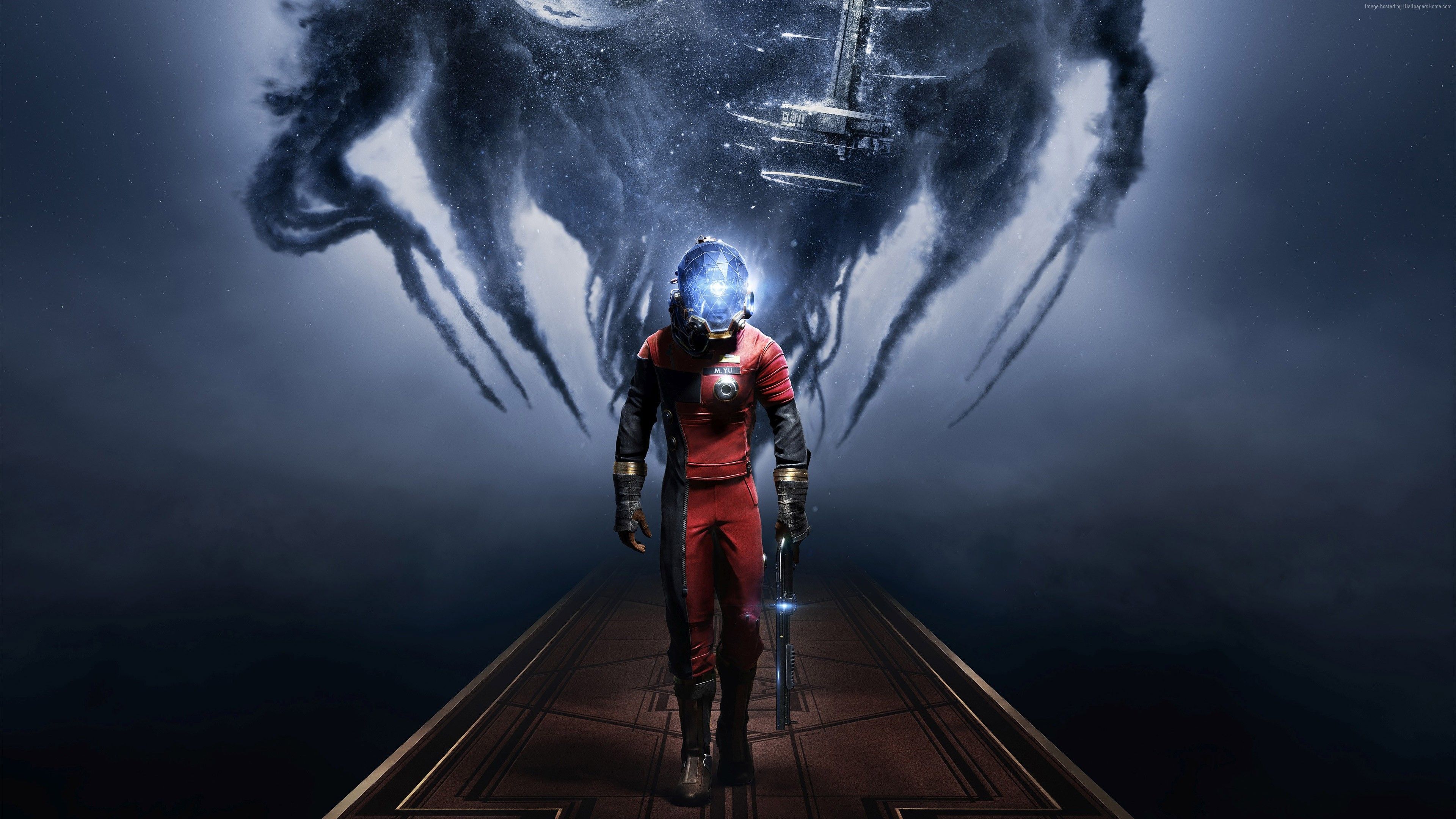
7. Prey
Arkane's Prey is an immersive sim masterpiece that got criminally overlooked. The Talos I station was a character in itself, full of secrets, oppressive atmosphere, and terrifying Mimics. It respected player intelligence, offering multiple solutions to every problem and a deep, philosophical narrative. It was everything a thoughtful sci-fi experience should be, but it struggled to find its audience, proving that sometimes genius is too niche.
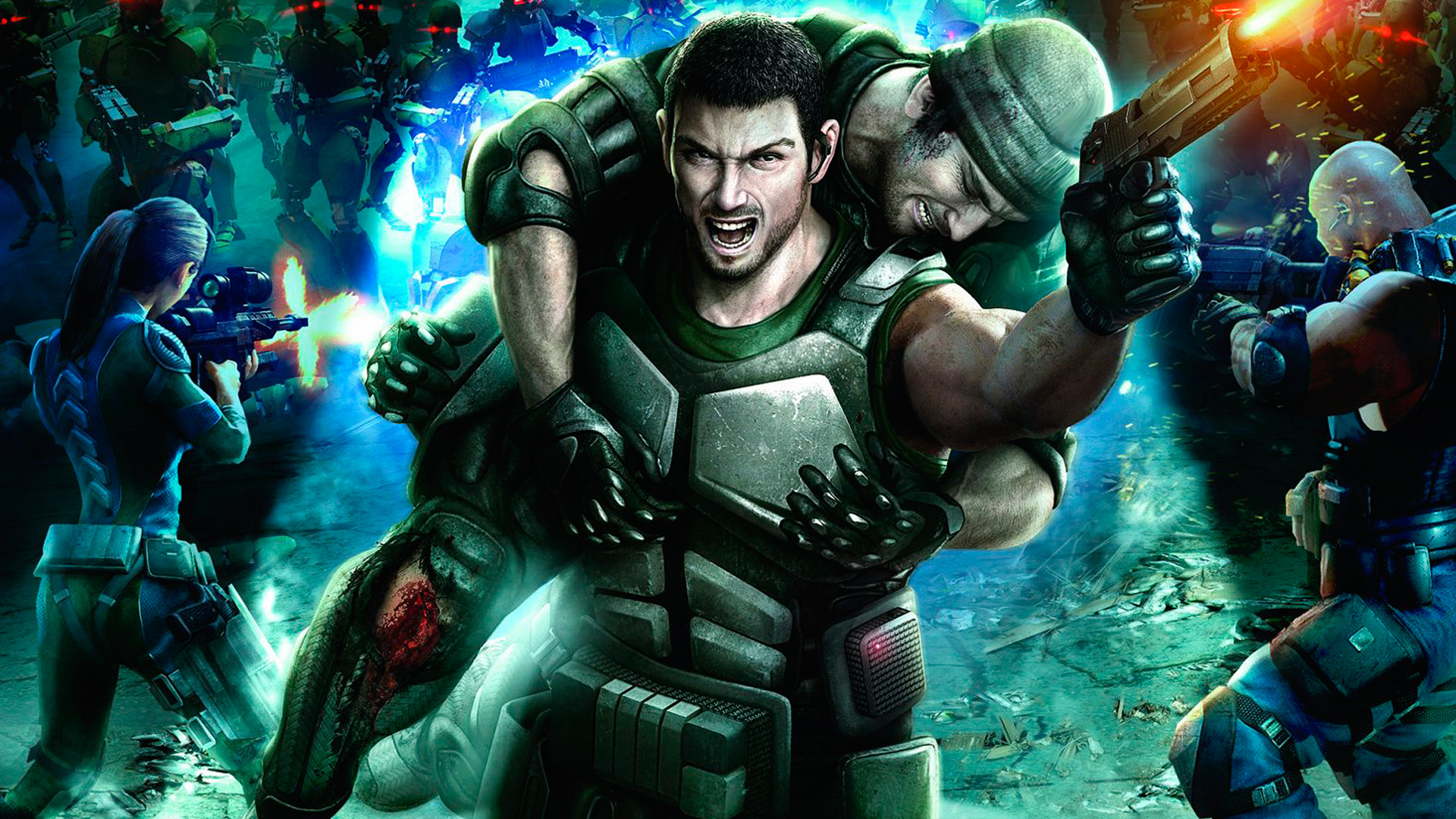
8. Binary Domain
Binary Domain was a chaotic, robot-blasting good time that delivered surprisingly compelling squad dynamics. Its "consequence system" actually made you care about your AI teammates, and the destructible robots were incredibly satisfying to fight. It was a solid, action-packed shooter with a unique premise and some genuinely cool boss fights, but it got lost in the shuffle of crowded release schedules. A pure arcade joy that deserved more love.
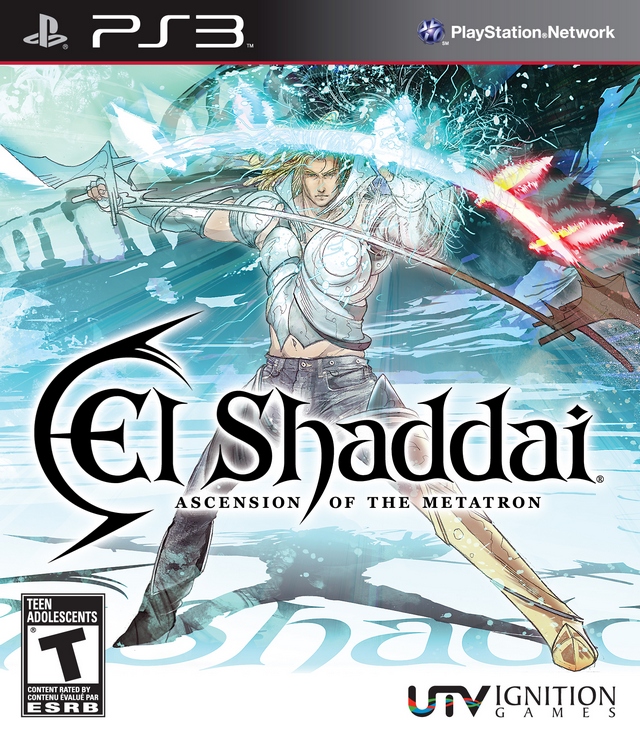
9. El Shaddai: Ascension of the Metatron
El Shaddai was a visual feast, an absolute art piece disguised as an action game. Its distinctive cel-shaded aesthetic, drawing from religious mythology, made every frame pop. The combat was deceptively simple yet satisfying, and the story was wonderfully surreal. It proved that games could be high art, pushing boundaries visually, but its niche appeal meant it remained a beautiful, esoteric secret for many.
10. Lost Odyssey
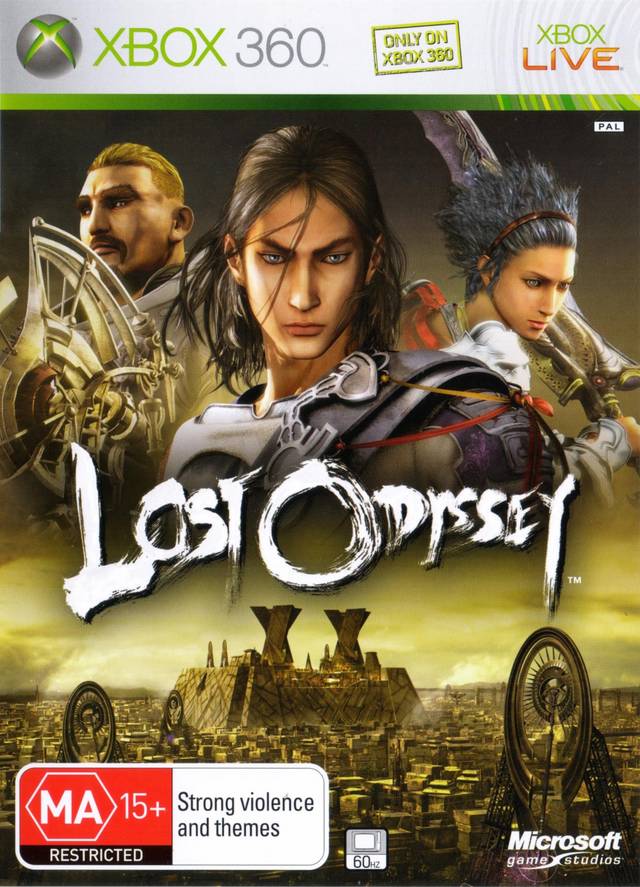
Mistwalker and Sakaguchi delivered a classic JRPG experience with Lost Odyssey, a love letter to the genre's golden age. The "1000 Years of Dreams" short stories were poignant and unforgettable, elevating the already strong turn-based combat and epic narrative. It was an Xbox 360 exclusive, which undoubtedly limited its reach, but for those who played it, it was a reminder of what a truly heartfelt, traditional JRPG could be.
11. Vagrant Story (2000)
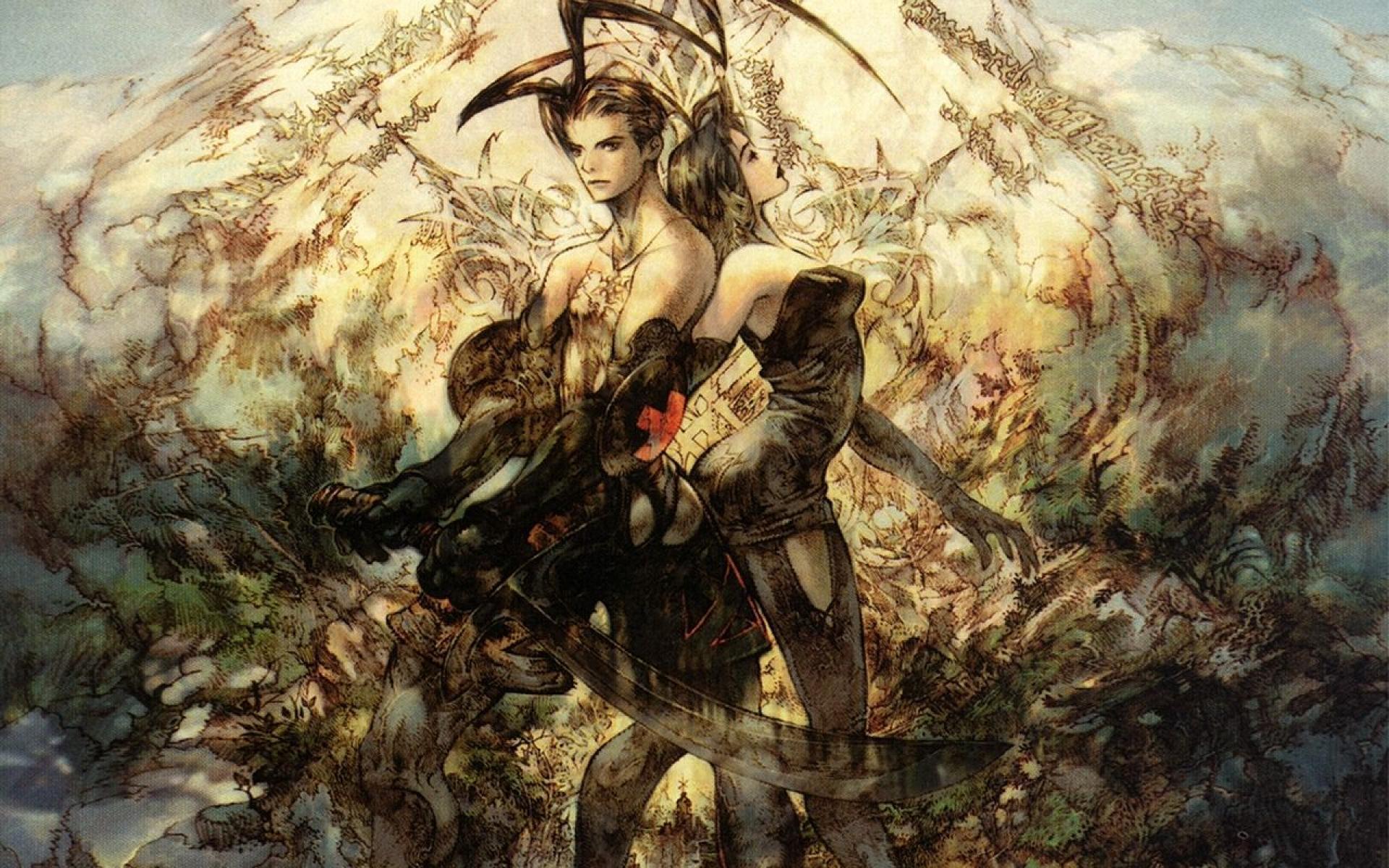
Vagrant Story on the PS1 was Square's dark, complex masterpiece. It wasn't about flashy summons or easy victories; it was a deep, intricate action RPG with a demanding combat system focused on weapon customization and enemy body parts. Its mature narrative and incredible atmosphere were ahead of their time, but its difficulty and unique mechanics made it a hardcore niche favorite, rather than a mainstream hit. A true gamer's game.