
1 / 11

1. Pong (1972)
This simple electronic tennis game wasn't just a novelty; it was the spark. It showed the world that interactive entertainment could exist beyond arcades, bringing rudimentary digital play into homes. Its success validated a nascent industry, proving a market for video games. Pong's two paddles and bouncing square were the primitive ancestors of every complex virtual world we inhabit today, a fundamental shift in leisure and technology.
2 / 11
2. Space Invaders (1978)
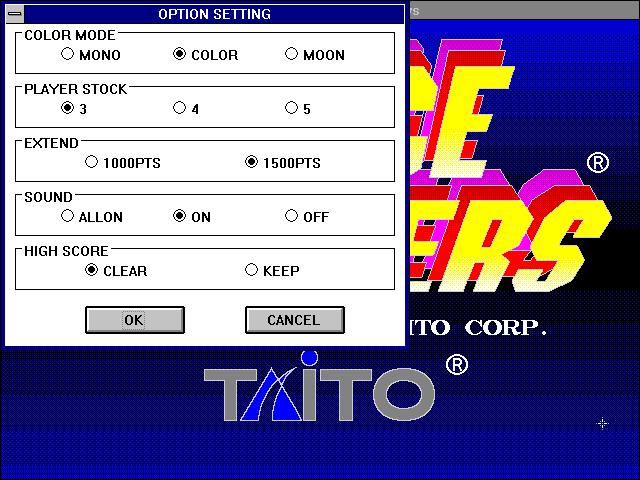
Before this, arcade games were diversions. Space Invaders, with its relentless, descending aliens and escalating tension, became a cultural phenomenon. It wasn't just about high scores; it was about survival against overwhelming odds, a primal appeal that gripped millions. This game cemented the arcade as a social hub and a significant entertainment medium, demonstrating the addictive power of simple, well-executed gameplay loops.
3 / 11
3. Pac-Man
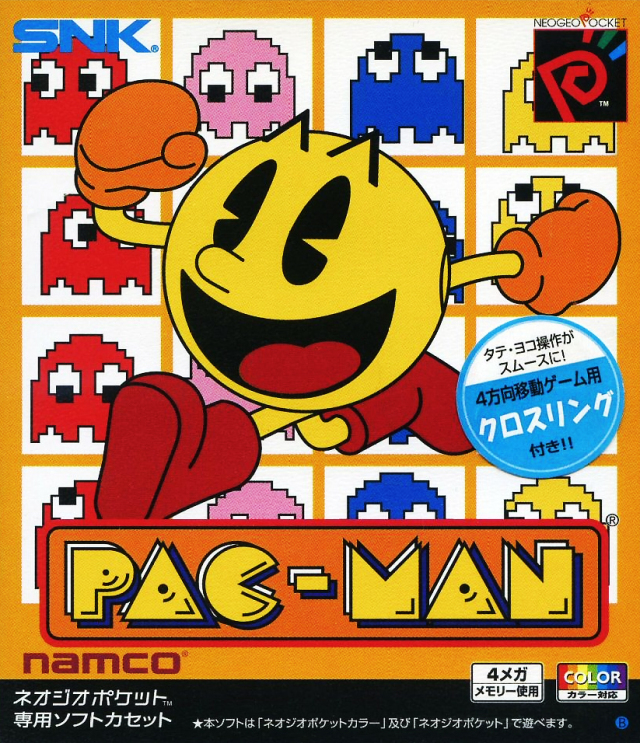
The yellow muncher transcended gaming. Pac-Man introduced characters with personality, a concept that broadened gaming's appeal beyond a niche market. Its maze-chasing, ghost-evading mechanics were instantly understandable, yet offered surprising depth. More than just a game, it became a merchandising juggernaut, proving games could be mass-market cultural icons, changing how entertainment industries viewed interactive media and intellectual property.
4 / 11
4. Super Mario Bros.
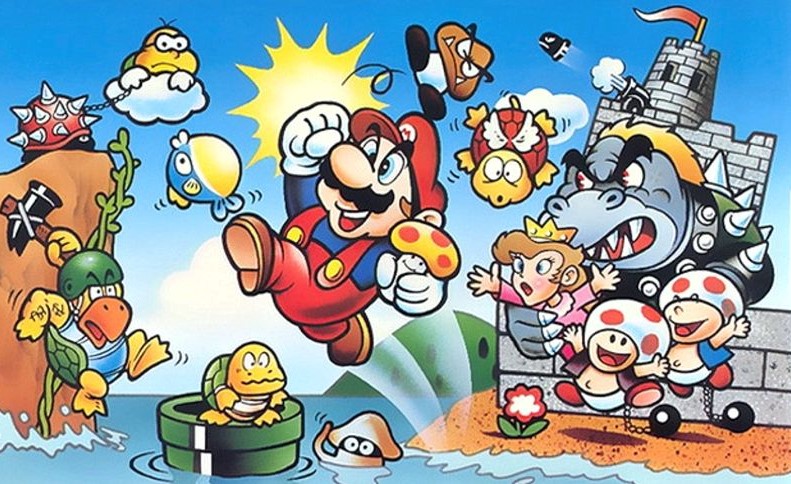
This wasn't merely a game; it was a masterclass in design. Super Mario Bros. defined the modern platformer, establishing conventions still used today. Its expansive levels, secret passages, and responsive controls were revolutionary, inviting exploration and rewarding skill. It rescued the home console market after the 1983 crash, proving that well-crafted, joyous experiences could captivate an entire generation and resurrect an industry.
5 / 11

5. Tetris (1984)
Born in the Soviet Union, Tetris proved that a game didn't need elaborate graphics or a complex narrative to be universally addictive. Its geometric puzzle-solving tapped into fundamental human instincts for order and completion. Tetris demonstrated the power of pure gameplay mechanics, becoming a global phenomenon across countless platforms, from arcades to handheld devices, solidifying puzzle games as a genre with immense mainstream appeal.
6 / 11

6. DOOM (2016)
While the original DOOM pioneered the FPS genre, the 2016 iteration redefined it for a new era. It eschewed modern cover-shooter trends, opting for relentless, aggressive combat and a masterfully crafted power fantasy. It proved that a single-player, linear campaign could still be commercially successful and critically acclaimed, revitalizing a genre often criticized for stagnation and showing how to honor legacy while innovating.
7 / 11
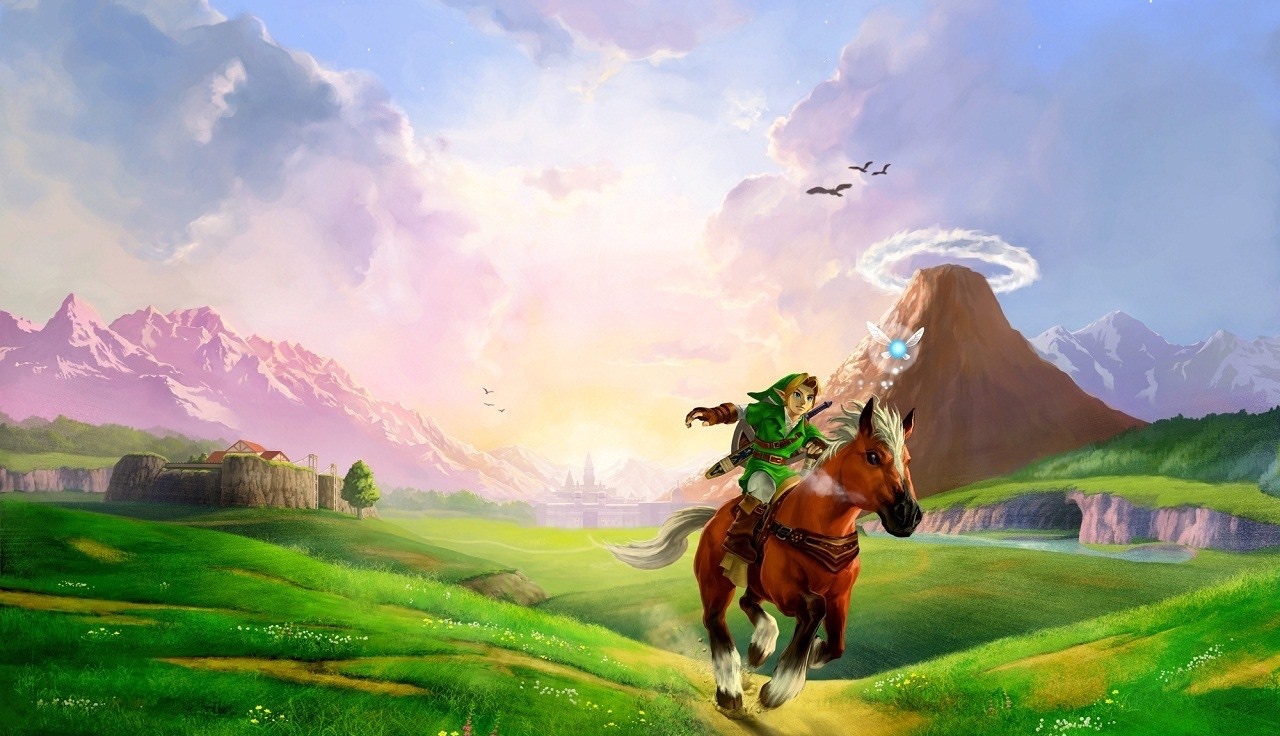
7. The Legend of Zelda: Ocarina of Time
This was the blueprint for 3D adventure games. Ocarina of Time innovated with its Z-targeting system, contextual button presses, and seamless transition to a fully realized 3D world. Its epic scope, compelling narrative, and memorable characters created an immersive experience unlike any before it, setting a new standard for storytelling and exploration in interactive media and influencing countless titles.
8 / 11
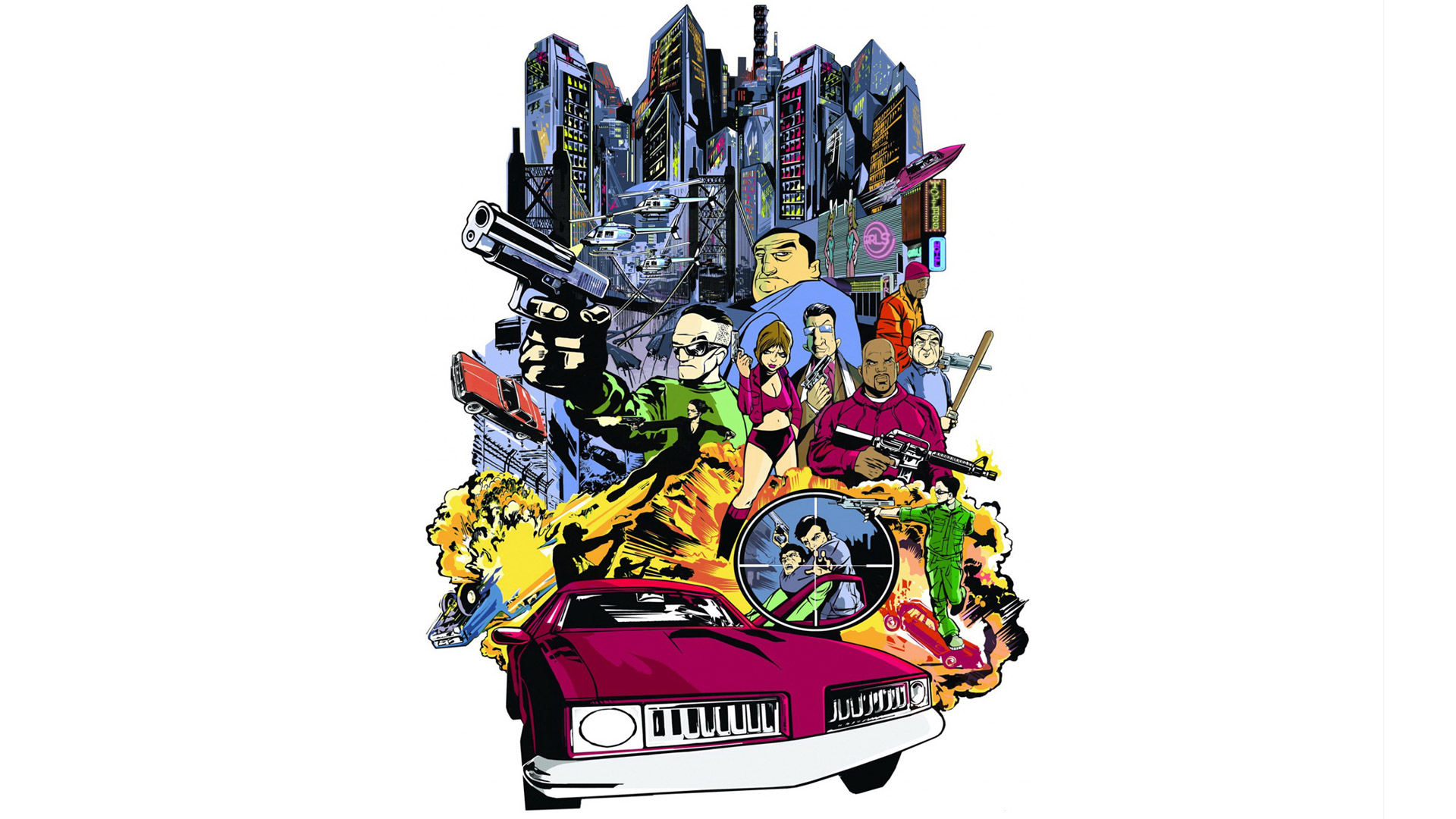
8. Grand Theft Auto III
This game blew the doors off open-world design. Grand Theft Auto III delivered an unprecedented level of freedom, allowing players to explore a sprawling, living city filled with missions, side activities, and sheer chaos. It normalized mature themes and non-linear gameplay in a way that shocked and captivated, establishing a template for sandbox games that continues to dominate the industry.
9 / 11

9. World of Warcraft
World of Warcraft wasn't just an MMO; it was a virtual second life for millions. It perfected the formula for online persistent worlds, offering deep lore, compelling progression, and a vibrant social ecosystem. Its success proved the viability of subscription-based online gaming and created a global community, demonstrating the immense power of shared virtual experiences and ongoing content delivery.
10 / 11
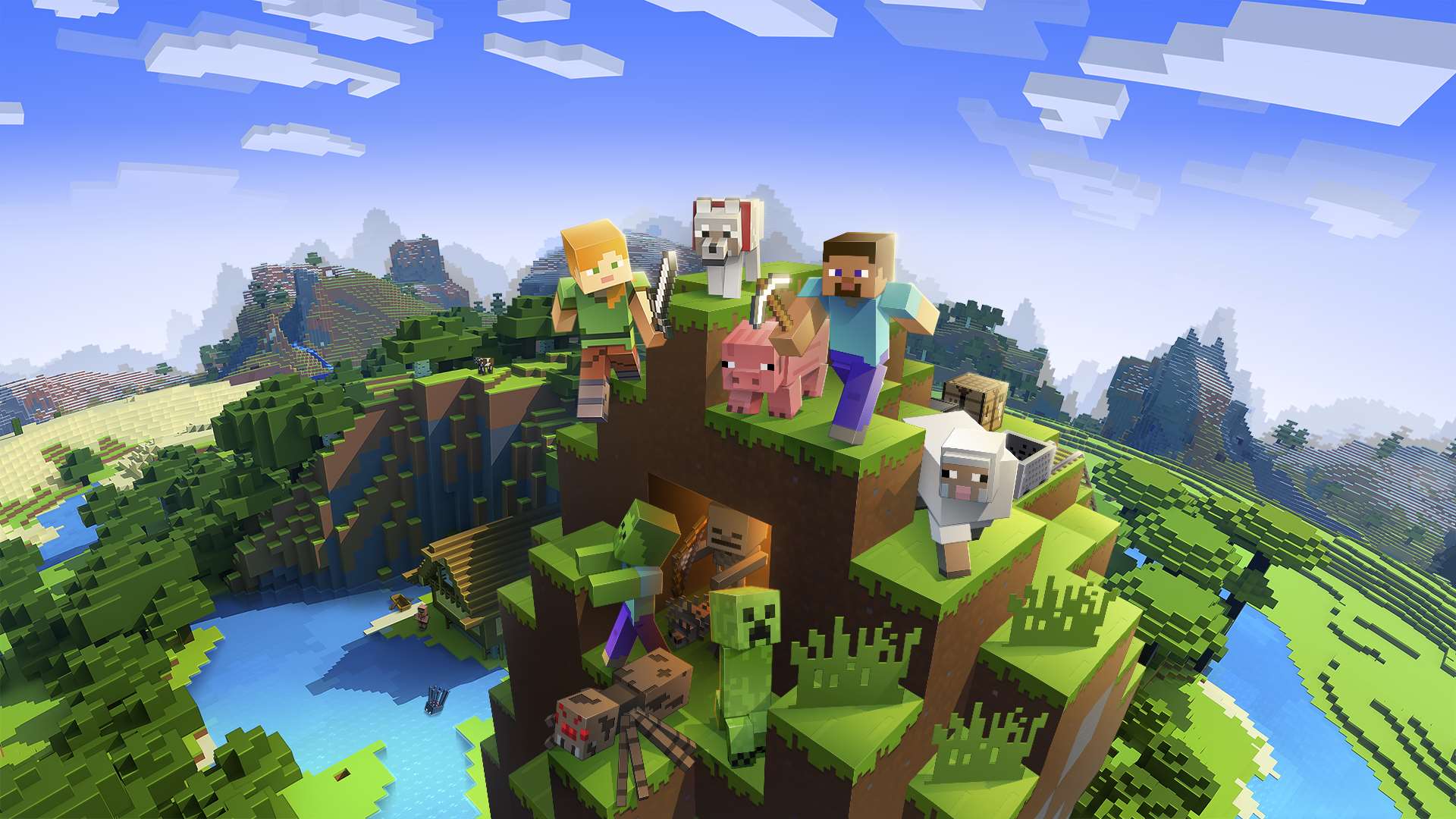
10. Minecraft
Minecraft democratized game creation. Its block-based, procedurally generated world offered unparalleled freedom to build, explore, and survive. It wasn't just a game; it was a platform for creativity, allowing players to construct anything imaginable. Minecraft’s success redefined what a game could be, fostering a new generation of digital architects and proving that player-driven content could create a global phenomenon.
11 / 11
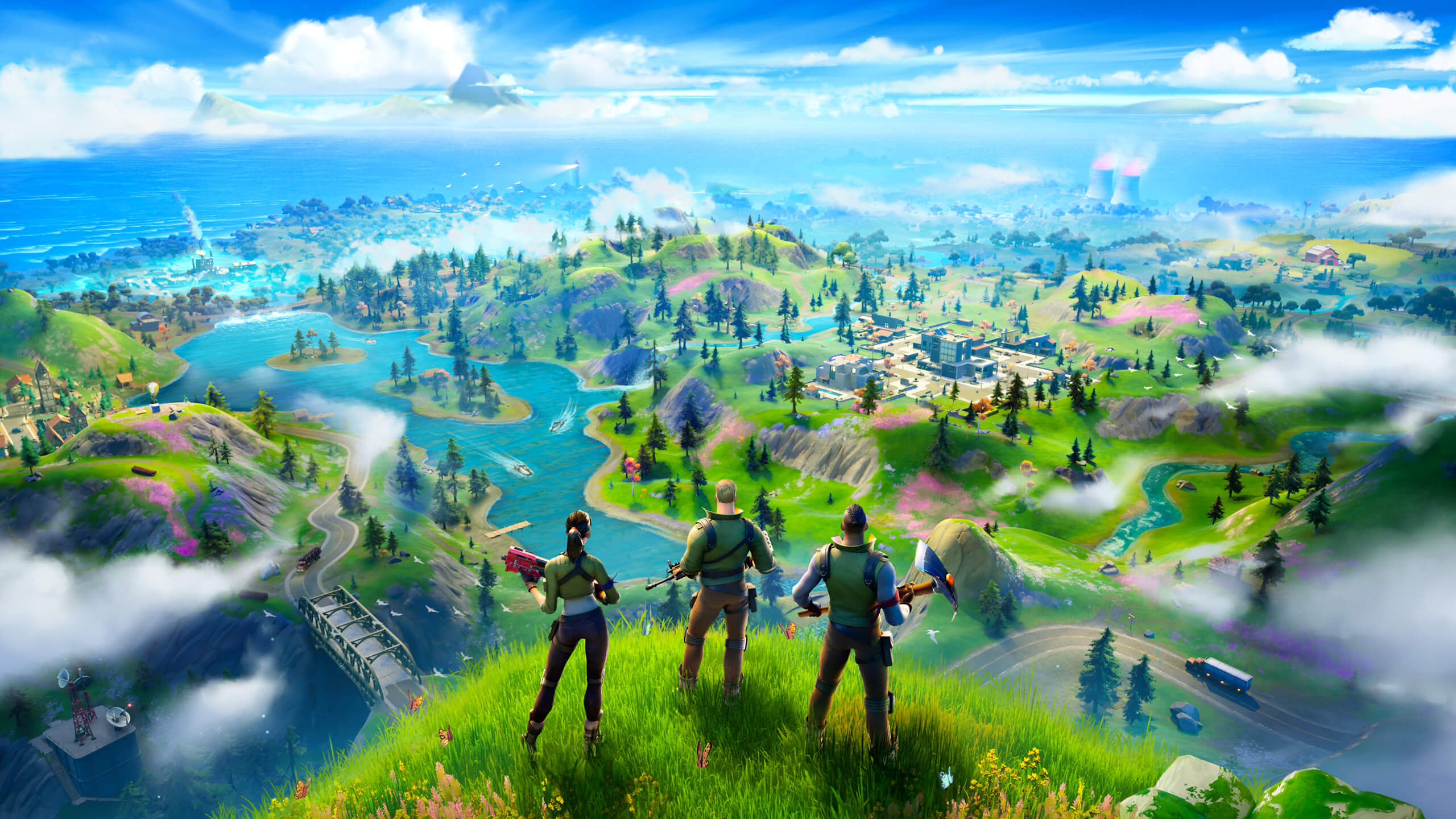
11. Fortnite Battle Royale
This game didn't invent the battle royale genre, but it perfected its mass-market appeal. Fortnite's blend of accessible shooting, unique building mechanics, and constant cultural integration transformed it into a global phenomenon. It proved the power of the free-to-play model, live-service updates, and cross-platform play, becoming a social hub as much as a game, influencing pop culture and digital economies.