1 / 11
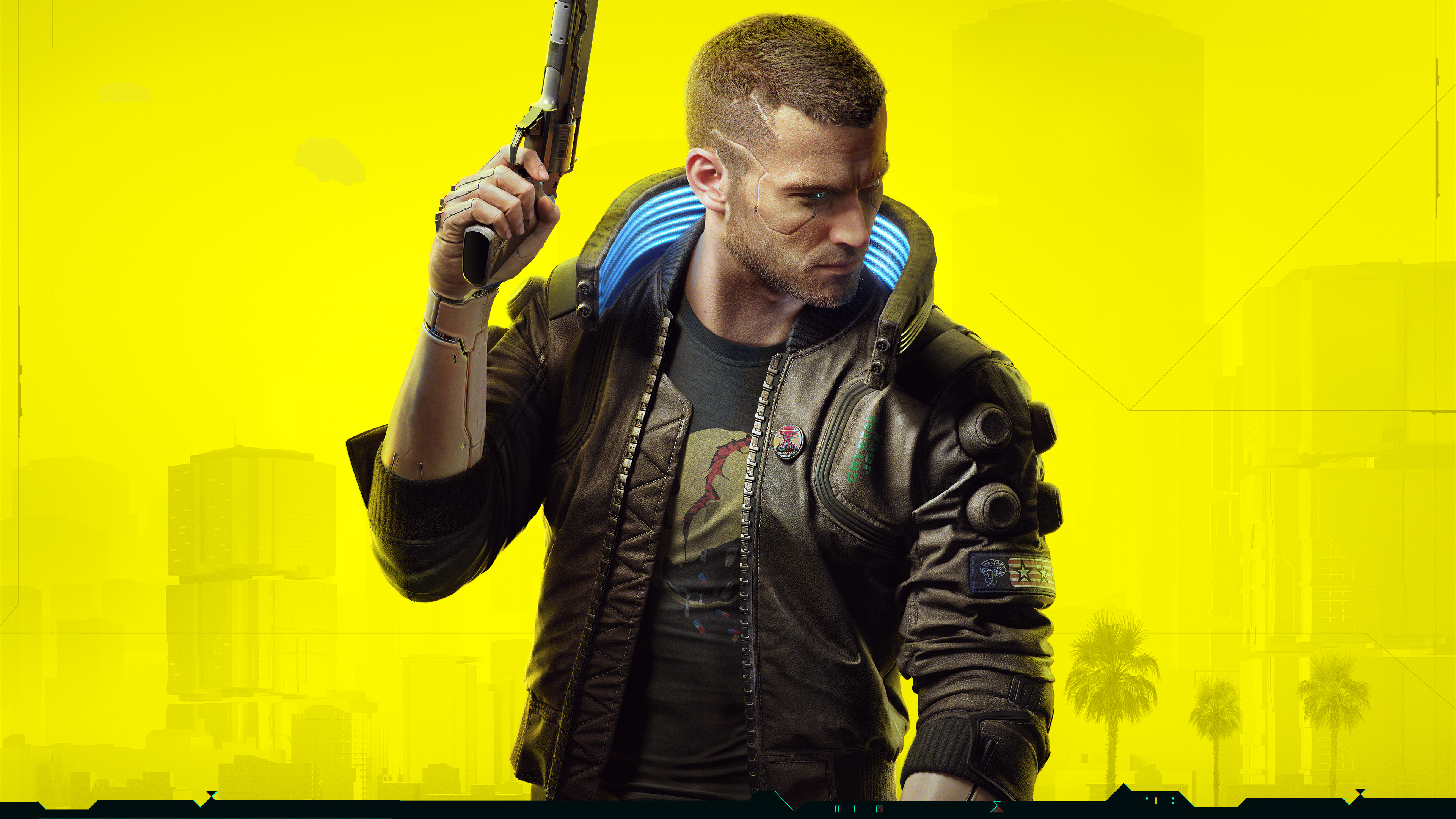
1. Cyberpunk 2077
Remember the hype? Night City was supposed to be the future, but at launch, it felt like a glitchy past. CD Projekt Red promised a sprawling RPG, and while the core narrative had sparks, the technical state and missing features were a gut punch. The subsequent patches helped, but the initial "fixes" were just getting it to a playable state, not adding content beyond the base game. It was a stark reminder that even beloved studios can over-promise and under-deliver, selling us dreams only to hand us a buggy mess.
2 / 11
2. No Man's Sky
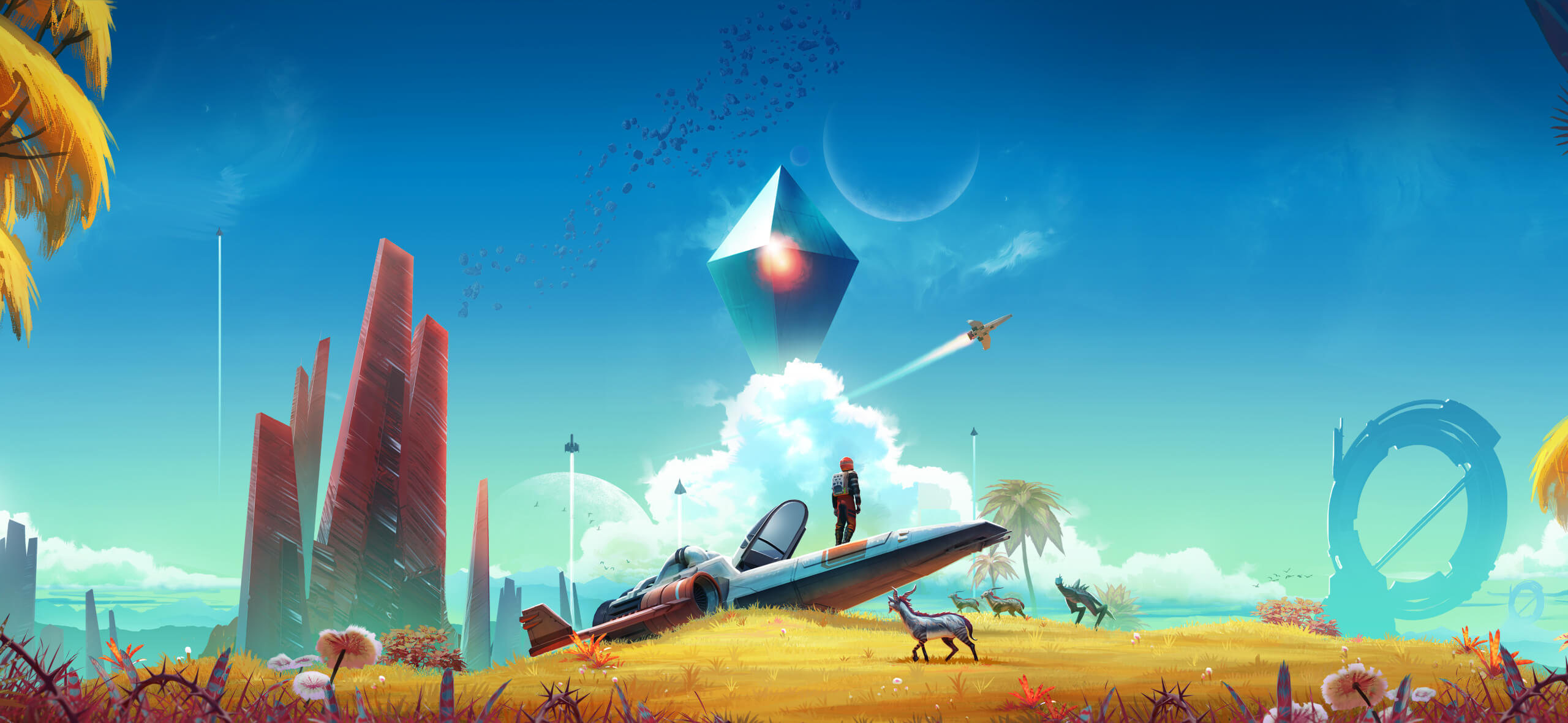
Oh, the grand cosmic lie. We were sold infinite possibilities, diverse planets, and meaningful multiplayer. Instead, we got a barren, repetitive grind-fest with a shocking lack of promised features. Hello Games eventually turned it around, bless their hearts, but that initial release was a masterclass in bait-and-switch. The "fix" wasn't some microtransaction band-aid, it was years of actual development. It proved you don't need paid shortcuts to mend a broken dream, just honest work.
3 / 11
3. Diablo: Immortal
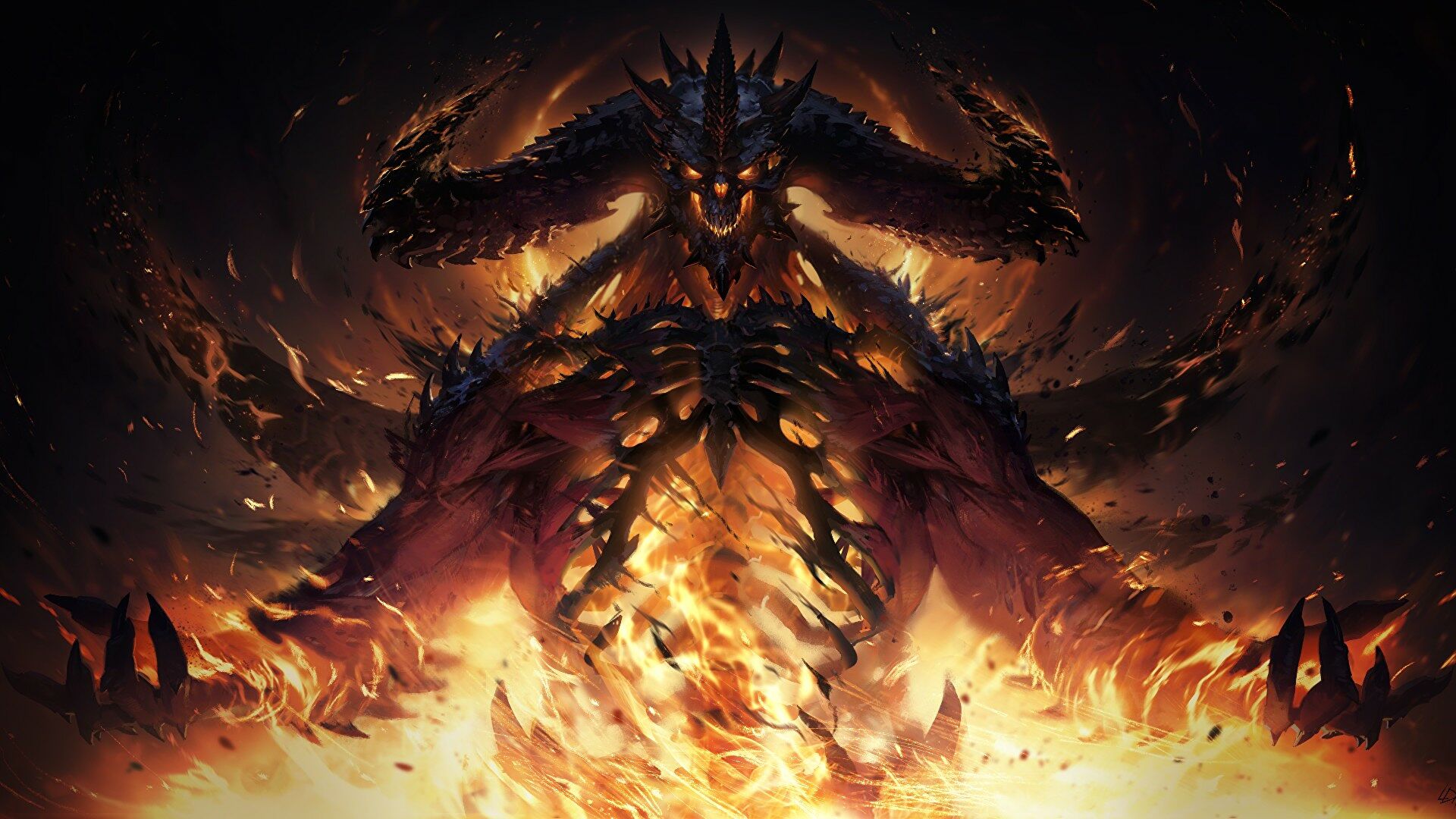
"Do you guys not have phones?" Yeah, we do, and we also have wallets. This game took the beloved Diablo name and slapped a predatory casino onto it. Pay-to-win was baked into the core progression, making it less about skill or grinding and more about how deep your pockets were for legendary gems. It was a blatant cash grab, a cynical attempt to milk a loyal fanbase, proving that some "fixes" are just deeper hooks for your money.
4 / 11
4. STAR WARS Battlefront II
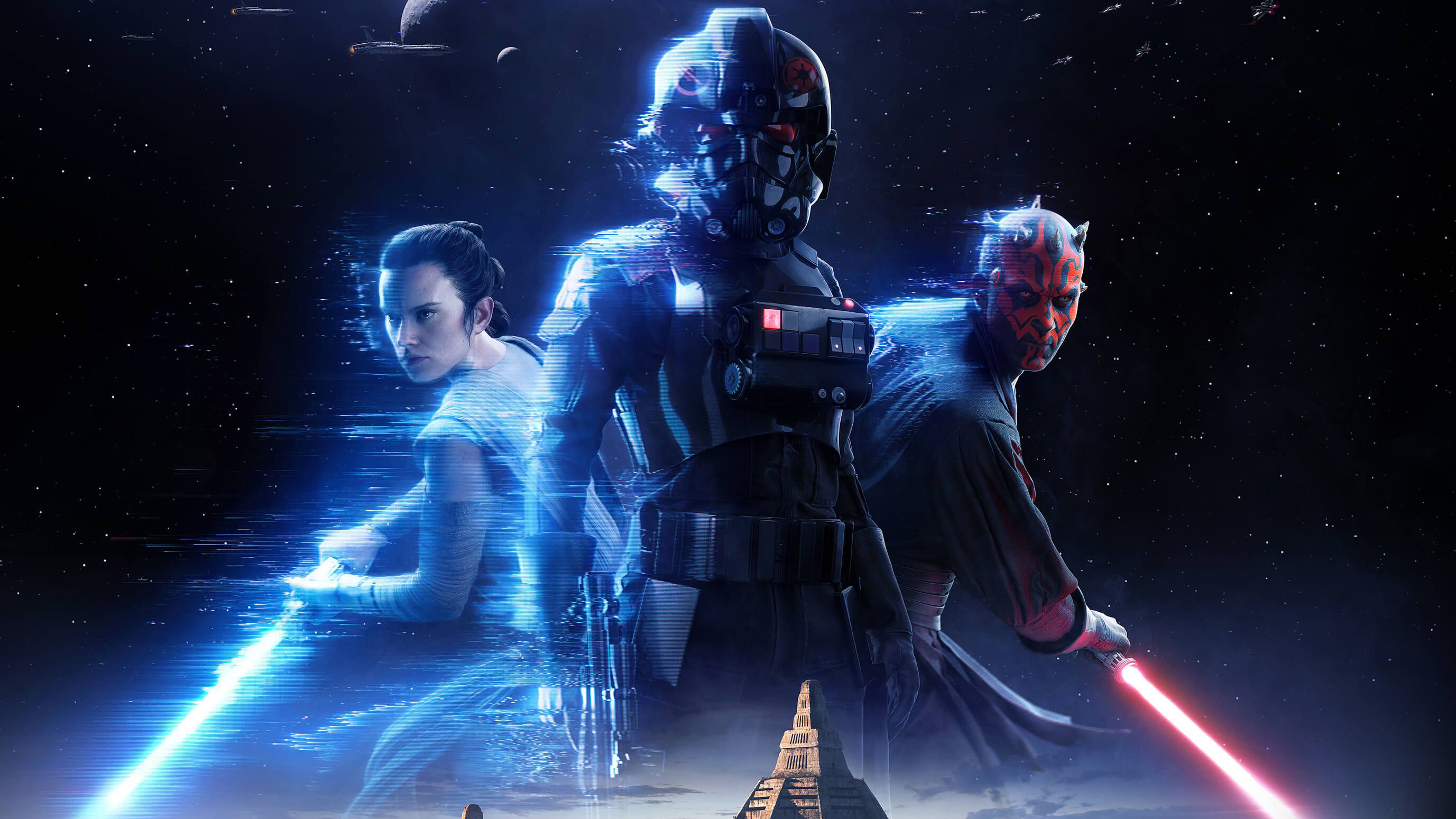
The poster child for loot box outrage. Remember when progression was locked behind randomized gambling? EA tried to sell us hero characters and gameplay advantages in blind boxes. The backlash was so intense, governments started looking at regulating loot boxes as gambling. They eventually "fixed" it by removing the pay-to-win elements, but the initial design was a stark example of how publishers will push the ethical envelope until players push back hard.
5 / 11
5. Anthem
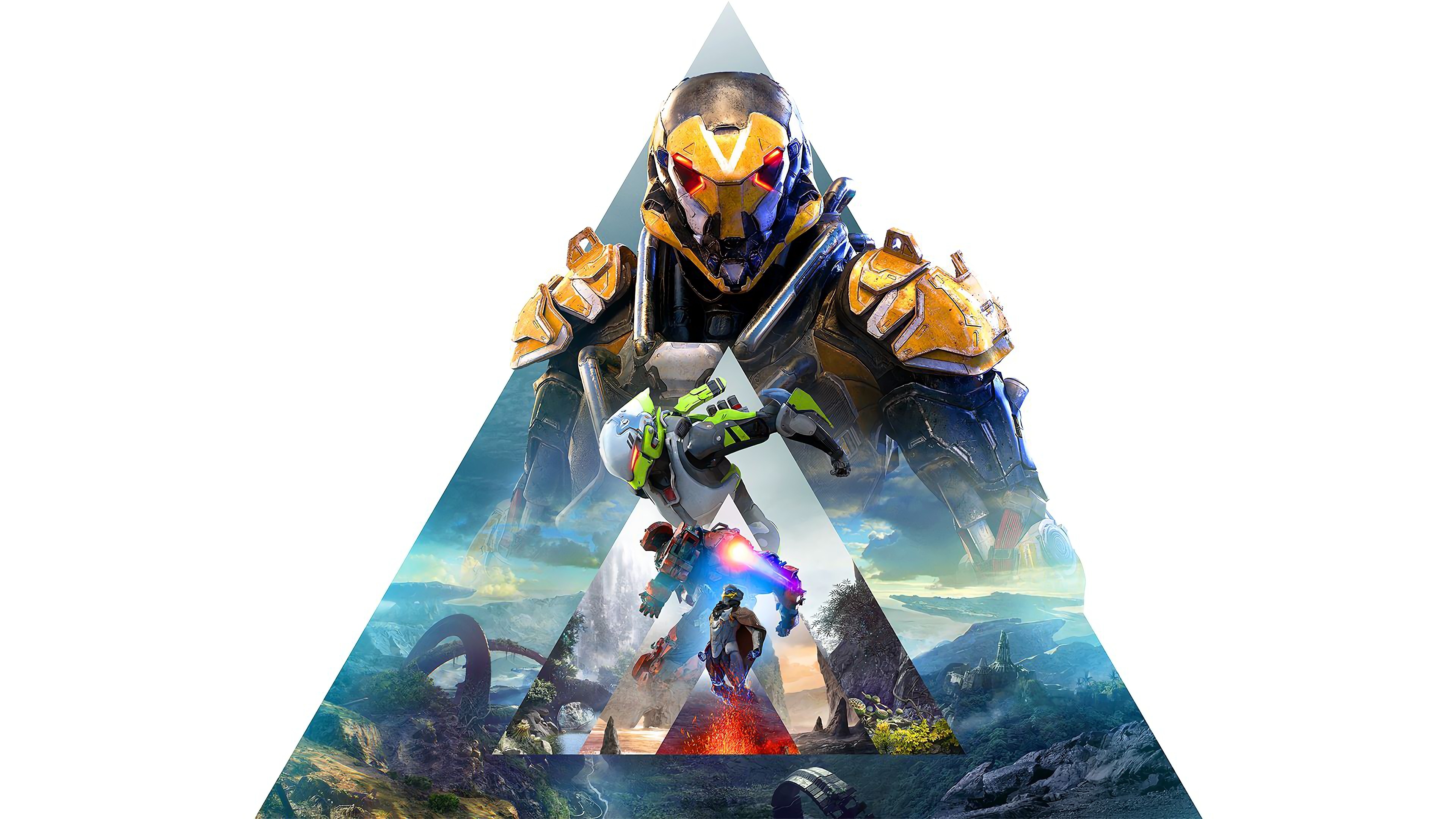
BioWare’s ambitious, yet utterly broken, attempt at a live-service looter-shooter. We were promised Iron Man suits in a beautiful world, but got repetitive missions, a paper-thin story, and an endgame that evaporated faster than our enthusiasm. The "fixes" were too little, too late, mostly just cosmetic microtransactions for a game that fundamentally lacked compelling reasons to play. It’s a tragic tale of wasted potential and design choices that never landed.
6 / 11
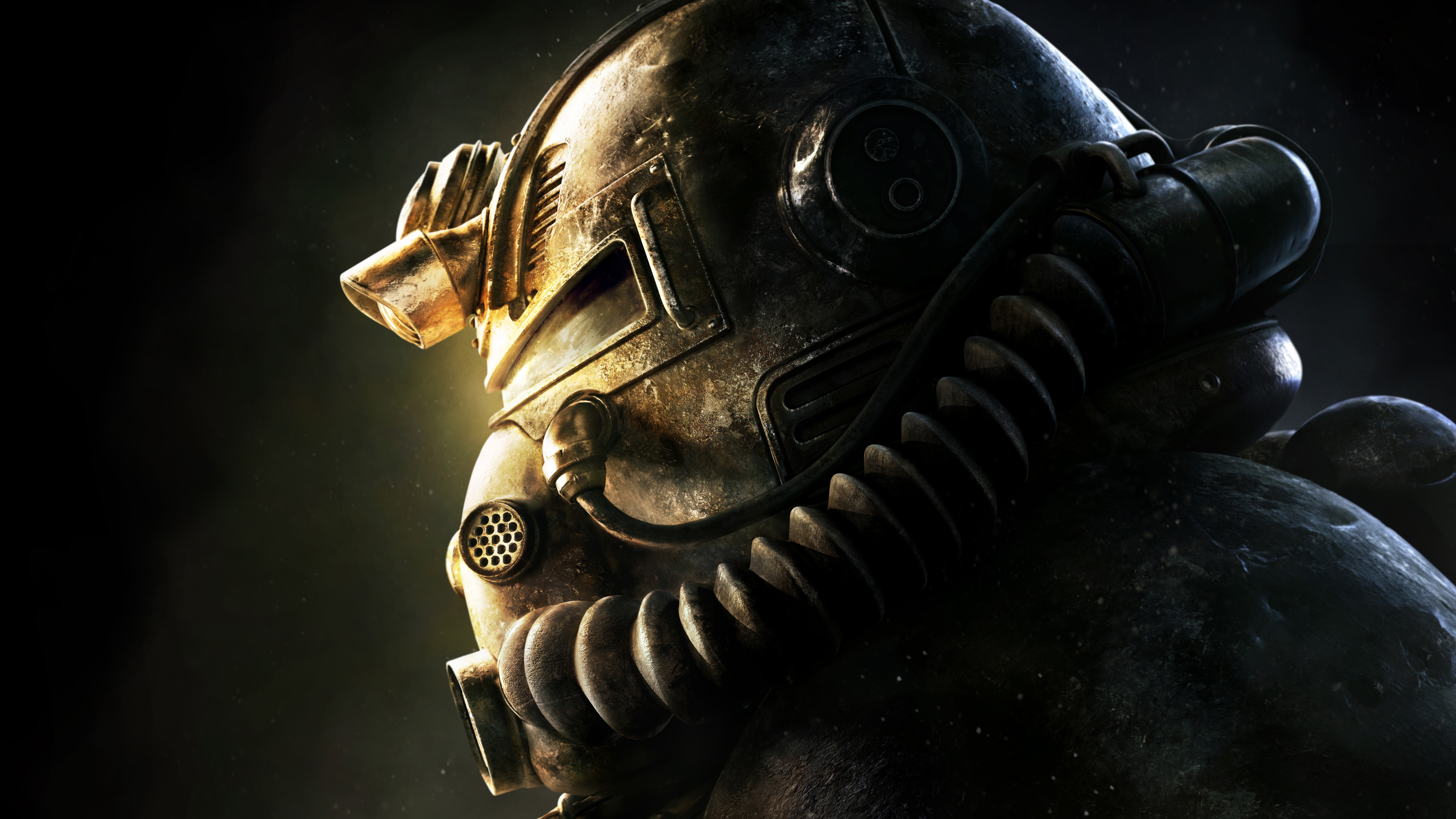
6. Fallout 76
From single-player RPG greatness to a multiplayer survival mess. Bethesda launched this riddled with bugs, empty worlds, and questionable design decisions like a subscription service (Fallout 1st) for basic features like private worlds and infinite scrap storage. The "fixes" often felt like bandages over gaping wounds, and the community's trust was shattered. It was less about making the game better and more about selling convenience in a game that shouldn't have needed it.
7 / 11
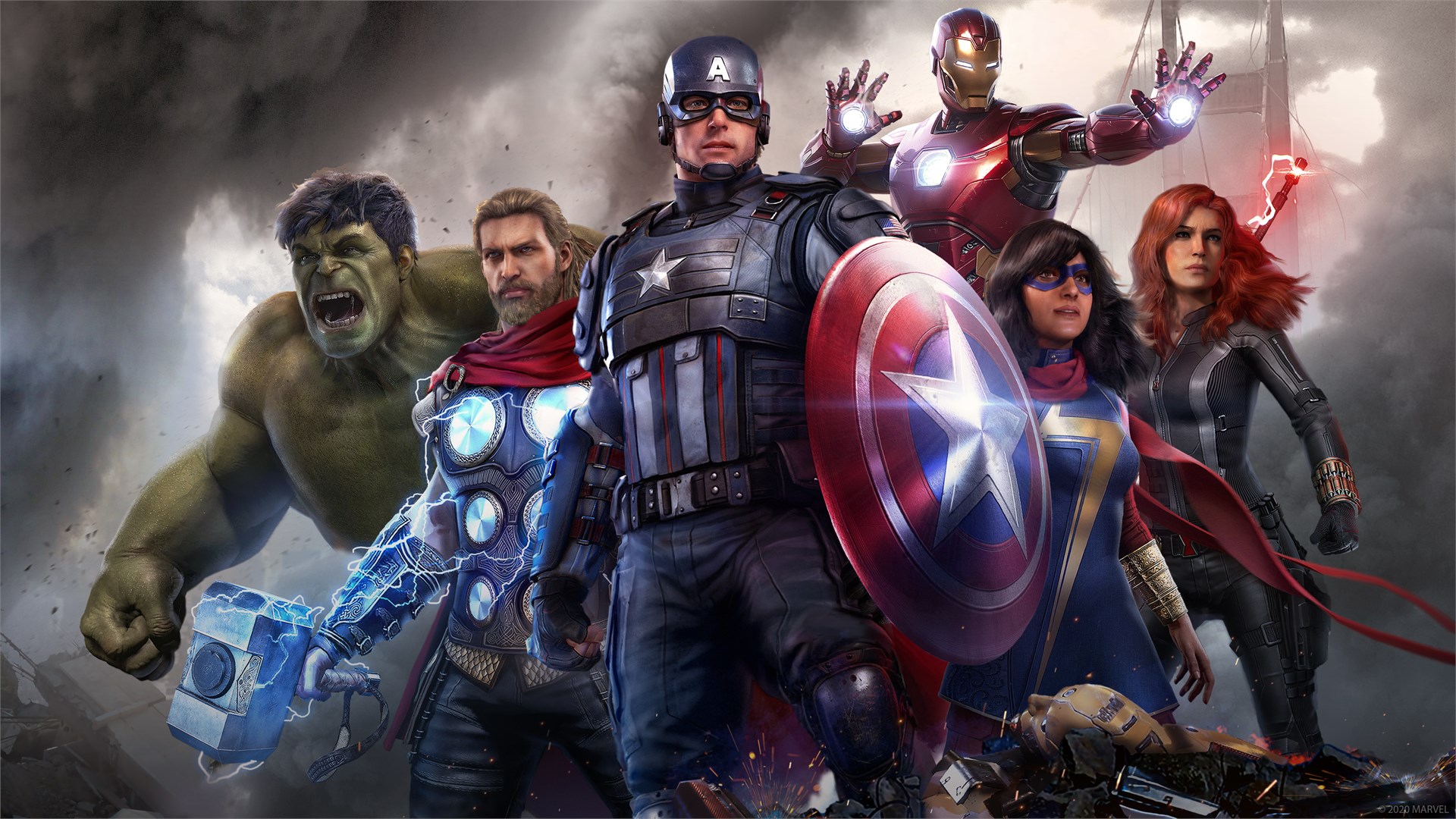
7. Marvel’s Avengers
A live-service superhero fantasy that felt more like a chore. Repetitive missions, a grindy power level system, and a constantly rotating cash shop for skins that should have been unlockable through gameplay. It failed to capture the magic of the MCU or even good comic book games, instead delivering a shallow experience. The "fixes" were mostly new characters and cosmetic bundles, never truly addressing the core issue of its uninspired gameplay loop.
8 / 11
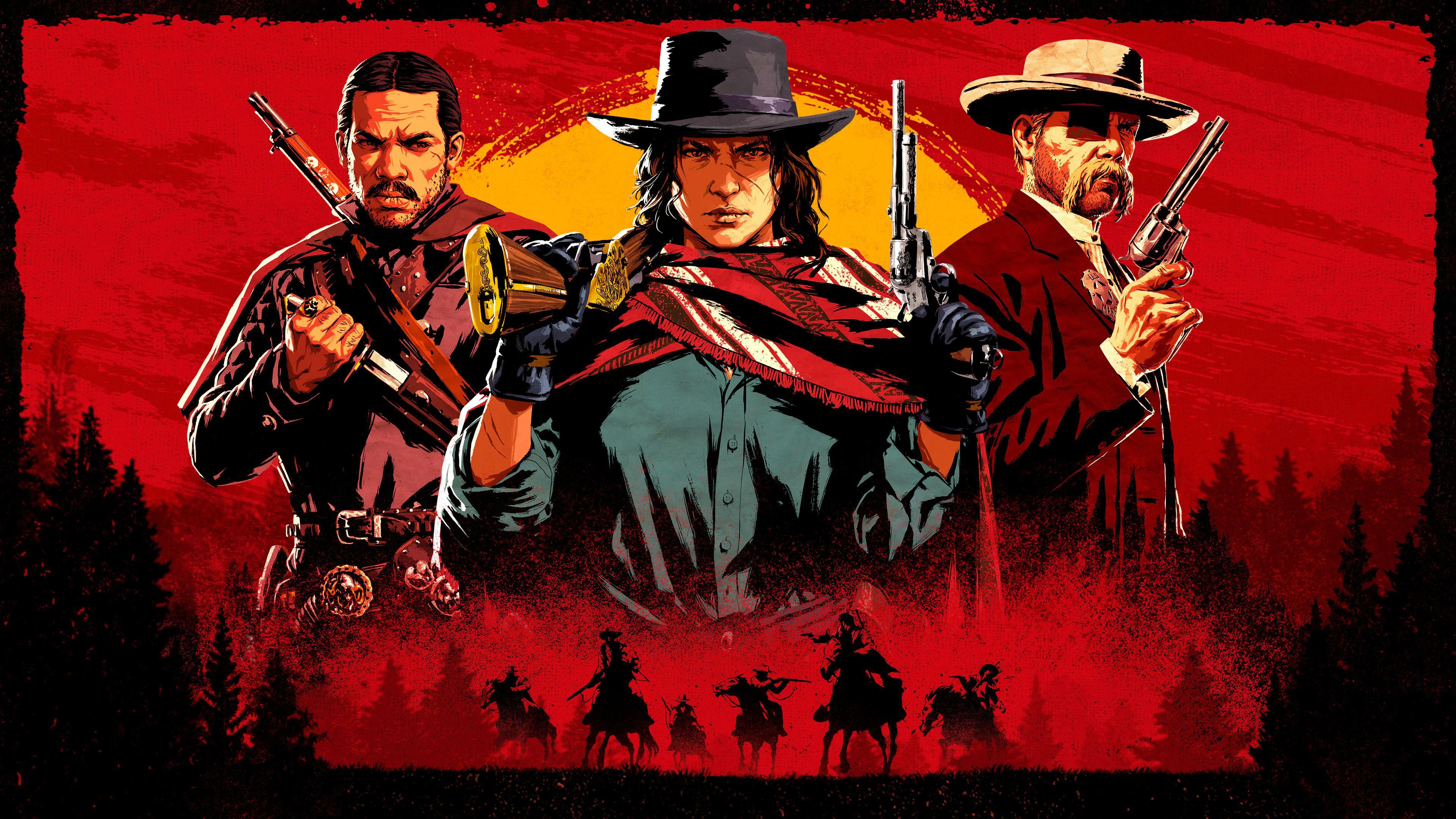
8. Red Dead Online
Following the immense success of RDR2's single-player, the online component felt like an afterthought. Content updates were sparse, the grind for in-game currency (gold bars) was glacial, pushing players towards real-money purchases. It never quite found its footing, feeling like a less engaging, slower GTA Online without the same chaotic charm. The "fixes" were often just new cosmetic items or small activities, never truly expanding the world in meaningful ways that justified the grind.
9 / 11
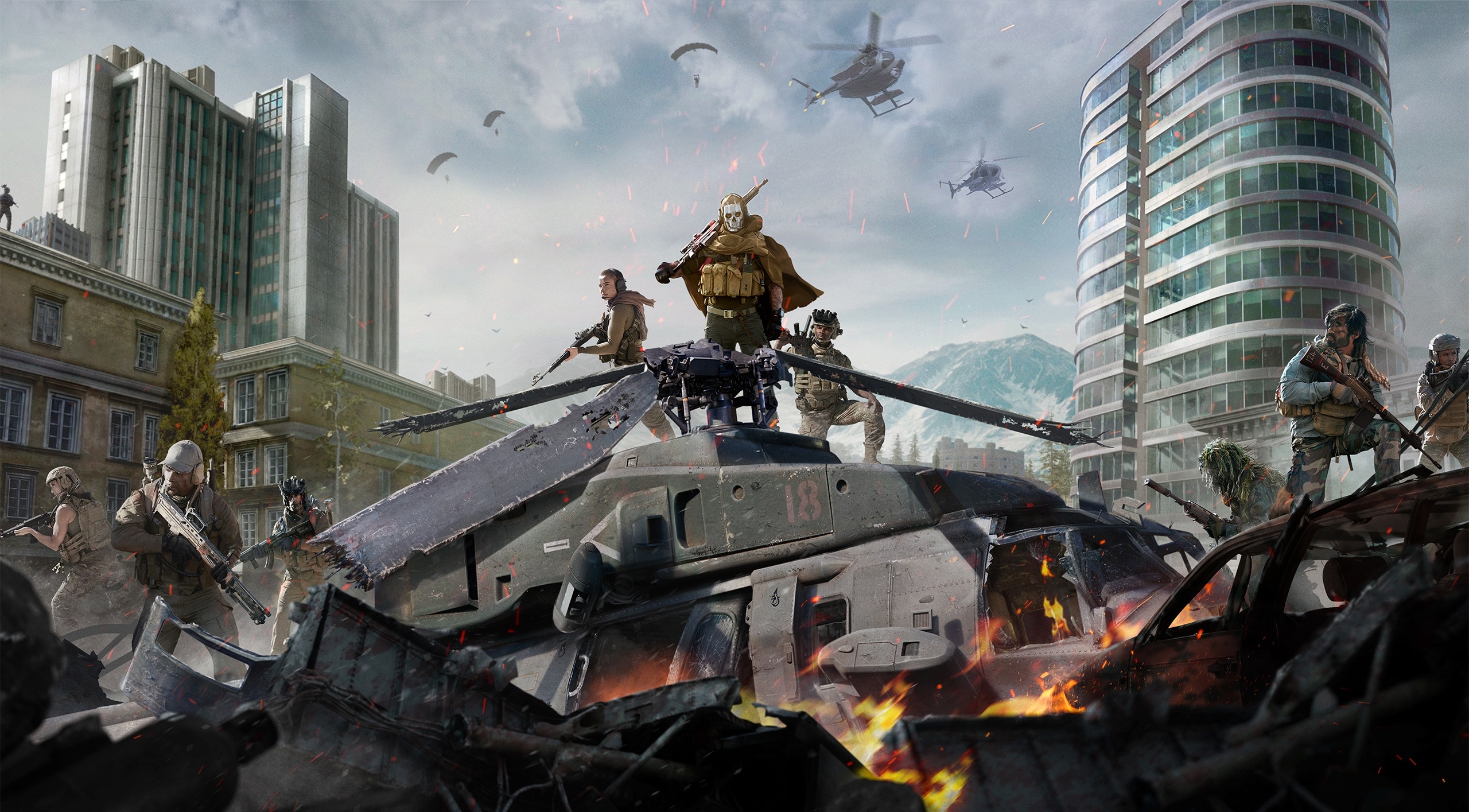
9. Call of Duty: Warzone
A titan of the battle royale genre, but also a masterclass in aggressive monetization. Its free-to-play model is propped up by a constant stream of expensive cosmetic bundles, pay-to-win weapon blueprints (at least initially, before balancing), and a battle pass that demands serious playtime or premium currency. The "fixes" often felt like balancing tweaks for weapons that were intentionally overpowered to sell blueprints, blurring the lines between fair play and financial incentive.
10 / 11
10. Grand Theft Auto V
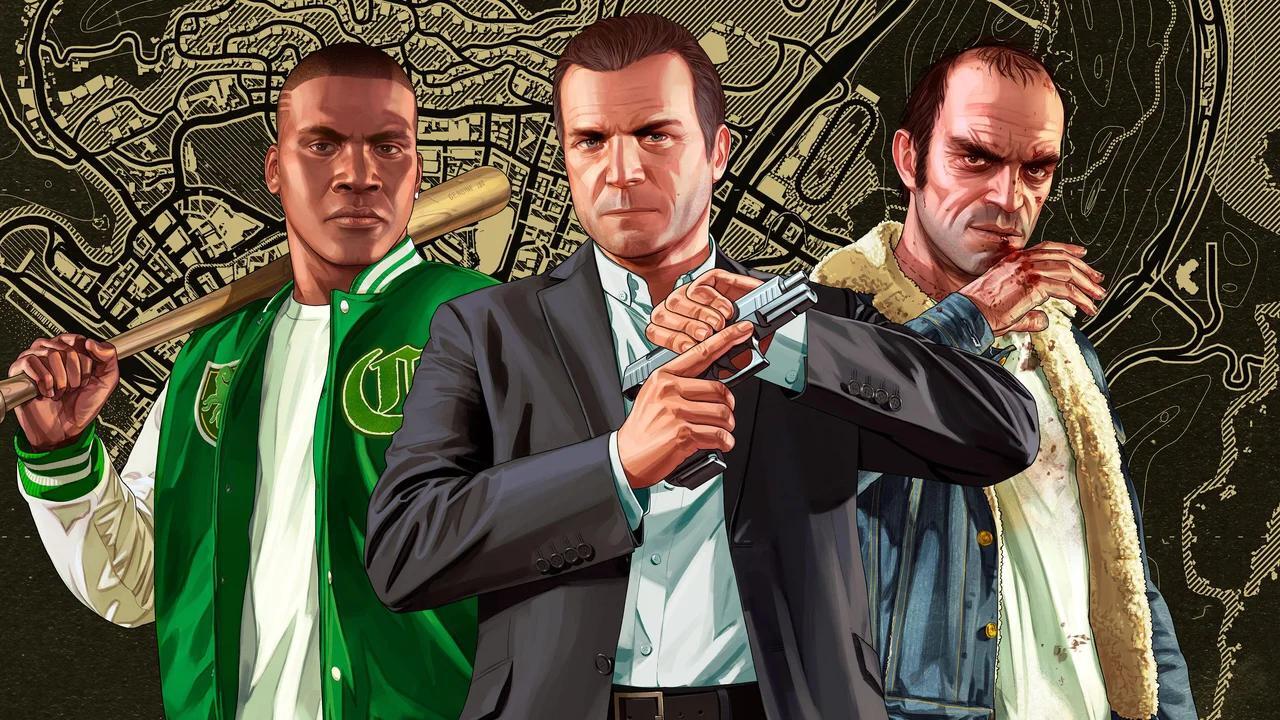
The gift that keeps on giving, primarily to Rockstar. GTA Online is a monumental success, but it's built on a foundation of grind and Shark Cards. Want that cool new car or lavish apartment? Either sink hundreds of hours into repetitive missions or open your wallet. The "fixes" are new content, yes, but almost always accompanied by more expensive items, ensuring the Shark Card economy remains perpetually relevant and lucrative. It's a gold standard for long-term monetization.
11 / 11
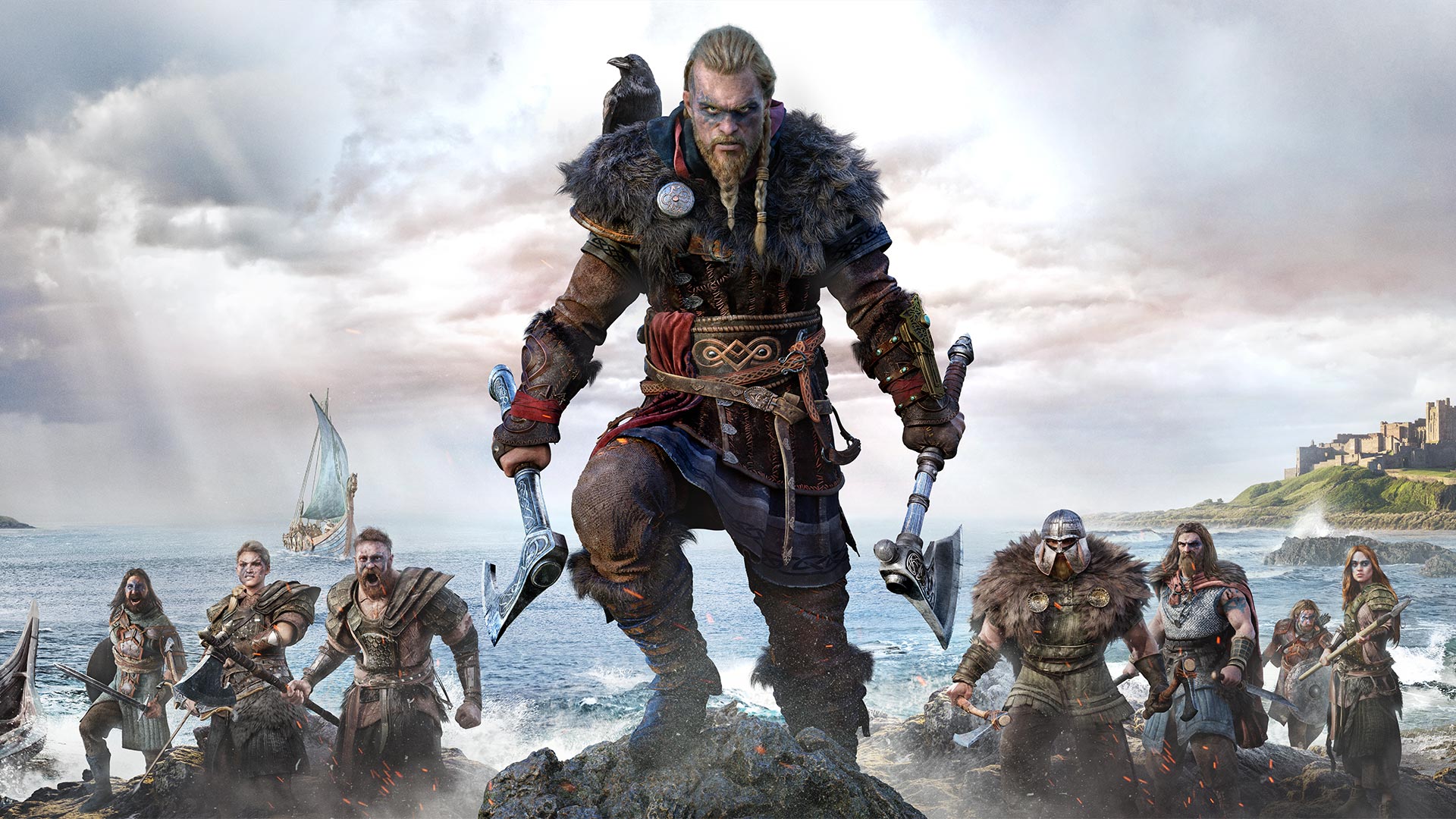
11. Assassin's Creed Valhalla
A sprawling open-world RPG that, despite its size, felt the need to sell "time savers." XP boosters, resource packs, and even cosmetic armor sets were available for real money, essentially letting you bypass parts of the core gameplay loop. It’s a classic example of creating a problem (slow progression) and then selling the solution, undermining player agency and the very idea of exploration and reward in an RPG.