

1 / 11
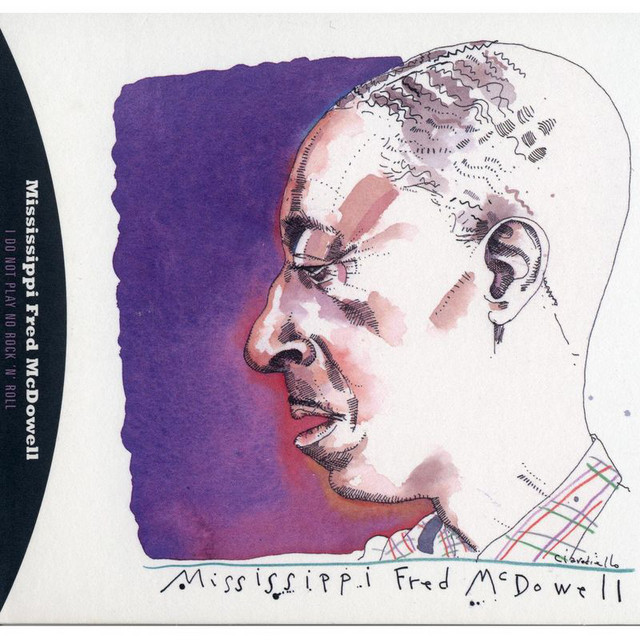
1. I Do Not Play No Rock 'N' Roll: The Complete Sessions
Big Mama Thornton, straight from the gut, laid down this gospel-tinged blues testament in '70. It’s raw, no frills, a direct descendant of the foundational moan and shout. Her voice, a force of nature, cuts through with a grit that most rock 'n' roll pretenders only dreamed of. This ain't about flashy licks; it's the unvarnished truth, the kind of soul-baring that makes you feel every single mile of her journey. A deep, resonant bellow from the heart of the blues tradition.
2 / 11

2. A Web of Sound (Deluxe Reissue)
The Seeds, man, they were the quintessential garage band, and this '66 record is their snarling, psychedelic manifesto. Forget the polished pop, this is primal rock, drenched in fuzz and adolescent angst. The "Deluxe Reissue" just adds more fuel to the fire, highlighting their raw energy and Sky Saxon's unique, almost shamanistic delivery. It’s a blueprint for punk’s sneer and a testament to the primal urge that shook early rock off its hinges. Unadulterated, unhinged, and absolutely essential.
3 / 11
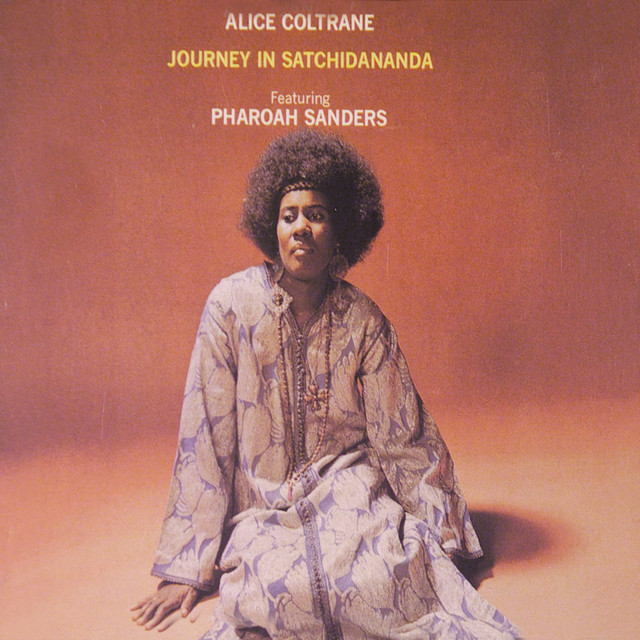
3. Journey in Satchidananda
Alice Coltrane, by '71, was charting new cosmic territory with "Journey in Satchidananda." This ain't your daddy's bebop; it's a deep, spiritual jazz odyssey, weaving harp, organ, and Pharoah Sanders' wailing saxophone into a tapestry of transcendental sound. It's got that free jazz spirit but guided by a devotional grace, pushing past earthly concerns into a truly expansive, almost ambient space. An intensely personal yet universally resonant exploration of sound as meditation.
4 / 11

4. The Faust Tapes
Faust, by '73, was already dismantling notions of what a rock band could be. "The Faust Tapes" isn't an album in the traditional sense; it's a sonic collage, a disorienting, exhilarating cut-and-paste job of industrial clang, minimalist drones, and fragmented pop. It’s Krautrock at its most audacious, a deliberate act of anti-music that somehow coalesces into a singular, jarring vision. This record is a direct ancestor to industrial noise and post-punk's fractured aesthetics, a true mind-bender.
5 / 11

5. Dub Housing
Pere Ubu’s "Dub Housing" from '78 is a masterclass in post-punk's inherent weirdness. David Thomas's caterwaul cuts through a landscape of angular guitars and propulsive, almost industrial rhythms. It’s got the nervy energy of punk but twisted into something far more abstract and unsettling, a truly unique sound. This isn't just rock; it's a deconstruction of it, built on a foundation of Ohio rust belt alienation and a keen sense of avant-garde composition. Disjointed, brilliant, and utterly captivating.
6 / 11

6. Suicide (2019 - Remaster)
Suicide’s 1977 debut, in its 2019 remastered glory, still feels like a transmission from a dystopian future. Alan Vega's sneering, shamanistic vocals over Martin Rev's stark, primitive electronic pulses and drum machine minimalism invented a whole new kind of confrontational art. This isn't rock 'n' roll; it's pure, unadulterated urban dread, a blueprint for industrial and noise-rock. It's got that raw punk ethos, but stripped down to its most terrifying, hypnotic essence.
7 / 11

7. Thirty-Second Annual Report
The Residents, in '72, dropped "Thirty-Second Annual Report," a glimpse into their early, utterly bizarre world. It's not really an album, but rather a collection of their first recordings, a mishmash of avant-garde sound experiments, tape loops, and cryptic narratives. This is early electronic minimalism colliding with Dadaist absurdity, challenging every convention of what music could be. It's foundational weirdness, a proto-industrial, proto-post-punk journey into the unknown that paved the way for countless sonic explorers.
8 / 11
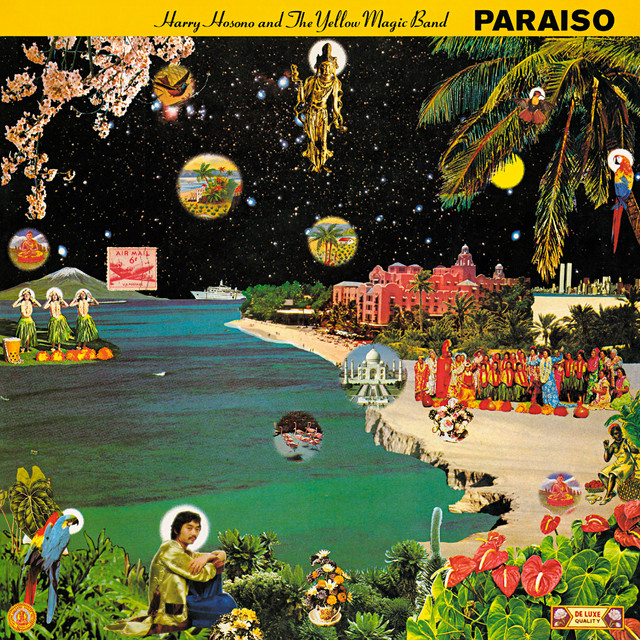
8. Paraiso
Paraiso’s self-titled '80 debut is a shimmering, often overlooked gem from the early new wave scene. Hailing from Spain, they blended crisp, minimalist electronics with infectious pop melodies, creating something both danceable and surprisingly melancholic. It’s got that post-punk angularity but softened by a distinctly European romanticism, hinting at early house rhythms in its precision. A sophisticated, cool breeze of synth-driven sound that stands apart from its Anglo-American contemporaries.
9 / 11
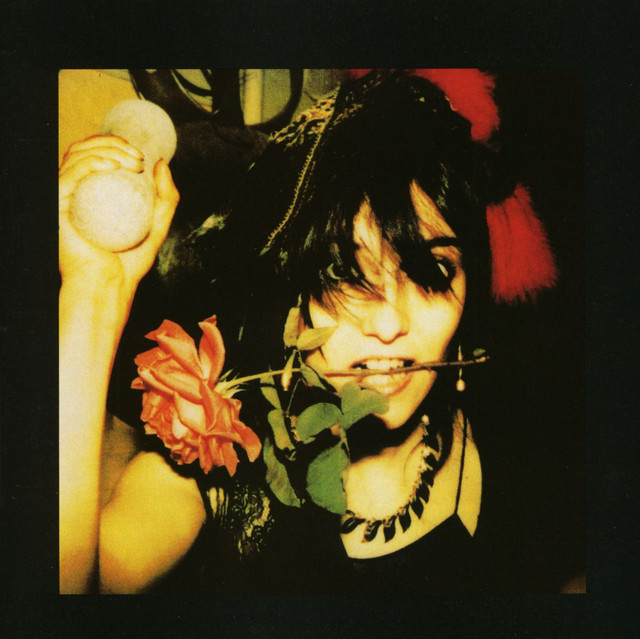
9. The Flowers Of Romance
PiL’s "The Flowers Of Romance" from '81 is a stark, almost tribal assault on conventional rock. Lydon, post-punk, stripped everything back to a skeletal rhythm section and his own tormented vocalizations. It’s got that industrial clatter, a primal, rhythmic drone that feels less like music and more like a ritual. This record is uncompromising, bleak, and utterly devoid of pop concession, pushing post-punk into truly confrontational, experimental territory, a chilling, rhythmic masterpiece.
10 / 11
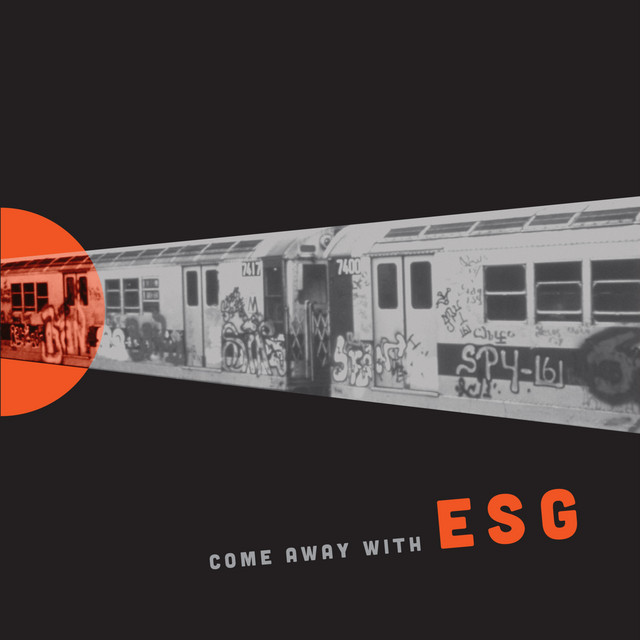
10. Come Away with ESG
ESG's "Come Away with ESG" from '83 is a masterclass in minimalist funk and post-punk groove. Their sound is pure rhythm, built on sparse, incredibly tight basslines, sharp drums, and a raw, almost spoken-word vocal delivery. It's got that foundational, no-nonsense energy of early house, stripped down to its most infectious elements. This record is a direct lineage from James Brown's funk, filtered through downtown New York grit, and absolutely essential for anyone tracing the roots of dance music.
11 / 11
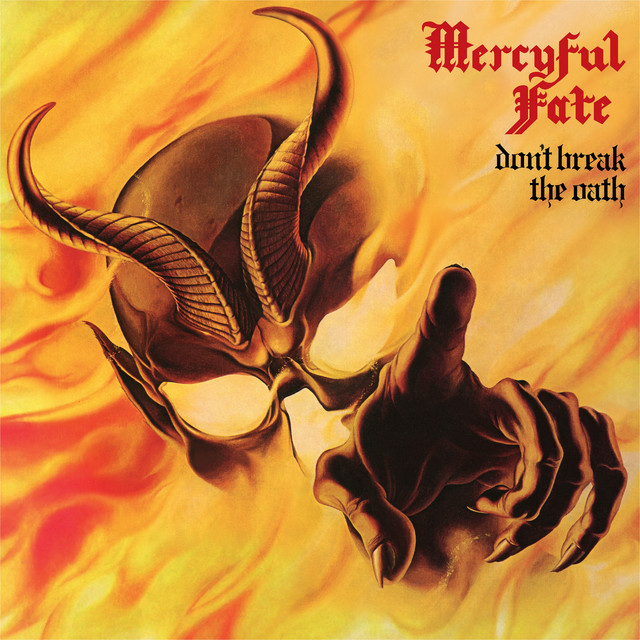
11. Don't Break the Oath
Mercyful Fate's "Don't Break the Oath" from '84 is a cornerstone of early extreme metal, a dark, theatrical masterpiece. King Diamond's unparalleled falsetto and guttural growls intertwine with Hank Shermann's intricate, often galloping riffs, creating a sound that was both epic and menacing. It's got the twin-guitar attack of classic metal but infused with a sinister, almost occult theatricality that laid crucial groundwork for black metal’s formative structures. An undeniable, powerful statement of dark intent.