
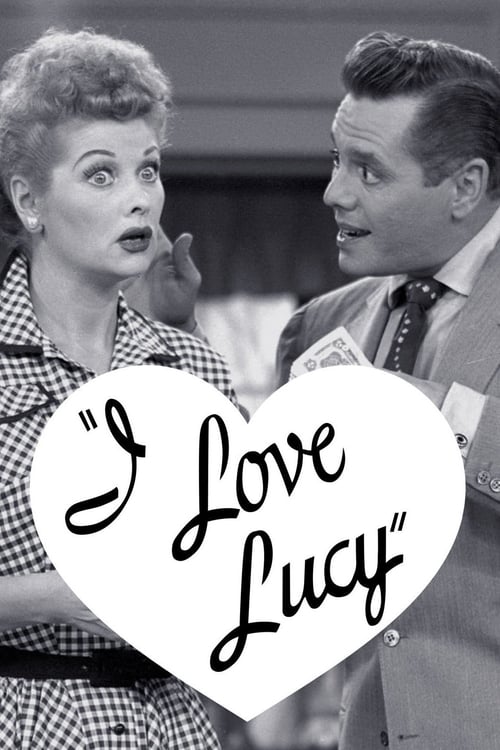
1. I Love Lucy
Lucy and Desi, boy, they set the standard. You could practically feel the studio lights baking the set, and those live audience laughs weren't just sound effects, they were palpable. Sometimes, a prop would wobble, or a line would get a little twisted, but that just added to the charm, didn't it? It was theater on a screen, a real-time happening every single week. You saw the effort, the genius, and the occasional hiccup.
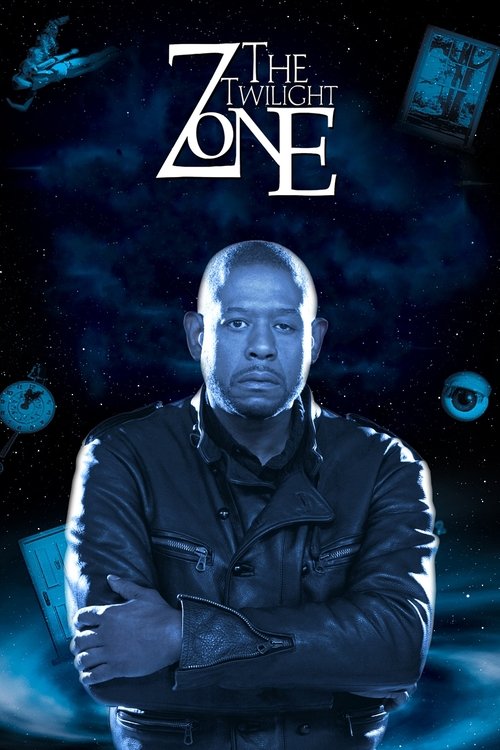
2. The Twilight Zone
Rod Serling's universe, always a surprise. Those sparse sets and black-and-white visuals weren't just an aesthetic choice; they were often budgetary. But goodness, did it make the stories pop! You'd see a shadow stretching just a little too long, or a prop that looked almost too simple, and it pulled you right into that unsettling world. It proved you didn't need a massive budget for massive ideas.

3. The Ed Sullivan Show
Ed's show, a true television spectacle, often a glorious mess. You never quite knew what you'd get, from opera to rock and roll, right there on that stage. And because it was live, oh, the little moments! A microphone boom dipping into frame, a cue card glimpsed, or Ed himself fumbling a word. It made it feel immediate, like you were right there in the theater, witnessing history, flubs and all.
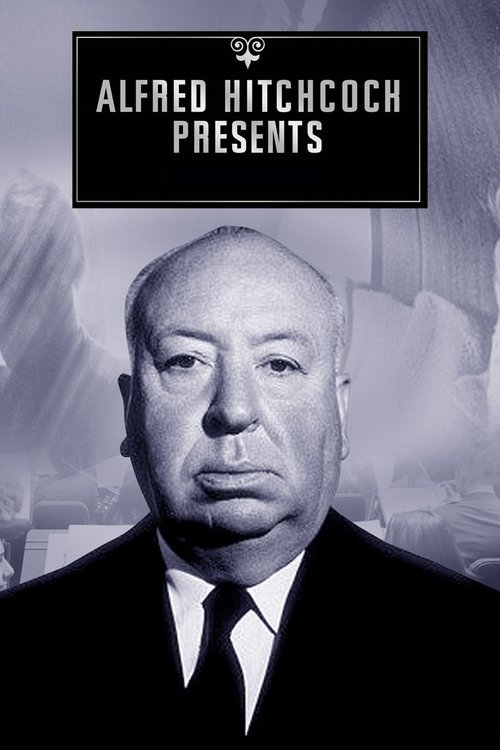
4. Alfred Hitchcock Presents
Hitchcock’s introductions were half the fun, weren’t they? But in the episodes themselves, you often saw how cleverly they worked within their broadcast limitations. The camera wouldn’t move much, holding on a face or a significant object, building tension with pure visual composition and the actors’ skill. You could almost feel the director’s precise hand, making every frame count, even on a tight schedule.
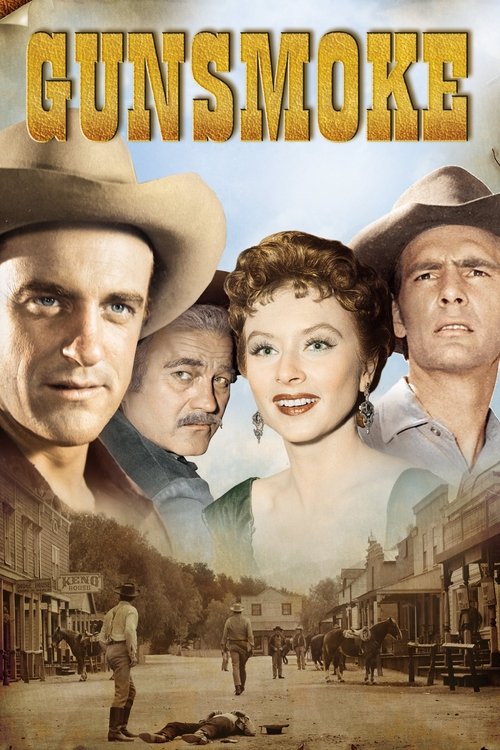
5. Gunsmoke
Marshal Dillon in Dodge City, a weekly staple for decades. Early on, you could see the stagecoach dust was just a little too perfect, or the saloon brawl a tad choreographed. But that was the magic, wasn't it? It was a carefully constructed world. As it progressed, you watched the show mature, getting more ambitious with its outdoor shots, but those early, contained episodes showed the craft of making a believable West on a soundstage.
6. Playhouse 90
Ninety minutes of live drama, every week! That was a monumental undertaking, truly pushing the boundaries of broadcast. You'd see the actors, often with beads of sweat, delivering complex scenes in a single take, sometimes maneuvering around a visible microphone or a set piece being shifted. It was raw, immediate, and utterly captivating, a high-wire act of television, showing all the seams and effort.

7. The Fugitive
Dr. Kimble’s relentless pursuit, a groundbreaking concept with its continuous story. You saw the pioneering efforts of truly serialized drama, week after week. And because they were often filming on location, you'd sometimes catch a glimpse of the real world intruding – a bystander looking at the camera, or the slight unevenness of a scene shot weeks apart. It added a layer of gritty realism, unintentional but effective.
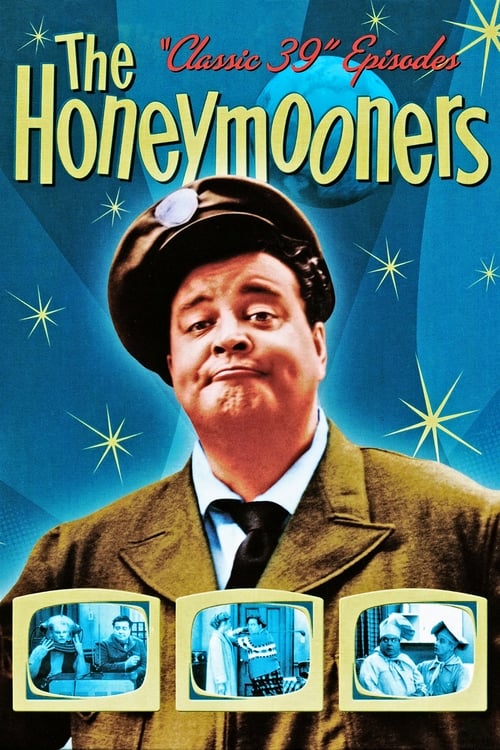
8. The Honeymooners
Ralph and Alice in that cramped apartment, just two sets, really. It felt like watching a stage play, with the camera almost forgetting it was there. The visible limitations – the paper-thin walls, the simple kitchen – weren't deficiencies; they amplified the characters' frustrations and dreams. It was a masterclass in making the most of very little, proving that character and dialogue were always king.
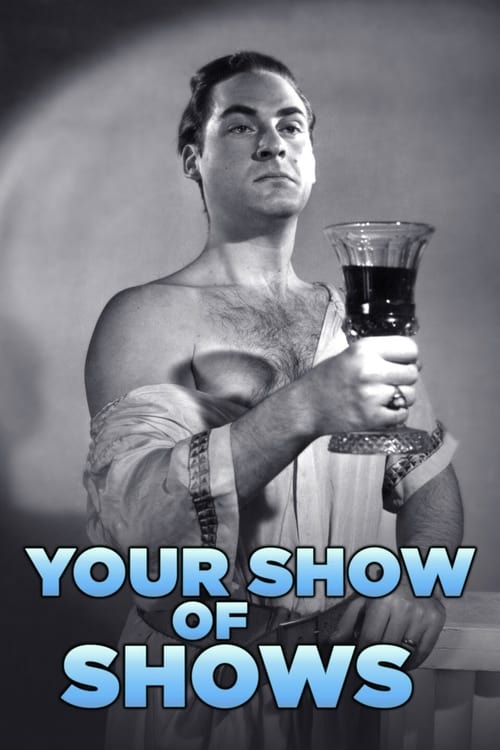
9. Your Show of Shows
Sid Caesar's weekly whirlwind, a colossal undertaking of live sketch and variety. You’d occasionally see a stagehand scurry across the back of a set during a quick change, or a prop not quite in place, but that was part of its dynamic energy. It was a factory of comedy, running at breakneck speed, and those little peek-behinds the curtain just underscored the incredible, frantic effort involved.

10. Dragnet
"Just the facts, ma'am." Jack Webb's methodical approach was evident in every frame. You'd often see the same camera angles used repeatedly, almost like a stage play, emphasizing the dialogue and the relentless pace of police work. The stark, almost clinical presentation, sometimes even revealing the limitations of early on-location shooting, gave it an undeniable, no-nonsense authenticity, a glimpse into the mechanics of broadcast storytelling.