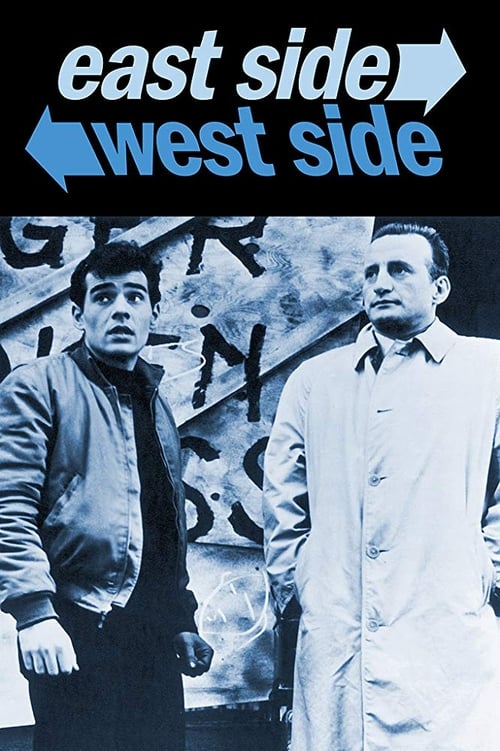
1. East Side/West Side
Oh, "East Side/West Side" was a tough one, wasn't it? Black and white, shot mostly in New York, and it didn't shy away from the gritty truth. George C. Scott as a social worker, tackling poverty and prejudice head-on. It felt more like a documentary at times, a real departure from the fluff. And that early '60s mood, so serious, so earnest. It tried to teach you something, which isn't always what folks want after a long day. Too real, perhaps, for a celebratory night.
2. The Name of the Game
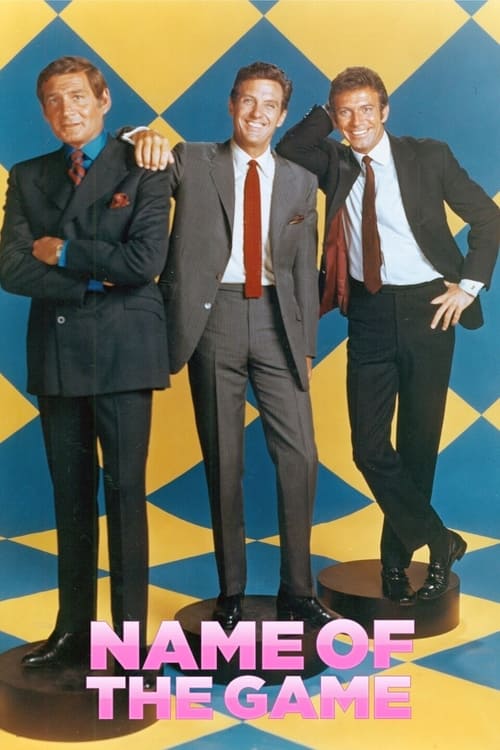
"The Name of the Game," now that was ambitious. Ninety minutes, and a rotating trio of stars — Robert Stack, Tony Franciosa, Gene Barry — each getting their own story. It was an early stab at something beyond simple weekly plots, exploring different facets of investigative journalism. But, boy, those episodes could feel long, like a mini-movie every week. It was a big swing, a true experiment in continuity and length for its day, but sometimes it felt like three half-hours stapled together.
3. The Rogues
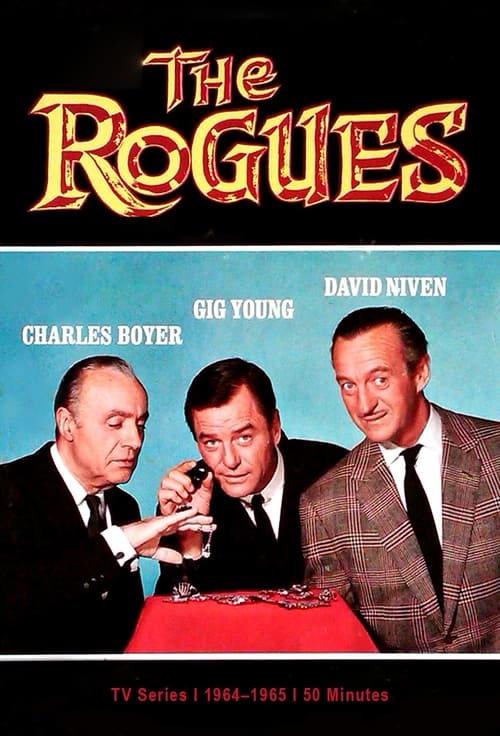
"The Rogues" came along with a clever premise, didn't it? A family of sophisticated con artists, pulling off elaborate schemes in glamorous locales. David Niven and Charles Boyer lending that old Hollywood charm, a real touch of class. It was a stylish, lighthearted caper, a bit of escapism. But maybe too clever by half for some, too frothy. It played like a movie serial, but week after week, the charm could wear thin, like a good joke told too many times.
4. Coronet Blue
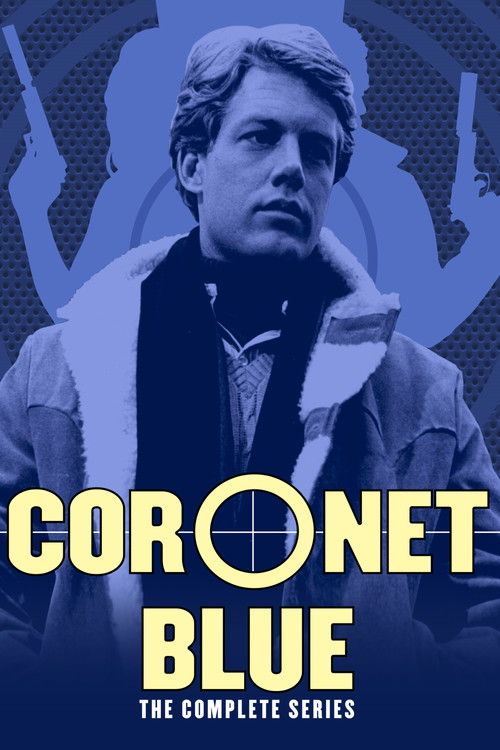
"Coronet Blue," now there's a show that makes you scratch your head. A man with amnesia, a single clue ("Coronet Blue"), and a desperate search for his identity. It was a genuine mystery, serialized before that was common. But it only lasted thirteen episodes, leaving audiences hanging, never revealing the secret. That kind of unresolved storytelling, a true cliffhanger without a resolution, could really rub viewers the wrong way. A bold concept, but ultimately a frustrating one.
5. Harry O
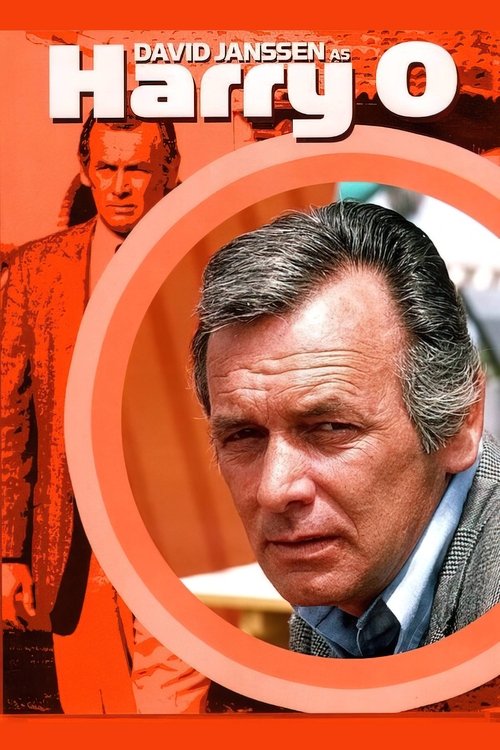
David Janssen in "Harry O" played a different kind of private eye. He was a bit melancholy, lived on a beach, and drove a beat-up car. Not your usual high-octane sleuth, more cerebral, more introspective. It had that quintessential mid-70s California vibe, all sun-drenched and a little world-weary. It was good, subtle even, but sometimes you just wanted a little more punch, a little less existential angst from your weekly detective story. A bit too quiet for the big awards stage.
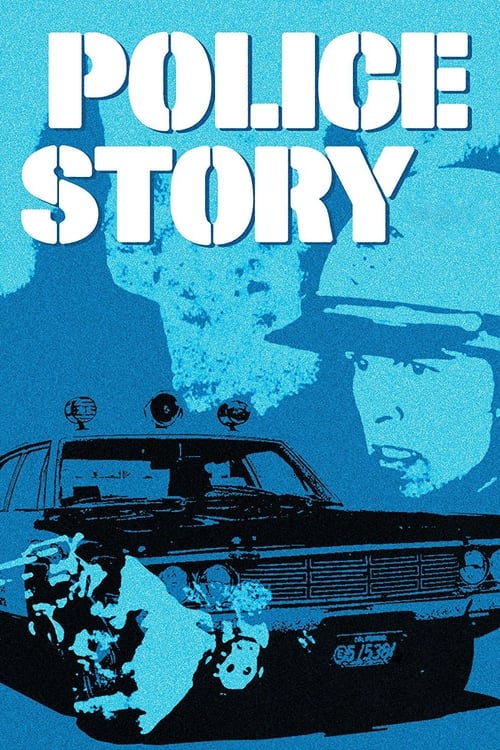
6. Police Story
"Police Story" was quite groundbreaking for its time, wasn't it? An anthology series, showing the gritty, often unglamorous side of police work. Different stories, different officers each week, from patrolmen to detectives. It was less about heroics and more about the day-to-day grind, the ethical dilemmas. It felt real, a stark contrast to earlier, more sanitized cop shows. But sometimes that realism, while commendable, wasn't always entertaining in a 'popcorn' way. It was serious business.
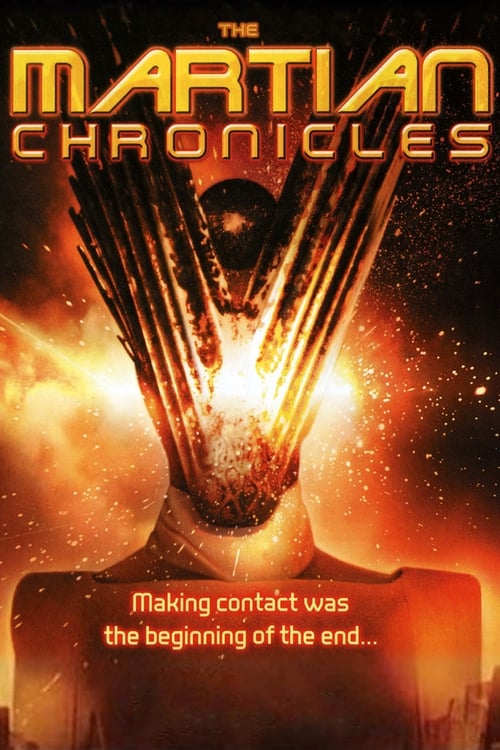
7. The Martian Chronicles
Ah, "The Martian Chronicles" in 1980. Ray Bradbury on the small screen, a huge undertaking. It was a miniseries, which was still a fairly new concept for such grand sci-fi. They tried to bring that poetic, melancholic vision to life, but sometimes it just felt... flat. The special effects, for all their effort, couldn't quite capture the scope of Bradbury's imagination. An earnest attempt, certainly, but a bit of a letdown for those who loved the books. It aimed high, but landed a bit low.
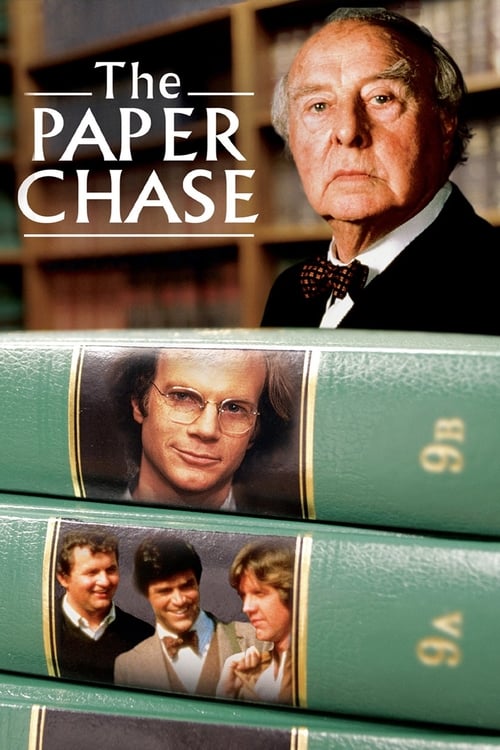
8. The Paper Chase
"The Paper Chase" brought the harsh, competitive world of Harvard Law School to television. Based on the film, it really focused on the intellectual battles and the pressure cooker environment. James Stephens as Hart and John Houseman reprising his role as Professor Kingsfield were excellent. It was smart, no doubt, but perhaps a little too cerebral for mass appeal, especially on a Friday night. It demanded attention, and sometimes you just wanted to unwind, not feel like you were back in class.
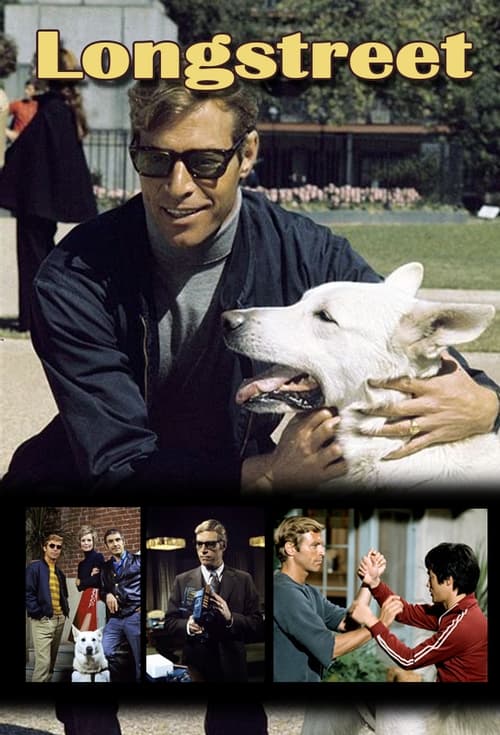
9. Longstreet
"Longstreet" had a compelling hook: a blind insurance investigator, played by James Franciscus, who used his other senses and intellect to solve cases. It was a fresh take on the detective genre. And it even had Bruce Lee in a few episodes as his self-defense instructor, which was quite a novelty! But, like many shows trying something different, it struggled to find its footing consistently. It was an interesting concept, but the execution could be uneven, making it a curiosity more than a classic.
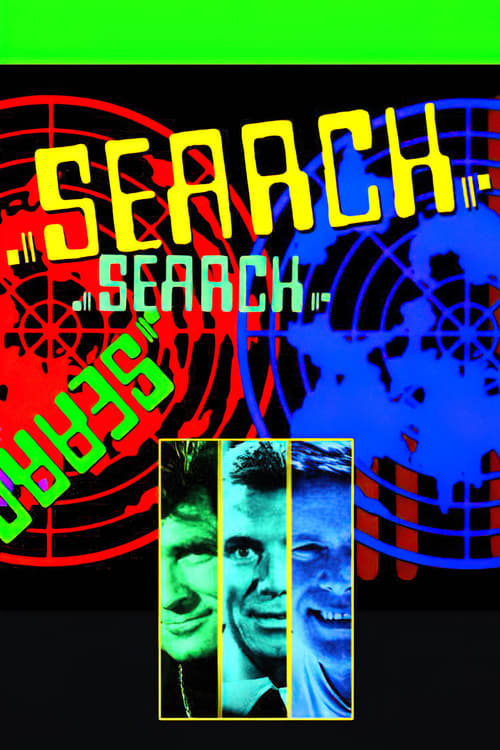
10. Search
"Search" was all about high-tech detection, wasn't it? A global security firm, World Security Patrol, with agents wearing miniature cameras and microphones, all monitored from a central control room. Hugh O'Brian, Doug McClure, and Tony Franciosa rotated as the leads. It was ahead of its time with the gadgets, almost sci-fi for a detective show. But sometimes all that technology made the human element feel a bit cold, a bit distant. It promised a lot, but sometimes delivered more gimmick than genuine suspense.