
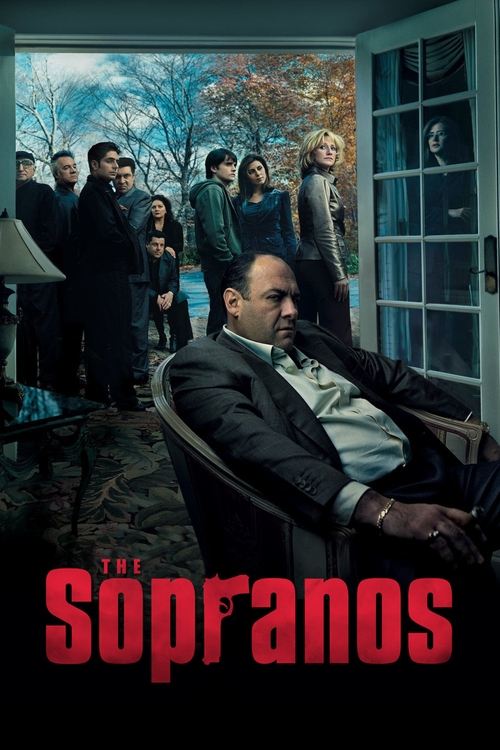
1. The Sopranos
Before Tony, anti-heroes were for the movies. HBO took a massive swing, letting David Chase explore the criminal underworld and the psyche of its boss with unprecedented depth. It was cinematic, morally ambiguous, and proved cable wasn't just rehashing network formulas. This was the start of TV getting *serious*.
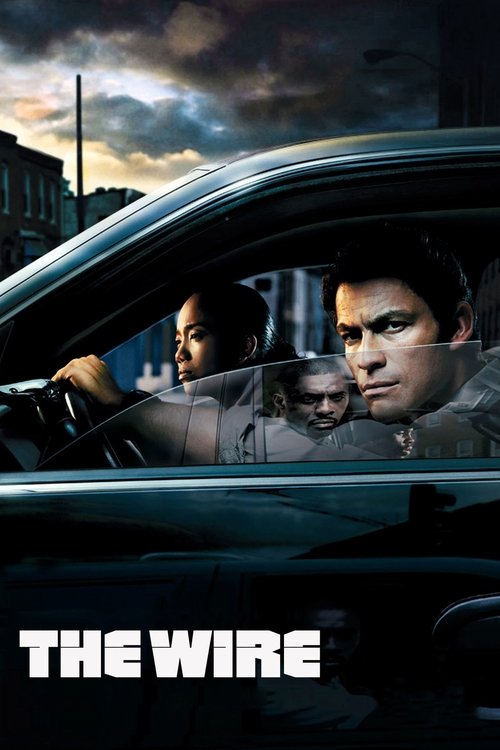
2. The Wire
Forget procedural, this was television as a novel. Baltimore's drug trade seen through every lens—cops, dealers, politicians, schools—it was an intricate tapestry that demanded attention. No easy answers, just brutal, compelling realism. It set a new bar for ensemble storytelling and social commentary, showing how deep TV could go.
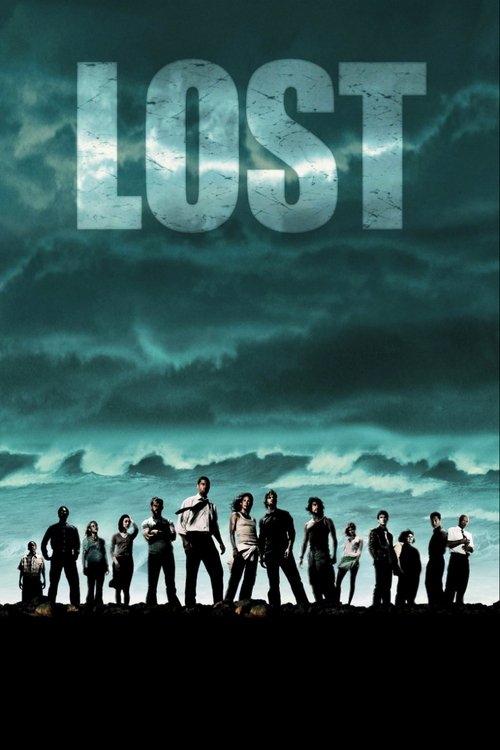
3. Lost
Remember the water cooler buzz every Thursday? *Lost* perfected the serialized mystery box, keeping viewers hooked with island secrets, character flashbacks, and a sprawling mythology. It was appointment viewing, pushing the boundaries of what a network drama could be and showing early signs of how on-demand would change consumption.
4. Mad Men
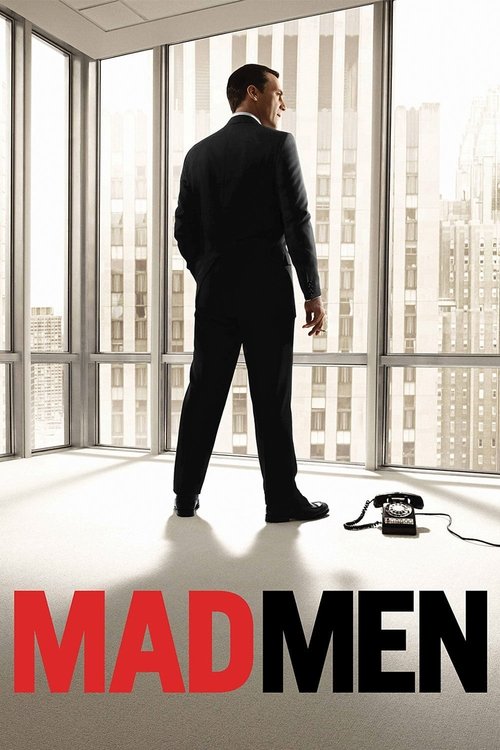
Stepping into the 1960s Madison Avenue, *Mad Men* was a masterclass in period detail and character study. Don Draper's enigmatic nature, the sharp dialogue, and the stunning visuals made it feel like a long-form film. It explored societal shifts and personal anxieties with a quiet elegance that redefined television drama as art.
5. Breaking Bad
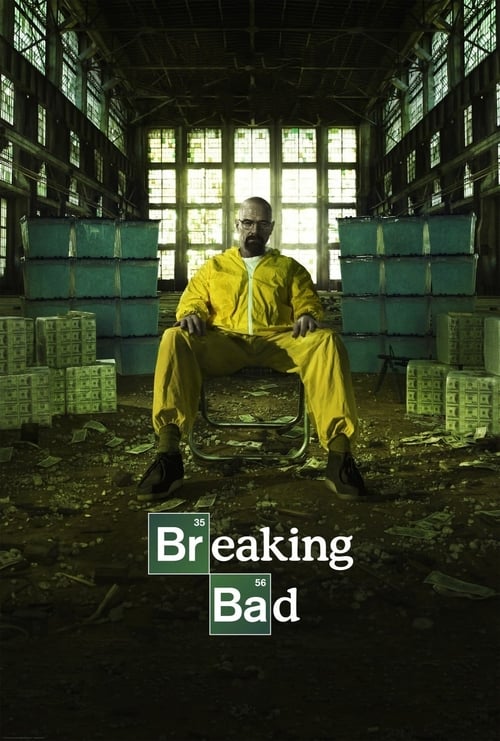
Vince Gilligan gave us Walter White, a high school chemistry teacher's descent into darkness. This wasn't a hero; it was a man making choices, each one peeling back another layer of his soul. The tension, the visual storytelling, and the sheer audacity of its premise made it a gripping, transformative viewing experience.

6. Six Feet Under
A funeral home as a setting? Only HBO would greenlight such a premise. This show tackled death, grief, and family dysfunction with a darkly comedic touch and profound humanity. Each episode began with a death, exploring its ripple effects, proving that television could be both profoundly sad and strangely uplifting.
7. The West Wing
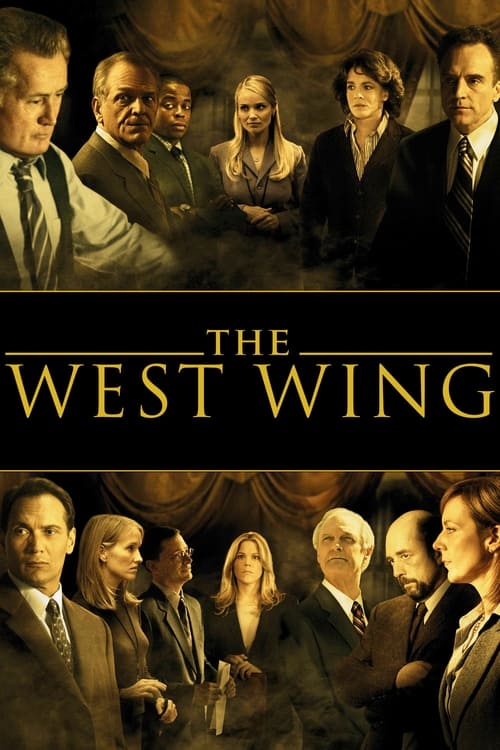
Sorkin's walk-and-talks and rapid-fire, intelligent dialogue brought the White House to life. It presented an idealized, yet sharply critical, vision of American politics, showing the human element behind policy. It was smart, aspirational, and made you believe in the power of good people trying to do good work.
8. Arrested Development
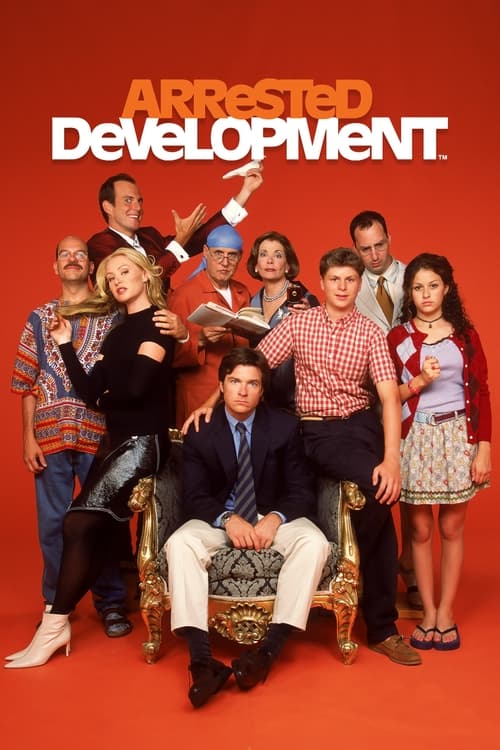
Pure comedic genius. This mockumentary was so dense with callbacks, running gags, and visual jokes, it practically invented rewatchability before streaming made it easy. The Bluth family's dysfunction was brilliantly layered, demanding active viewing and proving that sitcoms could be as intricate as any drama.
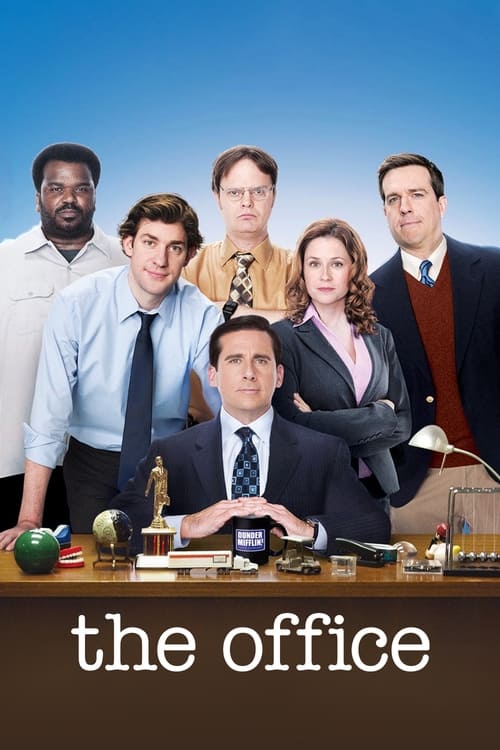
9. The Office
Taking the mockumentary format and transplanting it to a Scranton paper company, *The Office* found its heart in mundane workplace absurdity. Steve Carell's Michael Scott was an cringeworthy icon, but the show's real strength was its ensemble. It demonstrated that character-driven comedy, even without a laugh track, could become a cultural touchstone.
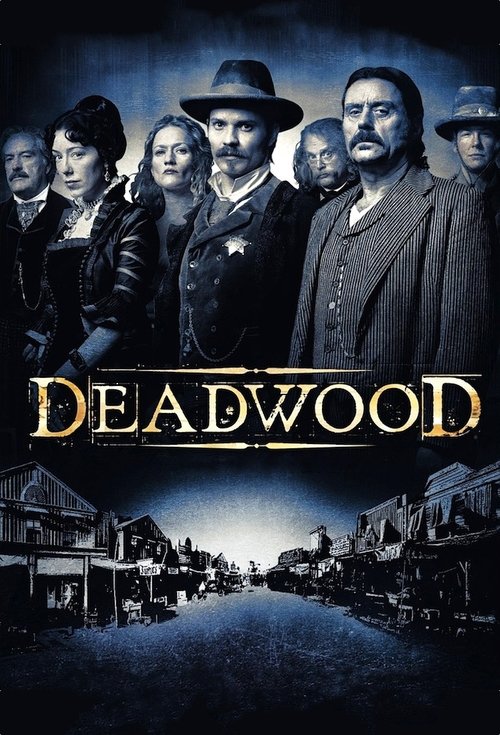
10. Deadwood
Foul-mouthed, brutal, and historically rich, *Deadwood* was an uncompromising vision of the American frontier. David Milch's poetic dialogue, delivered by a powerhouse ensemble, made every scene crackle. It was a visceral, character-driven experience that felt less like TV and more like a lost classic film, pushing cable's boundaries.