1. System Shock
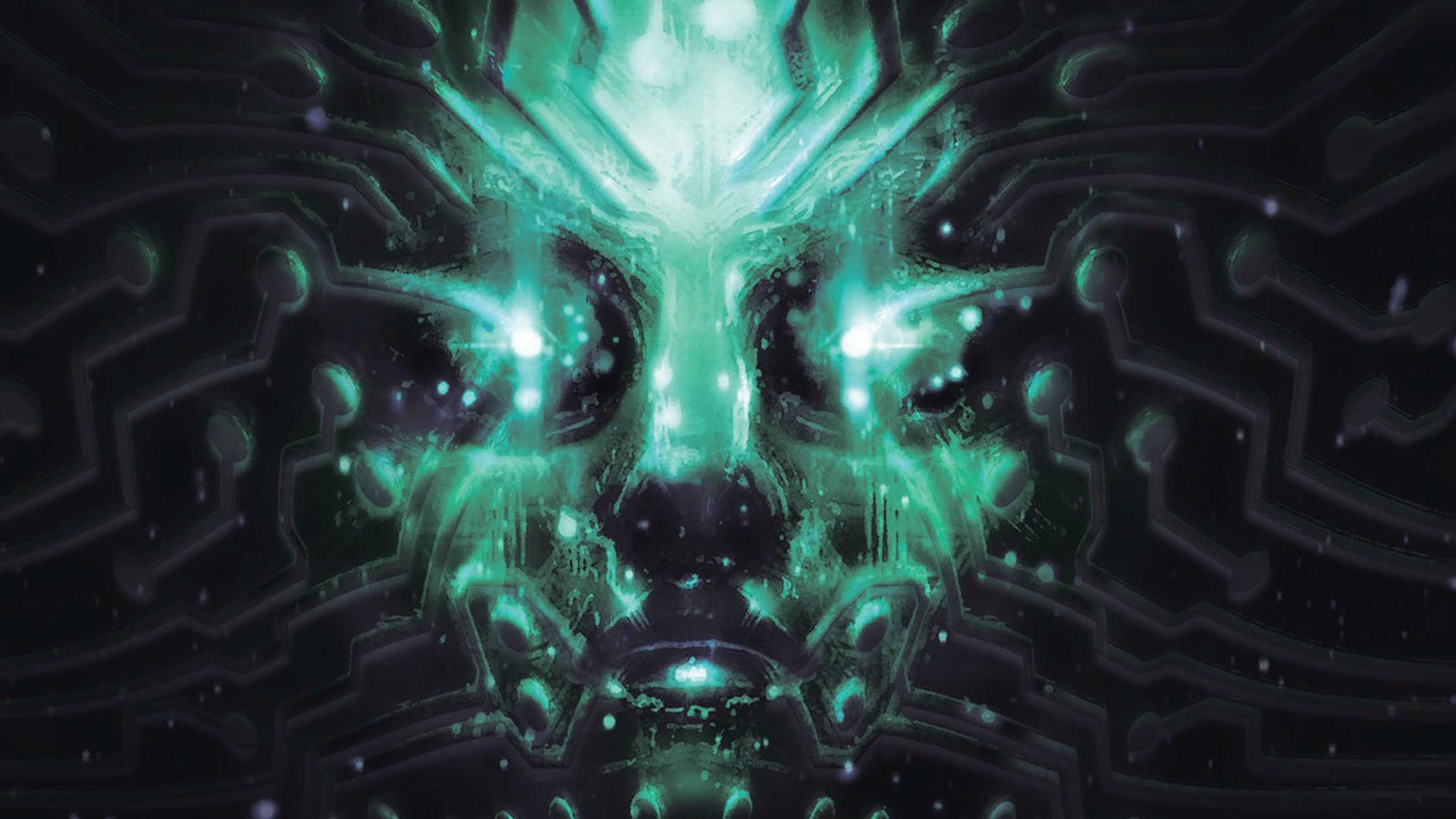
System Shock, the original, laid foundational groundwork for immersive simulations, pushing boundaries with its non-linear exploration and emergent gameplay. SHODAN’s chilling presence and the desolate Citadel Station created an atmosphere of dread that few games have matched since. It demanded player agency, rewarding careful planning and environmental manipulation over brute force. This game proved a masterclass in environmental storytelling and player choice, influencing countless titles that followed, far beyond its shooter mechanics.
2. Another World
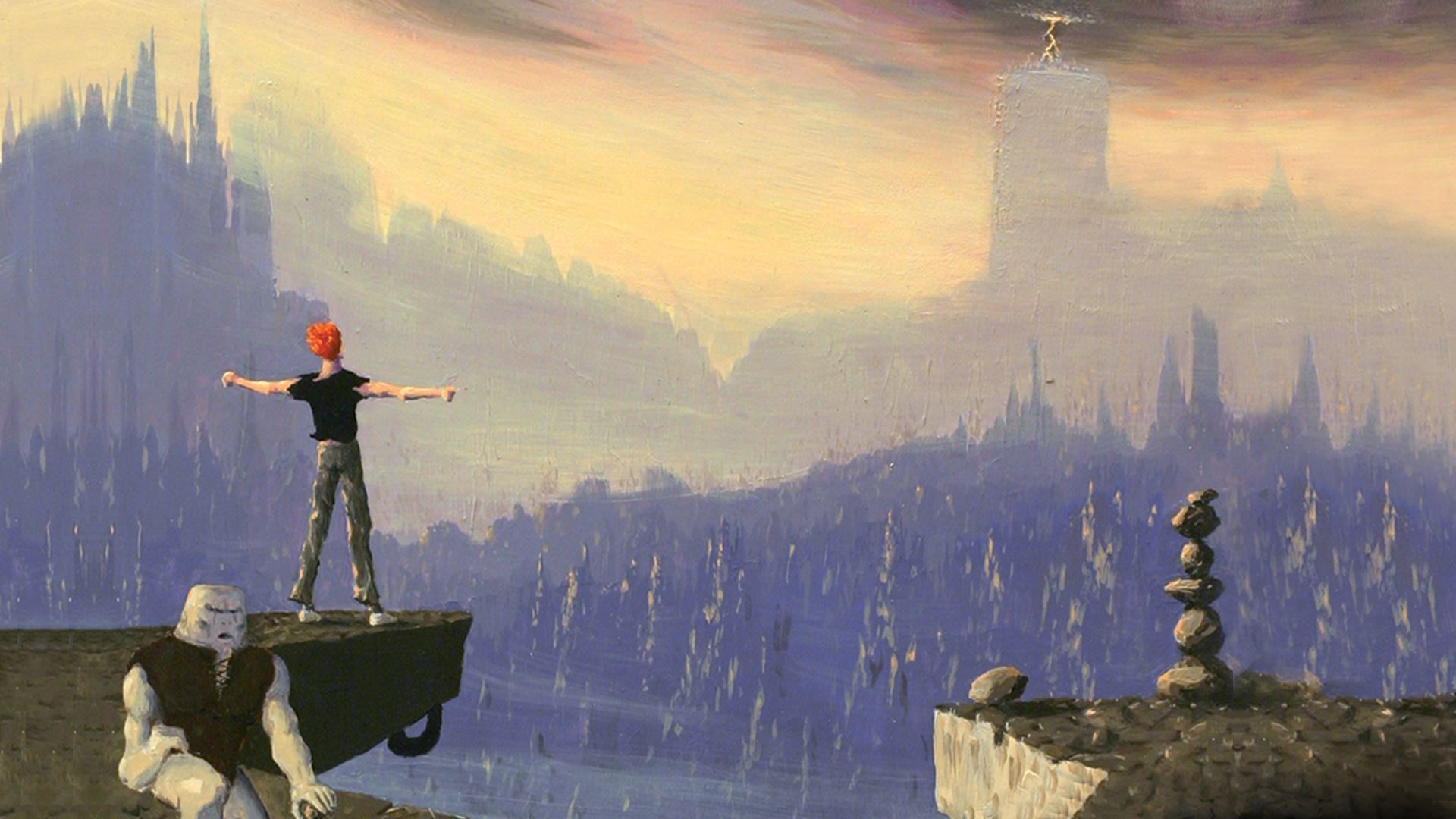
Another World, known stateside as Out of This World, arrived in 1991 as a stark, cinematic experience unlike anything before it. Its rotoscoped animation and minimalist storytelling, devoid of on-screen text or dialogue, communicated narrative purely through action and environment. It was brutally challenging, demanding precision and quick thinking, yet its evocative atmosphere and sense of desperate survival left an indelible mark. A true pioneer in presenting games as interactive films, its influence resonates even today.
3. Grim Fandango
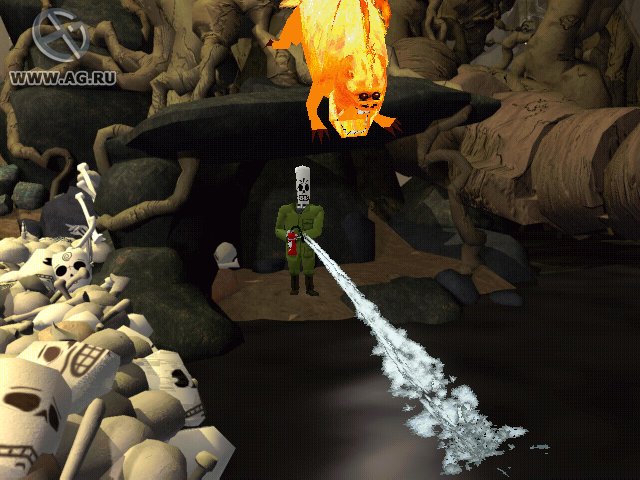
Grim Fandango, the 1998 LucasArts classic, is a singular achievement in adventure gaming. Its striking art deco-meets-Day of the Dead aesthetic created a world brimming with unforgettable characters and a wonderfully dark sense of humor. Manny Calavera's journey through the Land of the Dead, a noir detective story wrapped in existential dread, showcased unparalleled writing and puzzle design. It felt like playing an interactive film, proving that narrative depth and artistic vision could elevate the medium to high art.
4. Vagrant Story (2000)
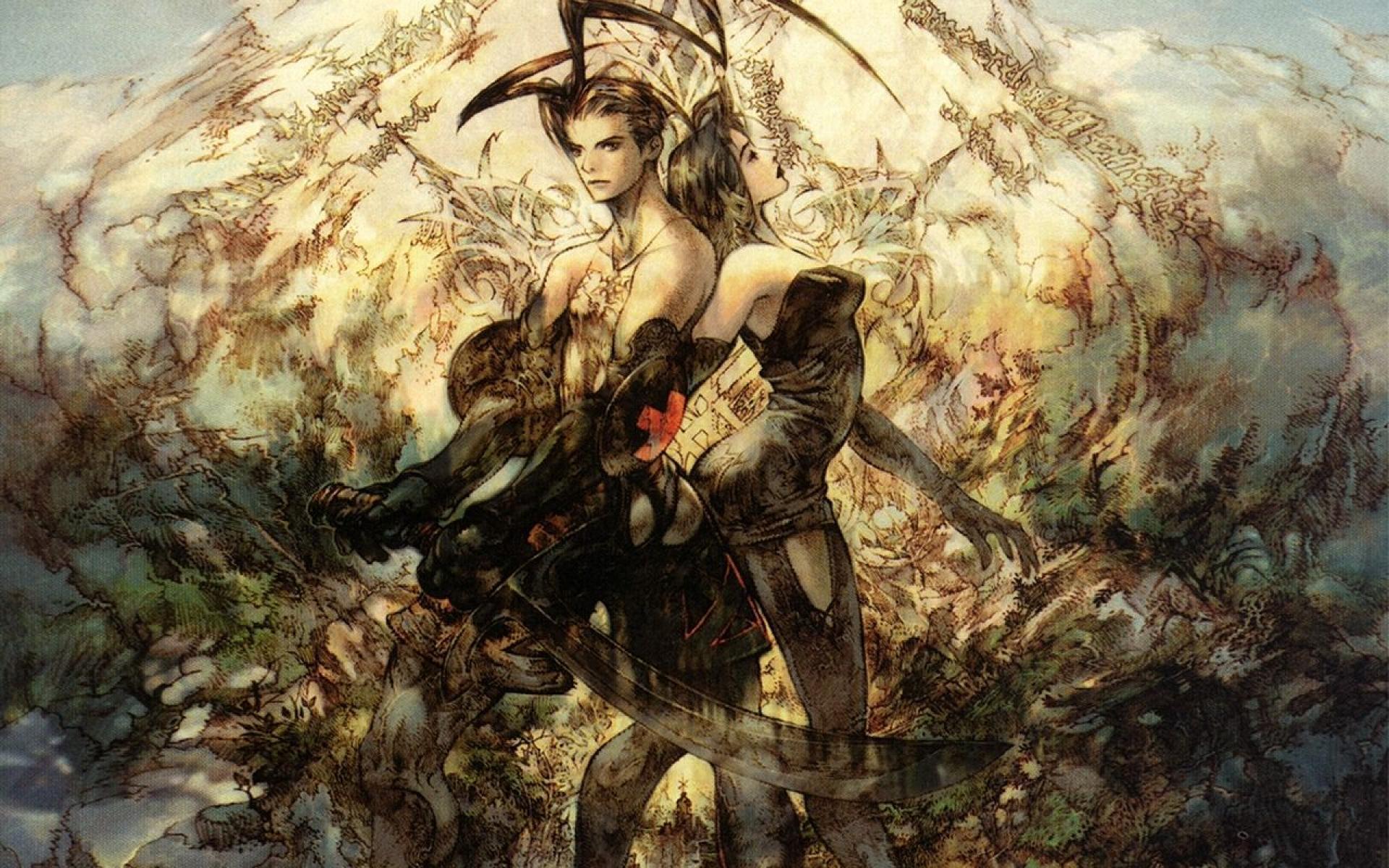
Vagrant Story, released in 2000, stands as a testament to Square's golden era. Its intricate risk-reward combat system, focused on chaining attacks and weapon affinities, was dense and rewarding. Ashley Riot's grim journey through the cursed city of Leá Monde unfolded with a mature, politically charged narrative, eschewing typical JRPG tropes. The gothic art direction and meticulous world-building were breathtaking, creating an almost oppressive atmosphere of mystery and danger. It was a masterpiece that defied easy categorization.
5. Eternal Darkness: Sanity's Requiem
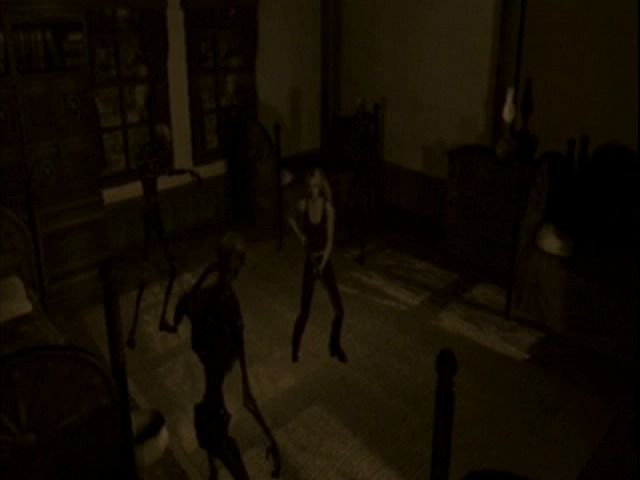
Eternal Darkness: Sanity's Requiem, from 2002, was a masterclass in psychological horror, expertly weaving Lovecraftian cosmic dread with innovative gameplay. Its signature Sanity Effects, which bent the very fabric of the game world and player perception, were groundbreaking and often genuinely unsettling. The multi-generational narrative spanning millennia added incredible depth to its dark mythology, making every discovery feel significant. Beyond its scares, it cleverly manipulated your understanding of what a game could be, leaving a lasting impression.
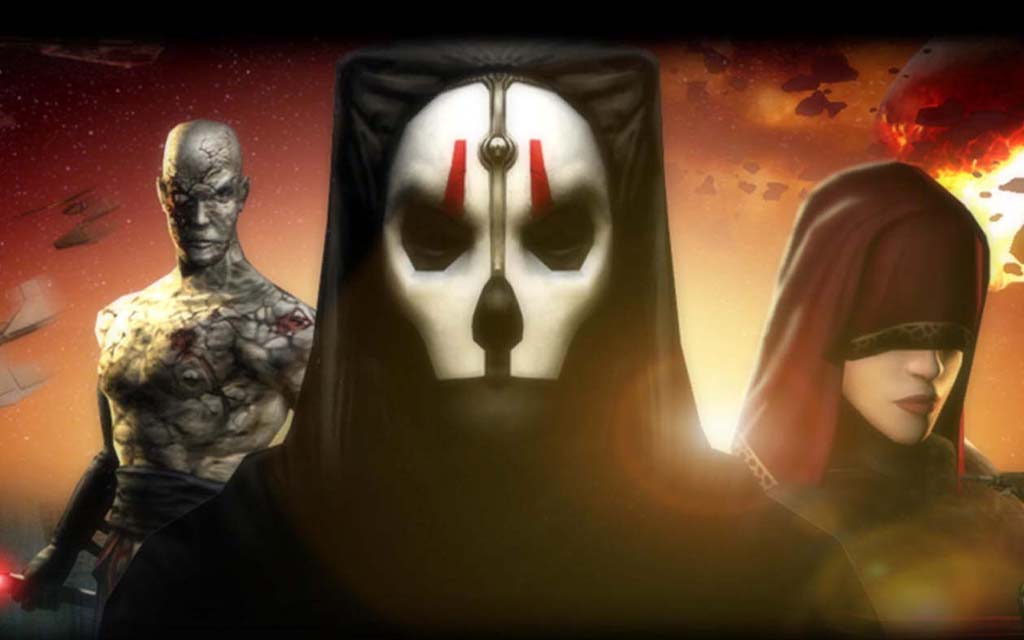
6. Star Wars: Knights of the Old Republic II – The Sith Lords
Star Wars: KOTOR II, released in 2004, dared to deconstruct the very mythology it inhabited. Obsidian Entertainment took BioWare's foundation and twisted it into a darker, more philosophical exploration of the Force, morality, and the nature of good and evil. Its unfinished state at launch obscured a narrative masterpiece, brimming with complex characters like Kreia, who challenged player assumptions at every turn. This wasn't a simple hero's journey; it was a profound, often cynical, look at the Star Wars universe.

7. Okami
Okami, launched in 2006, was a breathtaking fusion of Japanese folklore, stunning cel-shaded art, and inventive gameplay. Playing as the sun goddess Amaterasu, you wielded the Celestial Brush, literally painting solutions and attacks onto the world. Its vibrant aesthetic and charming characters brought ancient myths to life in a way few games achieve. Beyond its beauty, it offered a heartfelt journey of restoration, demonstrating how artistic vision and unique mechanics can create an utterly unique and emotionally resonant experience.
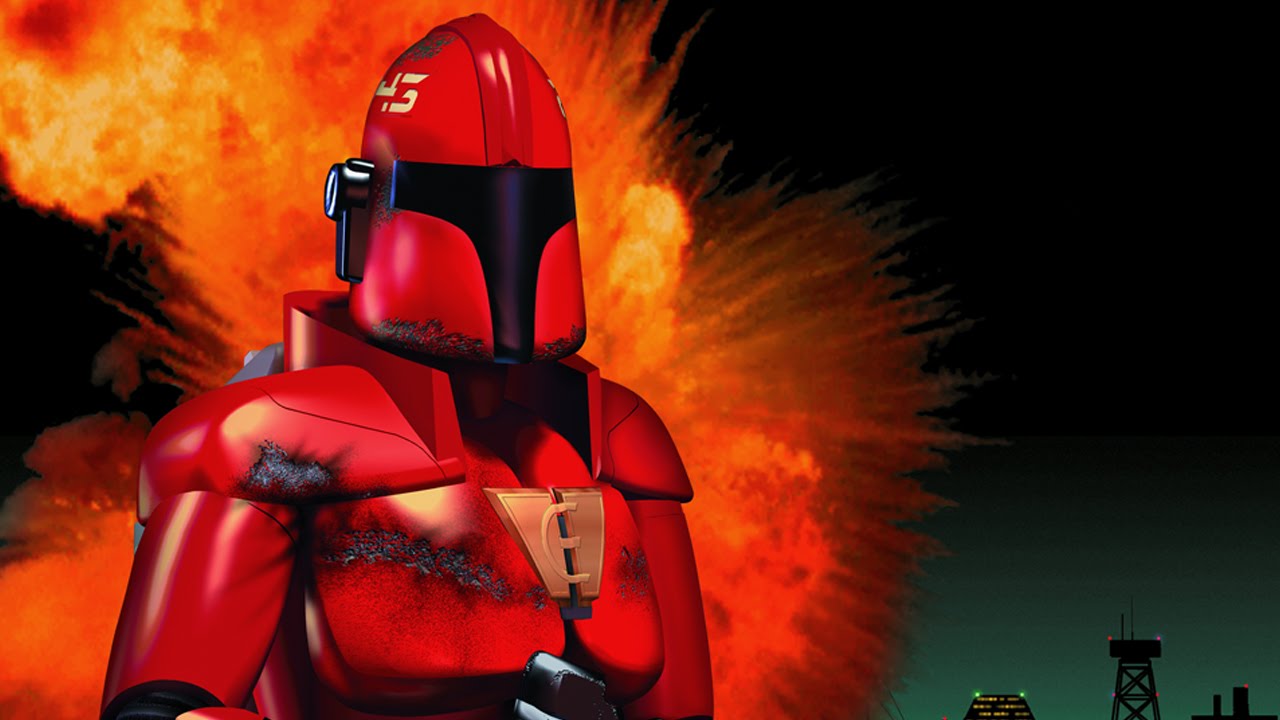
8. Crusader: No Remorse
Crusader: No Remorse, a 1995 isometric action game, plunged players into a gritty, dystopian future with unapologetic violence. As a rogue Silencer, you tore through corporate facilities with an arsenal of explosive weaponry, leaving a trail of destruction. Its incredibly detailed, destructible environments and surprisingly deep upgrade system set it apart. The game reveled in its dark humor and visceral combat, offering a cathartic power fantasy in a world that felt genuinely hostile and unforgiving. It was pure, unadulterated mayhem.
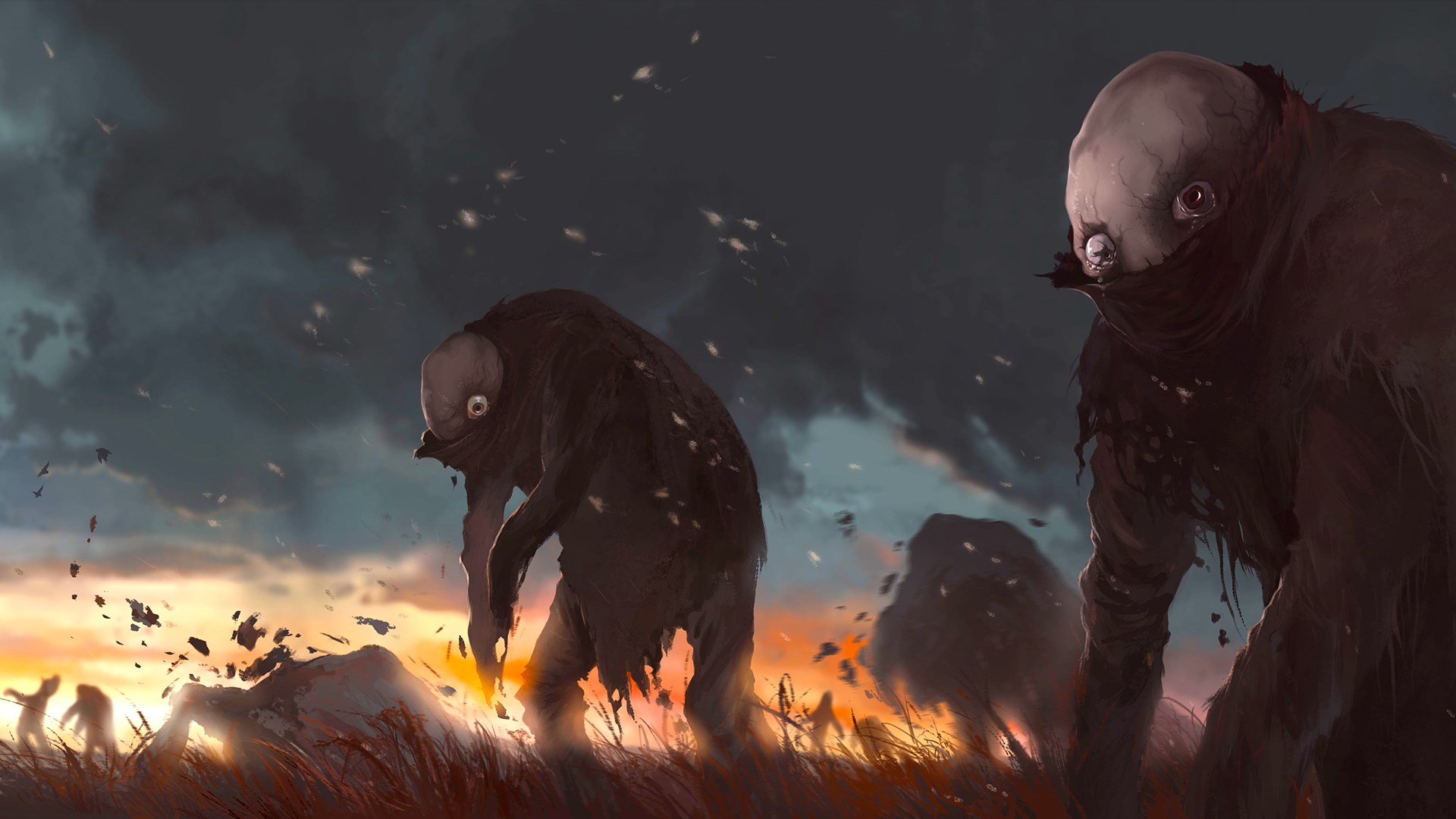
9. Pathologic 2
Pathologic 2, released in 2019, offers an unparalleled experience in existential dread and moral compromise, rather than simply a game. Stranded in a plague-ridden town, every decision is a struggle for survival, balancing dwindling resources against the relentless spread of disease. Its oppressive atmosphere, philosophical narrative, and deliberately obtuse mechanics demand patience and resilience. It challenges the player to confront uncomfortable truths, refusing easy answers or heroic fantasies. This game doesn't want you to win; it wants you to understand suffering.
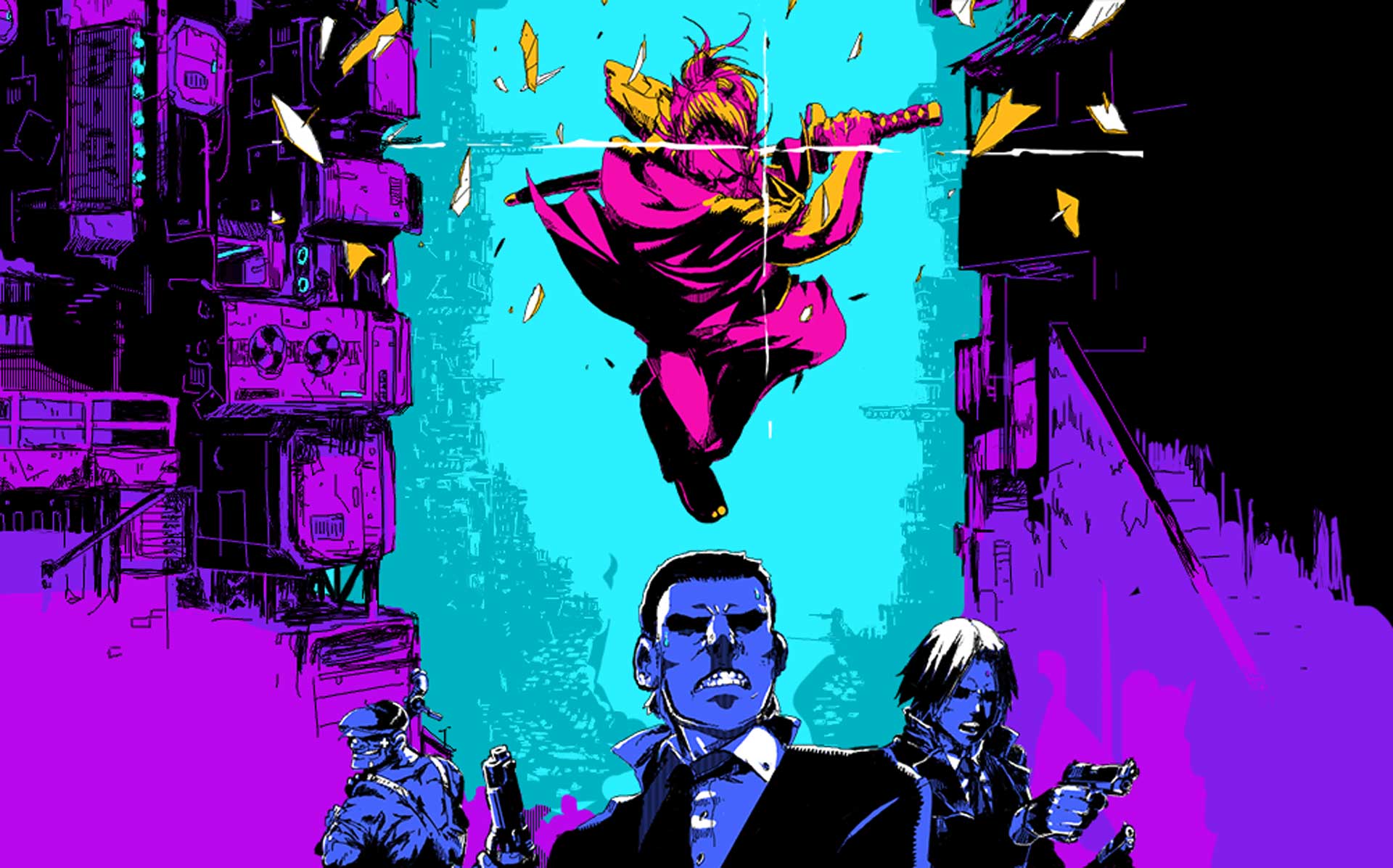
10. Katana ZERO
Katana ZERO, from 2019, is a masterclass in stylish, hyper-violent action wrapped in a compelling neo-noir narrative. Its one-hit-kill mechanics and instant restarts create a rhythmic, almost puzzle-like flow to combat, demanding precision and foresight as you manipulate time. The game's fragmented storytelling, psychedelic visuals, and incredible synthwave soundtrack coalesce into a truly unique experience. It’s a rush of adrenaline and a surprisingly poignant exploration of trauma and memory, proving pixel art can convey immense depth.