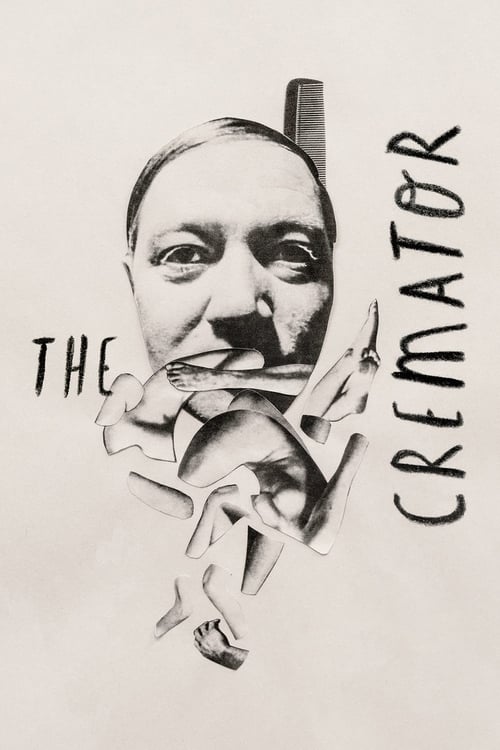
1. The Cremator
Juraj Herz's *The Cremator*, a chilling black comedy from Czechoslovakia, masterfully uses a macabre aesthetic to depict a man's descent into fascist delusion. Karel Kopfrkingl, an unassuming crematorium manager, becomes increasingly detached from humanity, believing cremation purifies souls and aligns him with a disturbing ideology. Its unsettling visual style, psychological depth, and darkly satirical tone offer a profound, disturbing commentary on the banality of evil, making it a uniquely unsettling cinematic experience that resonates with historical weight.

2. Possession
Andrzej Żuławski's *Possession* is not merely a horror film; it's an operatic, visceral exploration of marital breakdown and psychological torment. Isabelle Adjani and Sam Neill deliver raw, almost painful performances as their characters unravel in Berlin's oppressive atmosphere, eventually succumbing to something monstrous. The 1981 version's unflinching intensity and surreal, grotesque imagery create a profoundly disturbing, unforgettable experience. It challenges conventional narrative structures, presenting a terrifying, allegorical portrait of human relationships pushed to their absolute breaking point.
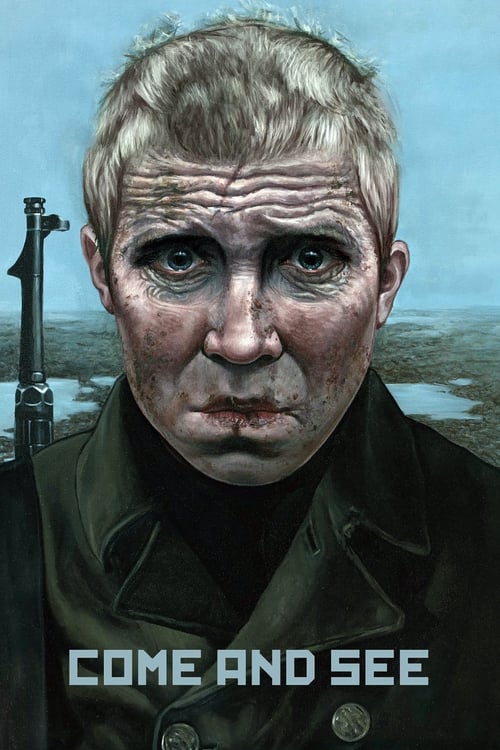
3. Come and See
Elem Klimov's *Come and See*, a Soviet anti-war masterpiece, thrusts viewers into the horrifying realities of World War II's Eastern Front through the eyes of a Belarusian boy. The 1985 film's unflinching brutality and psychological realism are almost unbearable, depicting the dehumanizing effects of conflict with harrowing authenticity. Its use of sound design, hypnotic camera work, and young Aleksei Kravchenko's traumatized performance forge an immersive, deeply unsettling experience that leaves an indelible mark, demanding reflection on humanity's darkest impulses.
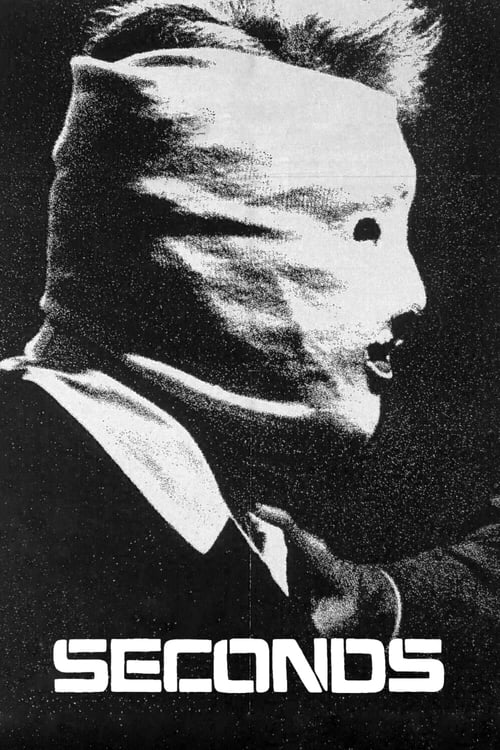
4. Seconds
John Frankenheimer's *Seconds* is a chilling sci-fi thriller that delves into existential dread and identity. Rock Hudson, in a career-redefining role, plays a middle-aged banker given a chance to escape his life through a clandestine organization offering new identities. The 1966 film's stark, high-contrast cinematography and unsettling score amplify its themes of alienation and the illusory nature of reinvention. It's a prescient, disturbing commentary on the American dream, revealing the profound anxieties beneath superficial desires for change.
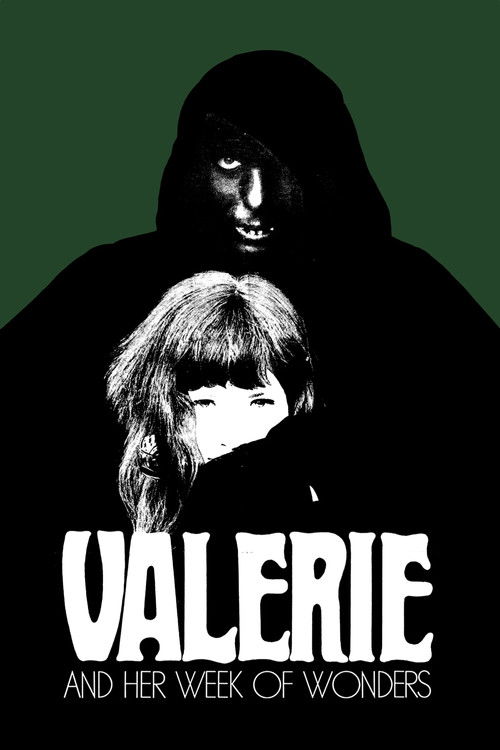
5. Valerie and Her Week of Wonders
Jaromil Jireš's *Valerie and Her Week of Wonders*, a jewel of Czech New Wave cinema, plunges viewers into a dreamlike, Freudian fable. The 1970 film follows 13-year-old Valerie navigating a surreal, sexually charged coming-of-age journey filled with vampires, priests, and symbolic encounters. Its lush, poetic visuals and ambiguous narrative defy easy categorization, creating a hauntingly beautiful, almost hypnotic experience. It’s a sensory feast that explores nascent sexuality and the subconscious with an ethereal, unsettling grace.
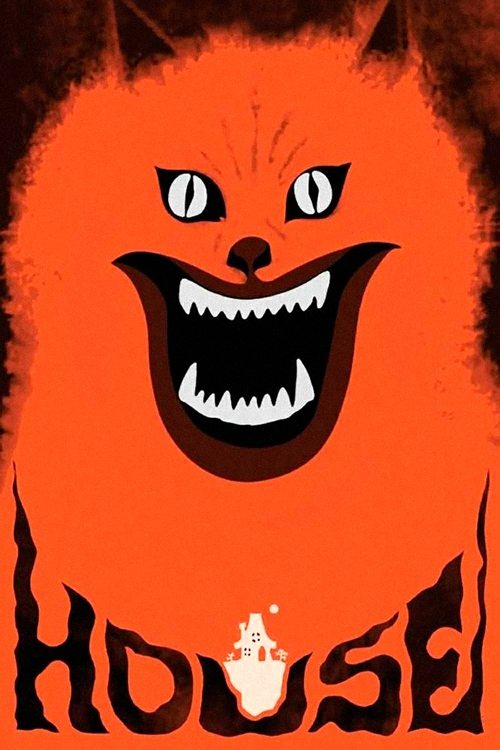
6. House
Nobuhiko Obayashi's *House* (Hausu) is a psychedelic, kaleidoscopic explosion of pure cinematic joy and terror. The 1977 Japanese film follows a schoolgirl and her friends to her aunt's country home, which quickly becomes a whimsical, murderous nightmare. Its hyper-stylized, experimental visuals, absurd humor, and genuinely unsettling moments make it unlike anything else. It's a singular, genre-defying experience, constantly surprising and delighting with its boundless creativity, proving that horror can be both terrifying and outrageously fun.
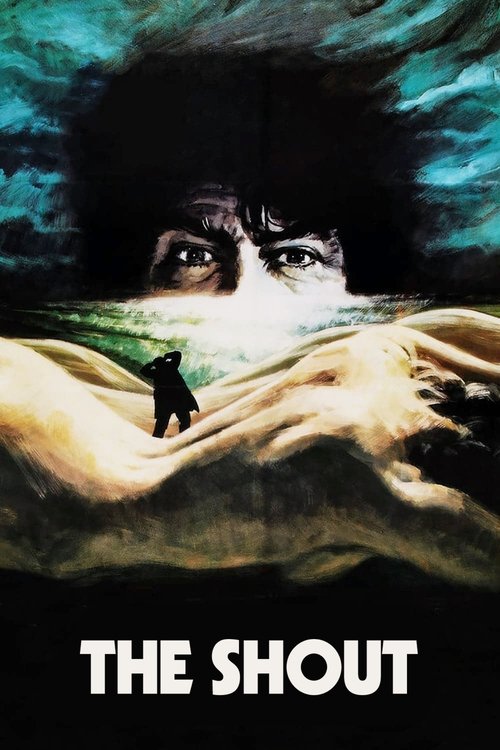
7. The Shout
Jerzy Skolimowski's *The Shout*, adapted from a Robert Graves story, is an atmospheric, psychological thriller steeped in folklore. The 1978 film explores a sinister encounter between a sound engineer and an enigmatic wanderer claiming to possess a "death shout." Its desolate, windswept British coastal setting and unsettling sound design create a palpable sense of dread. Alan Bates delivers a mesmerizing performance, blurring the lines between reality and delusion in a chilling examination of primal power and psychological manipulation.

8. Scarecrow
Jerry Schatzberg’s *Scarecrow*, a poignant road movie, showcases an extraordinary pairing of Gene Hackman and Al Pacino. The 1973 film follows two drifters, Max and Lion, making their way across America to open a car wash, their dreams gradually eroding under the harsh realities of life. It’s a raw, tender portrayal of male friendship, hope, and despair, elevated by powerful, naturalistic performances. This overlooked gem captures a profound sense of melancholic realism, revealing the fragile humanity beneath ambitious facades.
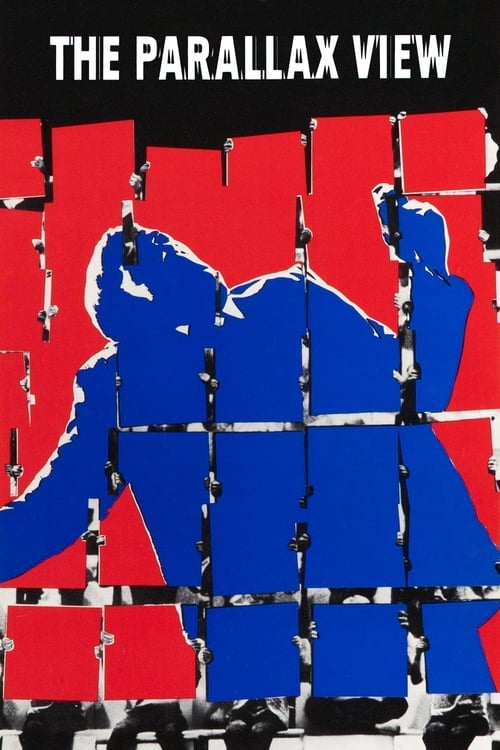
9. The Parallax View
Alan J. Pakula's *The Parallax View* is a masterful, unsettling conspiracy thriller that perfectly encapsulates 1970s paranoia. Warren Beatty plays a reporter investigating a political assassination, uncovering a shadowy organization training killers. The 1974 film's cold, detached aesthetic, long takes, and deliberate pacing amplify its sense of dread and helplessness. It doesn't offer easy answers, instead immersing viewers in a chilling, labyrinthine world where truth is elusive and power utterly corrupt, leaving a lasting impression of systemic menace.
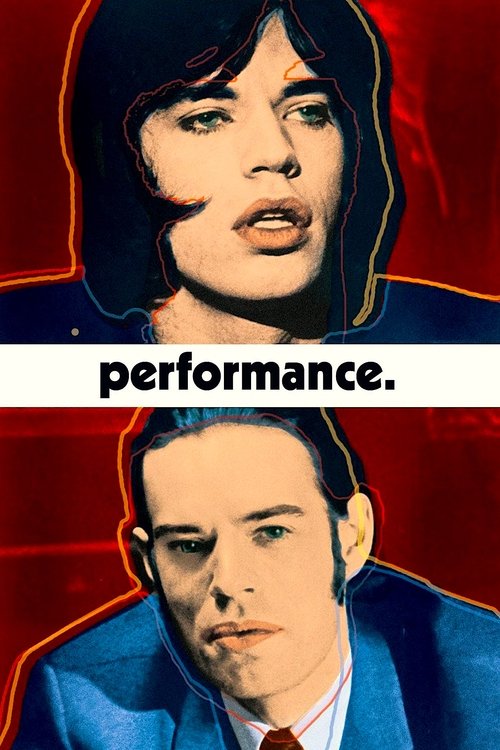
10. Performance
Nicolas Roeg and Donald Cammell's *Performance* is a hallucinatory, transgressive plunge into London's counter-culture. Mick Jagger, in a startling debut, plays a reclusive rock star whose identity blurs with that of a violent gangster (James Fox) seeking refuge. The 1970 film's fractured narrative, experimental editing, and explicit themes of sexuality, identity, and drug use are both disorienting and captivating. It’s a visceral, psychedelic experience that challenges conventions, leaving viewers to piece together its provocative, enigmatic meaning.