1 / 10

1. Coherence
This indie gem from 2014 totally blew my mind with its low-fi, high-concept take on alternate realities. It felt like watching a play where the audience is part of the quantum entanglement. The way it builds suspense and multiple timelines from a single dinner party just shows you don't need a huge budget to craft narratives that mess with your perception. It's like a proof-of-concept for VR storytelling, where every choice ripples into new, wilder possibilities, pushing what a 'story' can even be.
2 / 10
2. The Man from Earth
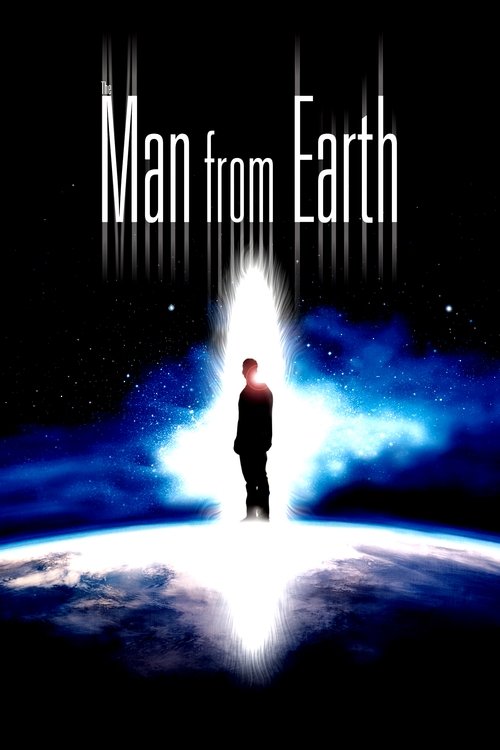
Man, this 2007 film is just a bunch of people talking in a living room, but it becomes this epic journey through time and philosophy. It’s wild how a story driven purely by dialogue can feel so expansive, making you question everything. For anyone thinking about AI-generated narratives, this movie is a masterclass in how a single, impossible premise, explored deeply through conversation, can create an entire universe of thought without a single special effect. It's pure brain food.
3 / 10
3. Beyond the Black Rainbow
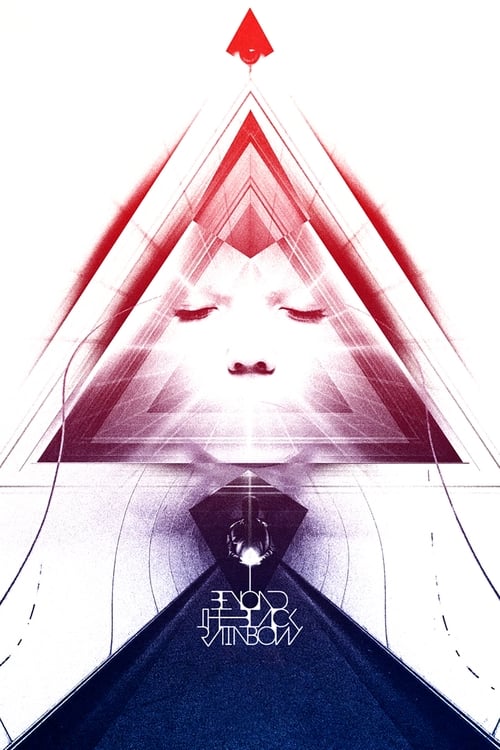
Visually, this 2010 film is a trip. It's not just a movie; it's an aesthetic experience that feels super synthesized, like something born from a dream machine. The way it uses color, sound, and a kind of hypnotic pacing creates a world that’s both terrifying and beautiful. It makes me think about how future content, especially in VR, won't just tell stories but build entire, overwhelming sensory landscapes. The narrative is almost secondary to the intense, curated mood it creates.
4 / 10
4. The Holy Mountain
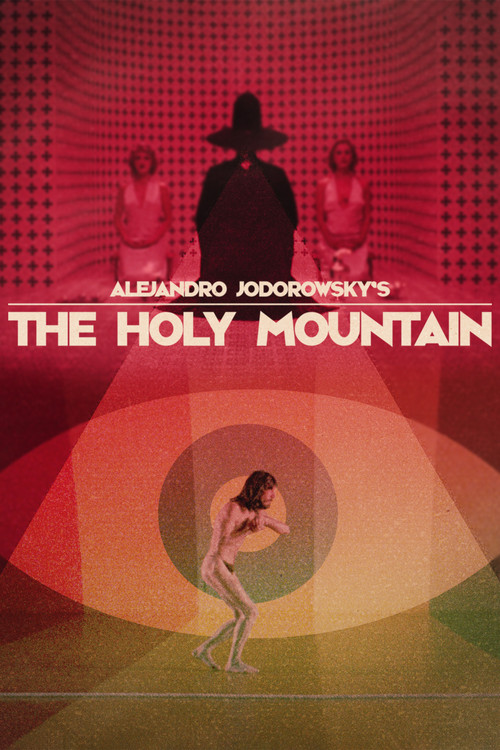
This 1973 Jodorowsky film is pure, unadulterated surrealism and spiritual questing. It’s like a visual poem that doesn't care for conventional plot, instead inviting you into this wild, allegorical journey. For future content, especially in VR, this movie shows how to create deeply symbolic, immersive experiences that transcend traditional storytelling. It's about feeling the message, not just understanding it, a true precursor to experiential narratives.
5 / 10
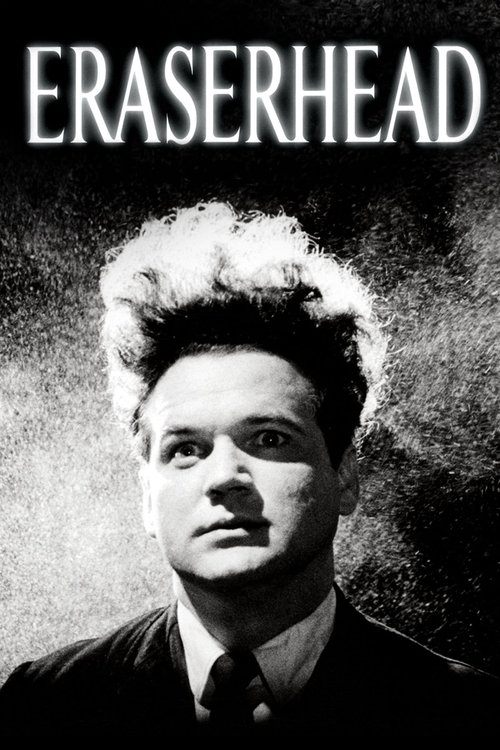
5. Eraserhead
David Lynch's 1977 debut is a masterclass in atmospheric horror and psychological unease. The black and white, the industrial soundscape, the inexplicable baby – it all creates this incredibly potent, oppressive mood. It's a reminder that stories don't always need clear answers; sometimes the most impactful experiences come from feeling, not knowing. Imagine VR content that crafts such a distinct, disturbing world using similar techniques. It’s a blueprint for visceral, emotionally charged virtual environments.
6 / 10
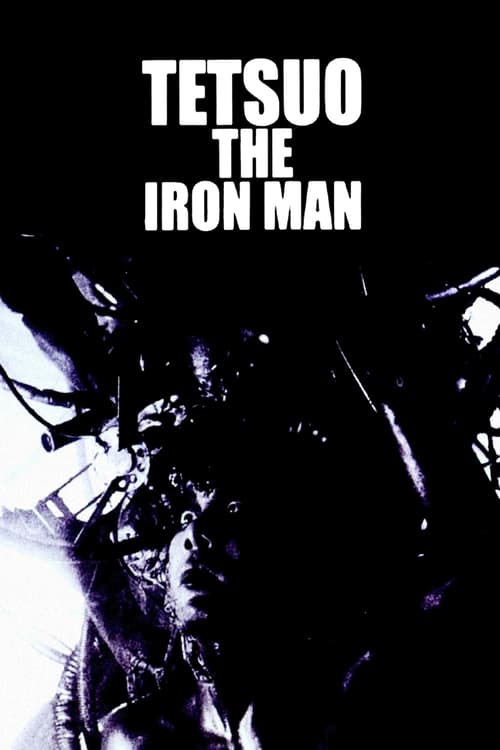
6. Tetsuo: The Iron Man
This 1989 Japanese cyberpunk body horror flick is just raw, kinetic energy. It’s grotesque, fast-paced, and completely unique, showing a man slowly turning into scrap metal. The film's frenetic editing and practical effects are a testament to pushing boundaries without a giant budget. When we think about AI-driven content, Tetsuo inspires me to imagine narratives that aren't afraid to be bizarre, aggressive, and visually overwhelming, creating experiences that truly warp perception.
7 / 10
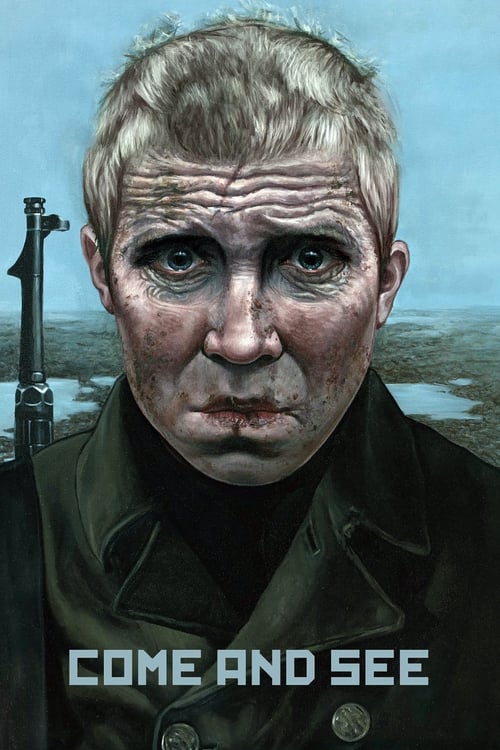
7. Come and See
This 1985 Soviet war film isn't just a movie; it's an endurance test. It drops you right into the harrowing, dehumanizing reality of war with unflinching honesty. The way it uses sound design and the protagonist's increasingly vacant gaze to convey trauma is incredibly powerful. It makes me think about how VR could be used for empathy-driven narratives, putting you directly into experiences that are profoundly impactful, not just entertaining, but truly transformative and educational.
8 / 10
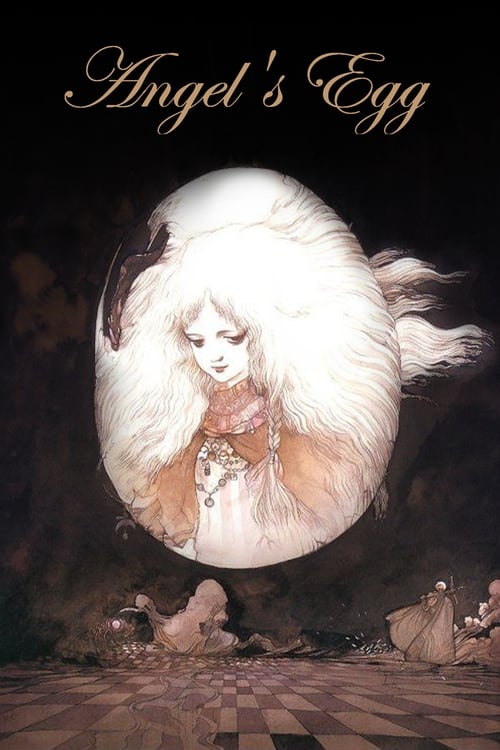
8. Angel's Egg
This 1985 anime is a silent, melancholic dreamscape. It's visually stunning, with incredible detail and a pervasive sense of mystery. There's almost no dialogue, yet it communicates so much through its haunting imagery and atmosphere. This kind of nuanced, symbolic storytelling, where you have to piece things together yourself, is perfect for future interactive narratives. It’s like an early, beautiful example of how virtual worlds can invite deep personal interpretation rather than spoon-feeding a plot.
9 / 10
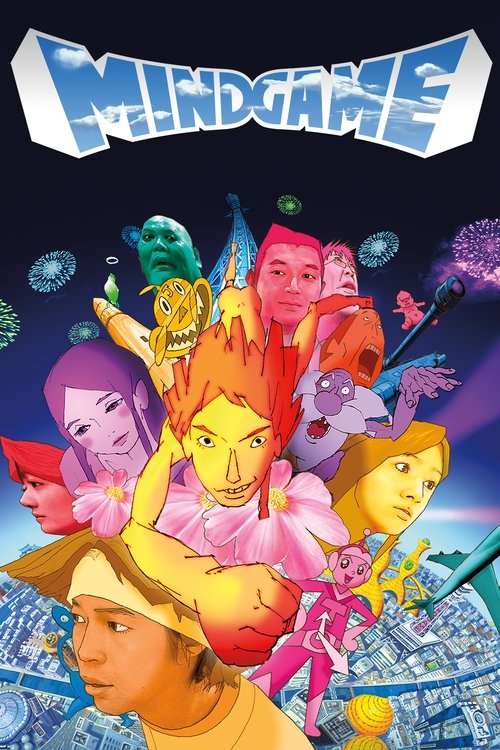
9. Mind Game
This 2004 animated explosion of creativity is just wild. It jumps between animation styles, defies logic, and moves at a breakneck pace, throwing every idea at the screen. It's an absolute joyride that proves animation can do literally anything. For the future of content, especially with AI tools, Mind Game shows us that embracing boundless creativity, breaking visual rules, and just letting ideas flow freely can lead to exhilarating, unforgettable experiences. It’s pure, uninhibited imagination.
10 / 10
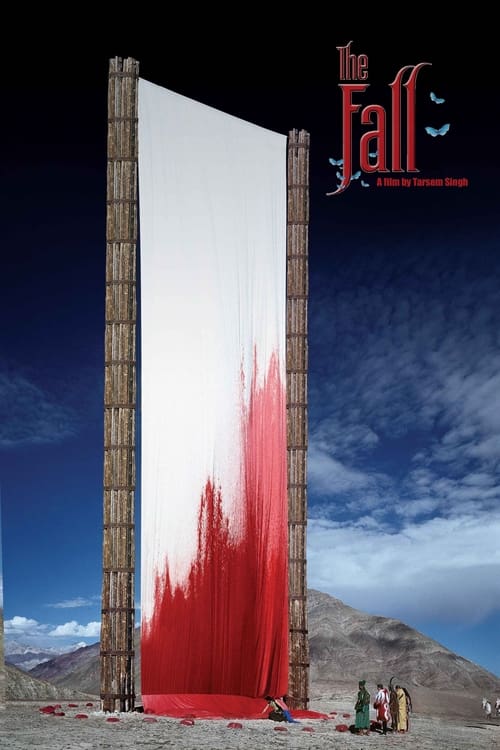
10. The Fall
Tarsem Singh's 2006 masterpiece is visually breathtaking, almost like a living painting. It tells a story within a story, blurring the lines between reality and fiction through the eyes of a child. The sheer artistry and scope of the visuals, all practical effects and real locations, are incredible. This movie inspires thoughts about how future VR environments could be built with such meticulous, fantastical detail, creating immersive worlds that are both beautiful and deeply layered with narrative.