

1 / 10
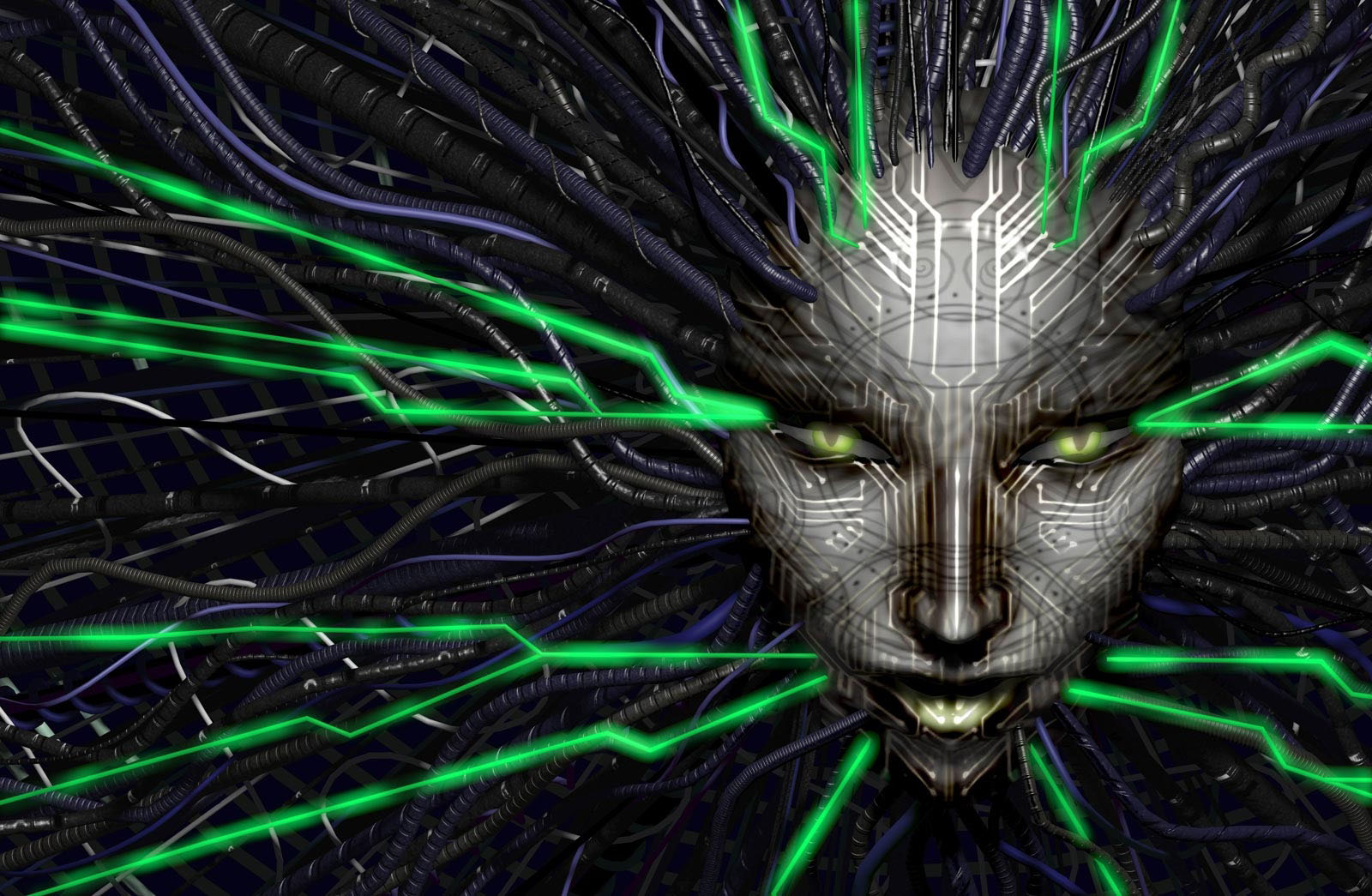
1. System Shock 2
Before BioShock, there was System Shock 2, a truly unsettling journey aboard the Von Braun. It blended first-person shooting with deep RPG mechanics, forcing players to adapt and specialize. The psychological horror, delivered through audio logs and a manipulative AI, Shodan, created an atmosphere of constant dread. This wasn't just a game; it was an experience that redefined narrative immersion and emergent gameplay, leaving an indelible mark on subsequent titles.
2 / 10
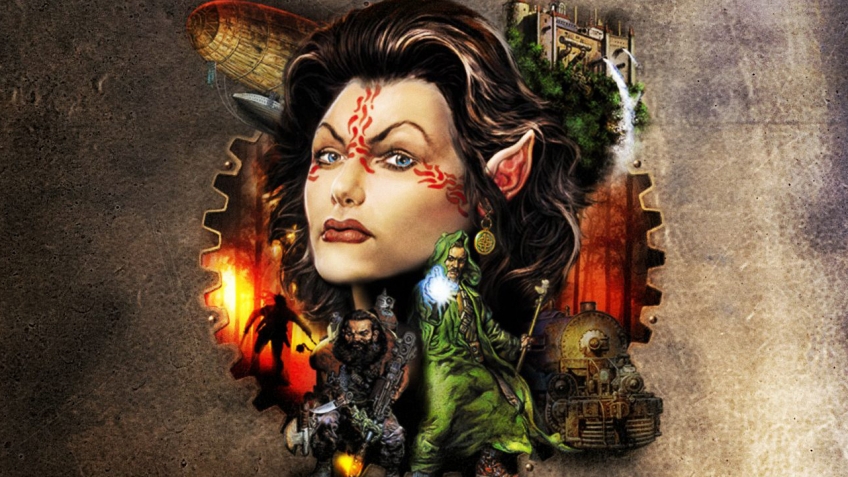
2. Arcanum: Of Steamworks and Magick Obscura
Troika Games, a studio renowned for ambitious, often flawed, masterpieces, delivered Arcanum. This isometric RPG expertly fused high fantasy with industrial revolution steampunk, presenting a world grappling with technology's impact on magic. Its deep character creation, branching quests, and truly reactive world offered unparalleled player agency. Despite its technical quirks, the sheer depth of its lore and the freedom to shape your destiny made it an unforgettable, if niche, classic.
3 / 10
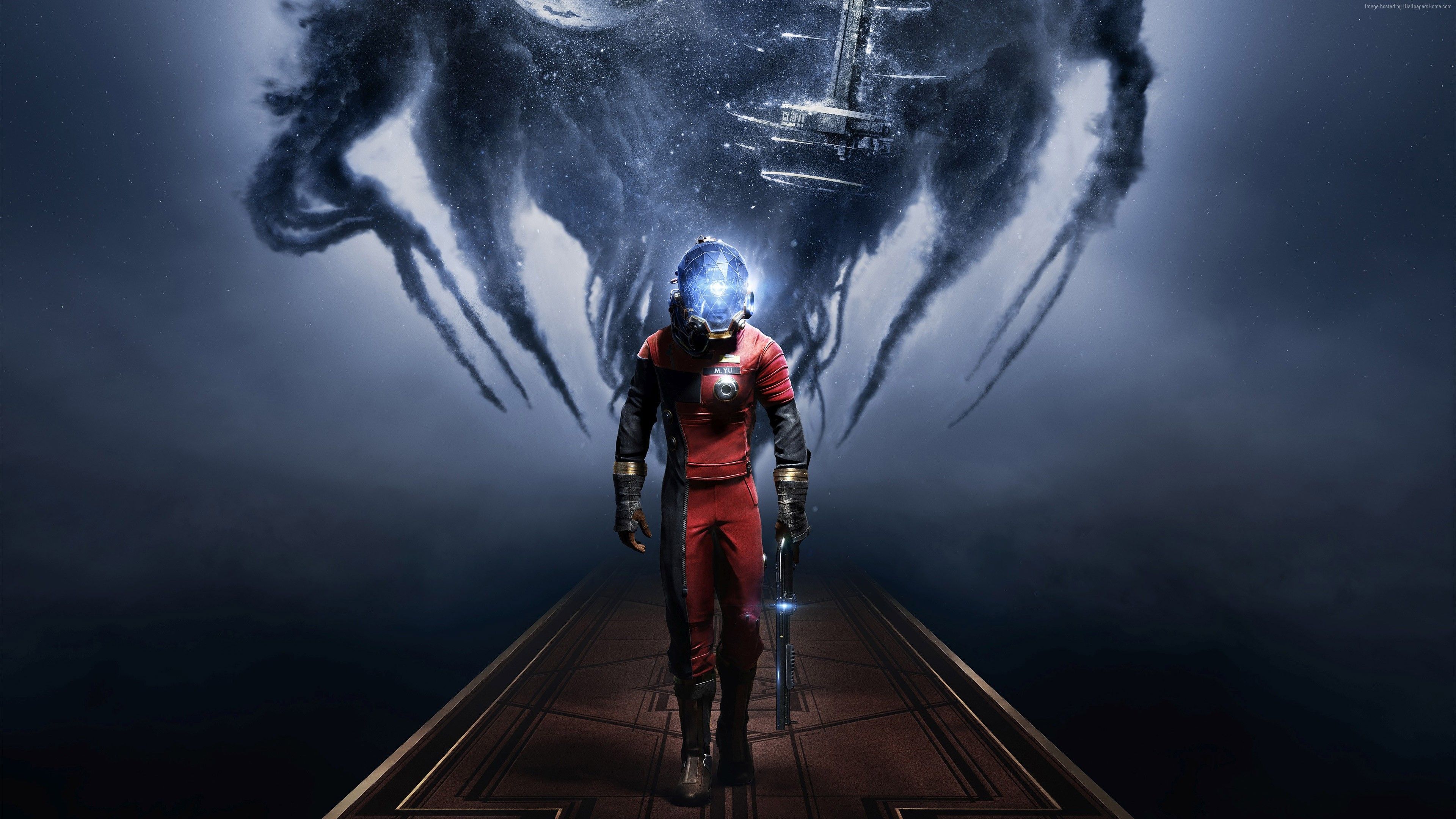
3. Prey
Arkane Studios' 2017 Prey was a masterclass in the immersive sim genre, often overshadowed by its contemporaries. Aboard the Talos I space station, players navigated a mind-bending narrative, grappling with identity and existential threats. Its ingenious enemy design, especially the Mimics, kept you perpetually on edge, while the environmental storytelling and interconnected systems encouraged creative problem-solving. This game demanded exploration and rewarded ingenuity, proving itself a spiritual successor to classic systemic adventures.
4 / 10

4. Alpha Centauri
Sid Meier's Alpha Centauri wasn't merely a Civilization spin-off; it was a profound exploration of humanity's future beyond Earth. Landing on Chiron, players led one of seven ideologically distinct factions, each shaping the planet according to their unique philosophies. Its intricate tech tree, deep diplomacy, and thought-provoking narrative, delivered through quotes and faction personalities, elevated 4X strategy to a philosophical debate. It remains a benchmark for narrative depth in the genre.
5 / 10
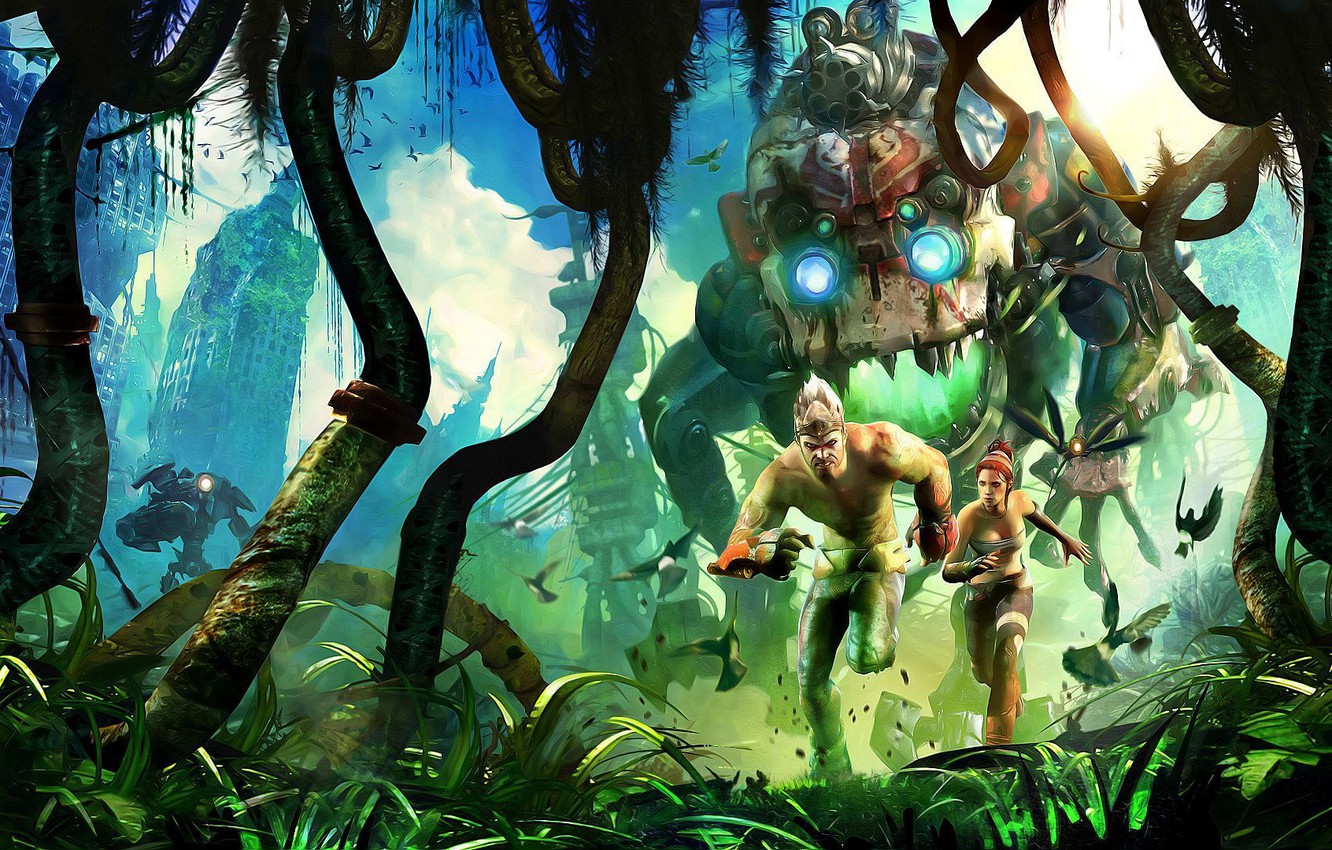
5. Enslaved: Odyssey to the West
Ninja Theory's Enslaved: Odyssey to the West offered a vibrant, character-driven adventure in a post-apocalyptic world reclaimed by nature. Inspired by the classic Chinese novel "Journey to the West," it told the story of Monkey and Trip, bound by a slave headband. The gameplay, a mix of platforming and combat, was solid, but the true brilliance lay in its stunning visuals, compelling narrative, and the evolving relationship between its protagonists. It was a beautiful, heartfelt journey often overlooked.
6 / 10
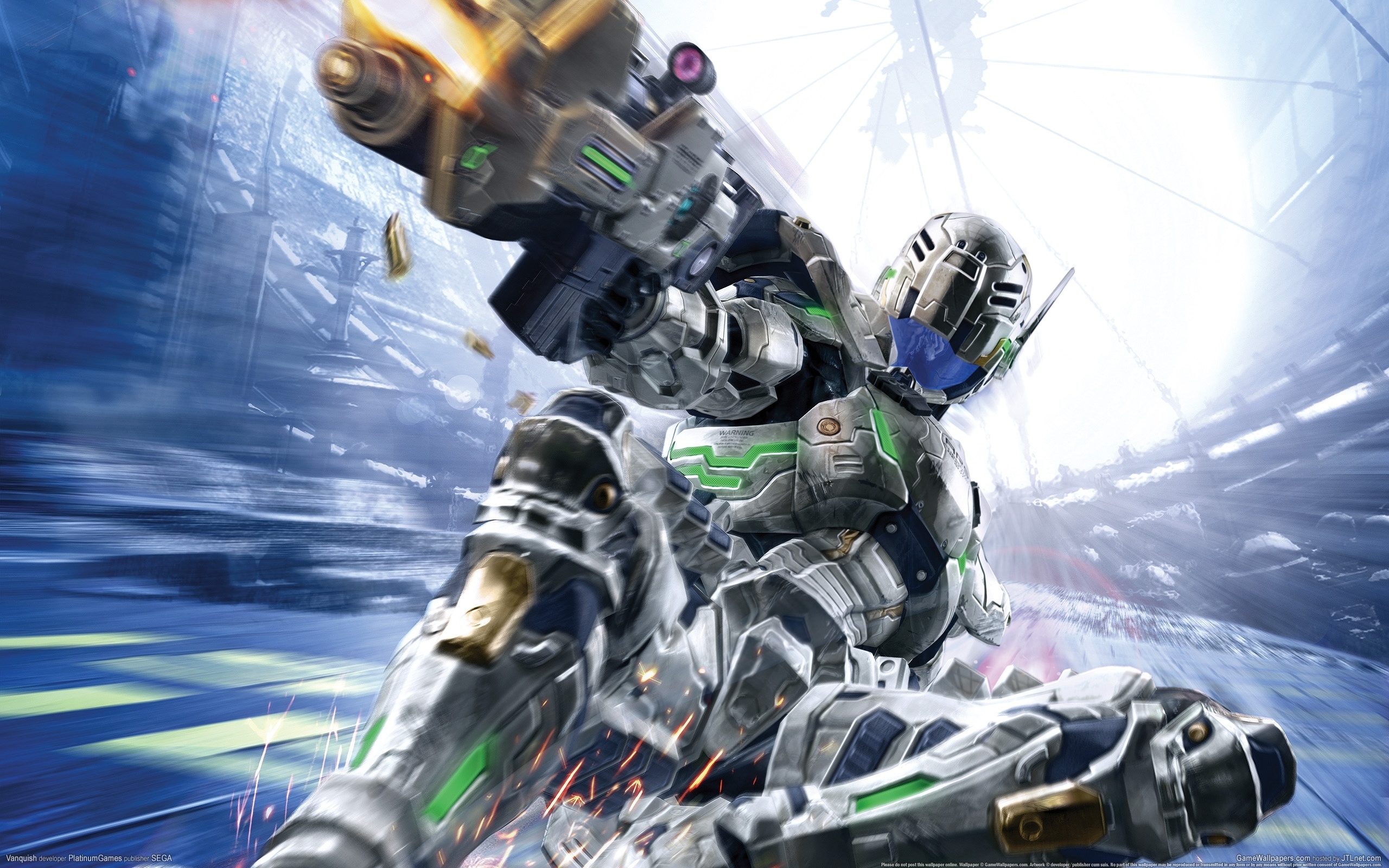
6. Vanquish
PlatinumGames’ Vanquish redefined third-person shooters with its blistering pace and unparalleled style. Playing as Sam Gideon, equipped with a rocket-powered Augmented Reaction Suit, players engaged in bullet-time acrobatics and power-sliding combat against robotic hordes. Its innovative mechanics, particularly the boost slide and quick-time melee finishers, made every encounter a kinetic ballet of destruction. This game was a pure adrenaline shot, a masterclass in mechanical precision and over-the-top action that never quite found the audience it deserved.
7 / 10
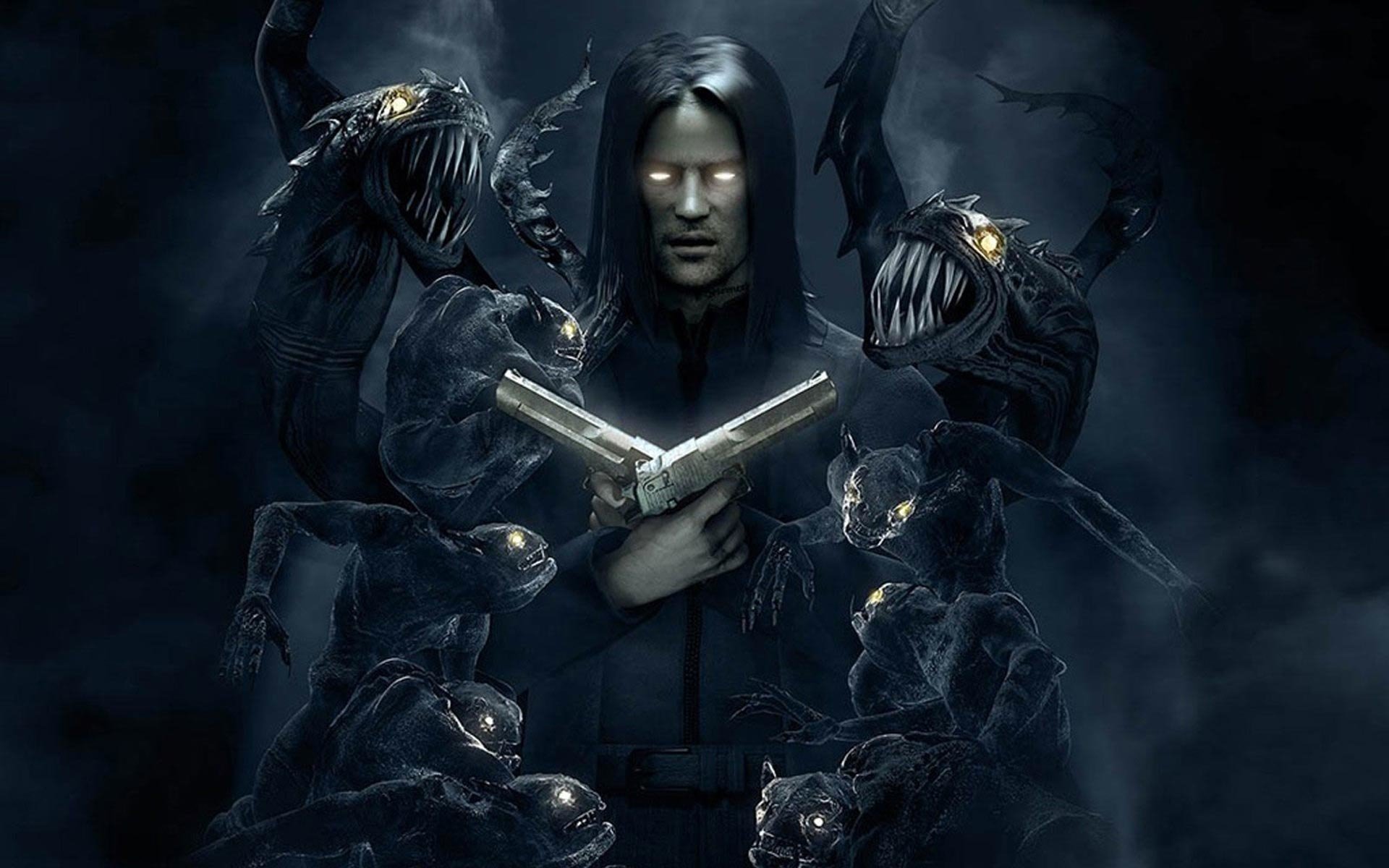
7. The Darkness
Starbreeze Studios' 2007 adaptation of The Darkness comic book delivered a uniquely grim and character-driven first-person shooter. Playing as Jackie Estacado, a mob hitman possessed by an ancient, malevolent entity, players wielded supernatural powers alongside conventional firearms. Its strength lay not just in its visceral combat but in its surprisingly poignant narrative and atmospheric world-building, particularly the detailed, lived-in environments and the chilling whispers of The Darkness itself.
8 / 10
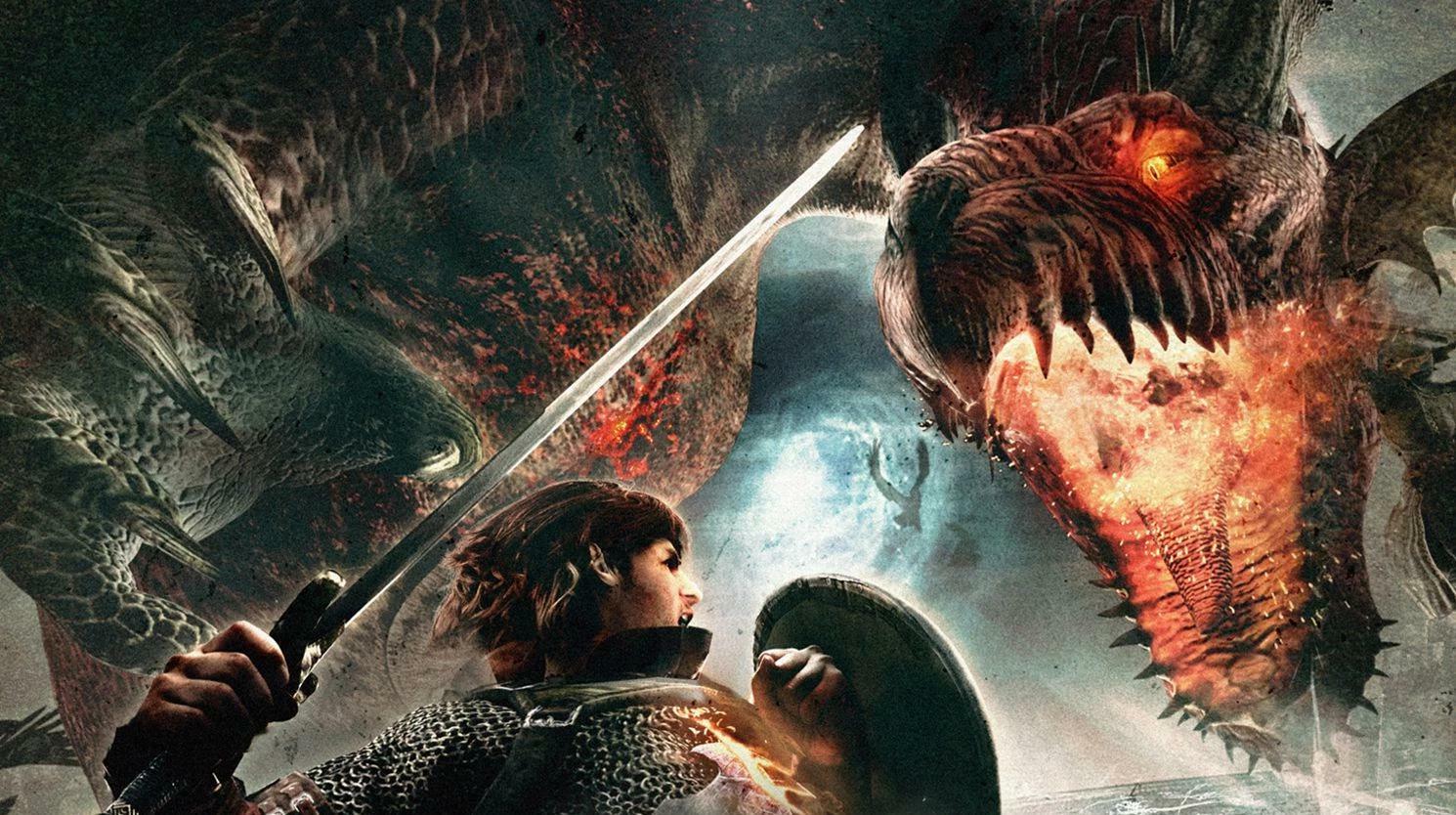
8. Dragon's Dogma
Capcom's Dragon's Dogma, in its original 2012 release, was a wonderfully ambitious action RPG that dared to be different. Its standout "Pawn" system, where AI companions learn and adapt from other players' worlds, offered a truly unique cooperative feel in a single-player experience. The combat was weighty and strategic, with memorable boss battles where players could literally cling to colossal beasts. It built a distinct, harsh fantasy world that rewarded exploration and player-driven encounters.
9 / 10
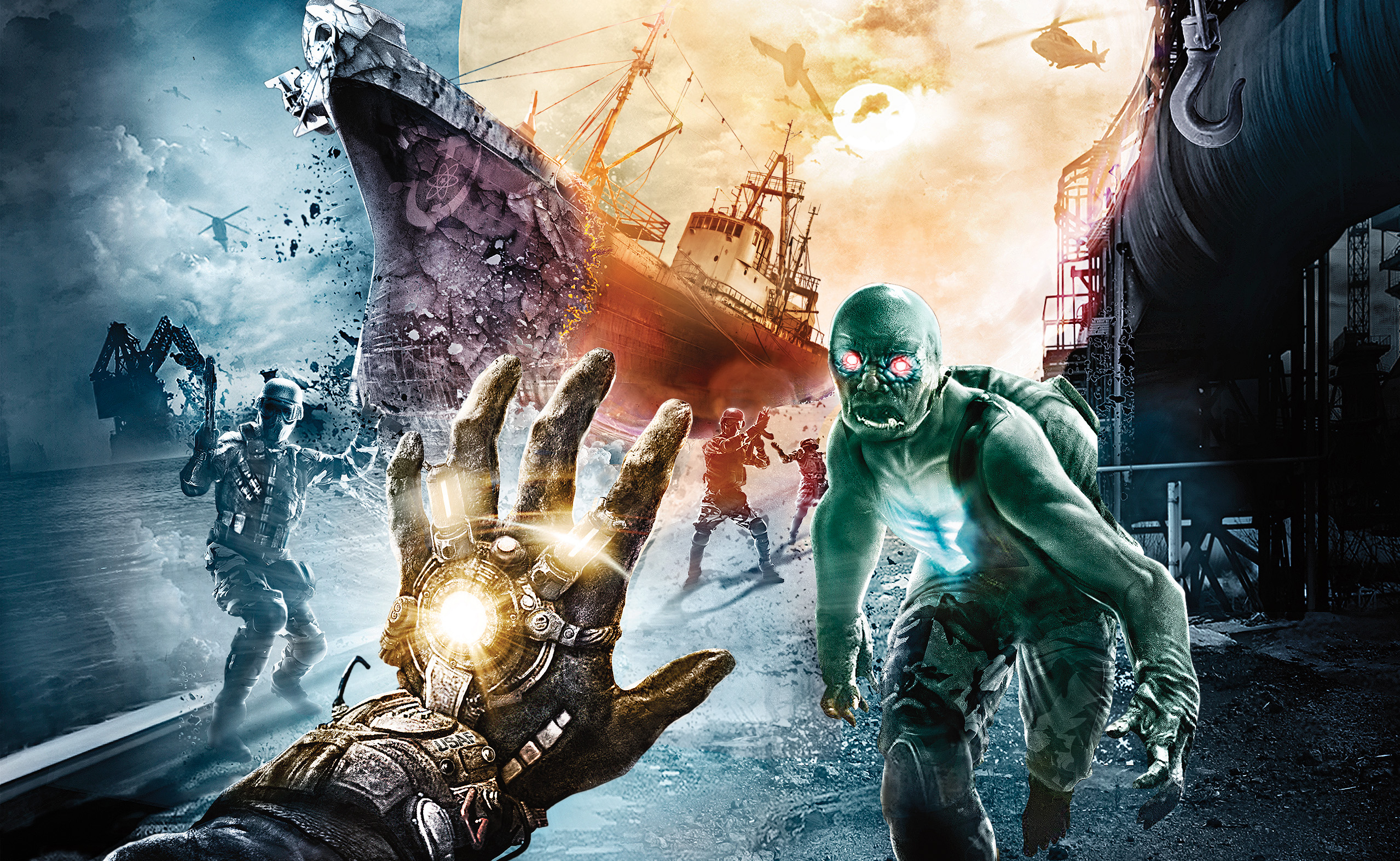
9. Singularity
Raven Software's Singularity was a fascinating, often overlooked, first-person shooter blending Cold War paranoia with time-bending science fiction. Players, armed with the Time Manipulation Device, could age or de-age objects and enemies, creating unique puzzle and combat scenarios. Its atmospheric island setting, filled with Soviet-era secrets and mutated horrors, crafted a compelling B-movie-esque narrative. It was a stylish, mechanically clever game that felt like a spiritual successor to classic sci-fi shooters.
10 / 10

10. Destroy All Humans!
The original Destroy All Humans! was a hilarious and cathartic sandbox experience, letting players revel in alien-driven destruction. As Crypto-137, humanity's diminutive overlord-in-training, you harvested brains, abducted cows, and generally wreaked havoc on 1950s America. Its satirical take on Cold War paranoia and classic sci-fi tropes, combined with its unique weaponry and psychic abilities, made for a delightfully irreverent romp. It perfectly captured the joy of being an unapologetically evil alien invader.