
1 / 10
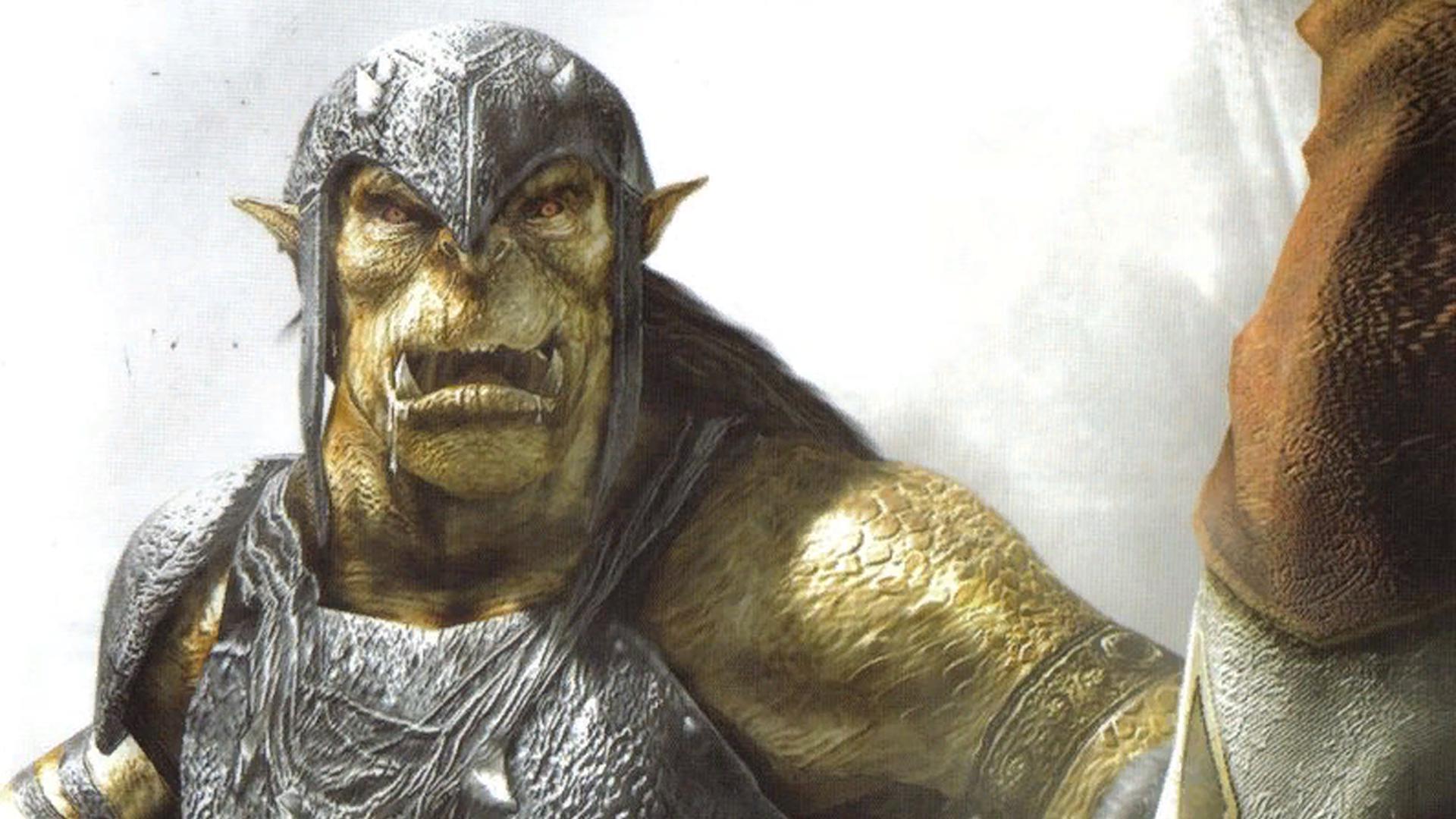
1. Dark Messiah of Might and Magic
Man, Dark Messiah was a physics playground before physics playgrounds were a thing. Kicking goblins into spikes, freezing dudes and shattering them, or just straight-up dropping stalactites on their heads – it was glorious. Most games back then, and even now, are too busy trying to be cinematic. Dark Messiah just dropped you into a world and said, 'Go nuts with your environment.' It’s a combat system that feels so right, yet few have replicated its sheer, visceral joy.
2 / 10
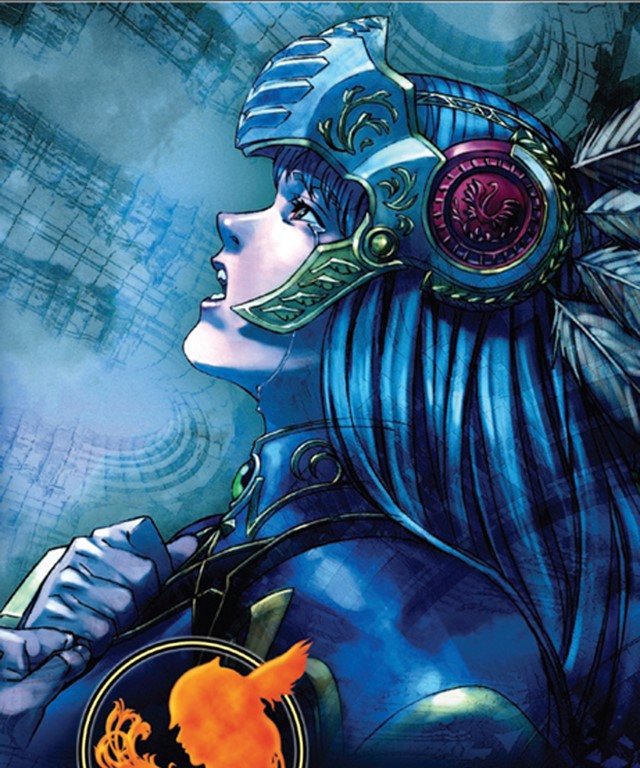
2. Valkyrie Profile
Square Enix sometimes forgets how to take risks, but Valkyrie Profile on the PS1 was pure, undiluted experimental magic. Its recruitment system, the interwoven character stories, and that incredibly unique combo-driven combat — it was unlike anything else. You weren't just grinding; you were experiencing a melancholic epic, recruiting souls for Ragnarok. It asked for investment, and it paid off with one of the most atmospheric and engaging JRPGs of its era, not just another turn-based filler.
3 / 10
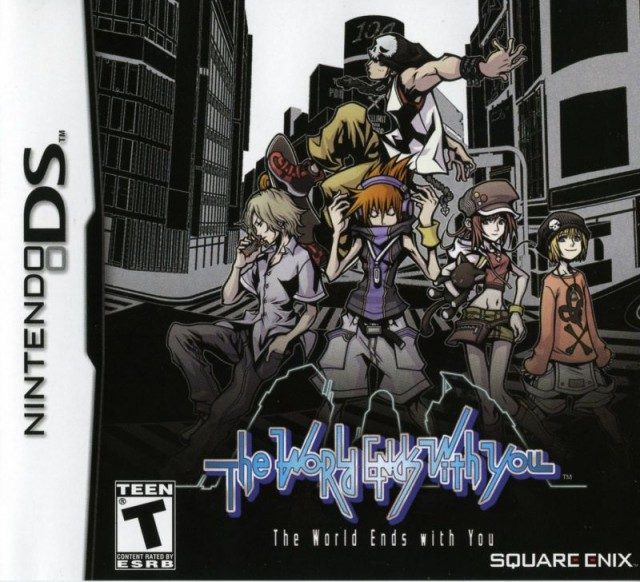
3. The World Ends With You DS
Forget the ports, the DS version of The World Ends With You was a revelation. It wasn't just a game; it was an entire aesthetic, a vibe. Battling across two screens simultaneously, managing Neku and his partner with frantic stylus swipes and button presses, felt incredibly fresh. Shibuya itself was a character, bursting with style and a genuinely compelling story about self-discovery. It dared to be different, and it nailed it, never feeling like bland open-world content.
4 / 10
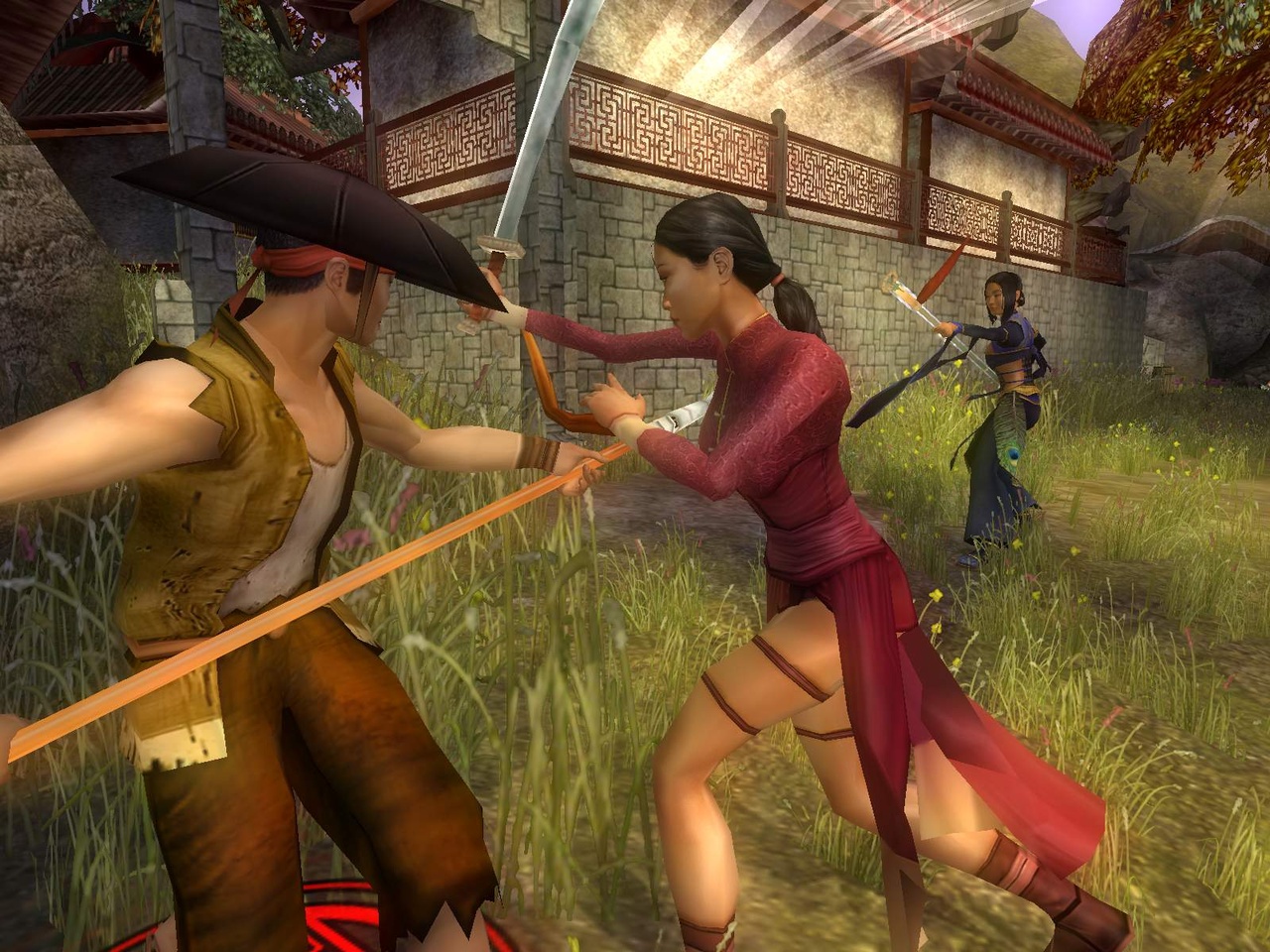
4. Jade Empire
BioWare crafting a Wuxia RPG felt like a dream, and Jade Empire absolutely delivered. It married their signature storytelling and choice-driven narrative with a fluid, martial arts combat system that was just plain fun. You felt like a true master of fighting styles, influencing your path with every punch and philosophical decision. It wasn't just 'fantasy RPG with a new coat of paint'; it carved out its own niche beautifully and still holds up as a unique experience.
5 / 10
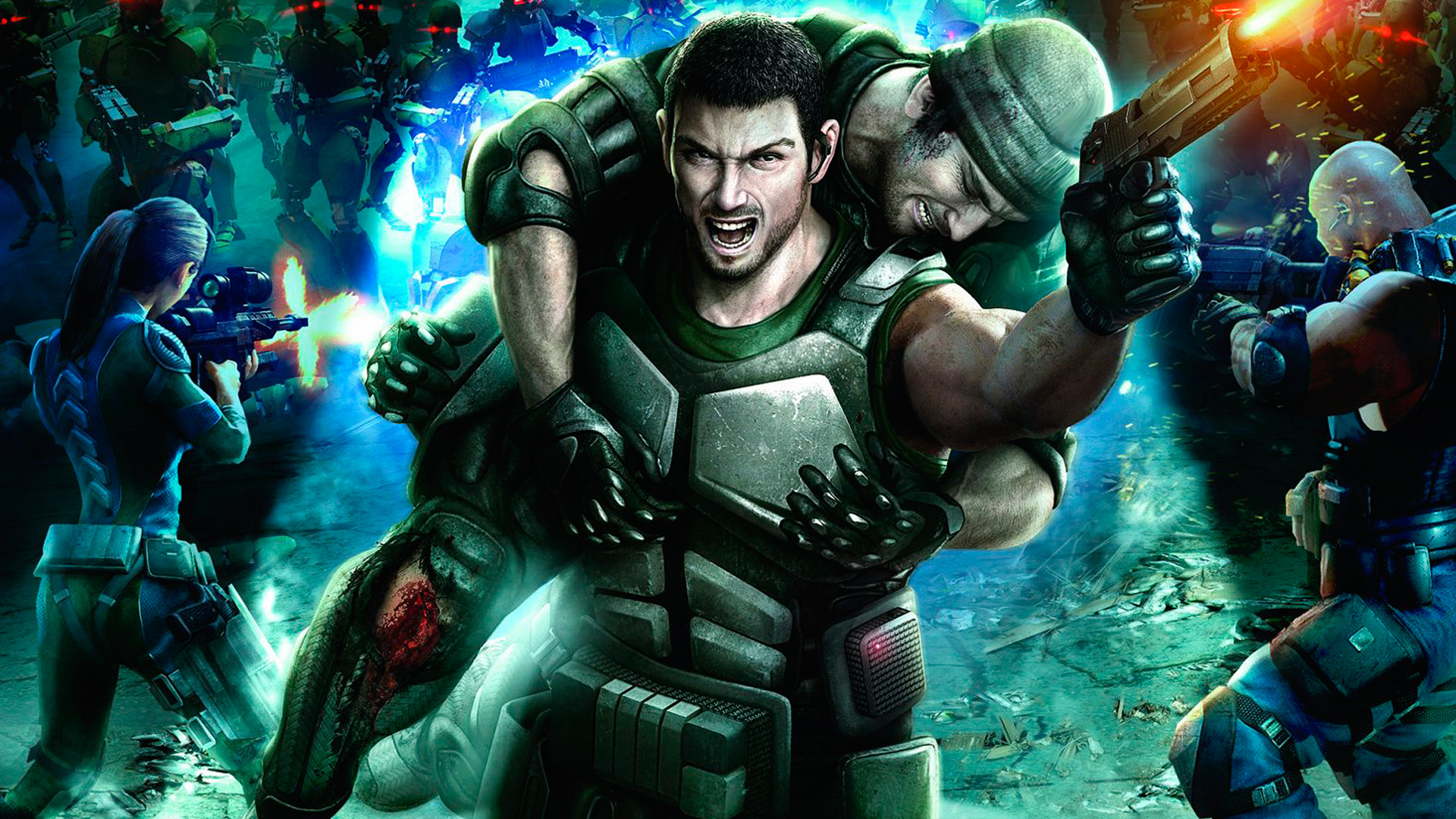
5. Binary Domain
Binary Domain was a surprisingly deep third-person shooter that got buried under AAA marketing. Its destructible robots, where shooting off limbs actually mattered, and the surprisingly effective trust-based squad mechanics, including voice commands, made combat genuinely engaging. Plus, the story was way more thoughtful than its 'shoot robots' premise suggested, wrestling with humanity and AI in a way that didn't feel preachy. This game earned its cult status.
6 / 10
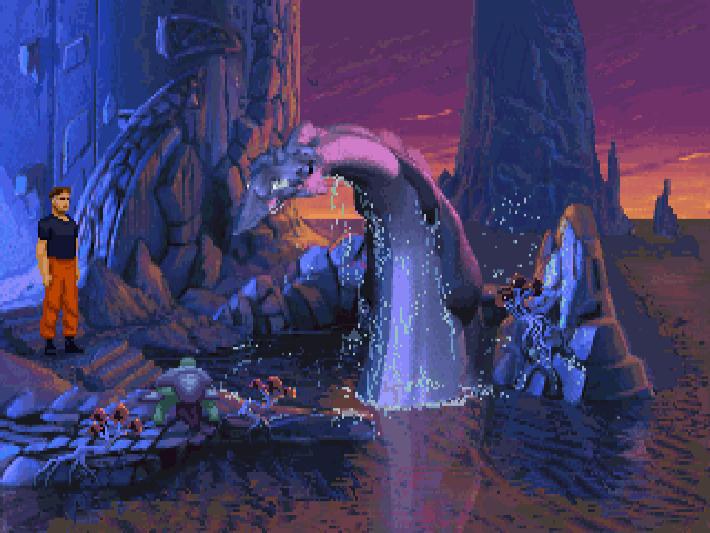
6. The Dig
LucasArts' The Dig, with Steven Spielberg's touch, was a cinematic sci-fi adventure game that gripped you from the start. Its puzzles were tough, sure, but the atmosphere and the sense of alien discovery were unparalleled. This wasn't about quick dopamine hits; it was about unraveling a profound mystery on a desolate, beautiful alien world. It truly felt like interactive science fiction, a grand narrative experience that respected your intelligence.
7 / 10
7. Dynamite Headdy (1994)
Treasure always pushed hardware limits, and Dynamite Headdy on the Genesis was a masterclass in creative platforming. Headdy's detachable heads offered wild abilities, and the sheer inventiveness of the boss fights and level design was mind-blowing. It was pure gameplay innovation, a vibrant, chaotic explosion of ideas that never settled for generic tropes. This game was a pure, unadulterated passion project, not some algorithmically generated 'fun'.
8 / 10

8. Kuon
Before FromSoftware was synonymous with 'Souls,' they made Kuon, a PS2 survival horror gem steeped in Japanese folklore. It’s slow, unsettling, and genuinely creepy, focusing on psychological dread over jump scares. Playing as three different characters through overlapping narratives was a bold move that deepened the mystery. It wasn't about action; it was about atmosphere and a creeping sense of vulnerability, a horror experience that stays with you.
9 / 10
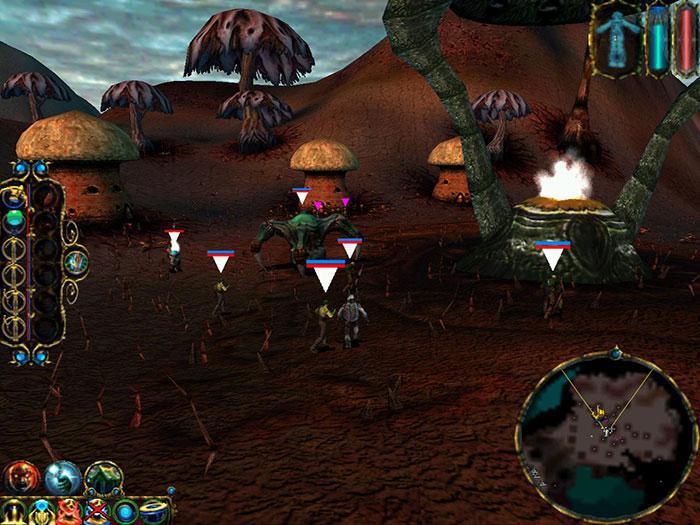
9. Sacrifice
Sacrifice was an anomaly, a real-time strategy game where you directly controlled a wizard, casting spells and summoning creatures. It blended RTS micromanagement with third-person action in a way that few games even attempt today. The art style was grotesquely beautiful, and the god-based factions offered wildly different playstyles. It was unapologetically complex and visually distinct, a game that defied easy categorization and rewarded mastery.
10 / 10
10. Gothic
Gothic was the definition of 'Eurojank' done right. Clunky controls and a brutal difficulty curve hid an incredibly immersive, open-world RPG where every interaction felt meaningful. You started as a nobody, and the world genuinely reacted to you. There were no quest markers holding your hand; you had to explore, learn, and survive. It fostered a unique sense of accomplishment and discovery that modern, sanitized open-world games rarely achieve.