1 / 10
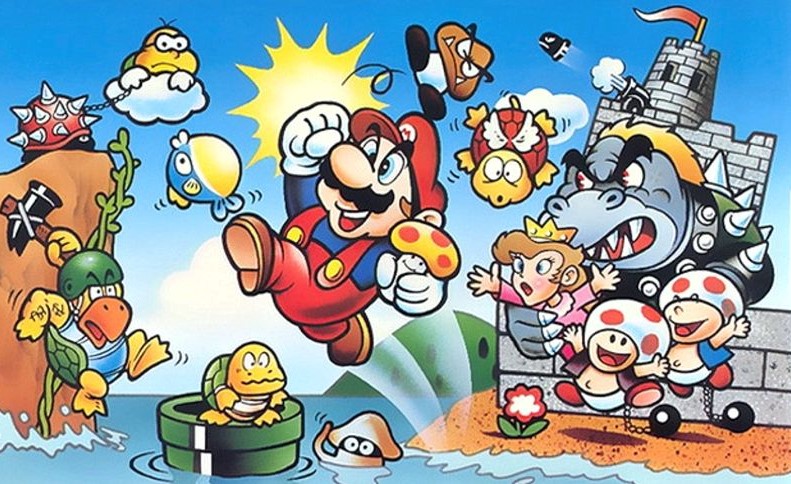
1. Super Mario Bros.
This game didn't just popularize the platformer; it defined it. When it landed, it was a revelation, showcasing what video games could truly be. Its level design, responsive controls, and iconic characters laid the groundwork for decades of interactive entertainment. It connected with an entire generation, becoming synonymous with the very idea of playing a video game. It's a foundational text in gaming history.
2 / 10
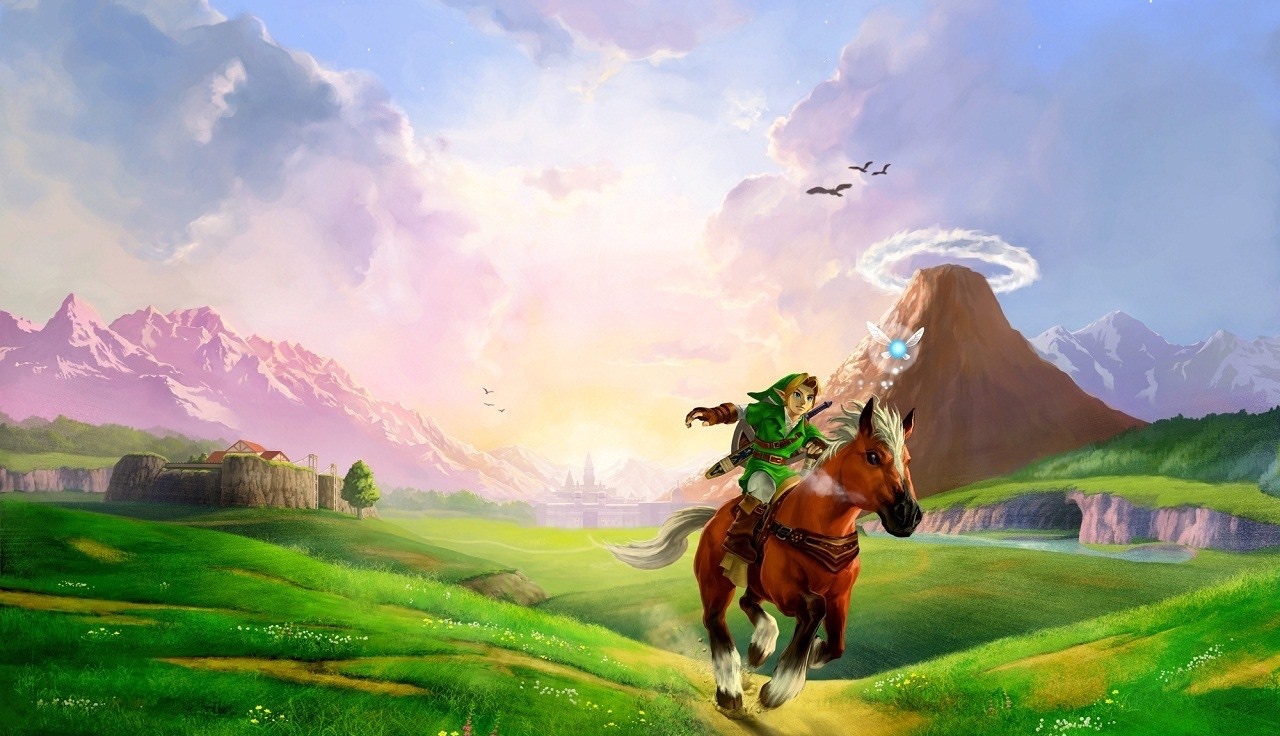
2. The Legend of Zelda: Ocarina of Time
Stepping into Hyrule in 3D for the first time was an experience many still recall vividly. This wasn't just another adventure; it set the standard for narrative depth, environmental puzzles, and cinematic presentation in a 3D world. It showed how a game could evoke profound emotion and epic scale, influencing countless action-adventure titles that followed. Its legacy is etched into the very fabric of game design.
3 / 10
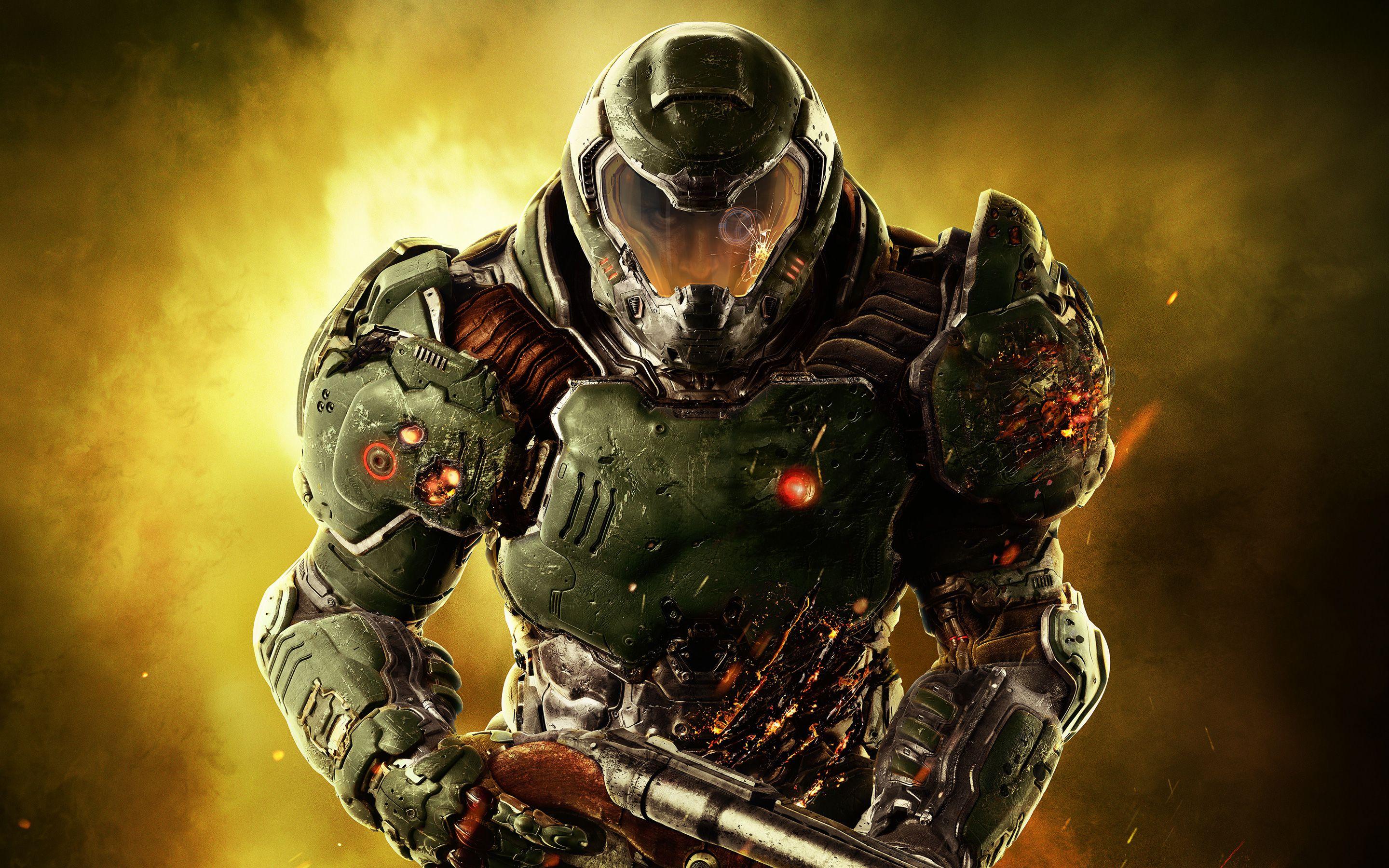
3. DOOM (2016)
After years of iterations, DOOM (2016) didn't just reboot a franchise; it resurrected an entire ethos. It brought back the brutal, fast-paced, and unapologetically aggressive combat that defined its progenitors, but with a modern polish. It reminded a generation that first-person shooters could be about pure, unadulterated power fantasy, an adrenaline-fueled ballet of destruction. It was a masterclass in reinterpreting a classic.
4 / 10
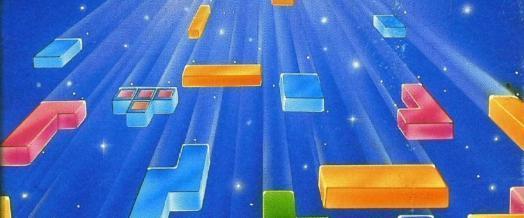
4. Tetris (1984)
Few games possess the universal, timeless appeal of Tetris. Its deceptively simple premise — rotating falling blocks to clear lines — became a global phenomenon, transcending language and culture. From arcade cabinets to handheld devices, it proved that pure, elegant game mechanics could captivate millions. This puzzle game remains a masterclass in design, one that never truly loses its hypnotic grip on players.
5 / 10
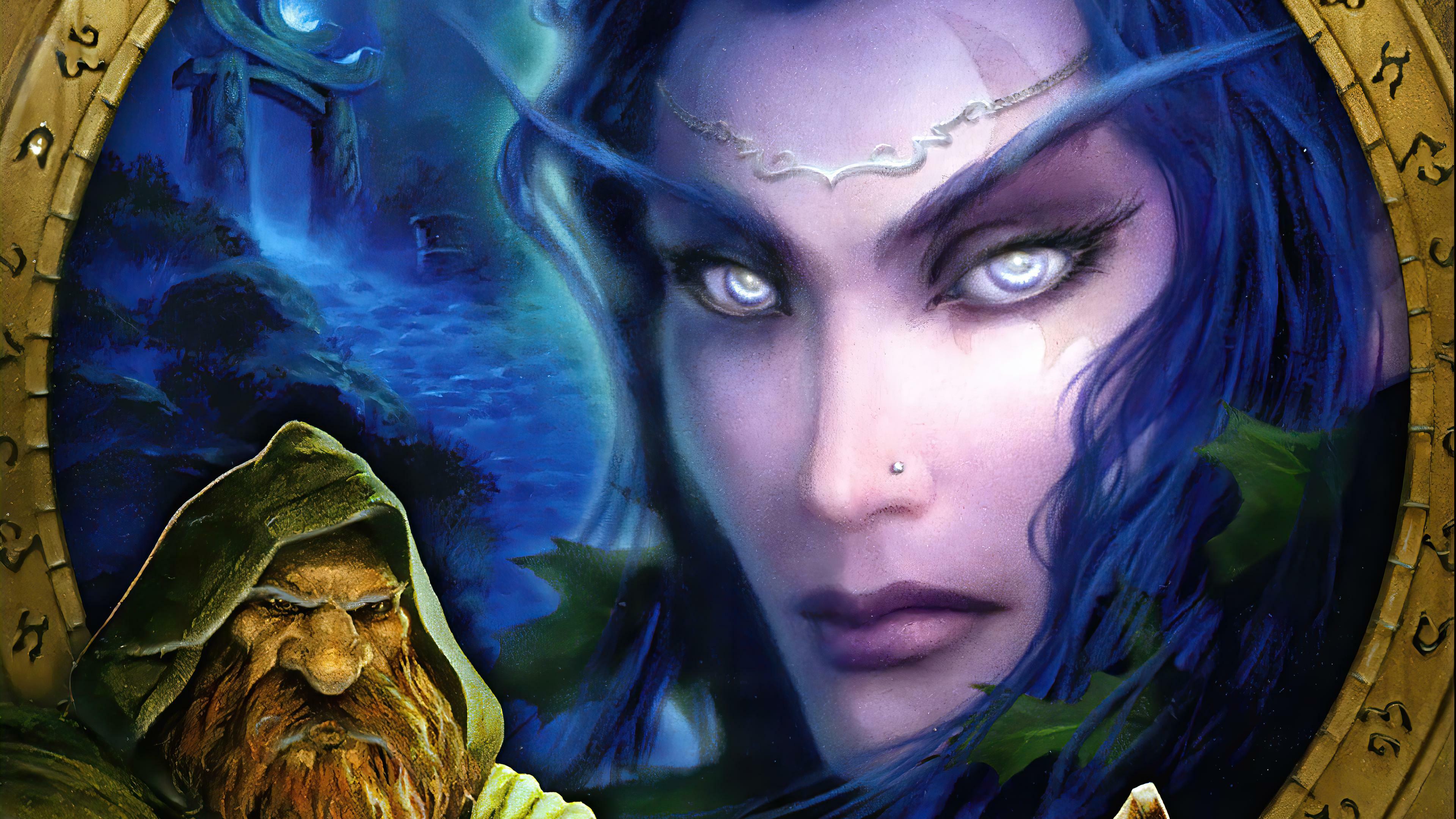
5. World of Warcraft
For many, World of Warcraft wasn't just a game; it was a second life. It redefined the massively multiplayer online genre, creating vast virtual worlds where friendships were forged, rivalries born, and epic stories unfolded. The sheer scale of its community, its persistent world, and its evolving narrative set a benchmark for online interaction and long-term engagement that few have matched. It truly was a cultural touchstone.
6 / 10
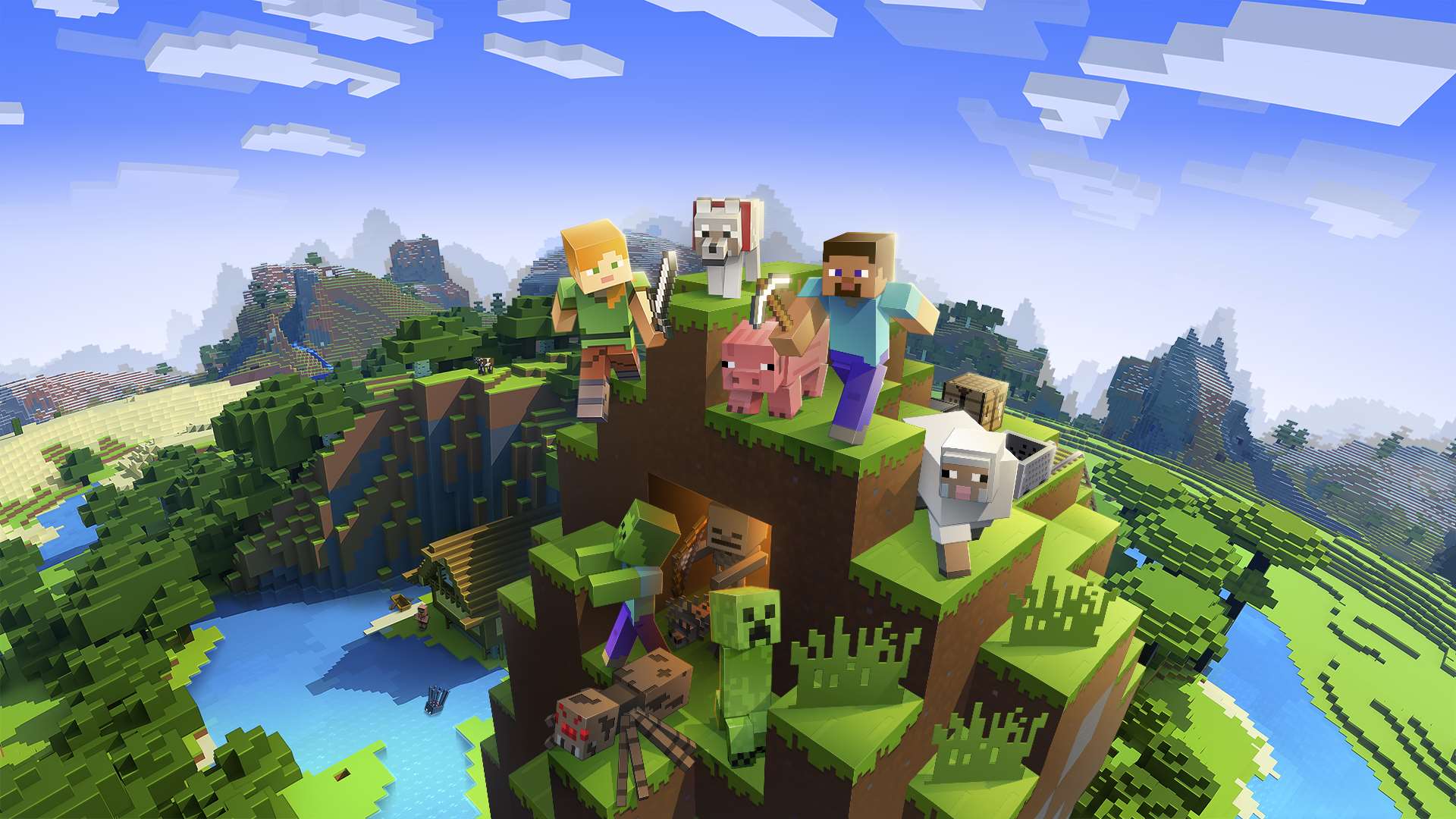
6. Minecraft
Minecraft didn't just offer a game; it provided a digital canvas. Its blocky, open-ended world empowered millions to build, explore, and create with unprecedented freedom. It democratized game design, turning players into architects and storytellers. This sandbox phenomenon transcended age groups, becoming a global educational tool and a testament to the power of emergent gameplay and boundless imagination.
7 / 10
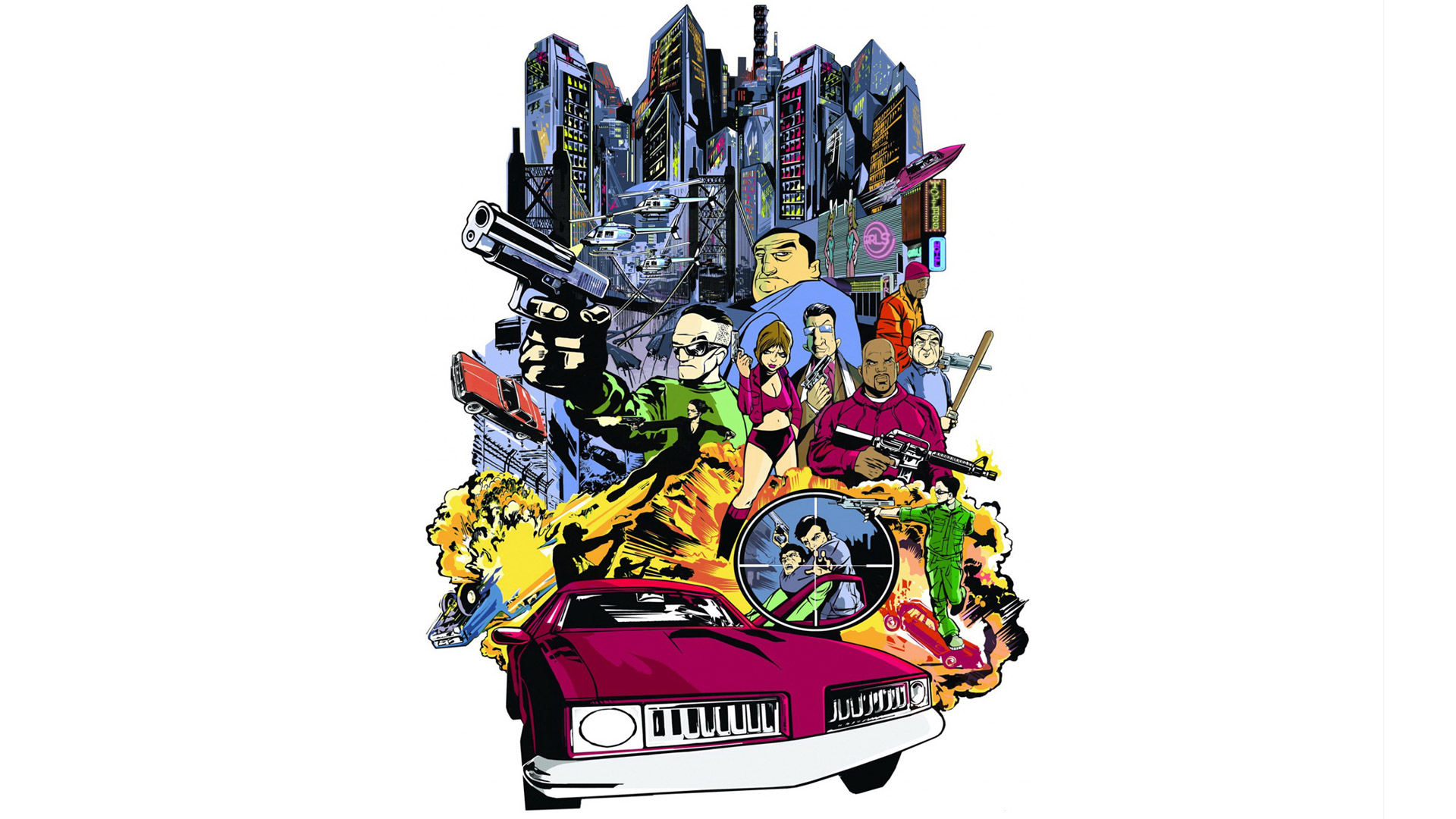
7. Grand Theft Auto III
Grand Theft Auto III was a seismic shift for the industry. It thrust players into a living, breathing 3D city, offering an unparalleled sense of freedom and consequence. Its mature themes and controversial nature sparked widespread debate, but its influence on open-world design and narrative structure was undeniable. It opened doors for a new kind of interactive storytelling, pushing boundaries for generations to come.
8 / 10
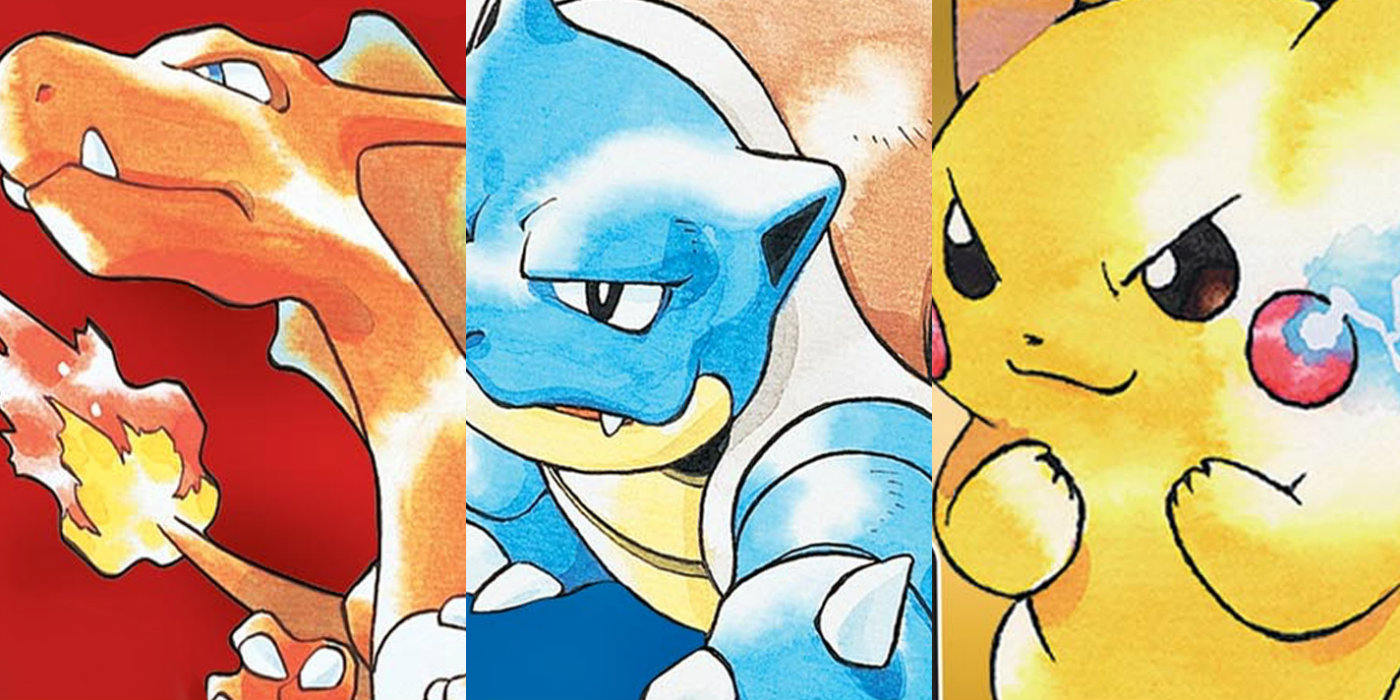
8. Pokémon Red, Blue, Yellow
Catching 'em all became a global obsession with Pokémon Red, Blue, and Yellow. These games weren't just about collecting; they pioneered a unique blend of RPG mechanics, social trading, and strategic combat. They fostered a sense of community through linked battles and trades, sparking a cultural phenomenon that spanned video games, anime, and merchandise, uniting generations in their quest.
9 / 10

9. Street Fighter II: The World Warrior (1991)
When Street Fighter II hit arcades, it didn't just popularize the fighting genre; it perfected it. Its precise controls, diverse character roster, and deep competitive mechanics ignited a global phenomenon. Tournaments flourished, rivalries formed, and an entire subculture around competitive gaming took root. It set the gold standard for one-on-one combat, a game whose influence is still felt in every punch and kick today.
10 / 10
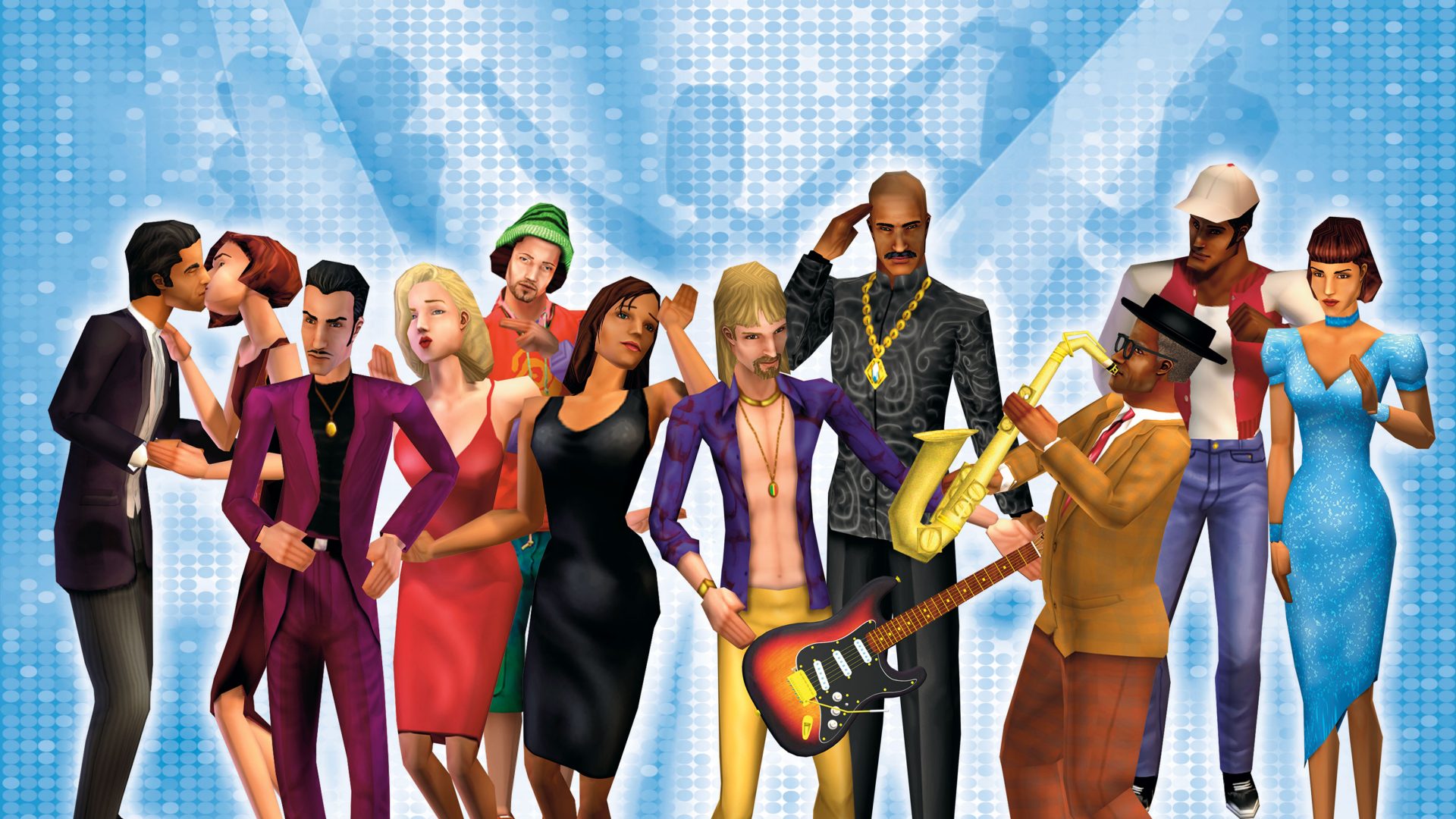
10. The Sims
The Sims offered something fundamentally different: life itself, simulated. It wasn't about winning or losing, but about creating stories, managing relationships, and building digital lives. This unique approach broadened gaming's appeal, drawing in players who might not typically engage with traditional genres. It proved that simulation could be deeply personal, endlessly creative, and incredibly compelling, a sandbox for human experience.