1. The Last of Us Part II
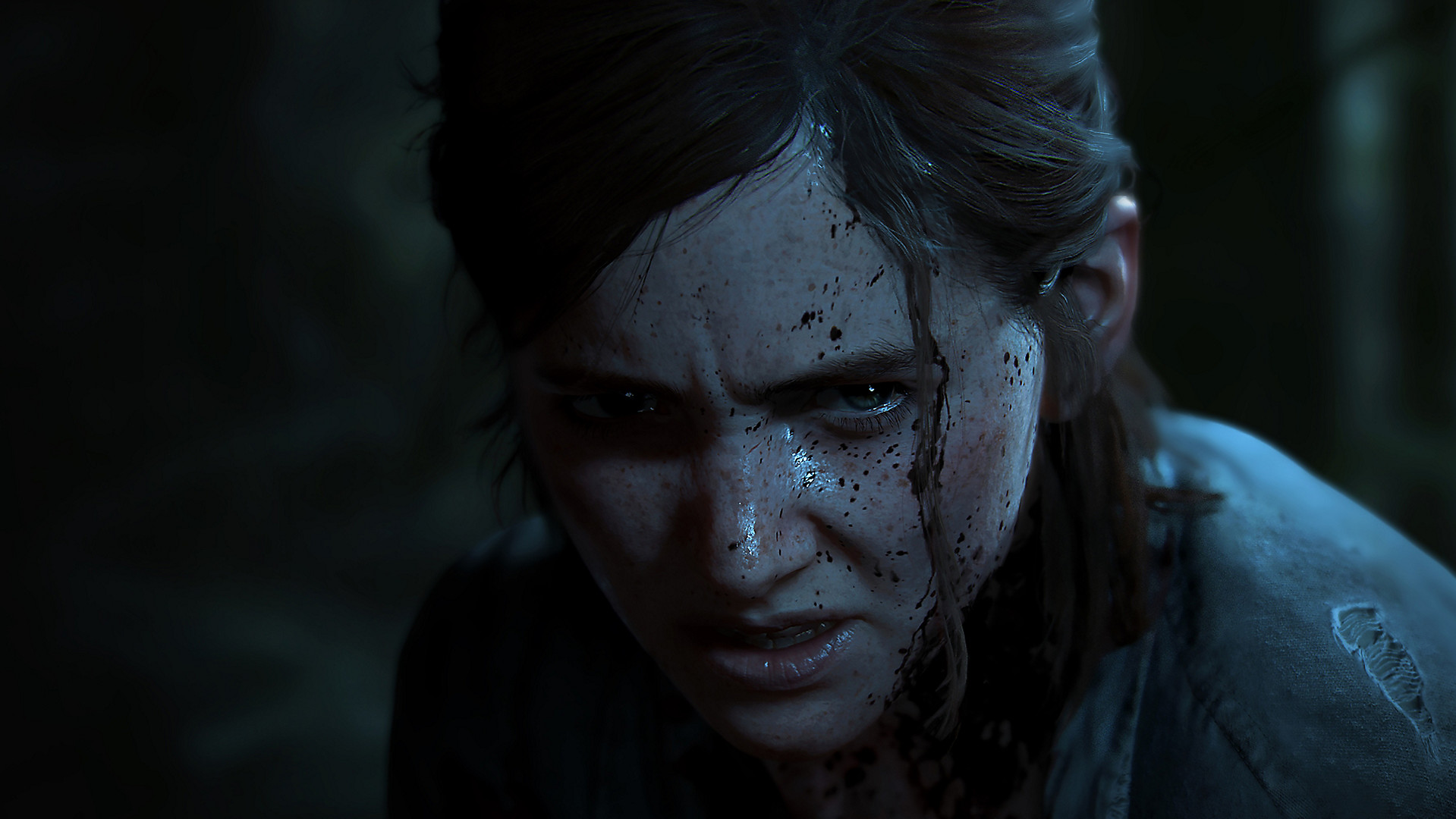
Listen, *The Last of Us Part II* isn't just a game; it's an endurance test. Naughty Dog delivered a narrative so brutal and uncompromising it split the player base. It forced you to confront uncomfortable truths, blurring lines between hero and villain, and asking if revenge is ever truly satisfying. Sure, the pacing could drag, and it wasn't the 'fun' sequel many expected, but its sheer audacity in storytelling and character devolution still echoes. You don't 'enjoy' it, you *experience* it, often through gritted teeth.
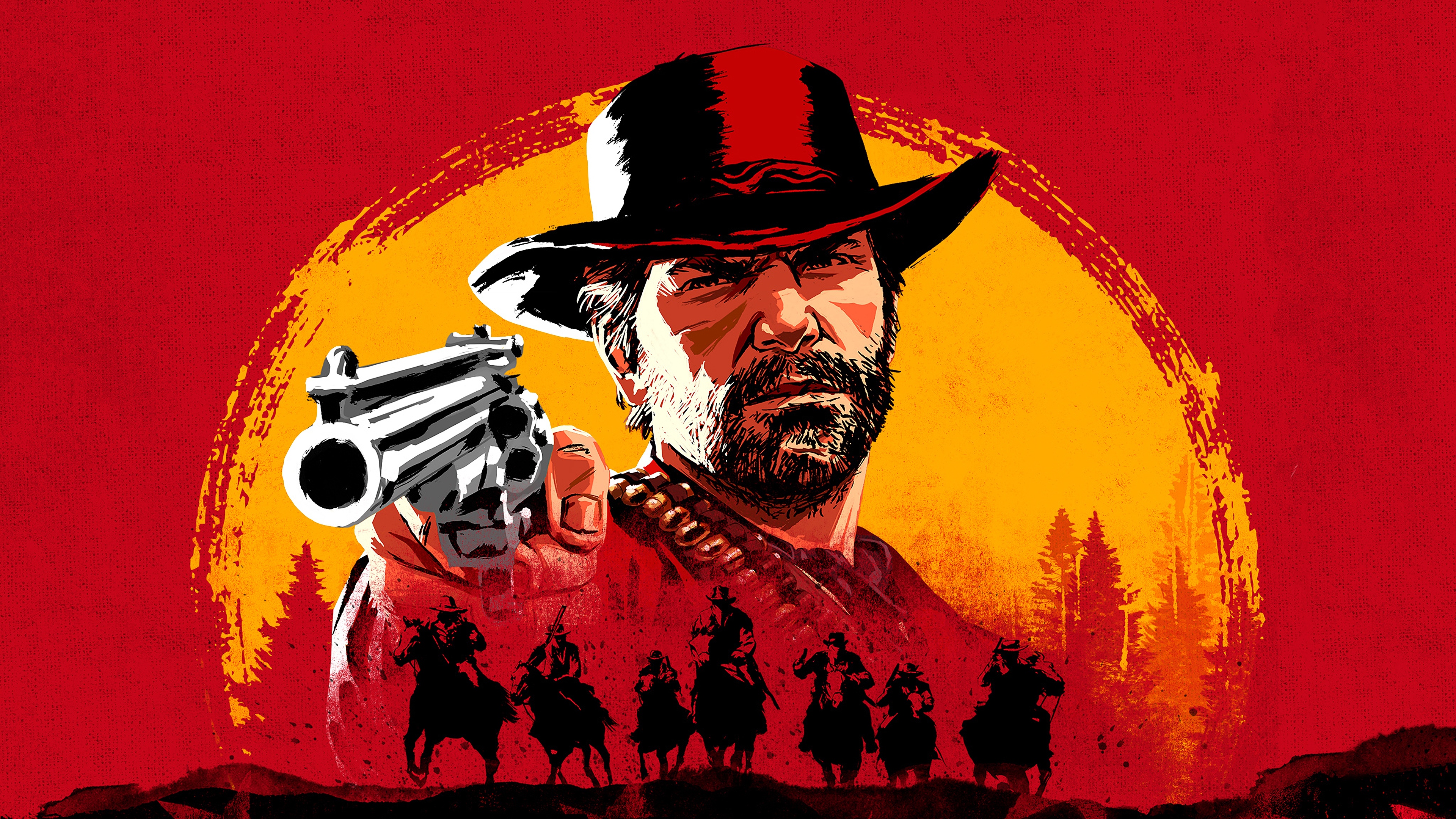
2. Red Dead Redemption 2
Rockstar built a world so rich and detailed in *Red Dead Redemption 2* it felt like living a life. Arthur Morgan’s journey, from cynical outlaw to a man grappling with his past and mortality, is one of gaming's greatest character arcs. Sure, controls were clunky and missions sometimes linear, but the sheer emotional weight of its narrative, the quiet moments, and that bittersweet ending stick with you. It’s a masterclass in slow-burn storytelling, making most modern open-world maps feel like glorified checklists.
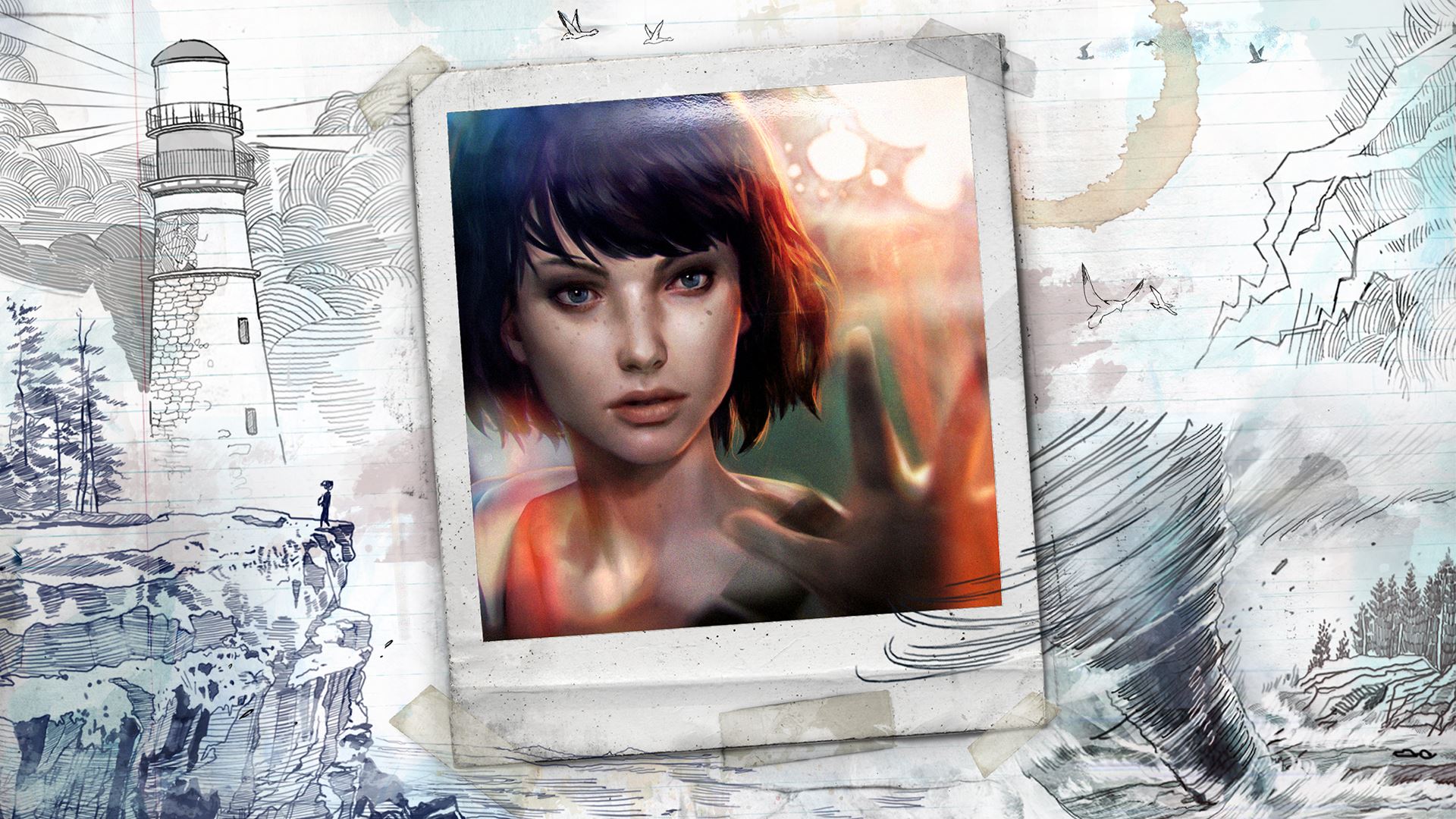
3. Life is Strange
Before every indie game decided player choice was *the* mechanic, *Life is Strange* nailed it. It was a raw, often painfully earnest narrative about teenage drama, time travel, and the butterfly effect. Max and Chloe's relationship, the small-town mysteries, and those gut-punching decisions made it impossible to put down. Even with some awkward dialogue, it proved you don't need AAA budgets to craft a deeply personal, emotionally resonant story that genuinely makes you question your morals. The ending still haunts discussions.
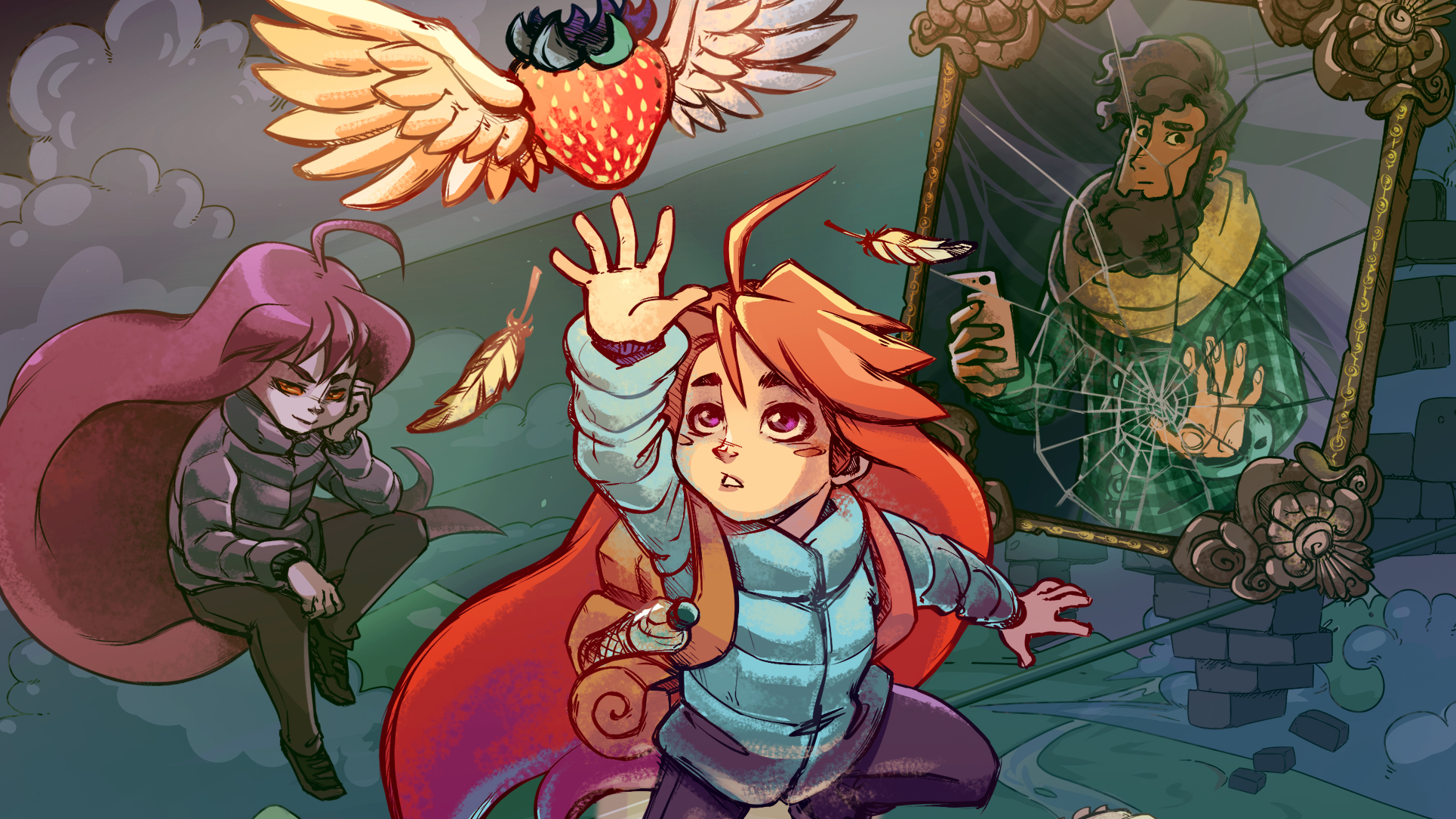
4. Celeste
*Celeste* isn't just a pixel-perfect platformer; it's a profound exploration of anxiety and self-doubt. Madeline's climb up the mountain is a powerful metaphor for facing your inner demons, presented with some of the most satisfying, punishing, yet fair gameplay around. The difficulty isn't there to frustrate, but to mirror the struggle, and every tiny victory feels earned. Plus, that soundtrack? Chef's kiss. It’s a masterclass in blending tight mechanics with a genuinely heartfelt, inspiring story. An absolute must-play.
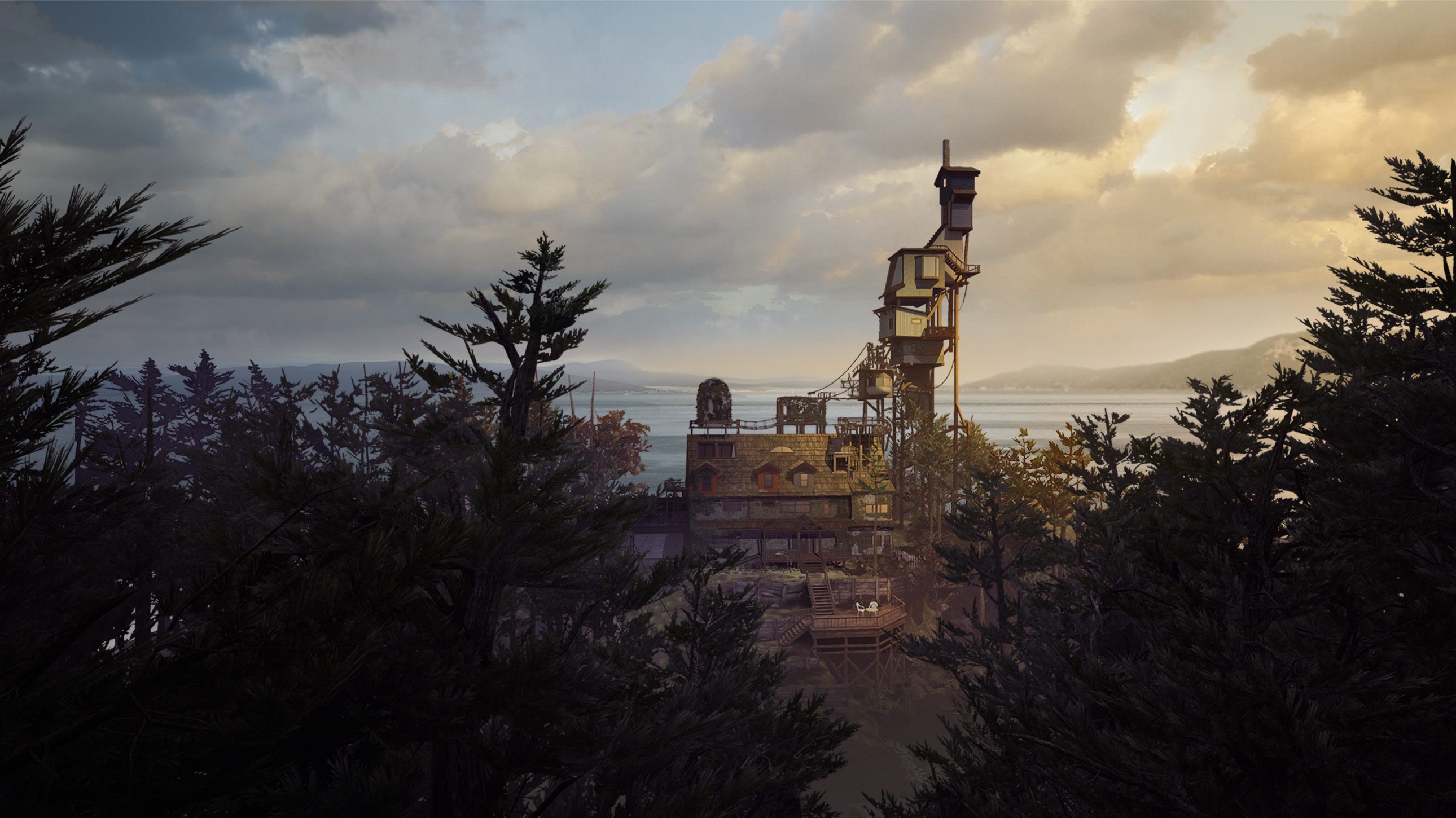
5. What Remains of Edith Finch
This game is less a game and more an interactive short story collection that just *hits*. *What Remains of Edith Finch* masterfully weaves together the tragic tales of a cursed family, each vignette a unique, experimental gameplay experience. It’s melancholic, beautiful, and profoundly unsettling, exploring themes of death, memory, and the stories we leave behind. You're not solving puzzles; you're experiencing fragments of lives, building a mosaic of human experience. It's a gold standard for narrative design, proving games can be truly literary.
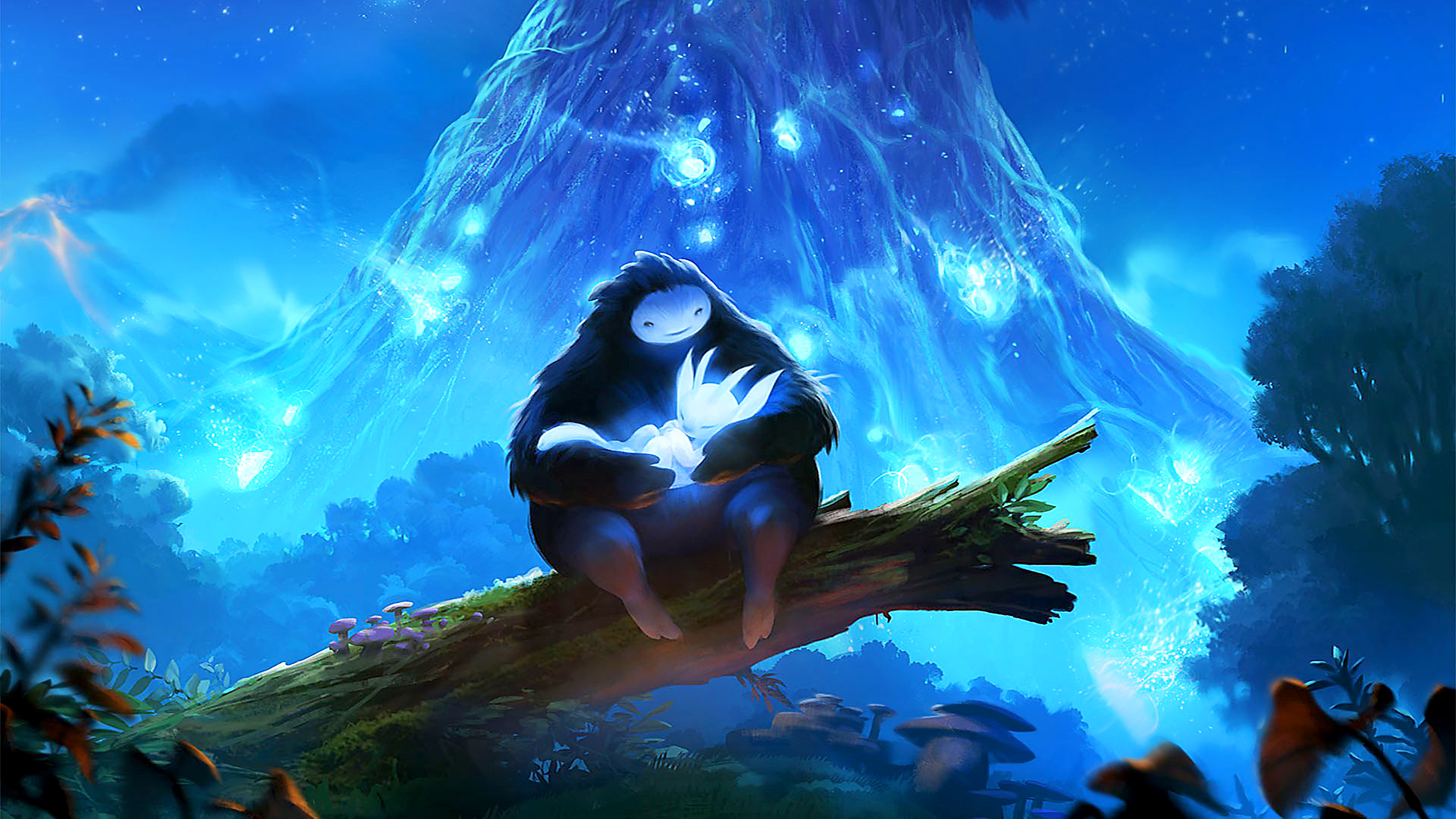
6. Ori and the Blind Forest
*Ori and the Blind Forest* is breathtakingly beautiful, but don't let the gorgeous art style fool you; it's a Metroidvania with a heart of pure, unadulterated pain. The opening sequence alone is enough to reduce hardened gamers to tears. Its precise platforming, challenging combat, and evocative score combine with a narrative about sacrifice, environmental decay, and heroism that resonates long after the credits roll. It's a reminder that truly impactful stories often come from places of profound vulnerability.
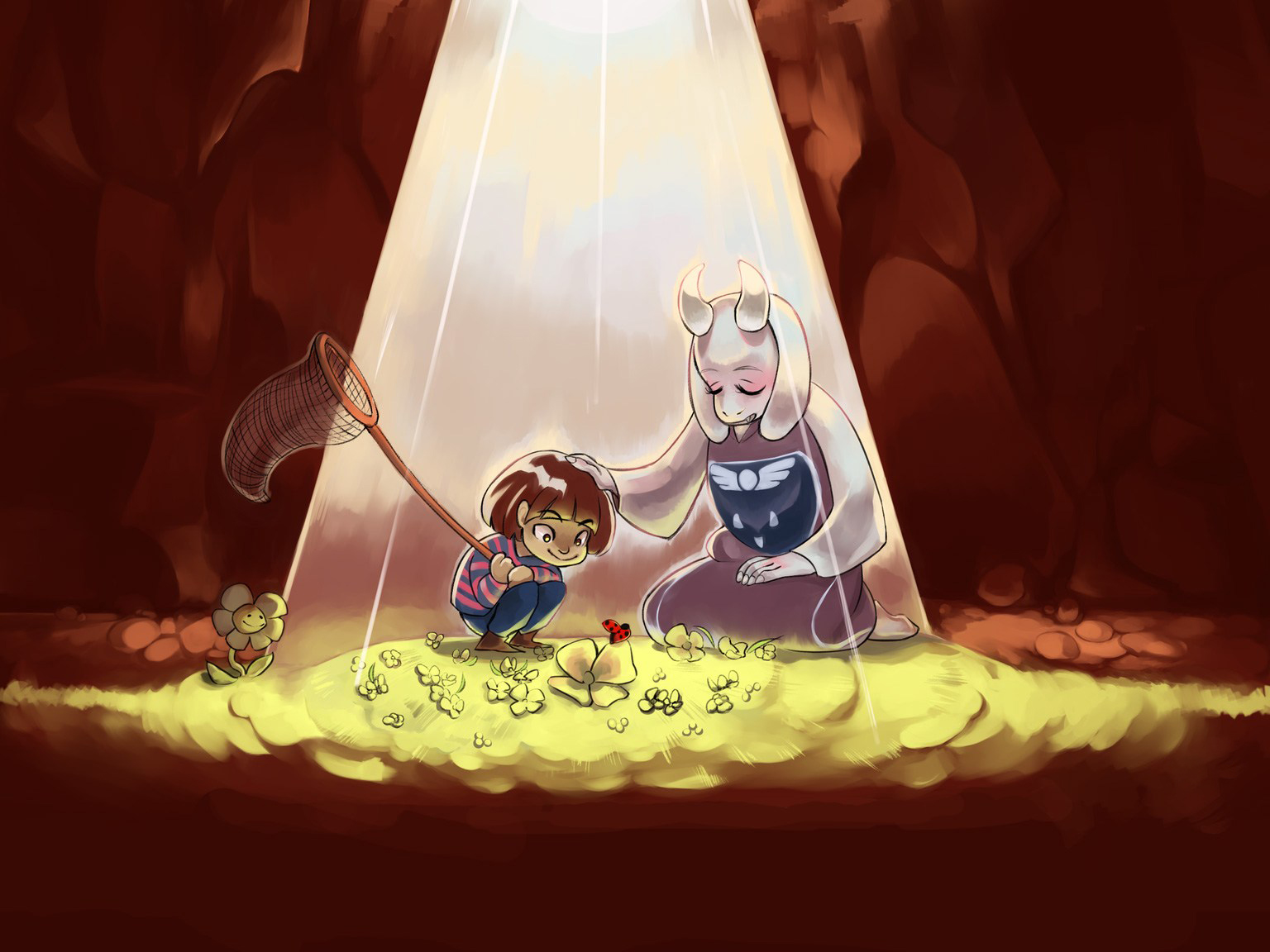
7. Undertale
*Undertale* absolutely broke the mold, proving that true innovation often comes from challenging established norms. This RPG actively skewers genre tropes, letting you talk, flirt, or even spare enemies instead of fighting. Every choice matters, leading to radically different playthroughs and an emotional weight few games achieve. Its charming pixel art, unforgettable characters, and a soundtrack that lives rent-free in your head make it a masterpiece of player agency and meta-commentary on gaming violence. A true indie legend.
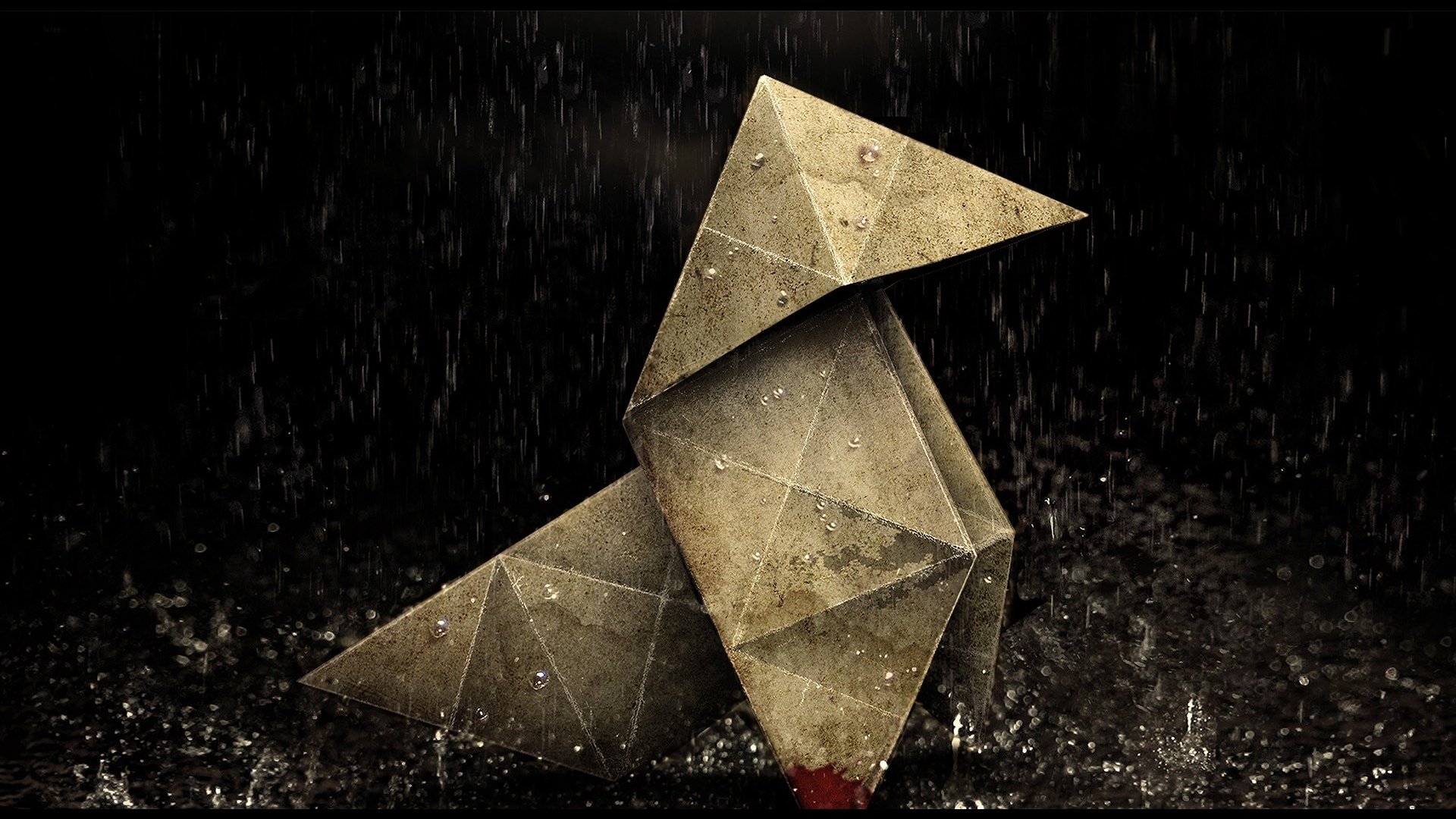
8. Heavy Rain
*Heavy Rain* was Quantic Dream’s ambitious, flawed, yet undeniably impactful attempt at an interactive thriller. Sure, the QTEs were relentless, the dialogue sometimes clunky, and the plot had more holes than Swiss cheese. But the sheer tension, the branching narrative, and the desperate choices you had to make for its characters? Unforgettable. It pushed boundaries for cinematic storytelling in games, showing us the potential for emotional stakes even with janky controls. It’s a messy masterpiece that still sparks debate.
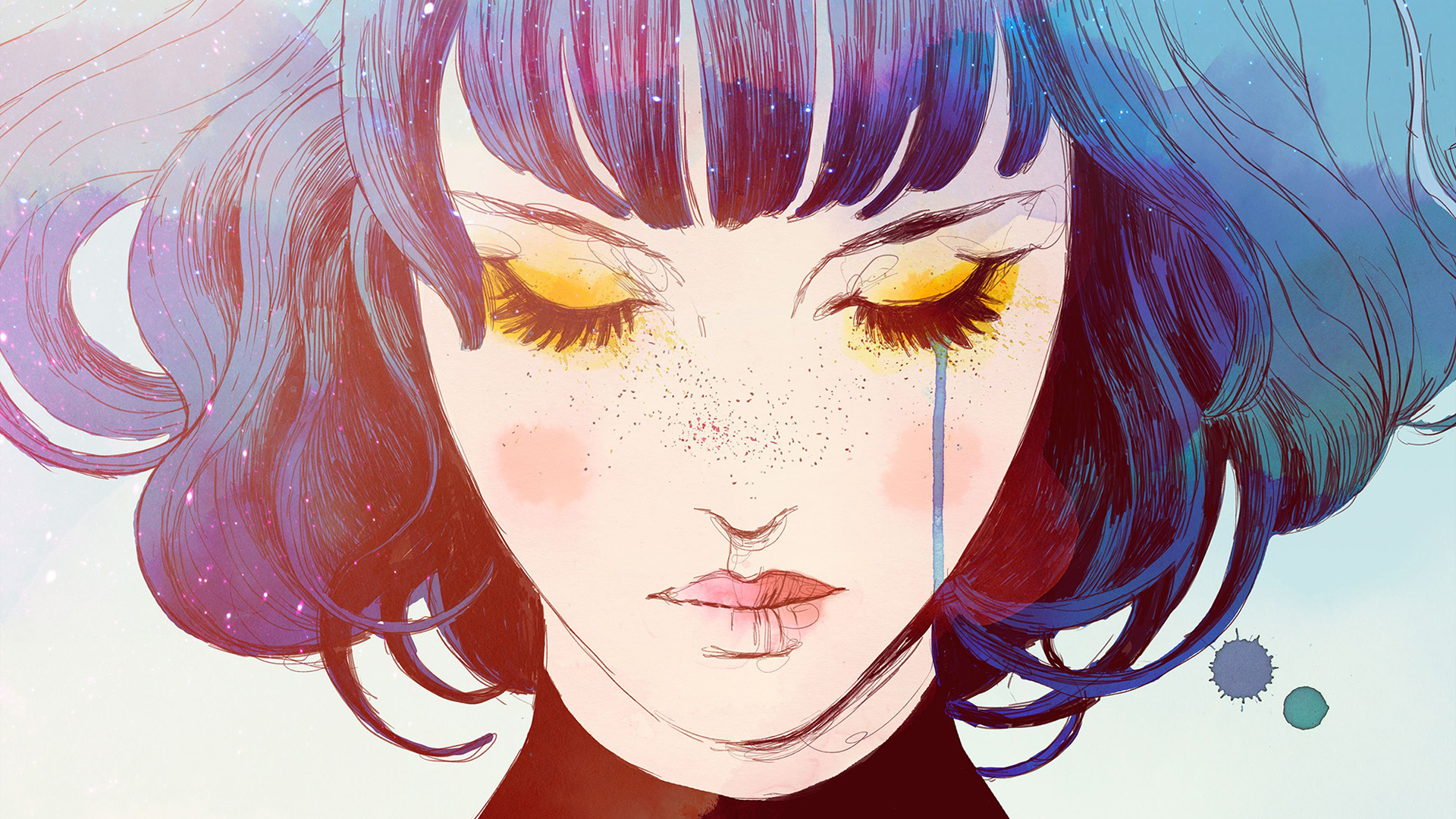
9. Gris
*Gris* is a stunning, wordless journey through grief, represented by a girl navigating a crumbling, colorless world. This is art in game form, pure and simple. Its breathtaking watercolor visuals and ethereal soundtrack do all the talking, conveying a profound sense of loss and eventual hope without a single line of dialogue. The platforming is gentle, almost meditative, designed to evoke emotion rather than challenge. It’s a short, powerful experience that proves games can be profoundly moving artistic statements, minimalist yet impactful.
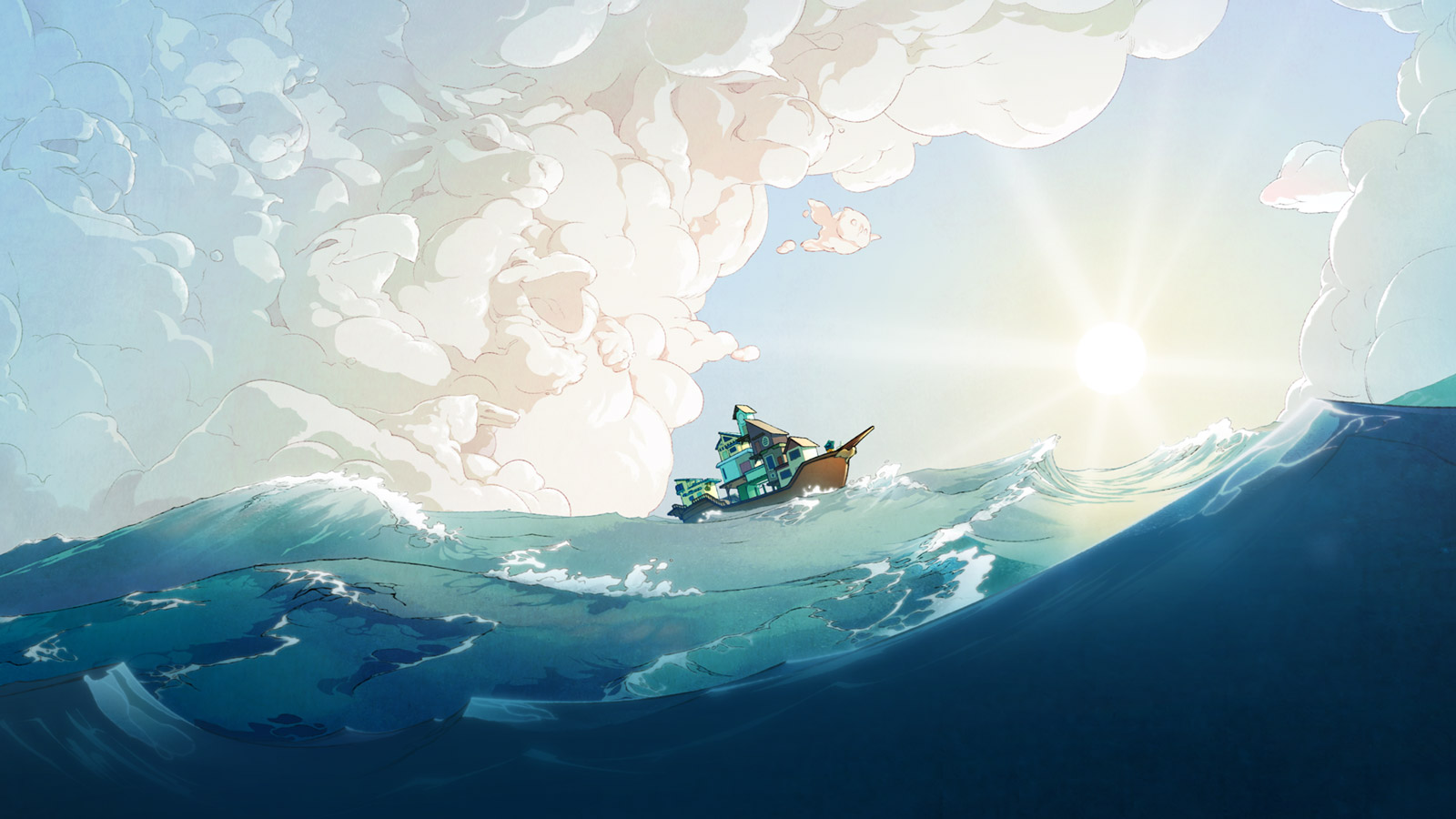
10. Spiritfarer
*Spiritfarer* is the 'cozy management sim about dying' you never knew you needed. You play as Stella, building a boat to explore the world and ferry spirits to the afterlife. It’s a beautiful, melancholic blend of crafting, farming, and heartfelt stories with unique characters. Saying goodbye to each spirit is genuinely tough, a masterclass in emotional design that handles death with grace and compassion. It’s a game that makes you cry, but also makes you feel warm and fuzzy. Truly unique, and profoundly moving.