1 / 10
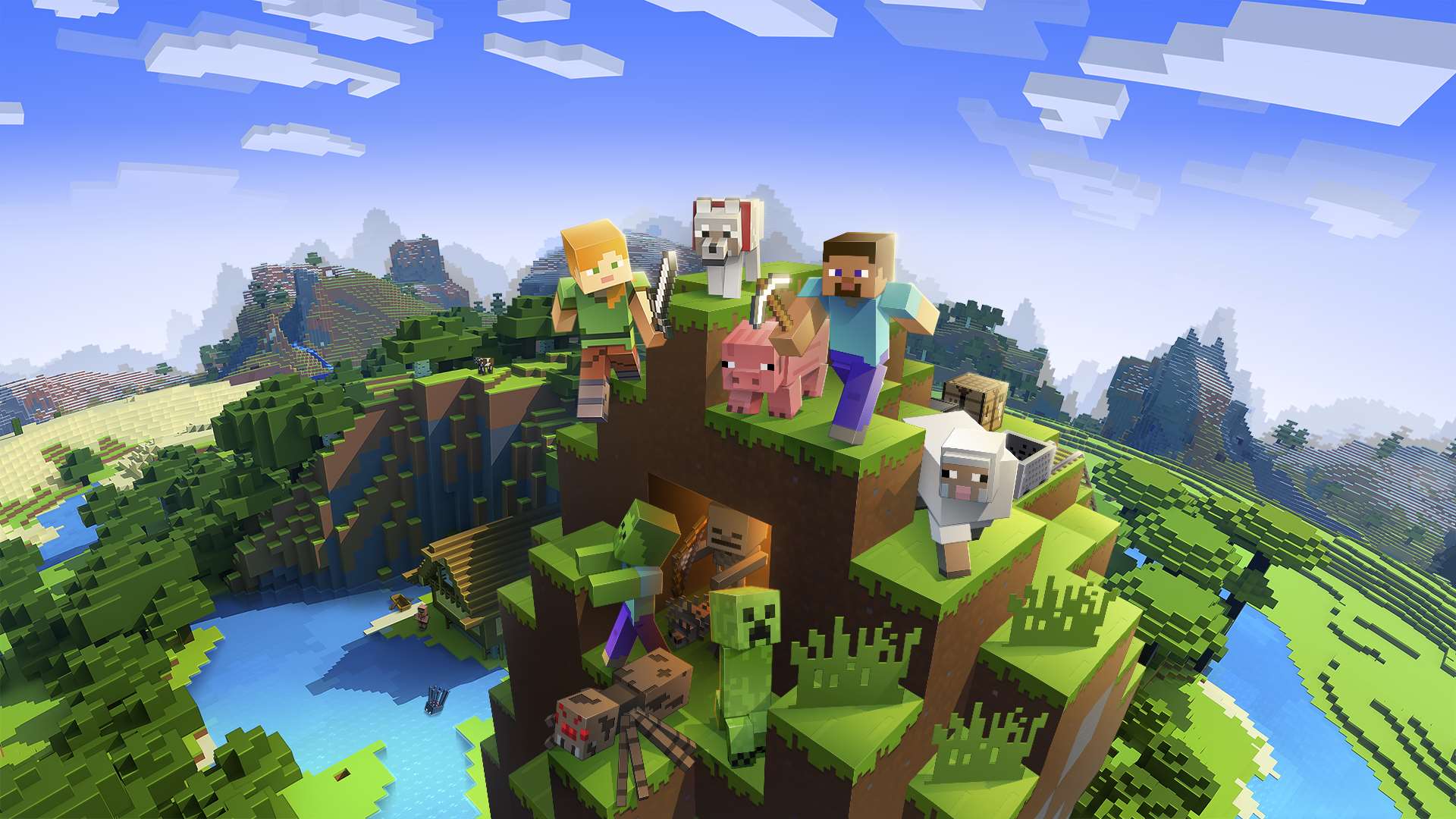
1. Minecraft
Before Minecraft, the idea of an endlessly procedurally generated world where players literally built their own experiences was largely theoretical. It wasn't just a game; it became a global digital playground, a platform for education, and even virtual concert venues. Its blocky aesthetic and open-ended nature sparked a new kind of creative freedom, proving that complex narratives weren't always necessary for deep engagement. We started seeing the world in blocks, imagining possibilities everywhere.
2 / 10
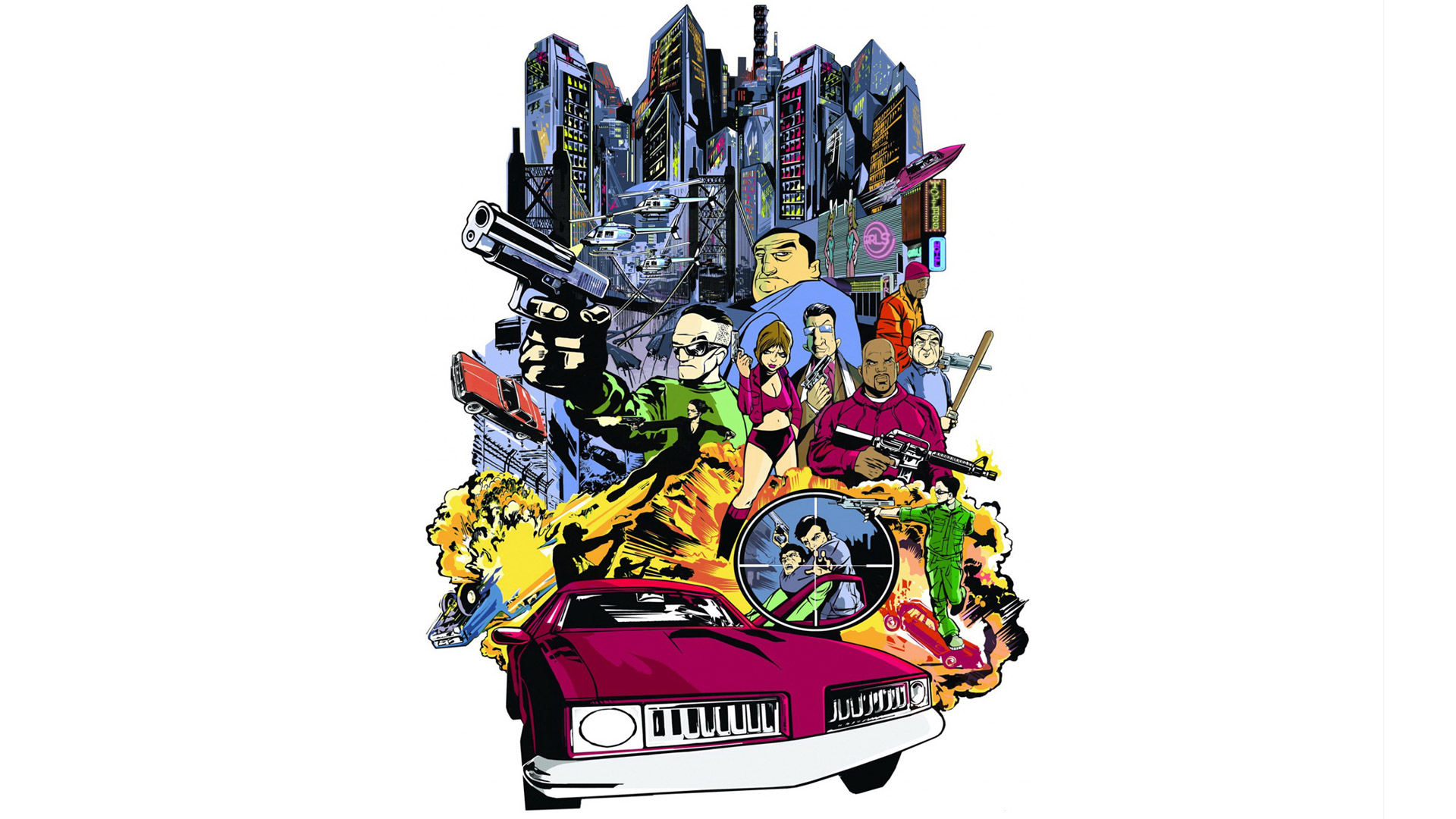
2. Grand Theft Auto III
Grand Theft Auto III didn't just push boundaries; it bulldozed them. Its fully 3D open world, unprecedented freedom, and mature themes sparked widespread moral panic, yet it also redefined what interactive entertainment could be. It cemented the idea of living, breathing digital cities, inviting players to craft their own chaotic narratives. This game became a flashpoint for discussions about video game violence and artistic expression, shaping public perception for years.
3 / 10
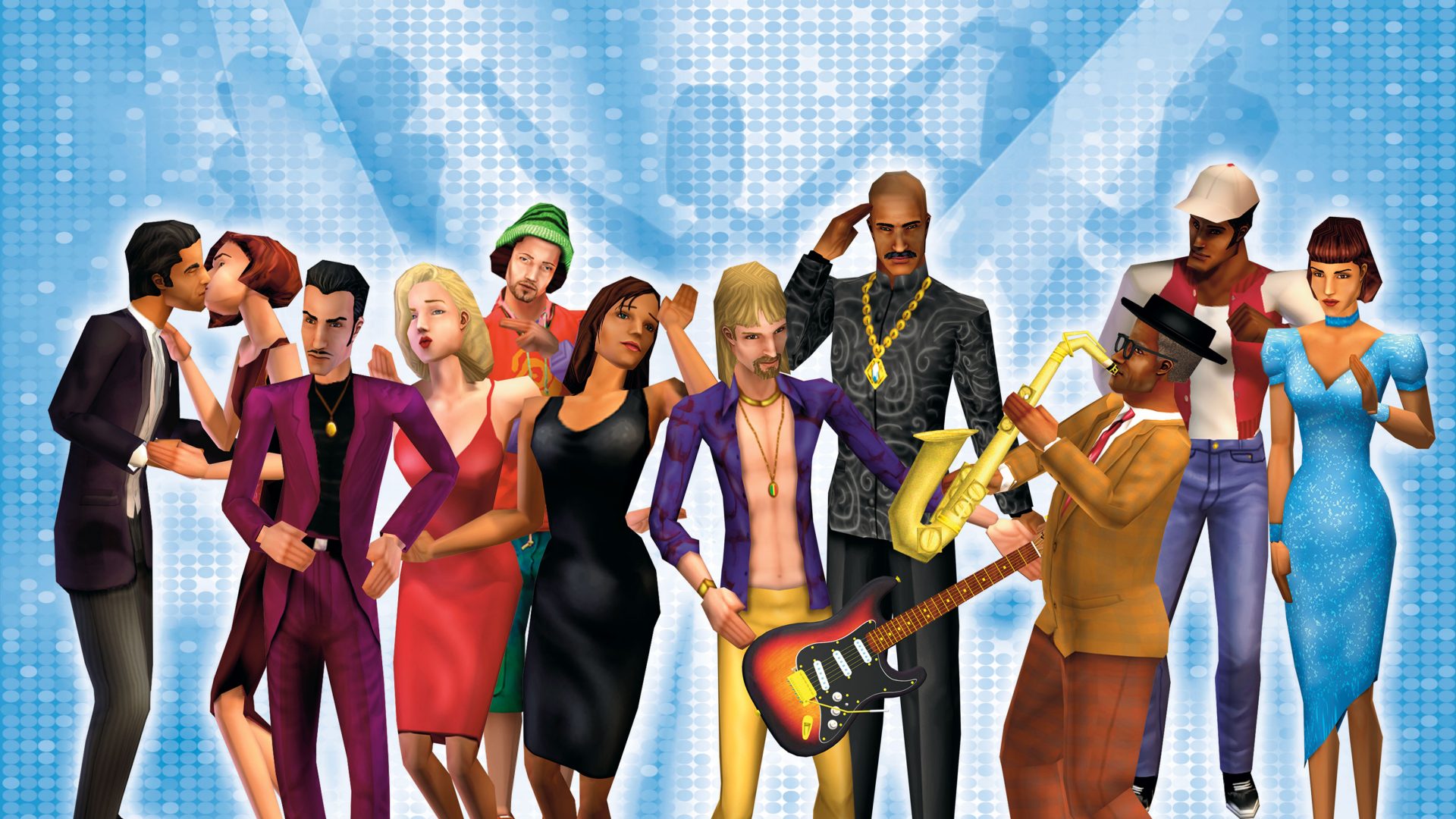
3. The Sims
The Sims offered something profoundly different: a digital dollhouse where players controlled virtual lives. It wasn't about winning; it was about observing, nurturing, and sometimes tormenting tiny simulated people. This game normalized the idea of life simulation, reflecting and even influencing our understanding of social dynamics, consumerism, and domesticity. It allowed players to experiment with identity and relationships in a safe, often humorous, environment.
4 / 10
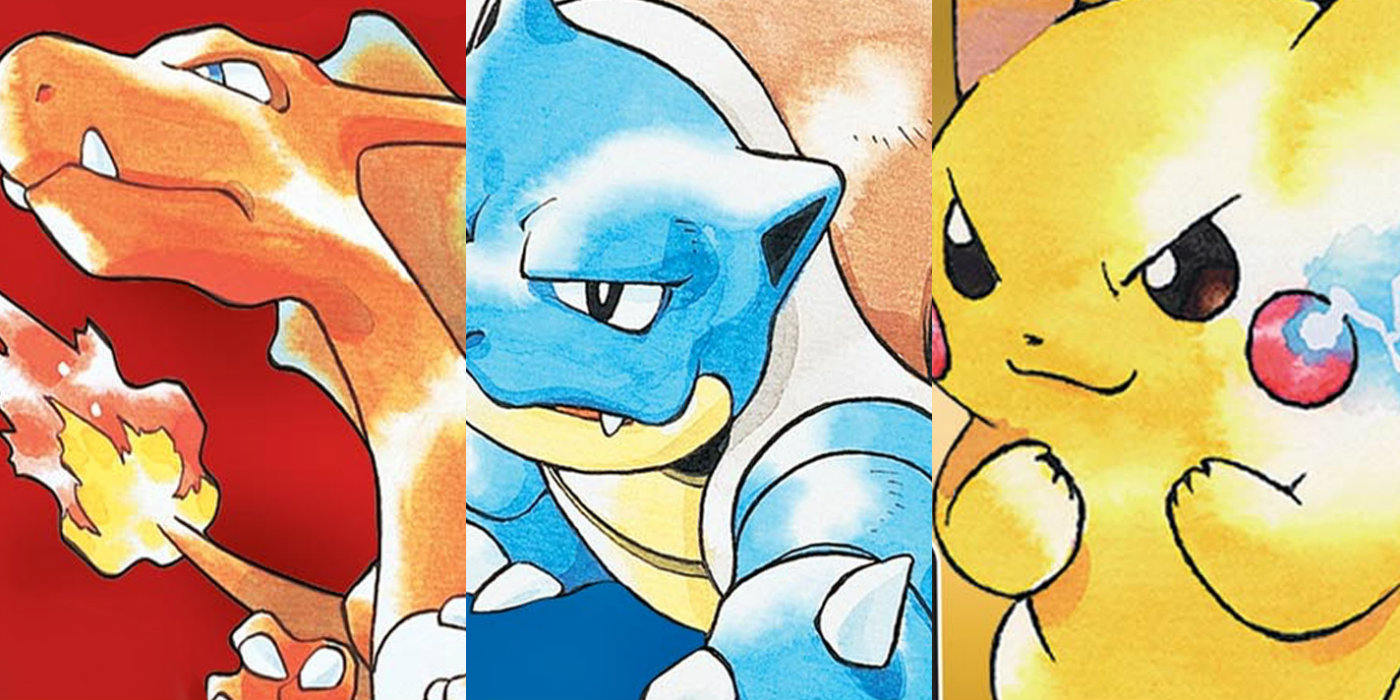
4. Pokémon Red, Blue, Yellow
Pokémon was more than just a game; it was a cultural phenomenon that taught a generation about collecting, trading, and battling. Its simple yet addictive "catch 'em all" premise fostered unprecedented social interaction, long before online multiplayer was commonplace. Children everywhere were connecting their Game Boys, exchanging creatures, and learning about rarity. It blurred the lines between digital and physical play, inspiring animated series, movies, and a lasting global franchise.
5 / 10
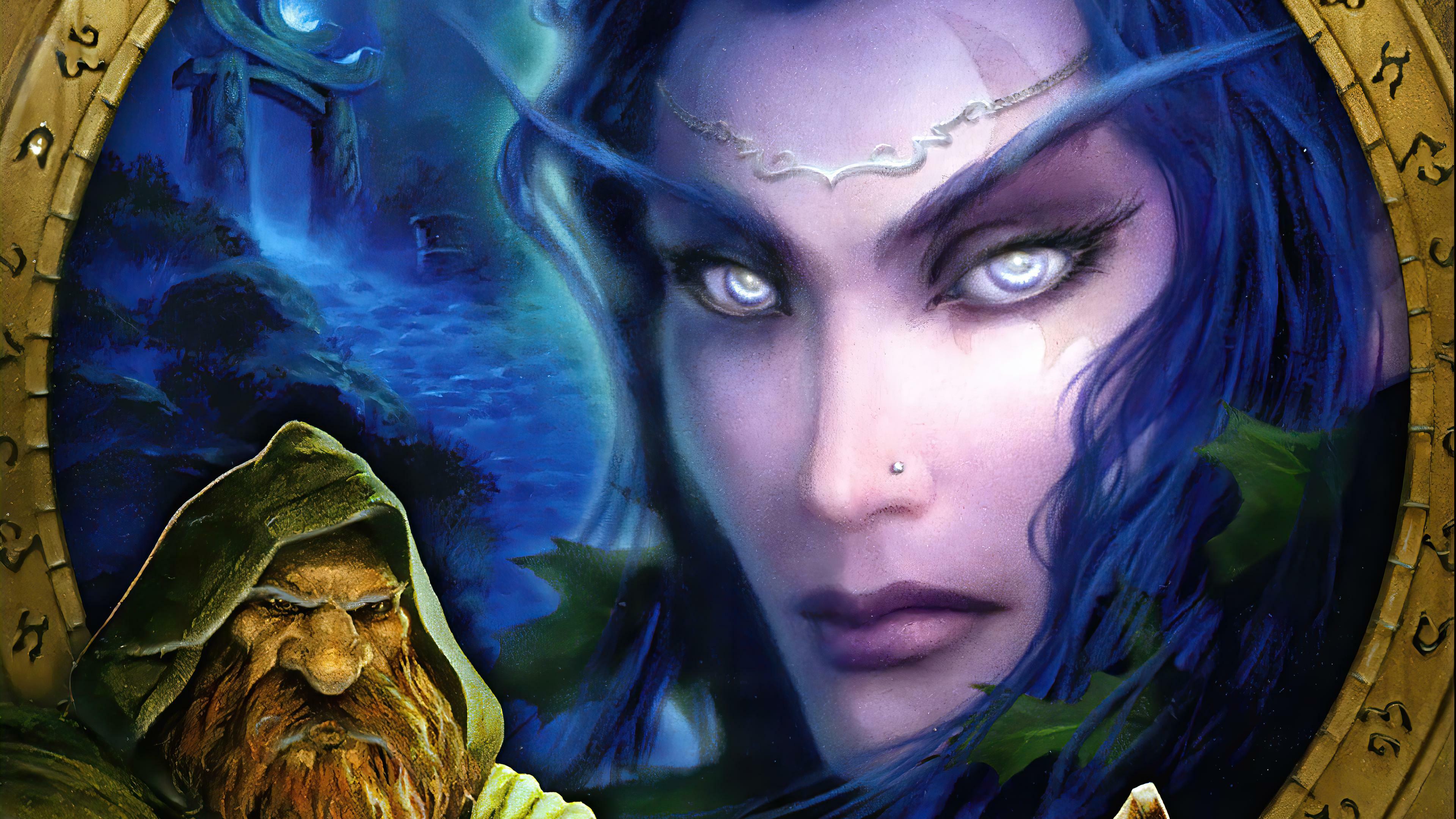
5. World of Warcraft
World of Warcraft wasn't the first MMO, but it became *the* MMO, a virtual world that absorbed millions. It established entire digital societies, complete with economies, hierarchies, and persistent social structures. People formed real-world friendships, and even marriages, within its digital confines. It forced us to grapple with the implications of persistent online identities and the blurred lines between real life and our digital personas, defining an era of online social interaction.
6 / 10

6. Pong (1972)
Pong, with its minimalist design and simple premise, was the spark that ignited an entire industry. It wasn't just a game; it was the first widely successful electronic arcade game, proving that interactive digital entertainment had a place in public life. This two-dimensional table tennis simulation broke down barriers, introducing countless people to the concept of video games and setting the stage for everything that followed. Its impact is immeasurable.
7 / 10
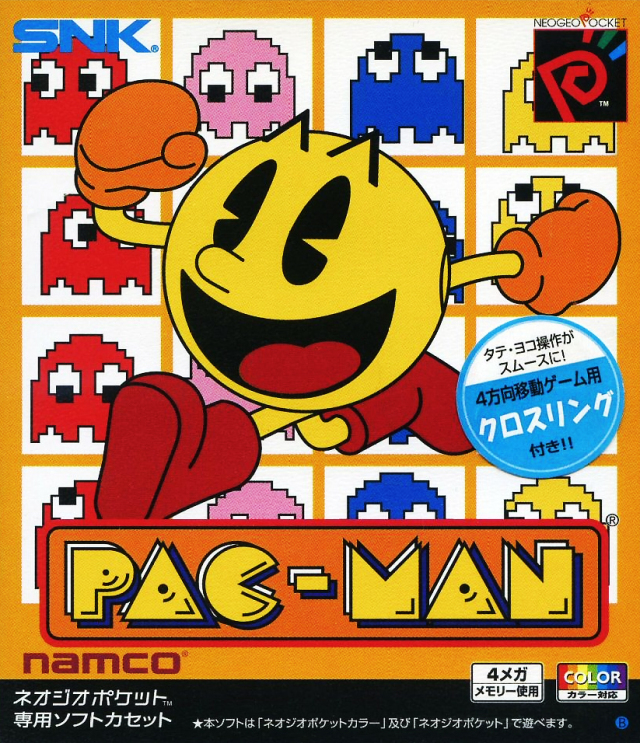
7. Pac-Man
Pac-Man transcended the arcade to become a genuine pop culture icon. Its simple maze-chasing gameplay and endearing character captivated audiences globally, proving video games could have broad, cross-demographic appeal. He was one of the first truly recognizable video game mascots, paving the way for merchandising and mainstream acceptance. Pac-Man showed that games could be fun, accessible, and not just for a niche audience.
8 / 10

8. Donkey Kong
Donkey Kong introduced us to Jumpman, soon to be known as Mario, and established the foundational mechanics of the platforming genre. It wasn't just about high scores; it presented a rudimentary narrative – a hero rescuing a damsel from a giant ape. This game proved that arcade titles could tell stories, however simple, and create memorable characters, laying crucial groundwork for Nintendo's future dominance and the evolution of character-driven gaming.
9 / 10
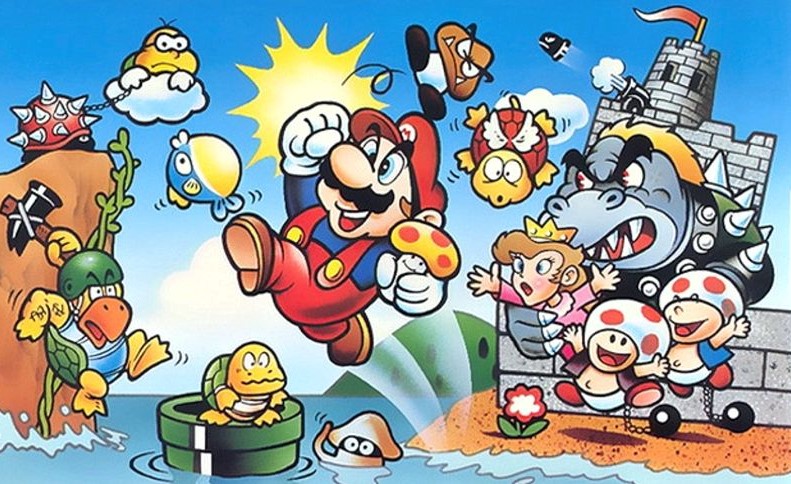
9. Super Mario Bros.
Super Mario Bros. didn't just save the video game industry after the 1983 crash; it redefined console gaming. Its ingenious level design, tight controls, and sense of adventure set a new standard for platformers and side-scrolling games. It showed how a simple premise could hide incredible depth and replayability. This game solidified Nintendo's place as a powerhouse and cemented Mario as the industry's most recognizable face, influencing countless titles.
10 / 10
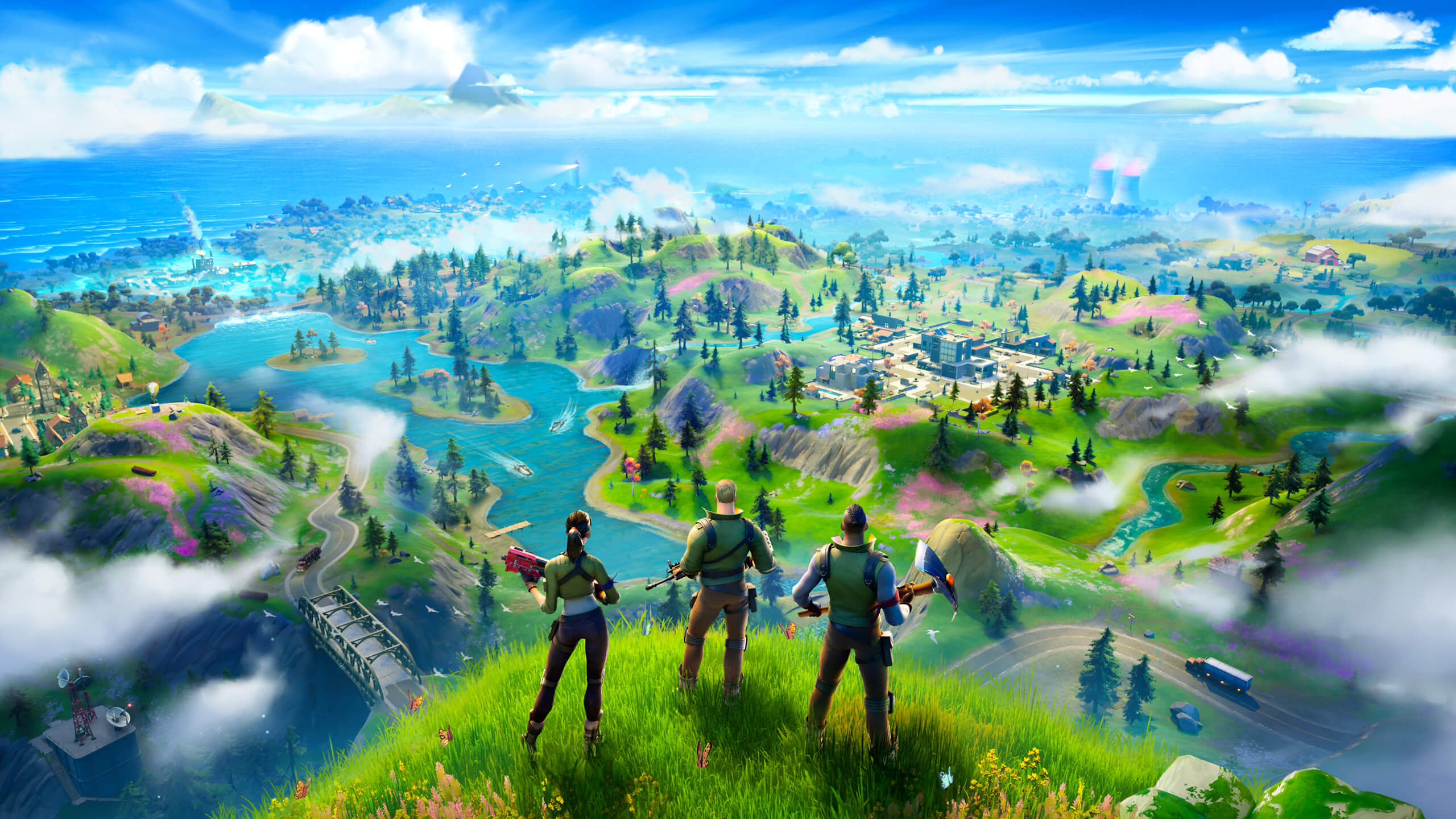
10. Fortnite Battle Royale
Fortnite Battle Royale didn't invent the battle royale genre, but it perfected its mainstream appeal. Its free-to-play model, accessible gameplay, and constant evolution turned it into a global social phenomenon. It became more than just a game; it was a virtual concert venue, a social hub for friends, and a platform for brand crossovers. Fortnite demonstrated the power of live-service games and cemented cross-platform play as an industry expectation.