1. Anthem
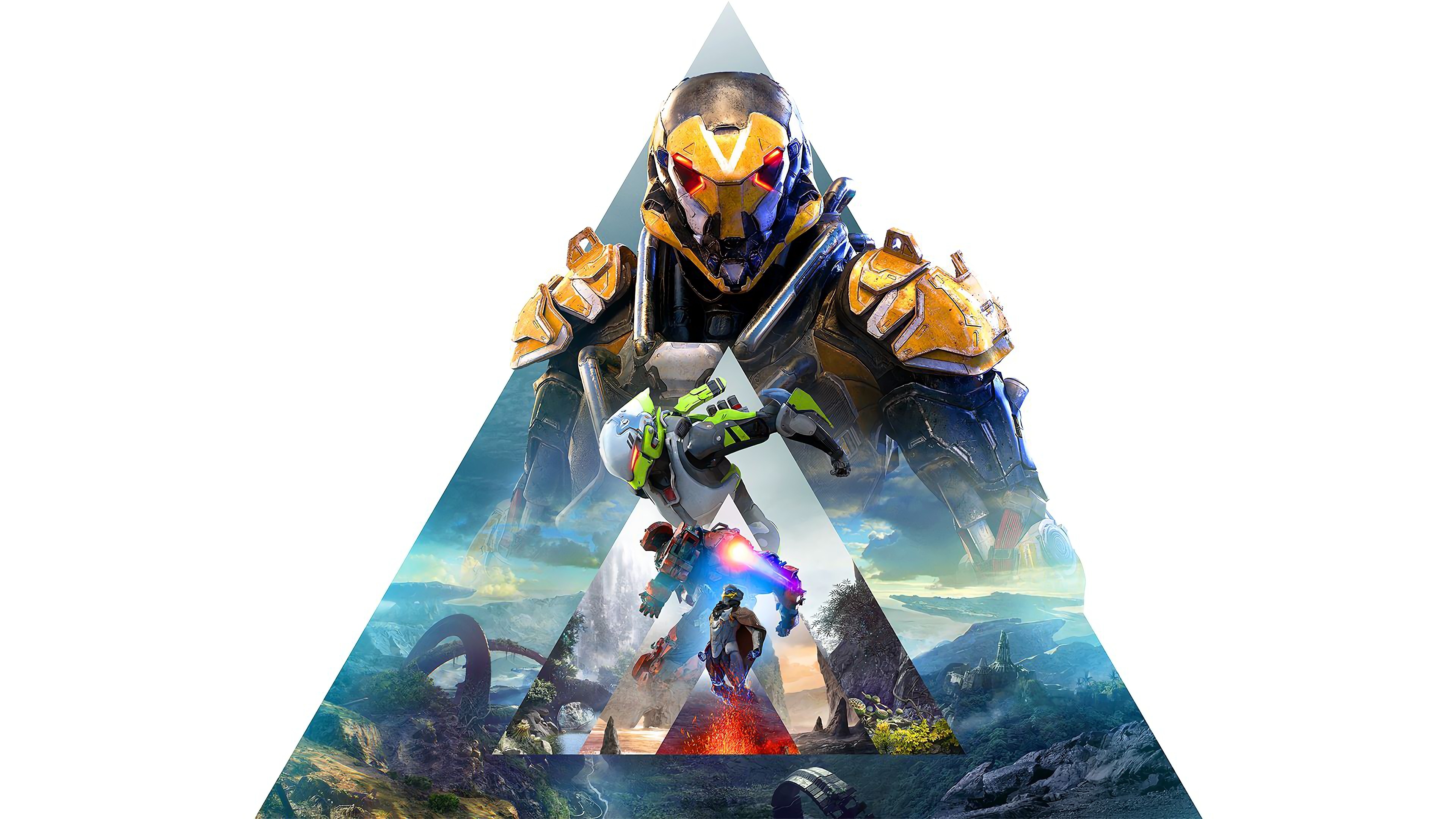
BioWare’s big swing at a live-service looter-shooter fell flat, hard. The Iron Man fantasy was there, but it was buried under endless loading screens, repetitive missions, and a story that felt like an afterthought. Players were promised a vibrant, engaging world and got a shallow grind. It was a masterclass in how *not* to launch a game, leaving a sour taste for a studio once revered for its storytelling.
2. Cyberpunk 2077
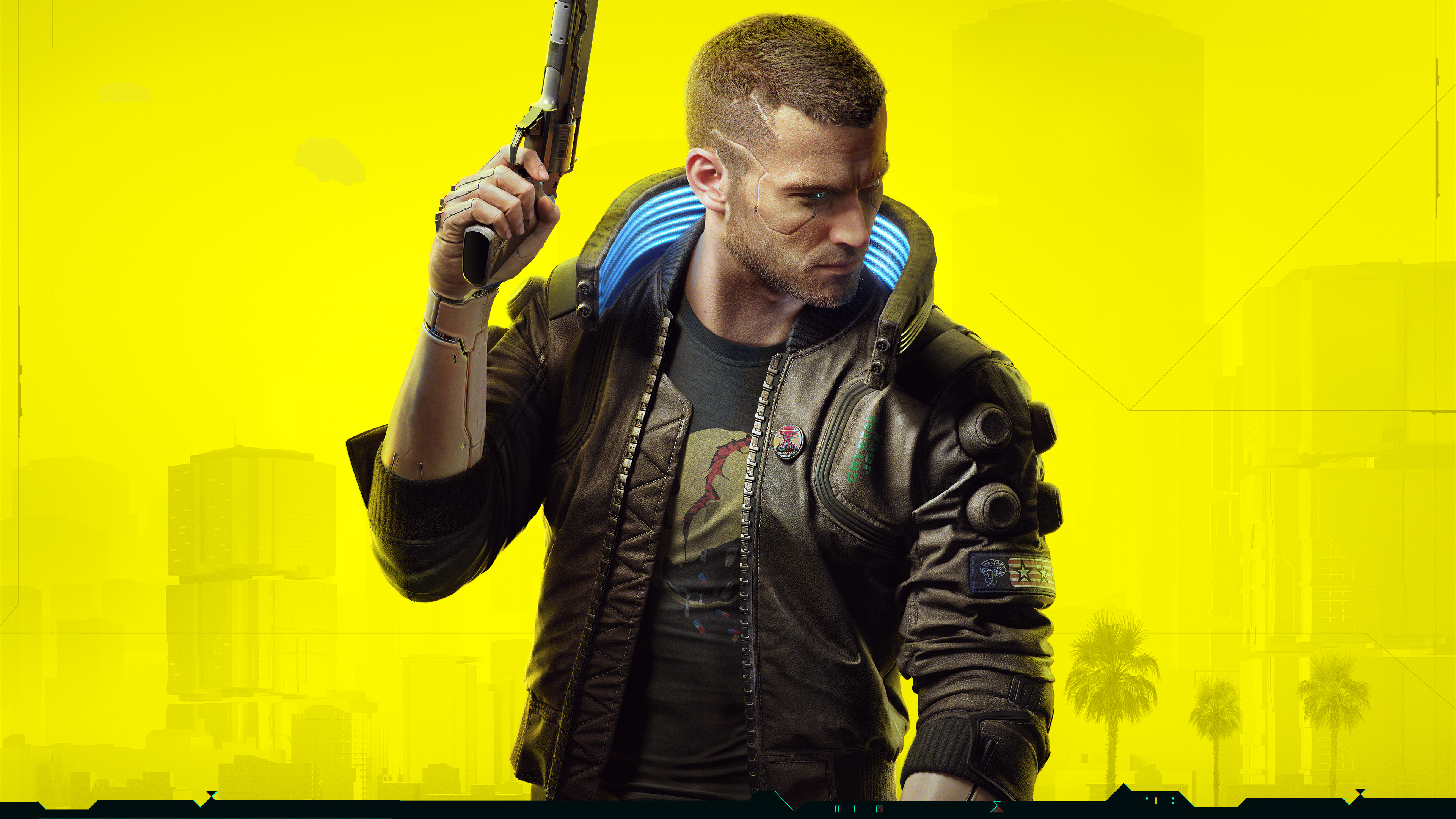
The hype for Night City was astronomical, but the launch was a spectacular train wreck, especially on last-gen consoles. Bugs, glitches, and missing features made the 'vibe' less futuristic dystopia and more digital dumpster fire. While CD Projekt Red eventually pulled off an impressive redemption arc, the initial feeling of betrayal and disappointment from a beloved developer was a brutal lesson in managing expectations and shipping a finished product.
3. No Man's Sky
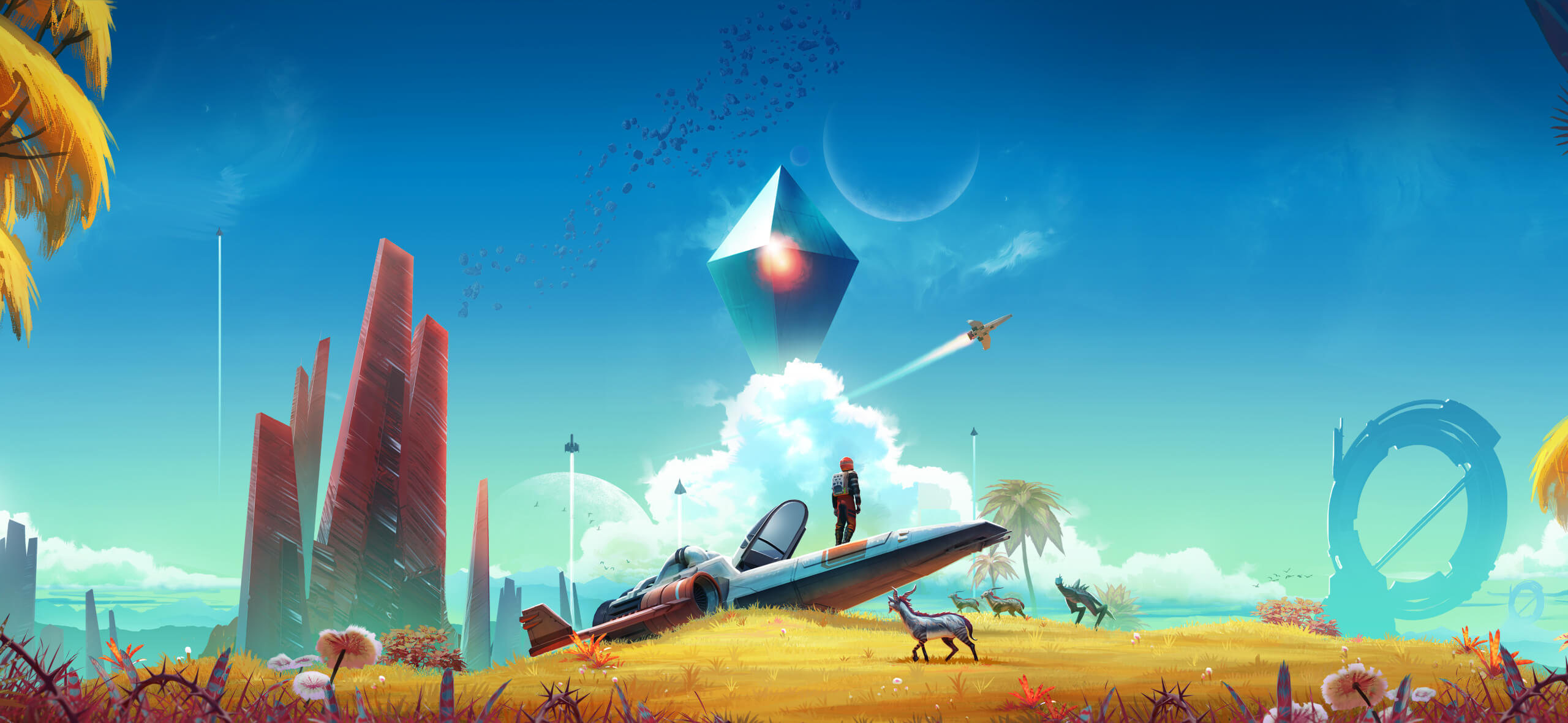
Remember the pre-launch promises? Infinite galaxies, vibrant ecosystems, multiplayer interactions. What we got was a beautiful but barren procedural wasteland, lacking most of the advertised features. The initial vibe was a gut punch, a stark reminder of how marketing can overreach. Sure, Hello Games eventually fixed it, transforming it into something incredible, but the initial burn of unfulfilled potential still echoes for many.
4. Starfield
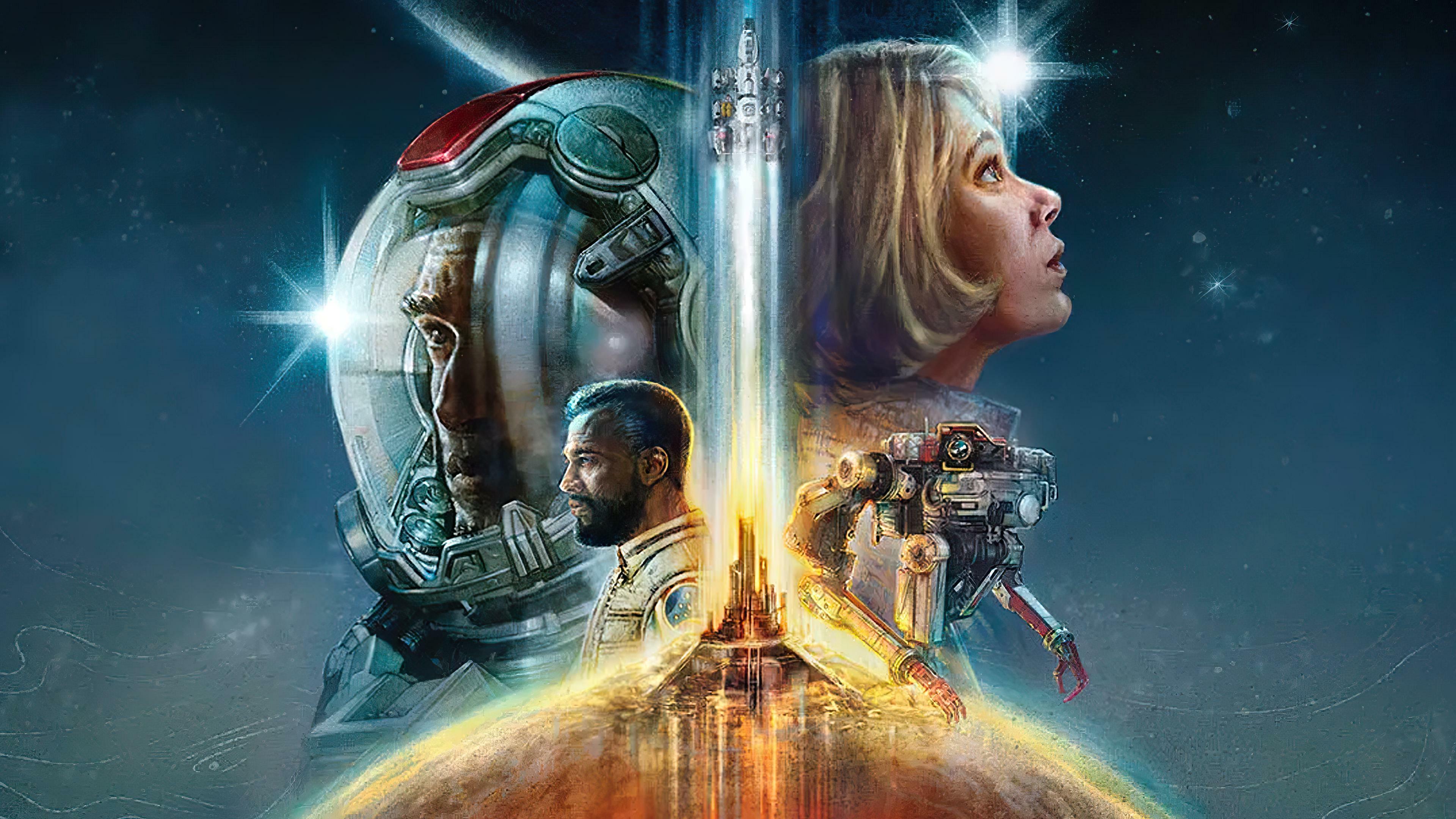
Bethesda's latest epic promised an unparalleled space odyssey, but delivered a universe feeling surprisingly empty and fragmented. Endless loading screens between minor actions killed any sense of seamless exploration. The procedural generation felt bland, and player agency often felt limited by restrictive design. It was a vast game, but lacked the soul and emergent storytelling that made earlier Bethesda titles legendary, failing to capture that space-faring wonder.
5. Diablo: Immortal
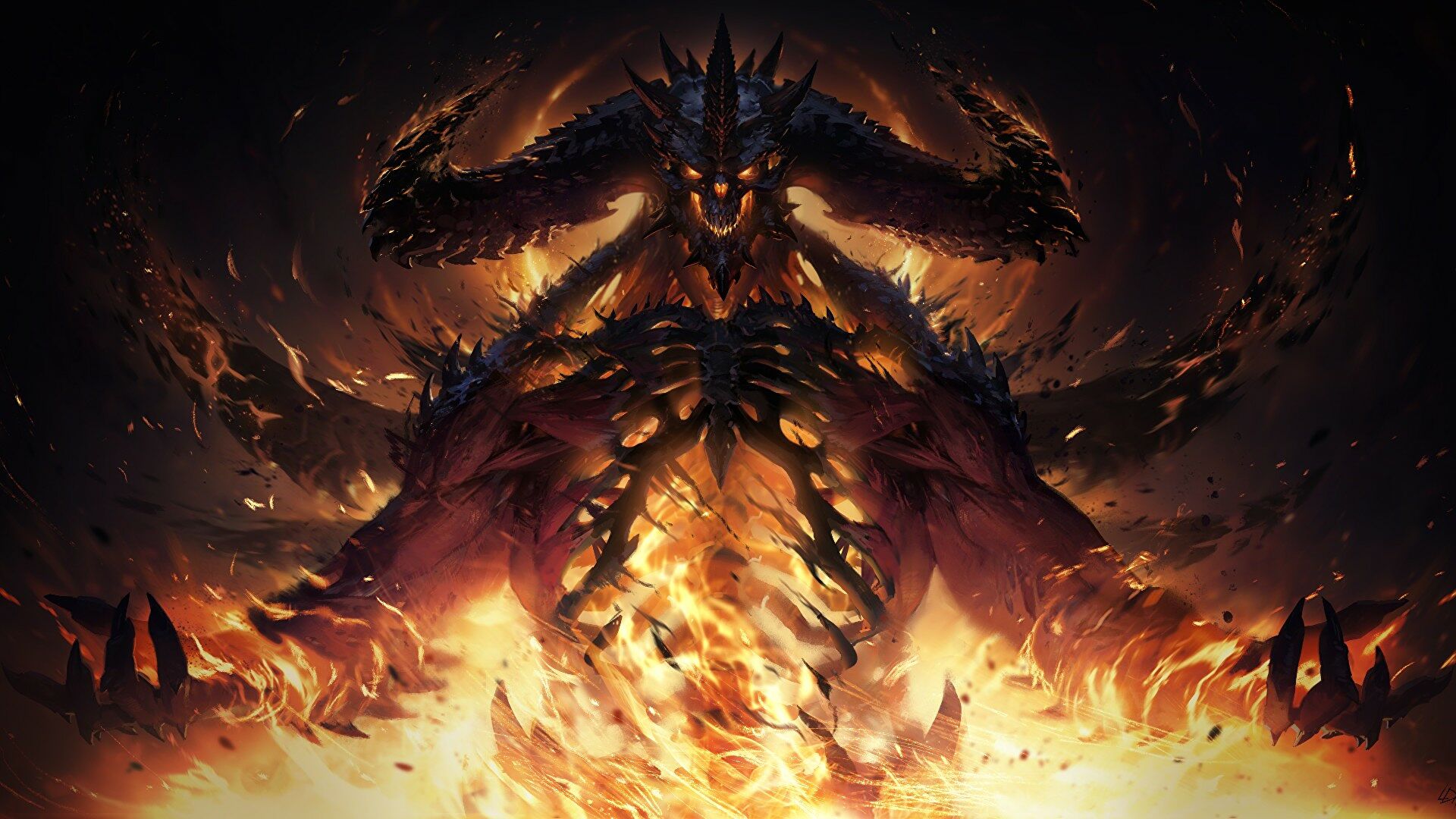
Blizzard’s mobile-first 'Diablo' offering was less about slaying demons and more about slaying wallets. The aggressive monetization, particularly its pay-to-win legendary gem system, soured players on what could have been a decent ARPG. That infamous 'Do you guys not have phones?' comment perfectly encapsulated the corporate disconnect, showing a blatant disregard for player loyalty in favor of predatory revenue streams.
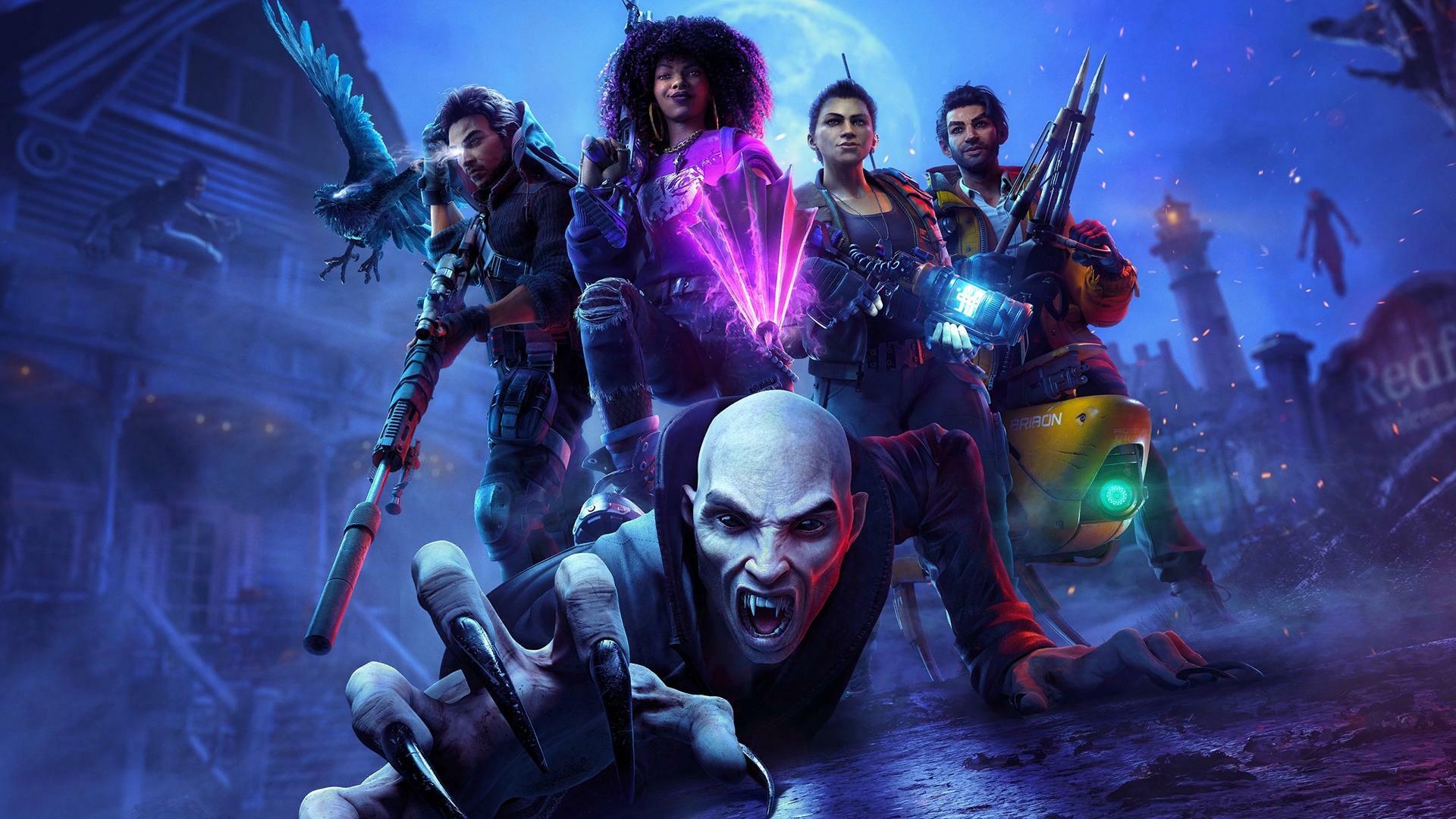
6. Redfall
Arkane, known for immersive sims like *Dishonored* and *Prey*, dropped a co-op shooter that felt utterly devoid of their signature touch. It was buggy, generic, and lacked any compelling reason to play. The vampires were boring, the world felt lifeless, and the core gameplay loop was uninspired. It wasn't just a bad game; it was a betrayal of Arkane’s legacy, proving that not every studio should jump on the live-service trend.
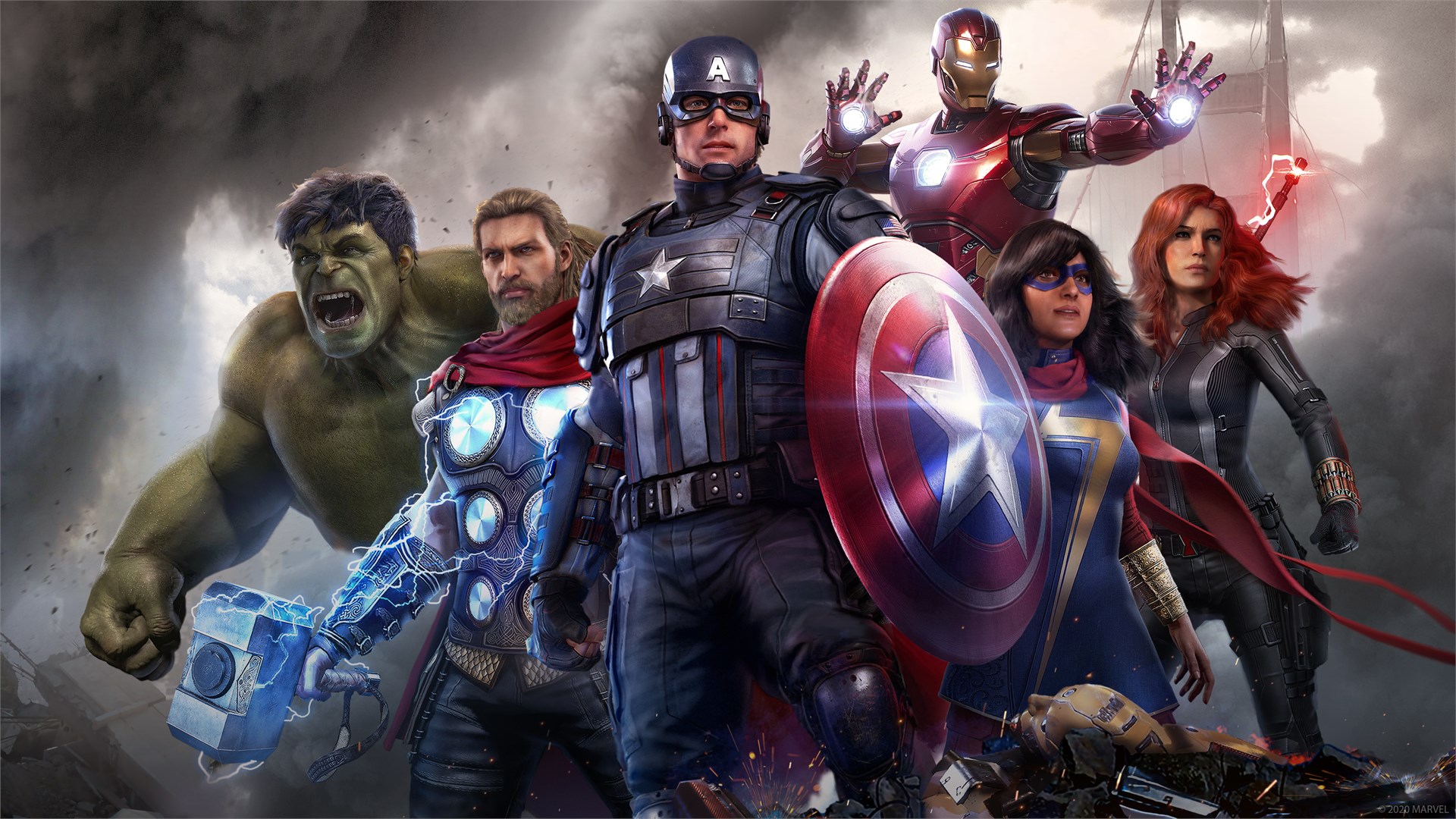
7. Marvel’s Avengers
This game promised to let us embody Earth's mightiest heroes, but delivered a repetitive, grind-heavy live-service experience that felt more like a chore than an adventure. Character models often looked off, the loot system was uninspired, and the overall narrative quickly dissolved into generic mission structures. It proved that simply having a beloved IP isn’t enough; the execution and respect for the source material matter immensely.

8. The Day Before
Oh, *The Day Before*. From its suspiciously generic trailers to its eventual, spectacular implosion, this game was a masterclass in vaporware and alleged scamming. It promised a gritty, open-world zombie MMO, but delivered nothing but controversy, asset flips, and ultimately, a non-existent product. The vibe was pure, unadulterated fraud, leaving a trail of broken promises and a company dissolved shortly after launch. A truly cursed endeavor.
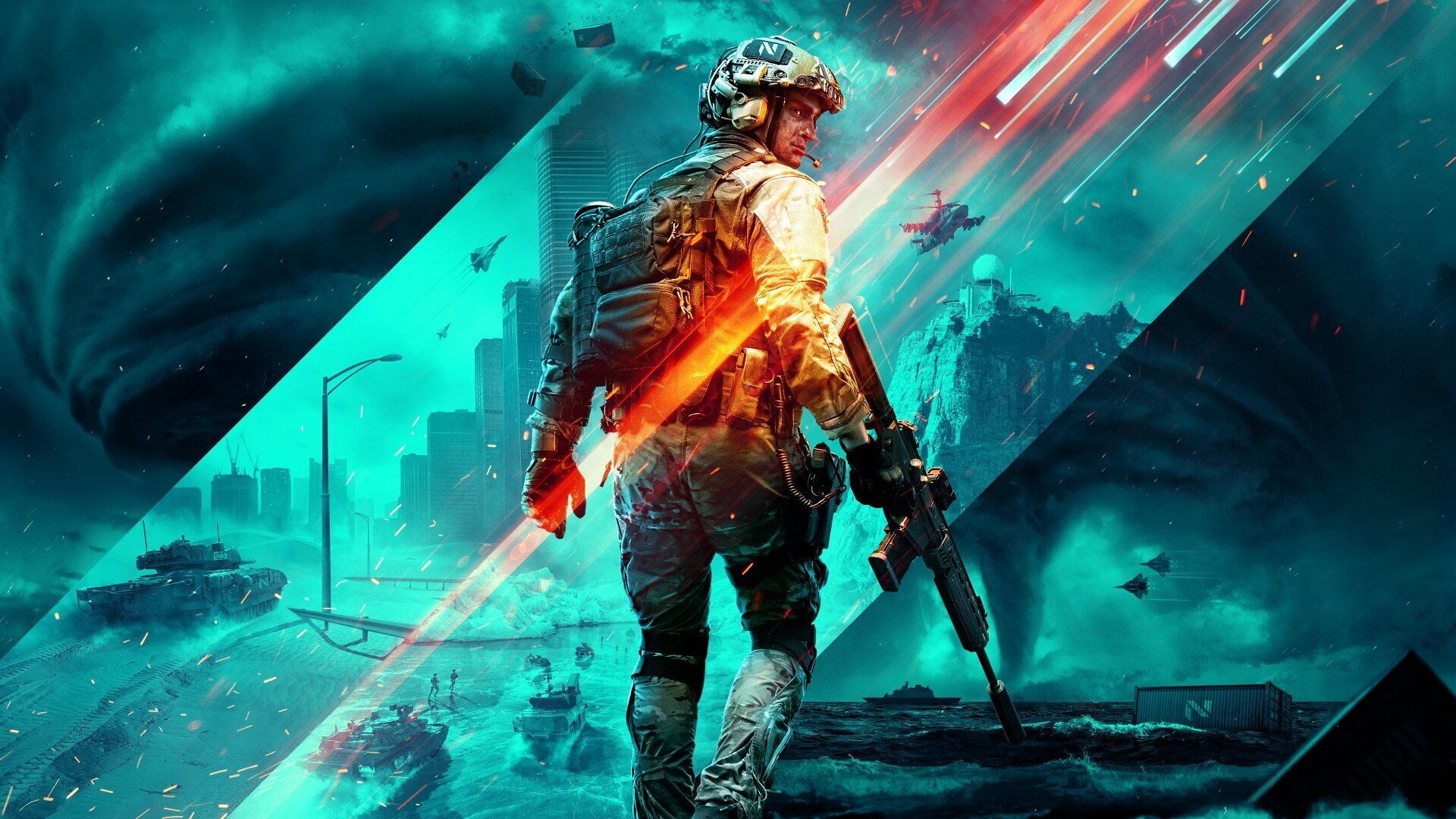
9. Battlefield 2042
DICE's return to modern warfare was a disaster from day one. Bugs galore, missing core features like a traditional scoreboard, and a design philosophy that stripped away what fans loved about the series. Specialists replaced classes, maps felt empty, and the overall experience was a stark reminder of rushed development and a lack of understanding of the franchise's identity. It felt like a generic shooter wearing a Battlefield skin.
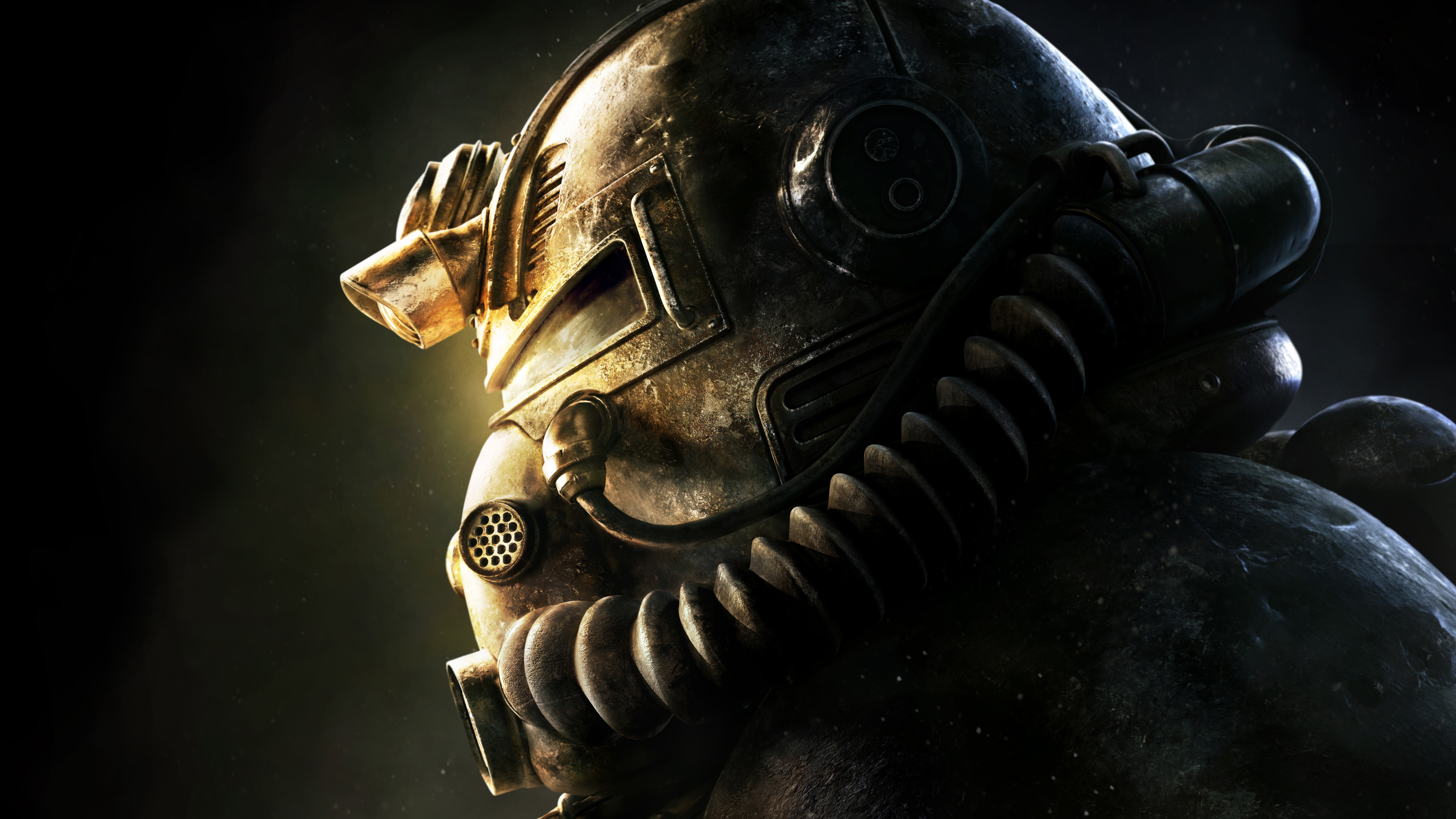
10. Fallout 76
Bethesda's first foray into online multiplayer for *Fallout* was a mess of bugs, server instability, and a world that felt devoid of the series' soul. The initial release was plagued by technical issues and controversial monetization, severely damaging player trust. While it has since seen significant improvements, the launch showed a fundamental misunderstanding of what fans cherished about the single-player *Fallout* experience, and how not to implement online features.