1 / 10
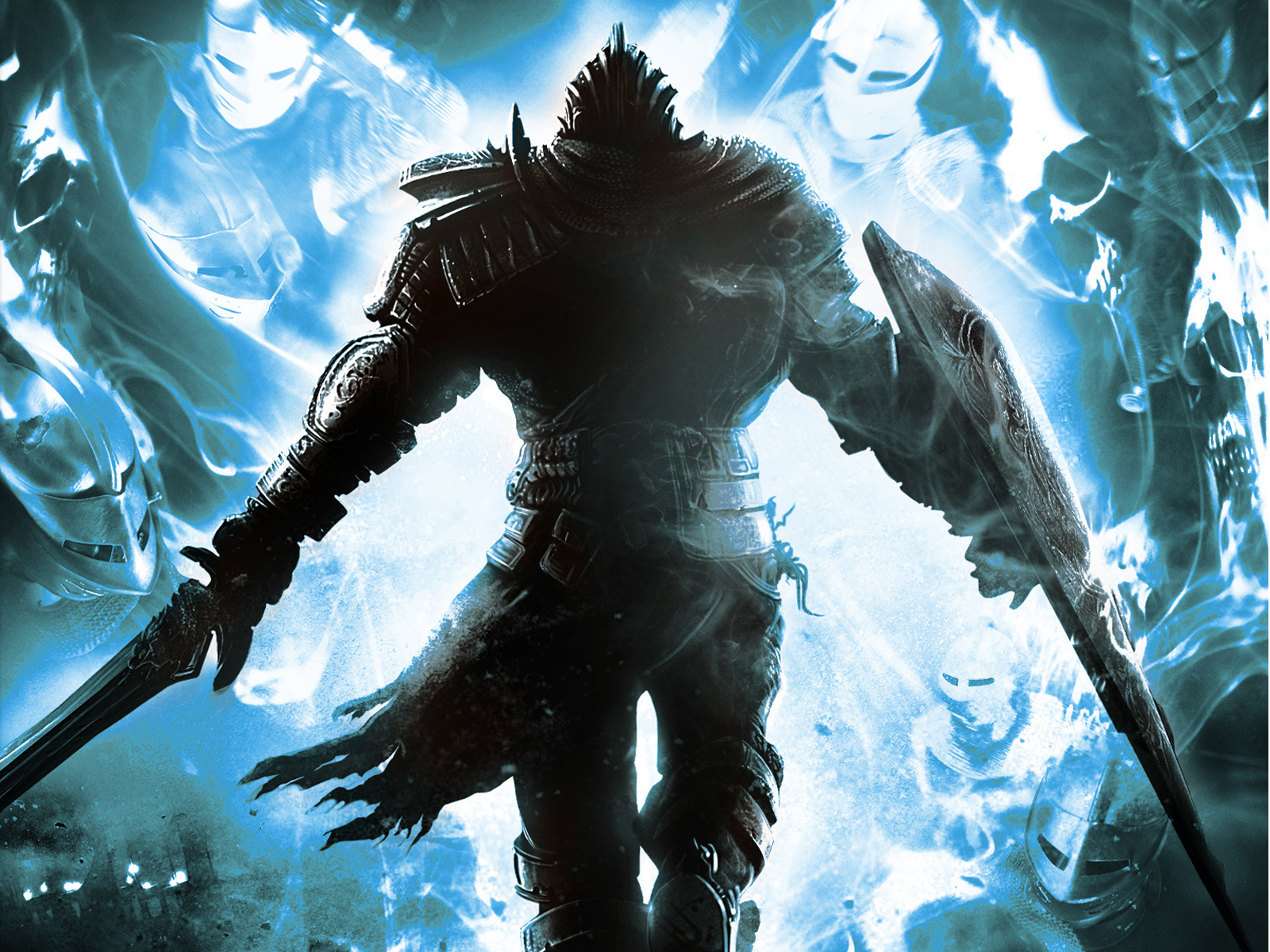
1. Dark Souls
FromSoftware didn't just create a game; they forged a cultural phenomenon. Dark Souls, with its brutal difficulty and enigmatic lore, redefined challenge in gaming, pushing players to master mechanics and endure countless deaths. It wasn't about winning easily, but about earning every inch of progress through sheer persistence. This cycle of struggle and triumph became so absorbing, so all-encompassing, that the outside world often faded into irrelevance. Its influence resonates across the industry, a testament to its compelling, demanding design.
2 / 10
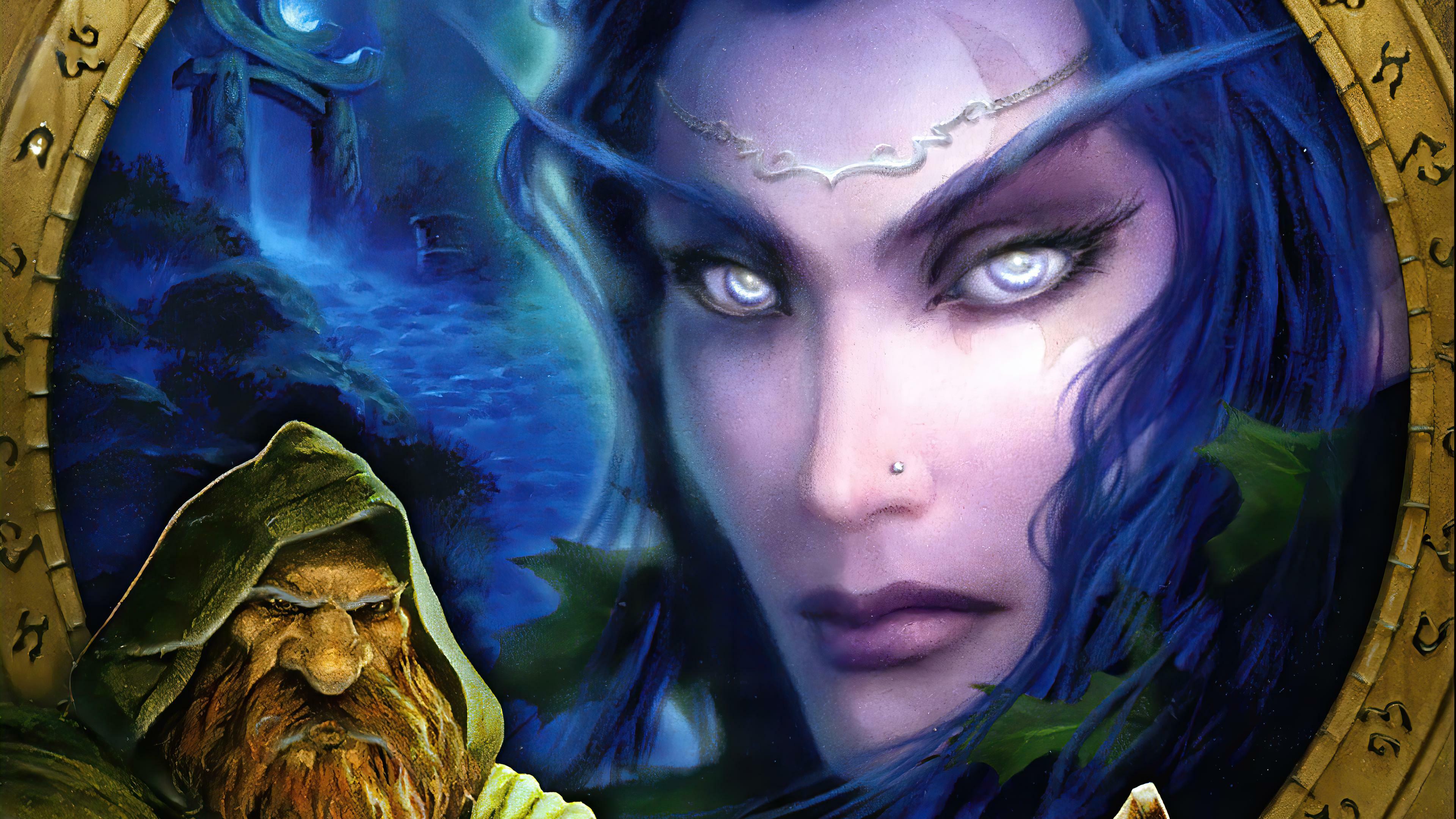
2. World of Warcraft
For many, World of Warcraft wasn't merely a game; it was a second life, a digital society where real-world responsibilities often took a backseat. The sheer scale, the endless quests, raid progression, and intricate social dynamics fostered communities that rivaled real-world towns. People built lives, made friends, even found partners within Azeroth's sprawling landscapes. The subscription model itself encouraged constant engagement, ensuring players kept coming back, hour after hour, year after year, blurring the lines between virtual and actual existence.
3 / 10
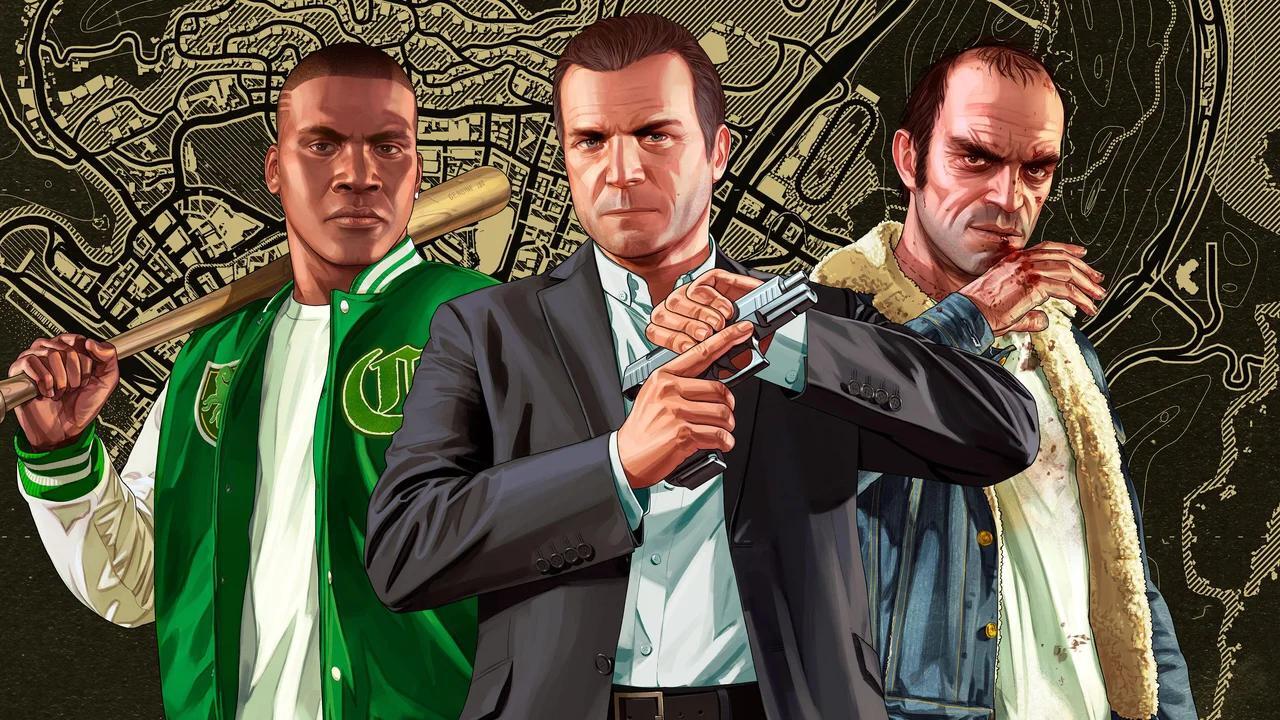
3. Grand Theft Auto V
Grand Theft Auto V offered an unprecedented level of freedom in its sprawling, satirical rendition of Los Santos. But it was the online component, GTA Online, that truly cemented its status as a time sink. Players poured thousands of hours into building criminal empires, customizing vehicles, and engaging in chaotic multiplayer antics. The game's continually updated content and the allure of virtual wealth made it incredibly difficult to put down, often leading to late-night sessions and a pervasive feeling that there was always 'just one more mission' to complete.
4 / 10
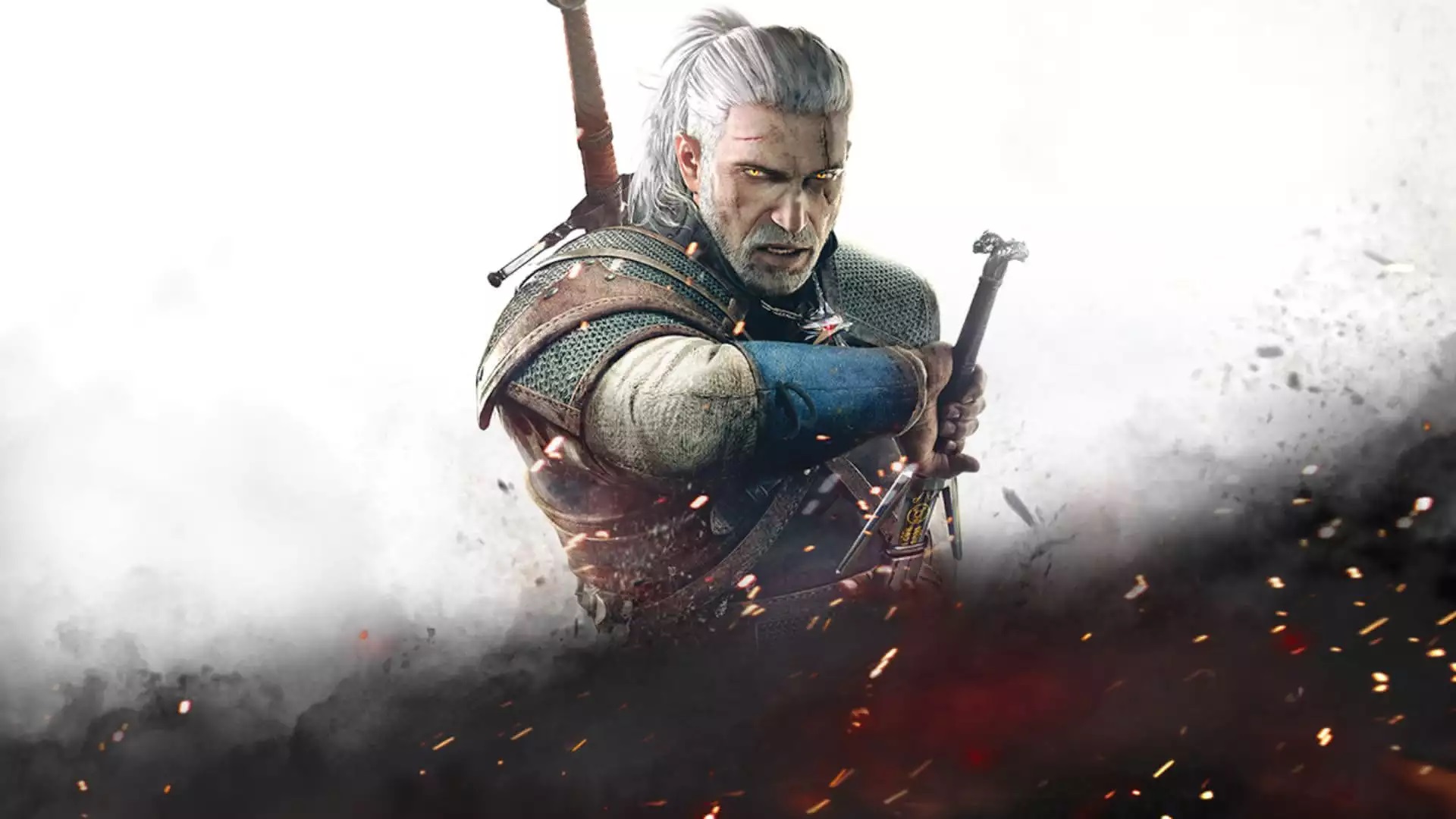
4. The Witcher 3: Wild Hunt
Geralt of Rivia’s final saga became a benchmark for narrative-driven open-world RPGs. The Witcher 3 wasn't just about slaying monsters; it was about immersing oneself in a richly detailed world brimming with complex characters and morally ambiguous choices. Side quests felt as significant as the main storyline, each offering compelling tales and consequences. Players often found themselves lost for hundreds of hours, not grinding, but genuinely living within its gritty, beautiful landscapes, making every decision feel weighty and every moment count.
5 / 10
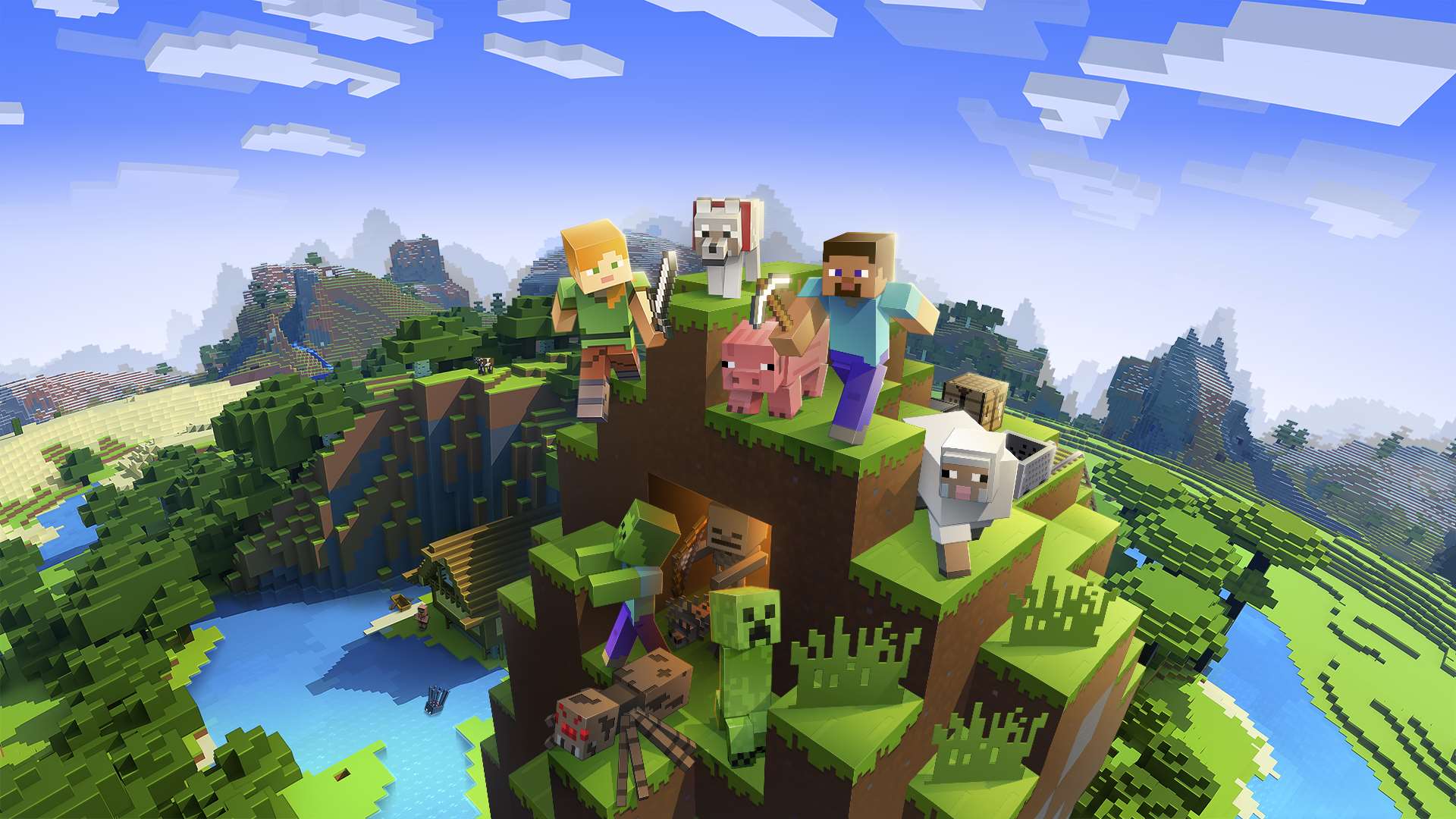
5. Minecraft
Minecraft, at its core, is a digital canvas, a deceptively simple concept that unleashed unprecedented creative freedom. Its blocky aesthetic belied an infinite world where players could build anything imaginable, from simple shelters to elaborate, functioning computers. This boundless potential for creation and exploration, often shared with friends on communal servers, fostered an almost meditative state of engagement. It’s a game that doesn't demand your time but gently invites you to lose track of it entirely, building block by block.
6 / 10
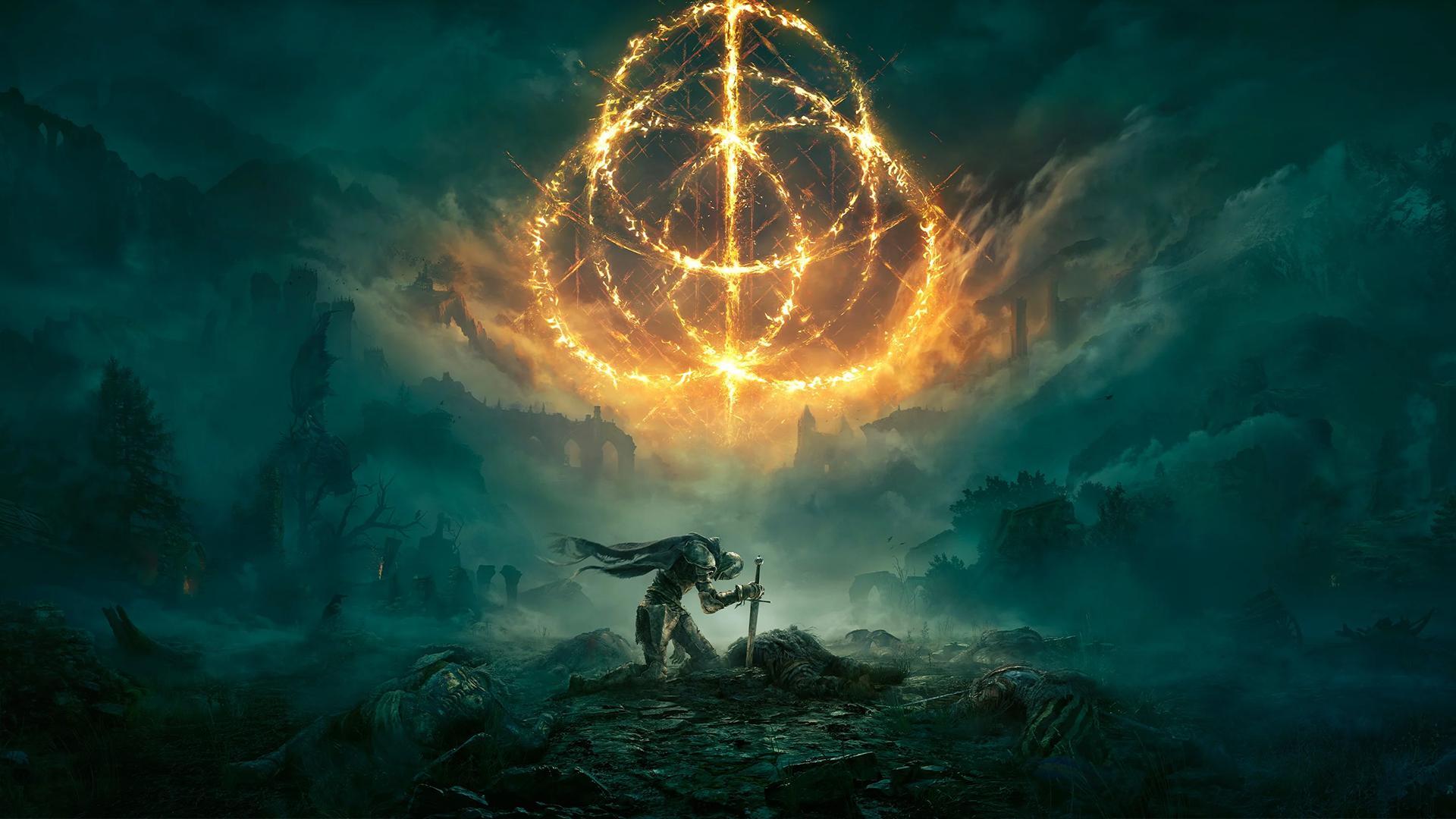
6. Elden Ring
Elden Ring took the famously challenging Souls-like formula and expanded it into a vast, enigmatic open world. The allure wasn't just the satisfaction of overcoming its formidable bosses, but the sheer joy of discovery in the Lands Between. Every hidden cave, every cryptic NPC, every grand vista pulled players deeper into its dark fantasy tapestry. This blend of relentless challenge and unparalleled exploration meant hours vanished effortlessly, as players pushed through frustration for that next glorious moment of triumph or revelation.
7 / 10
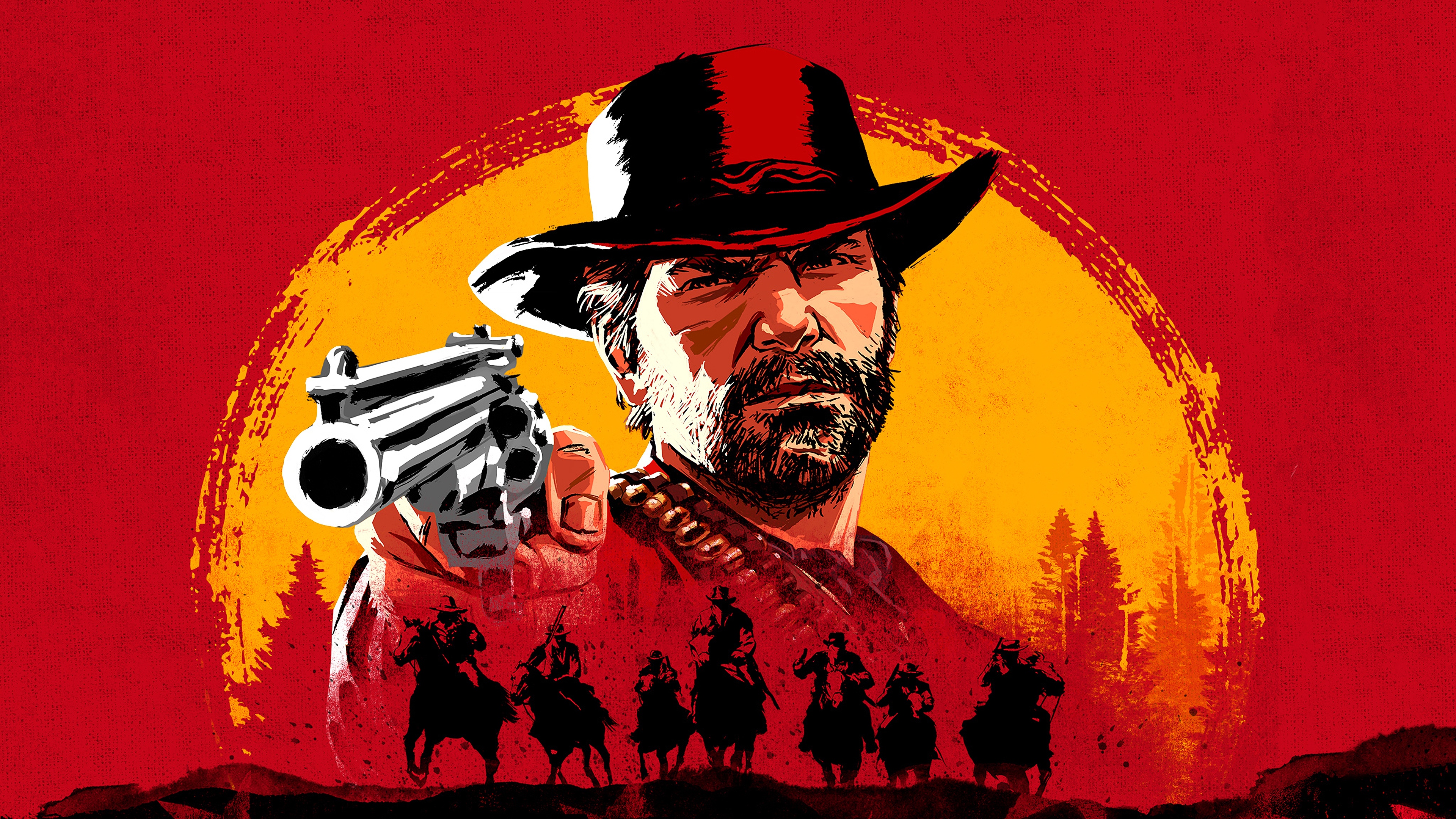
7. Red Dead Redemption 2
Rockstar’s epic Western was a masterclass in atmospheric immersion, demanding players slow down and truly inhabit Arthur Morgan’s world. Its meticulous detail, from evolving beard growth to realistic horse physics, created an unparalleled sense of place. While some found its deliberate pacing challenging, others were utterly consumed, living out a cowboy fantasy across its vast, beautiful landscapes. The poignant narrative and painstaking world-building made it easy to lose track of time, simply existing within its meticulously crafted historical fiction.
8 / 10
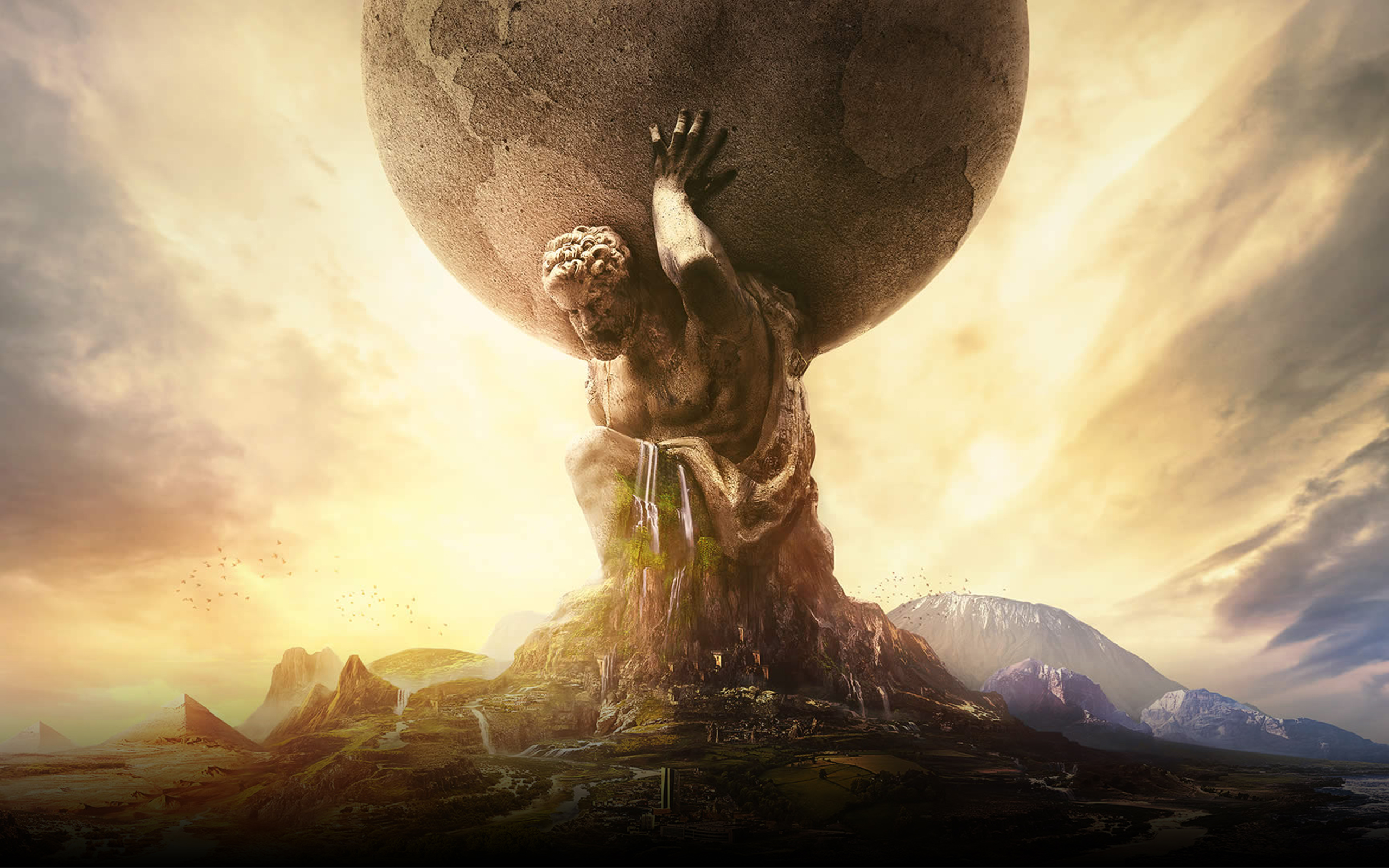
8. Sid Meier’s Civilization VI
The infamous 'just one more turn' phenomenon is perhaps best personified by Civilization VI. This 4X strategy game, with its intricate systems of diplomacy, warfare, culture, and science, offered an endless loop of strategic decision-making. Players would start a session planning an hour, only to find the sun rising, their empire sprawling, and entire civilizations conquered. The allure of perfecting a strategy, or simply seeing what the next turn brought, proved an irresistible, time-devouring force.
9 / 10
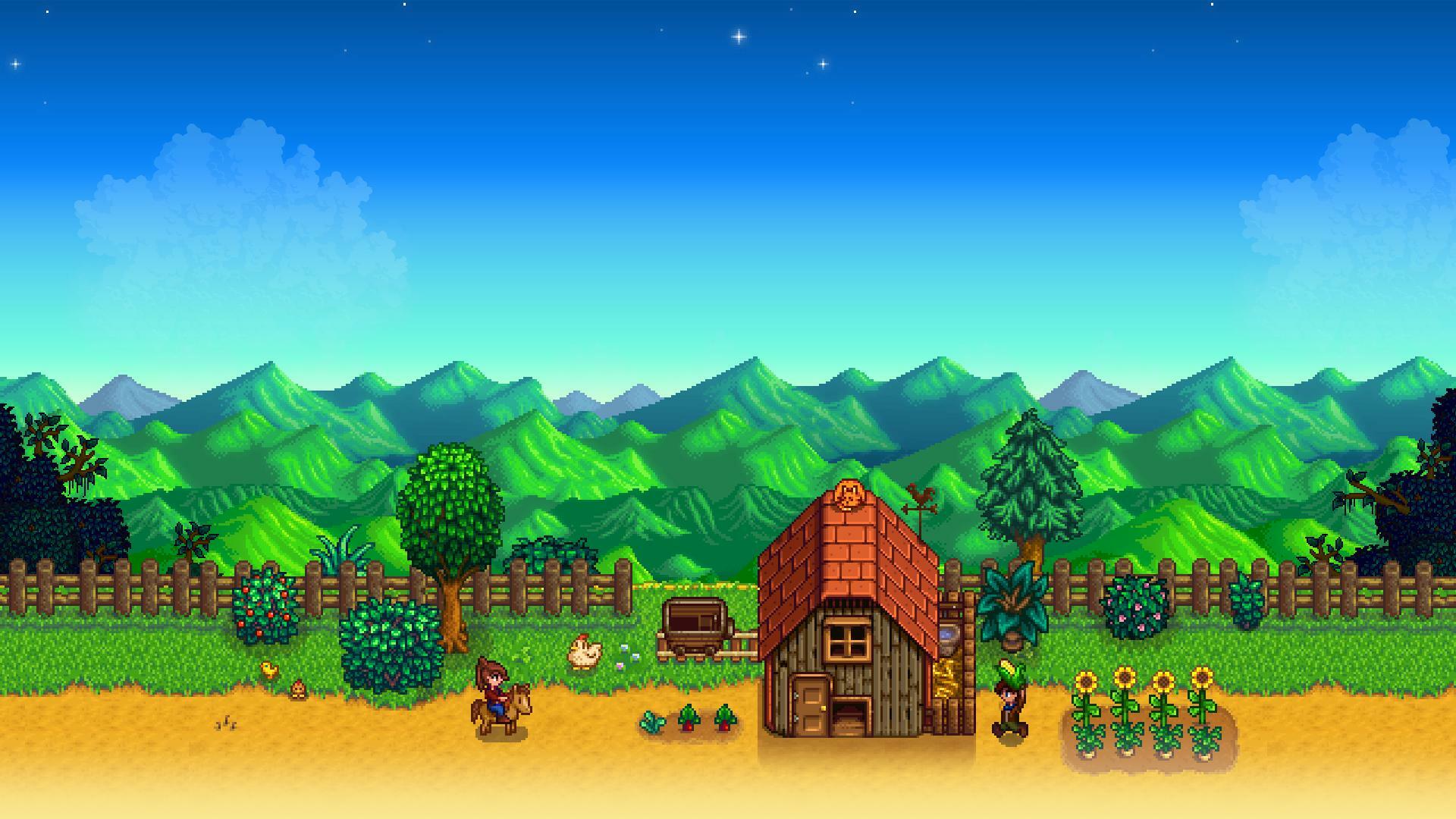
9. Stardew Valley
Stardew Valley arrived as a digital antidote to modern life, offering a charming escape to a pixelated farm. Its seemingly endless loop of planting, harvesting, fishing, mining, and befriending townsfolk proved incredibly habit-forming. The gentle rhythm and constant stream of small, achievable goals provided a comforting sense of purpose. Players often found themselves starting a 'quick session' only to realize hours had passed, entirely absorbed by the simple, wholesome satisfaction of building their perfect virtual life.
10 / 10
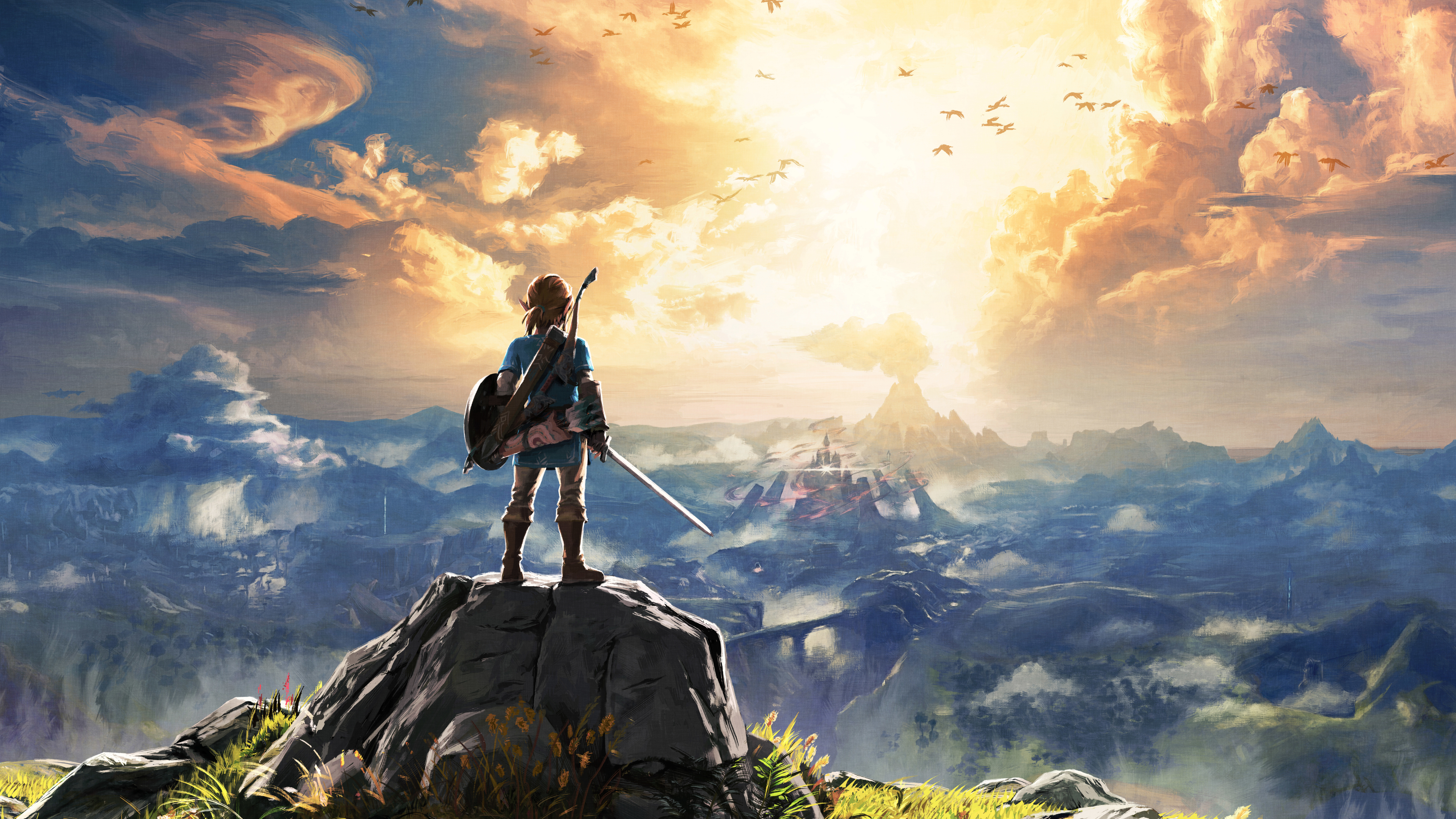
10. The Legend of Zelda: Breath of the Wild
Breath of the Wild redefined the open-world adventure, placing an unprecedented emphasis on player freedom and emergent gameplay. Hyrule wasn't just a map; it was a vast, interactive playground where every mountain could be climbed, and every problem had multiple solutions. The sheer joy of discovery, of stumbling upon a new shrine or a spectacular vista, made exploration its own reward. It was a game that constantly beckoned, promising new secrets and adventures, easily swallowing hundreds of hours into its boundless world.