
1 / 10
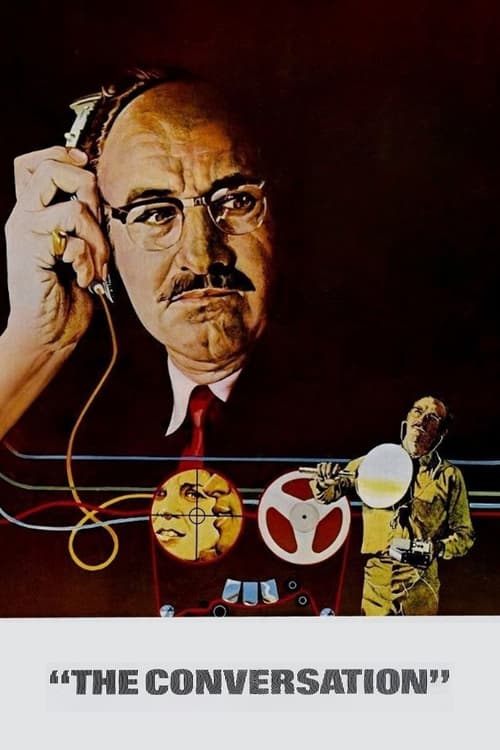
1. The Conversation
Francis Ford Coppola’s 1974 masterpiece, sandwiched between *The Godfather* films, remains a chilling study of surveillance and guilt. Gene Hackman plays a wiretap expert whose meticulous work leads him down a rabbit hole of paranoia, blurring the lines between observer and accomplice. It’s a slow burn that feels incredibly prescient, especially with today's digital panopticon. This film demands your full attention, a rare commodity in the endless scroll of streaming.
2 / 10
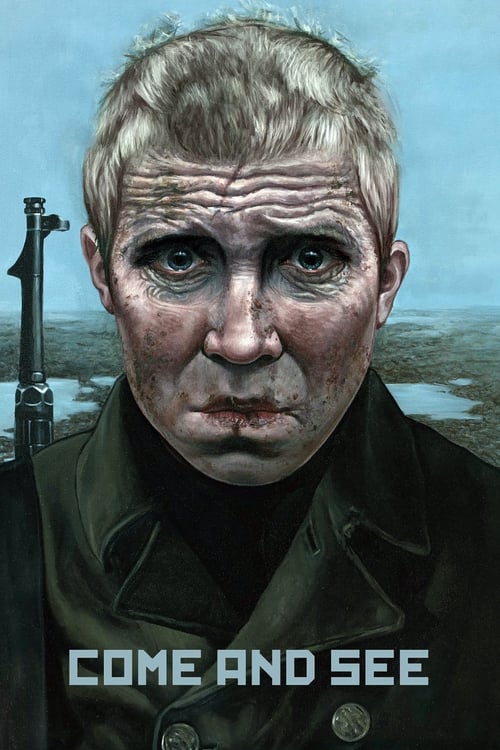
2. Come and See
Elem Klimov's 1985 Soviet war drama is an unrelenting, visceral journey into the horrors of World War II through the eyes of a Belarusian boy. It's not just a film; it's an experience that shatters any romantic notions of war, showing its dehumanizing brutality with unflinching realism. The emotional toll is immense, making it a challenging watch, but its historical and cinematic importance is undeniable. Streaming has made this essential, albeit devastating, viewing more accessible to a global audience.
3 / 10

3. Cure
Kiyoshi Kurosawa's 1997 psychological horror is a slow, creeping dread that gets under your skin and stays there. A detective investigates a series of bizarre murders where the perpetrators confess immediately but have no memory of the crime. Kurosawa masterfully crafts an atmosphere of profound unease, exploring themes of identity, suggestion, and existential void. It's a foundational text for modern J-horror and a testament to how unsettling ambiguity can be.
4 / 10

4. Le Samouraï
Jean-Pierre Melville's 1967 neo-noir is the epitome of cool. Alain Delon’s hitman, Jef Costello, moves through a stark, stylized Paris with an almost ritualistic stoicism. Every shot is meticulously composed, every gesture economical. It’s a masterclass in minimalist storytelling and visual elegance, influencing countless filmmakers and action heroes. This film proves that silence and simmering intensity can speak volumes, offering a sleek counterpoint to today's often over-dialogued content.
5 / 10
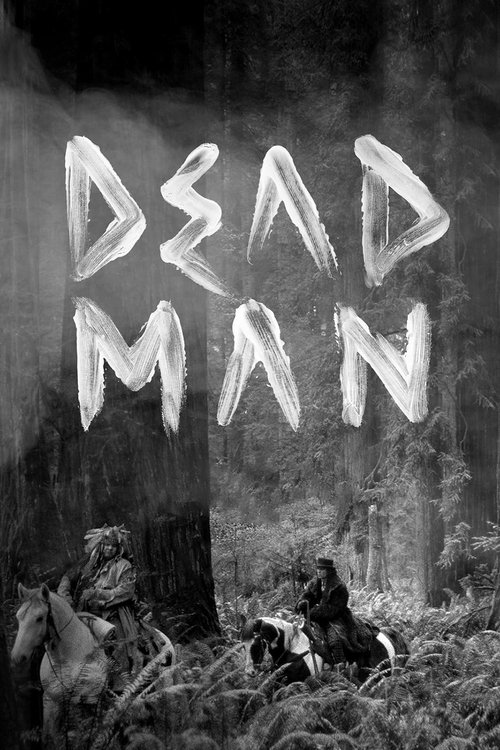
5. Dead Man
Jim Jarmusch’s 1995 psychedelic Western is a poetic, black-and-white journey into the American frontier. Johnny Depp plays William Blake, a bewildered accountant on the run, guided by a Native American called Nobody. Neil Young’s improvised, electric guitar score creates an otherworldly atmosphere that elevates this dreamlike allegory. It's a film that defies easy categorization, a spiritual quest wrapped in a revisionist Western, offering a unique, meditative viewing experience.
6 / 10
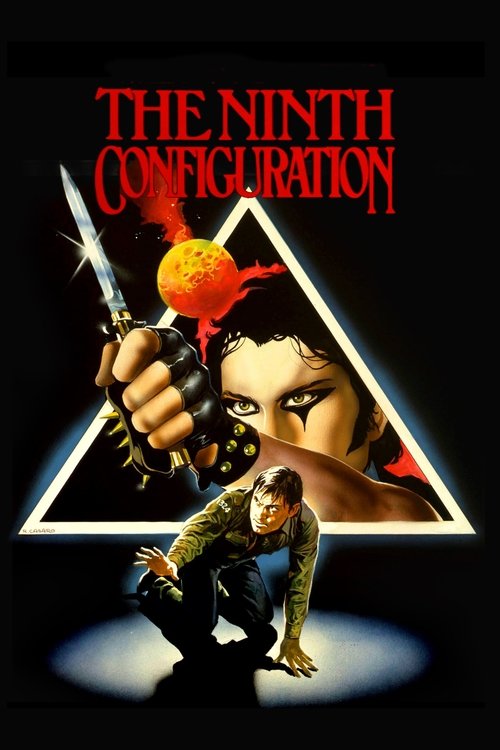
6. The Ninth Configuration
William Peter Blatty, the author of *The Exorcist*, also wrote and directed this bizarre, brilliant 1980 film. Set in a gothic asylum for psychologically damaged soldiers, it blends dark comedy, philosophical debate, and profound existential angst. It's a truly unique cinematic experience, challenging perceptions of sanity, faith, and heroism. Its cult status has grown over decades, proving that some films resonate deeply outside the mainstream, finding their audience through word-of-mouth and streaming discovery.
7 / 10
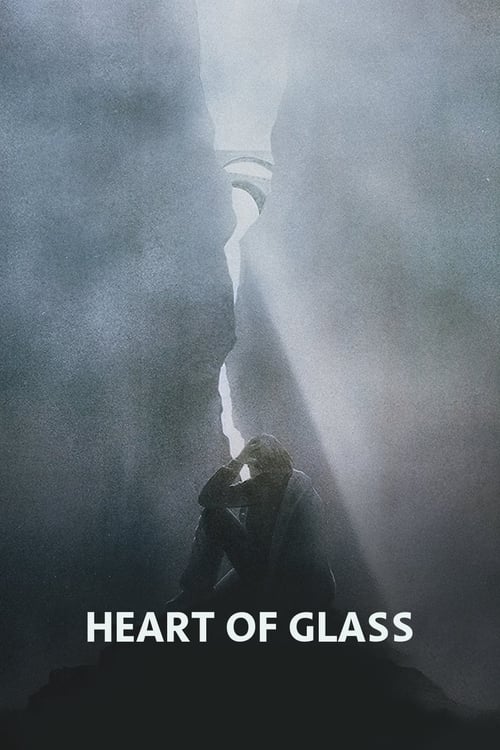
7. Heart of Glass
Werner Herzog’s 1976 film is legendary for its production: Herzog reportedly hypnotized most of the cast to achieve a dreamlike, detached performance. The story follows a village in Bavaria losing its last glassblower, descending into madness as they seek the ruby glass formula. It’s an ethereal, melancholic, and utterly unique piece of cinema, blurring the lines between reality and trance. This film is a testament to Herzog’s singular vision and experimental daring.
8 / 10
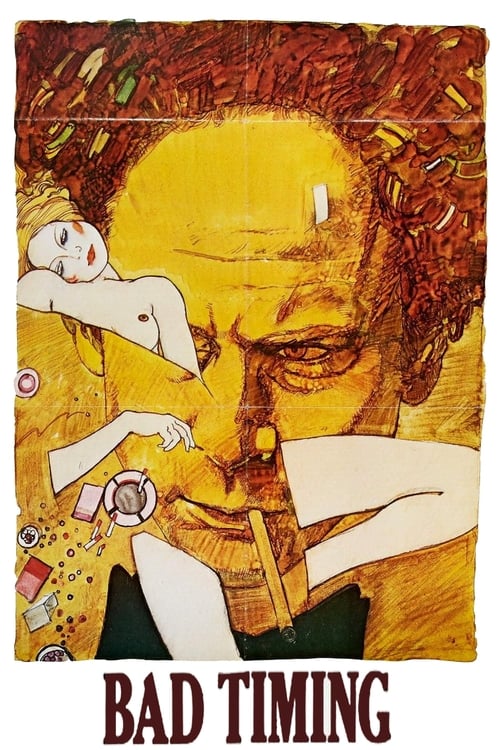
8. Bad Timing
Nicolas Roeg’s 1980 psychological drama is a tangled, non-linear exploration of a toxic relationship between Theresa Russell and Art Garfunkel. Roeg fragments time and memory, creating a disorienting, intense portrait of obsession and its destructive consequences. It’s a challenging, often uncomfortable watch, but its artistic ambition and raw emotionality are undeniable. This film exemplifies a kind of challenging, non-commercial cinema that thrived before the algorithms streamlined our viewing options.
9 / 10
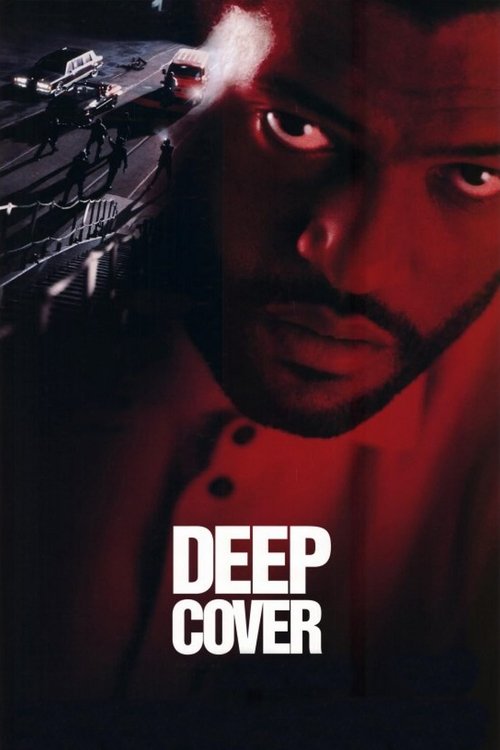
9. Deep Cover
Bill Duke's 1992 neo-noir is a gritty, intelligent crime thriller. Laurence Fishburne plays an undercover cop who descends into the morally ambiguous world of drug trafficking, questioning his own identity and allegiances. With a sharp script and powerful performances, it’s a stylish and unsettling look at systemic corruption and the personal cost of justice. This film shows how a well-crafted genre piece can deliver profound social commentary without ever feeling preachy.
10 / 10
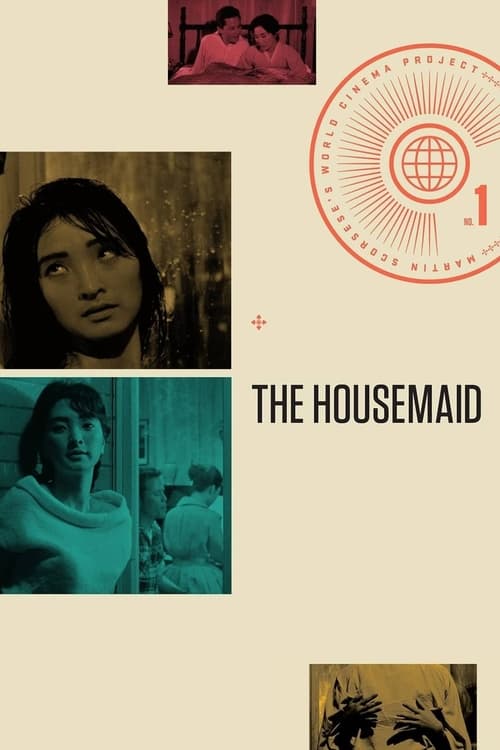
10. The Housemaid
Kim Ki-young’s 1960 Korean classic is a masterclass in domestic horror and psychological thriller. A seemingly perfect middle-class family is torn apart by the arrival of a manipulative new housemaid. The film brilliantly explores class tensions, desire, and the fragility of societal norms, escalating into a suffocating, unforgettable climax. Its influence on Korean cinema is immense, and its recent availability on streaming platforms has rightly cemented its status as a global masterpiece.