
1 / 10

1. Pong (1972)
Simplicity defined its impact. This two-dimensional table tennis simulation wasn't just a game; it was a societal event, introducing the very concept of interactive digital entertainment to the masses. Pong legitimized video games as a commercial product, sparking an industry that few could have predicted. Its bare-bones aesthetic and intuitive play laid the groundwork, proving that basic graphical representations could evoke engaging competition. Truly, a foundational brick in the digital landscape.
2 / 10
2. Space Invaders (1978)
Arcades pulsed with its presence. Space Invaders transformed passive entertainment into an active, high-score pursuit, driving coin-op culture to unprecedented heights. It introduced the concept of a "last life" struggle and escalating difficulty, creating an addictive loop that defined early gaming. The game’s relentless march of alien aggressors and the player’s desperate defense resonated, establishing a template for countless shooters and cementing video games as a fast-paced, challenging pastime.
3 / 10
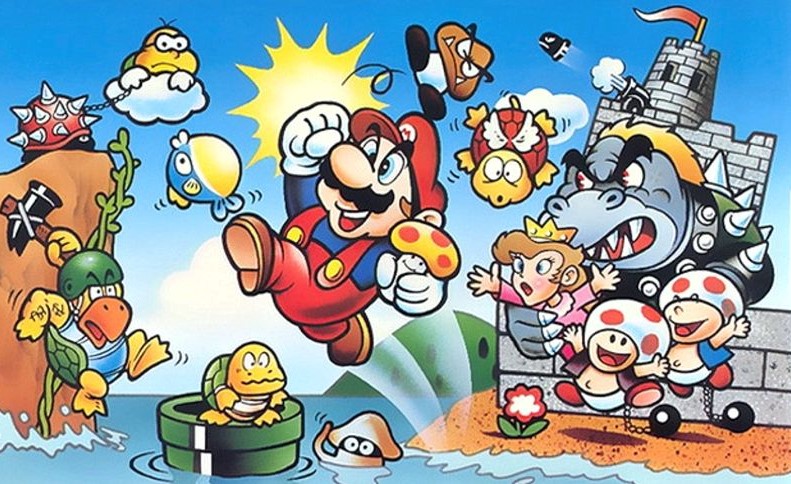
3. Super Mario Bros.
This wasn't just a platformer; it was a masterclass in level design and joyful progression. Super Mario Bros. rescued the console market from its early 80s crash, showcasing how precise controls, hidden secrets, and a whimsical world could captivate. It established the side-scrolling genre's potential, becoming a cultural icon and defining character-driven adventures for a generation. Its influence on game mechanics, art style, and player expectation remains immeasurable, truly a watershed moment.
4 / 10
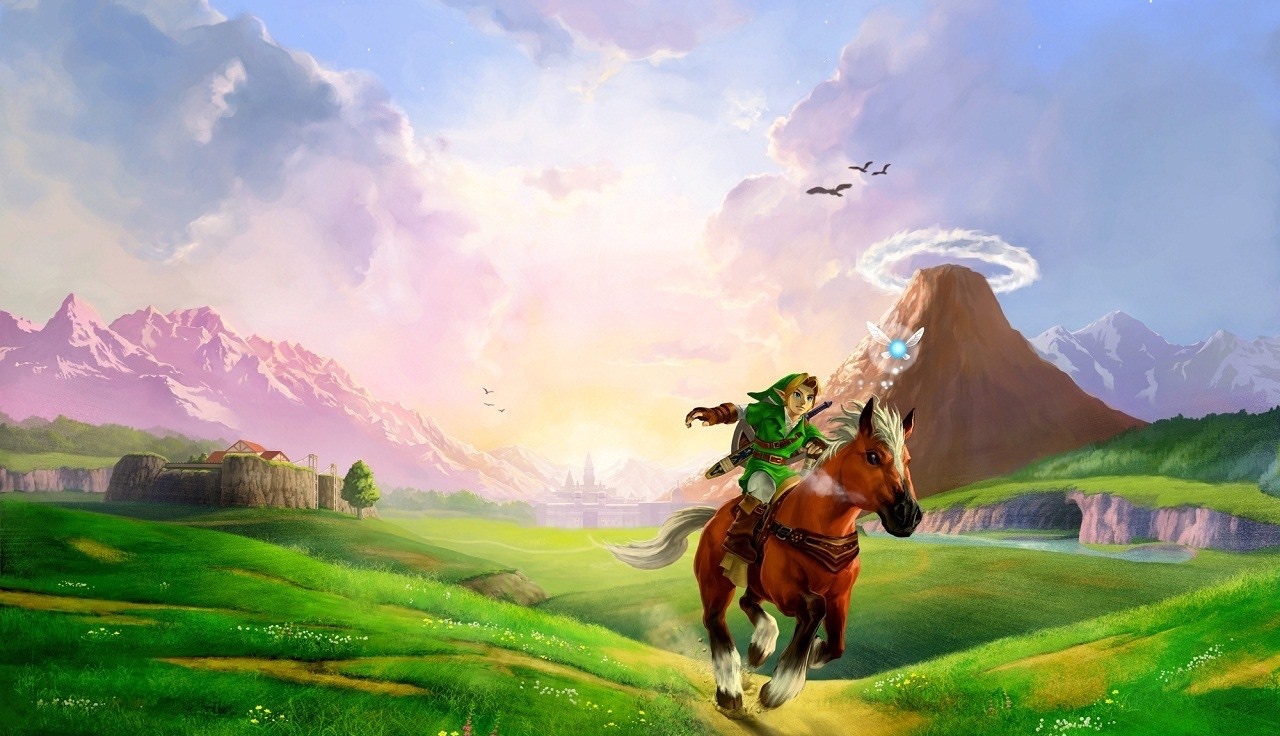
4. The Legend of Zelda: Ocarina of Time
Ocarina of Time didn't just adapt a beloved series to 3D; it wrote the rulebook for 3D adventure. Its innovative Z-targeting combat, contextual actions, and sprawling, interactive world set new standards for environmental storytelling and player agency. The game's narrative depth, coupled with its time-travel mechanics and emotional weight, created an experience that felt grand and intimate simultaneously. It remains a benchmark for immersive world-building and dynamic gameplay.
5 / 10
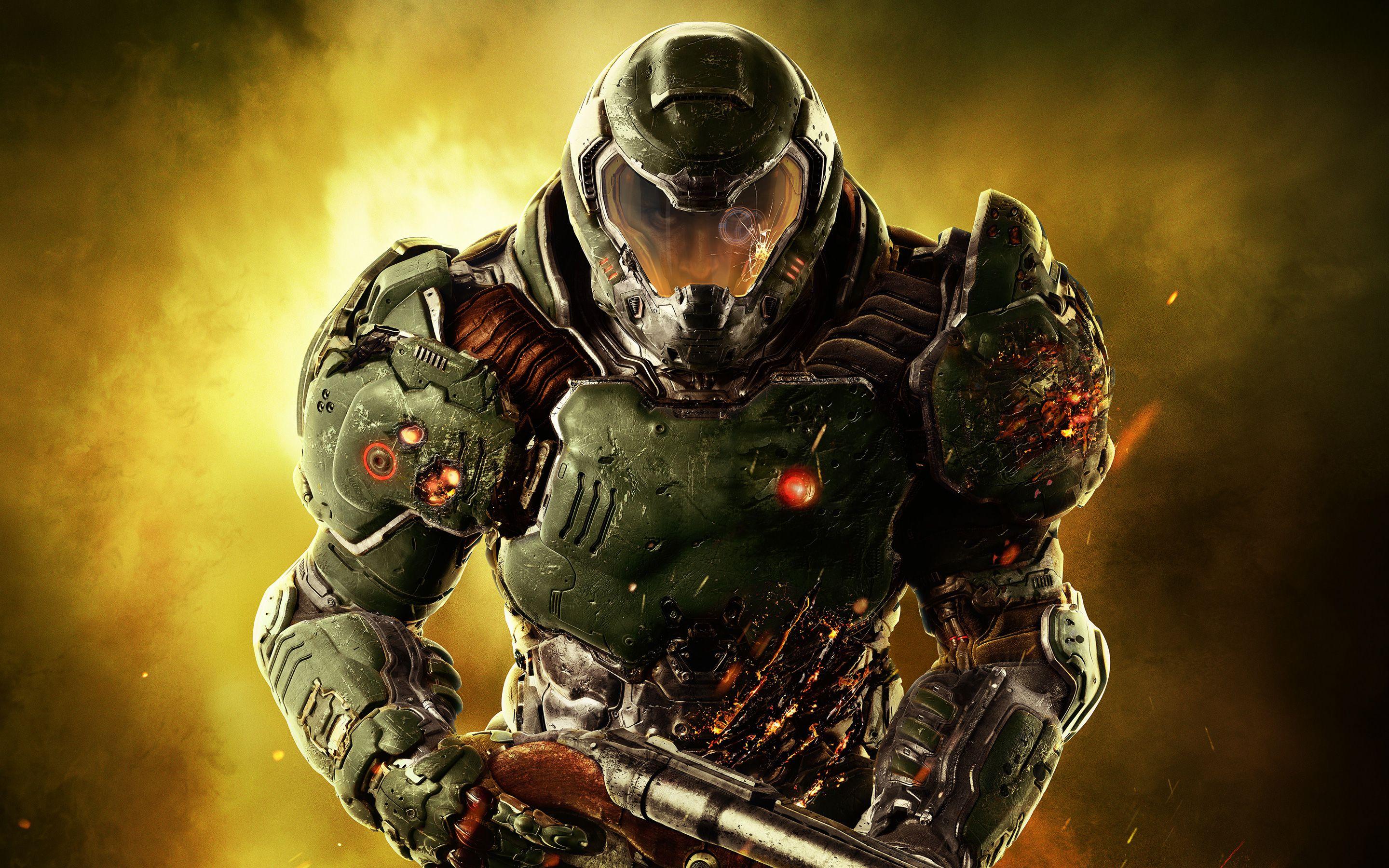
5. DOOM (2016)
DOOM wasn't a nostalgic rehash; it was a brutal, elegant reinvention of the FPS. It stripped away unnecessary complexity, focusing on relentless, visceral combat and player momentum. The "push forward" combat loop, where aggression was rewarded with resources, revitalized the genre, proving that fast-paced, arena-style shooting still had profound depth. Its unapologetic embrace of heavy metal aesthetics and satisfying gore crafted an experience both intensely challenging and profoundly cathartic.
6 / 10
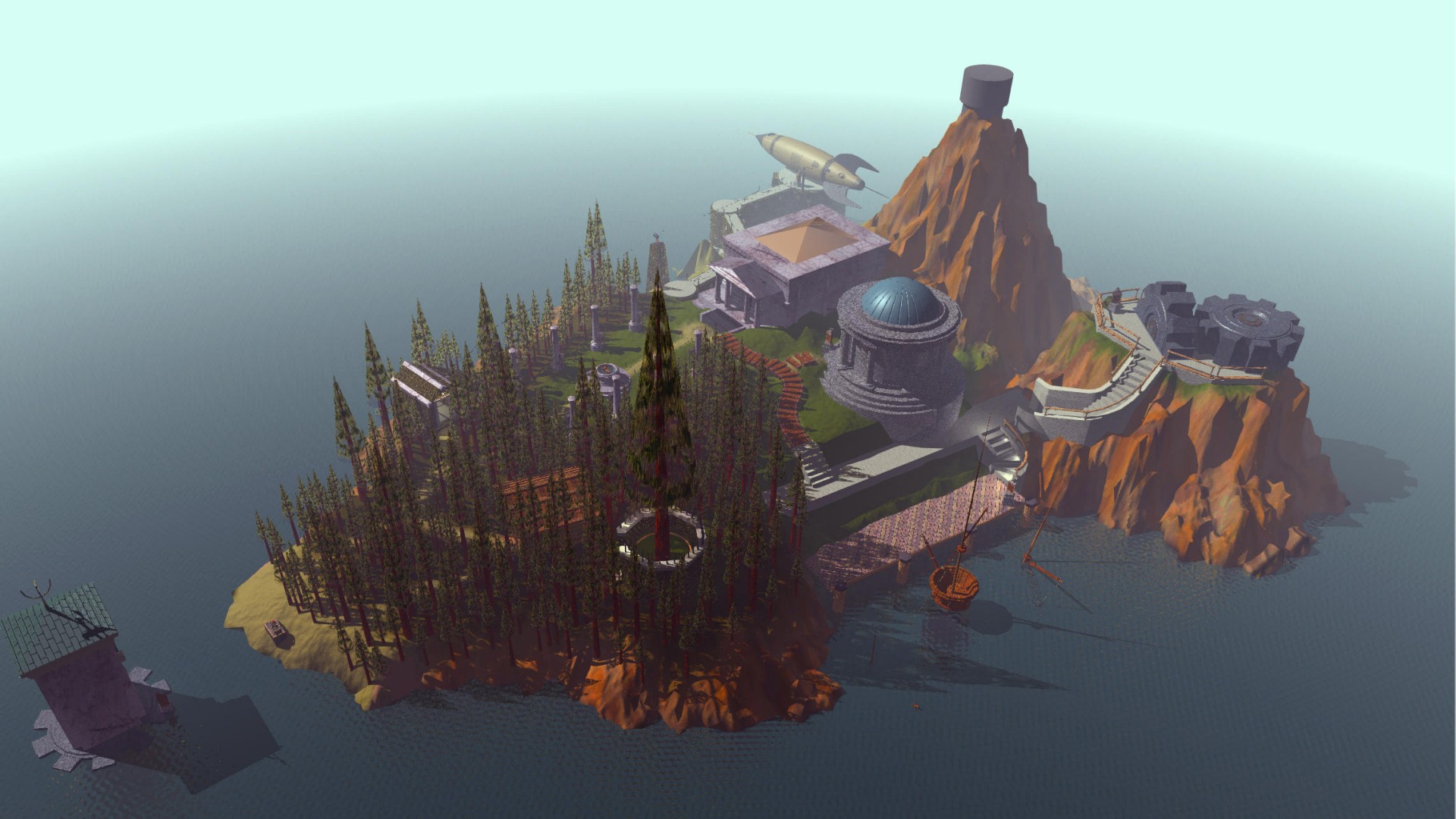
6. Myst
Myst redefined what a video game could be, ditching action for serene, cerebral exploration. Its pre-rendered graphics and intricate, lore-rich puzzles created an atmospheric, solitary experience unlike anything before. The game demanded patience, observation, and logical deduction, appealing to a broader audience who might not typically engage with traditional gaming. It demonstrated the power of environmental storytelling and non-linear progression, proving that quiet contemplation could be just as compelling as combat.
7 / 10
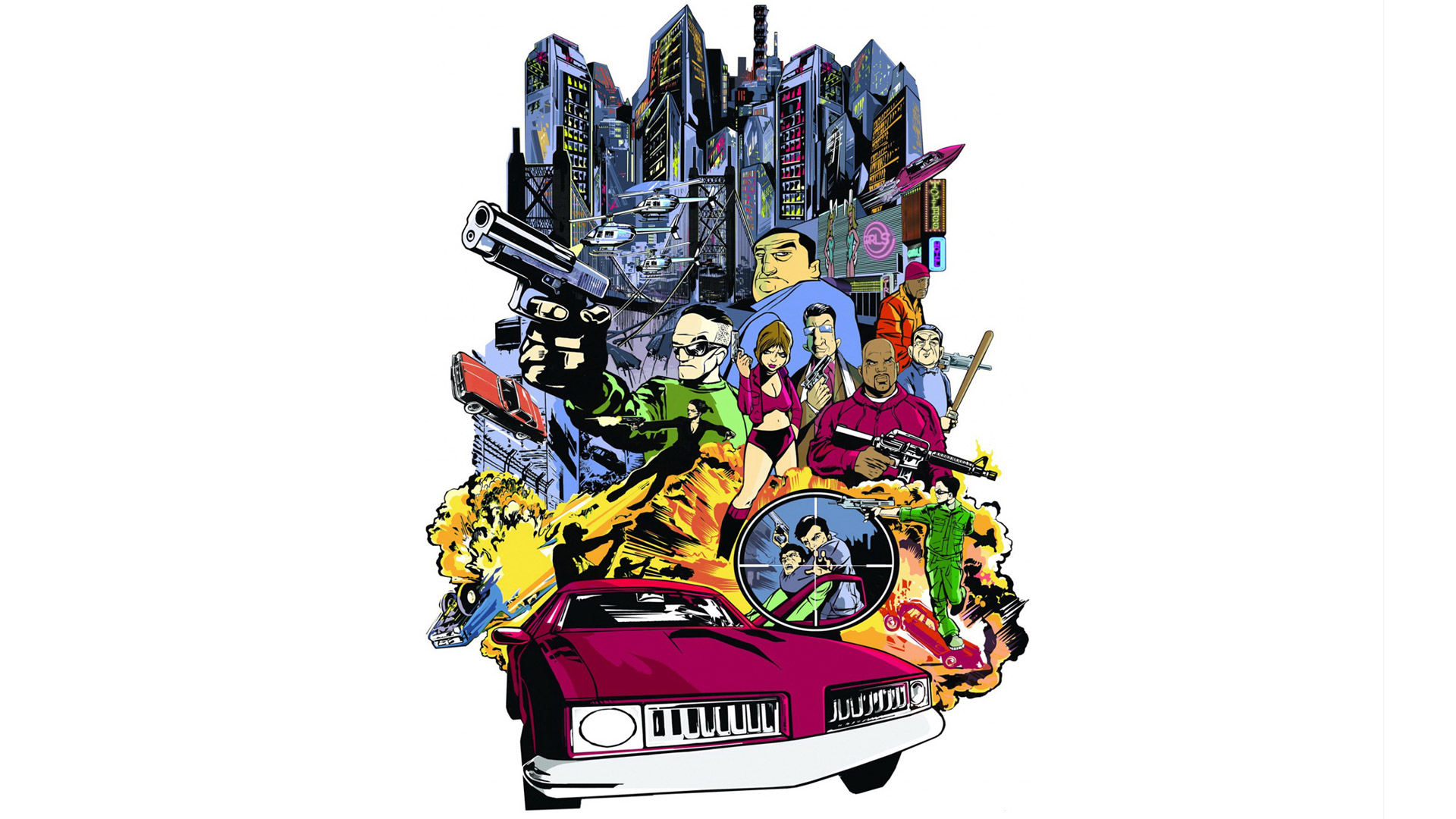
7. Grand Theft Auto III
This game wasn't just open-world; it was a cultural phenomenon that reshaped expectations for interactive environments. GTA III offered unprecedented freedom within a living, breathing city, allowing players to forge their own narratives amidst satire and chaos. Its seamless blend of driving, shooting, and exploration, coupled with a compelling, if controversial, narrative, created an immersive sandbox experience. It established a blueprint for countless future titles and ignited debates about game content.
8 / 10
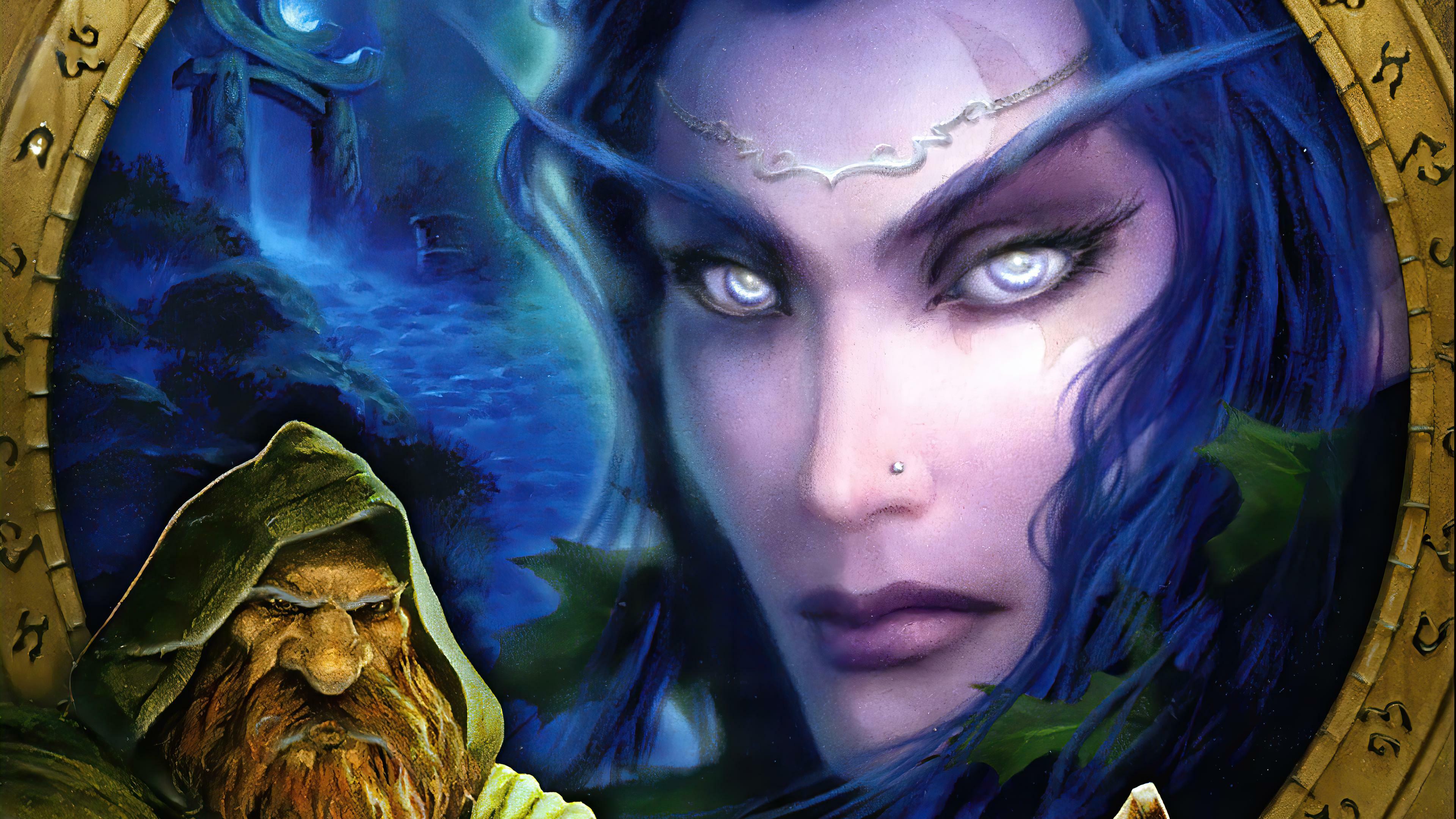
8. World of Warcraft
World of Warcraft didn't just popularize MMOs; it brought them into the mainstream, creating a persistent virtual society. Its accessible design, rich lore, and robust social systems fostered communities that transcended geographical boundaries. The game proved the immense power of shared experiences, cooperative play, and ongoing narrative development, influencing game design across genres. It became a cultural touchstone, demonstrating the enduring appeal of digital community and collective adventure.
9 / 10
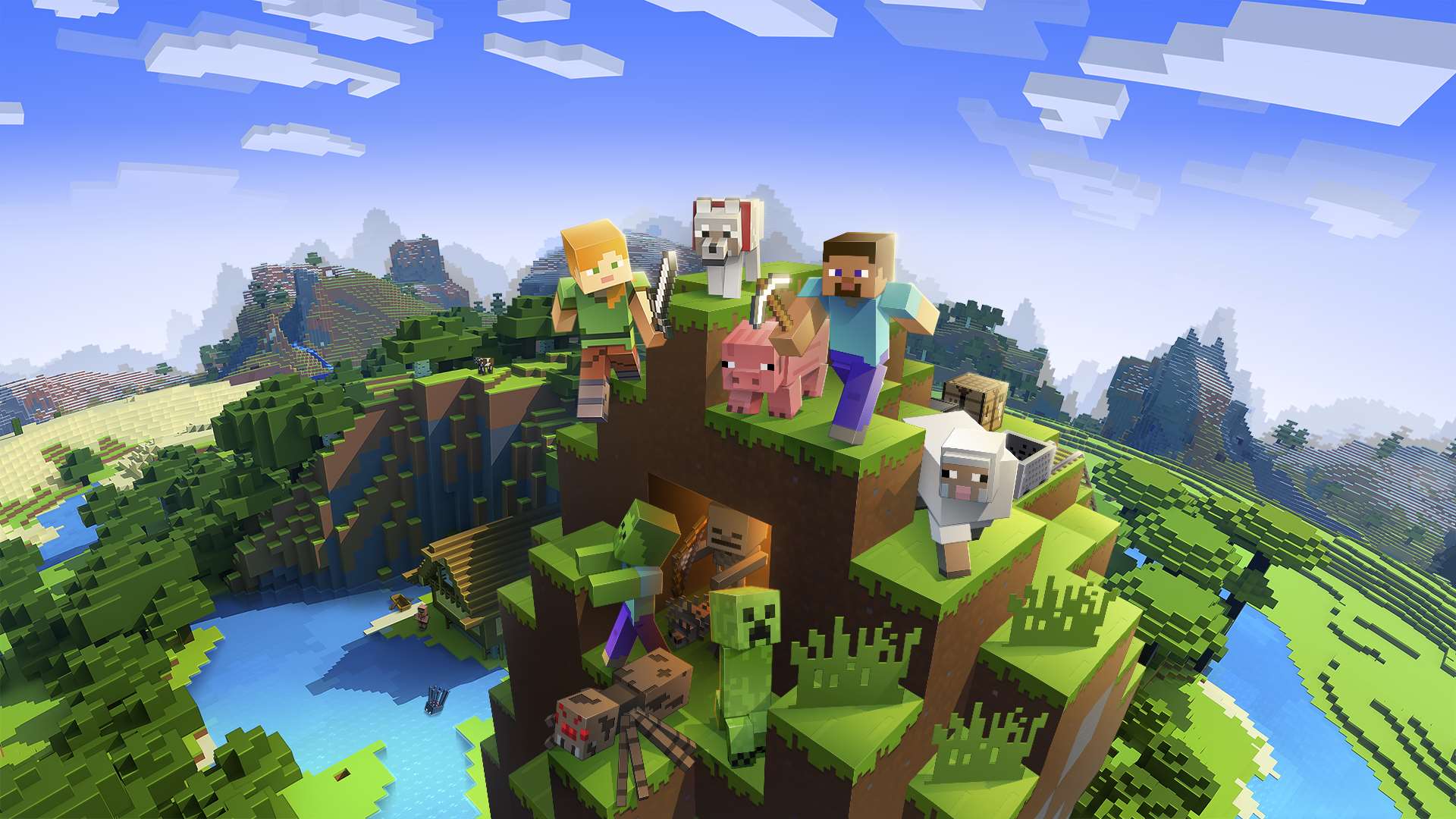
9. Minecraft
Minecraft democratized game creation, empowering millions to build, explore, and imagine with unparalleled freedom. Its blocky aesthetic and intuitive crafting system fostered a global community of architects, adventurers, and storytellers. The game's open-ended nature and limitless potential for creativity resonated deeply, proving that intrinsic motivation could drive endless engagement. It wasn't just a game; it was a platform for digital expression, fundamentally altering perceptions of player agency.
10 / 10
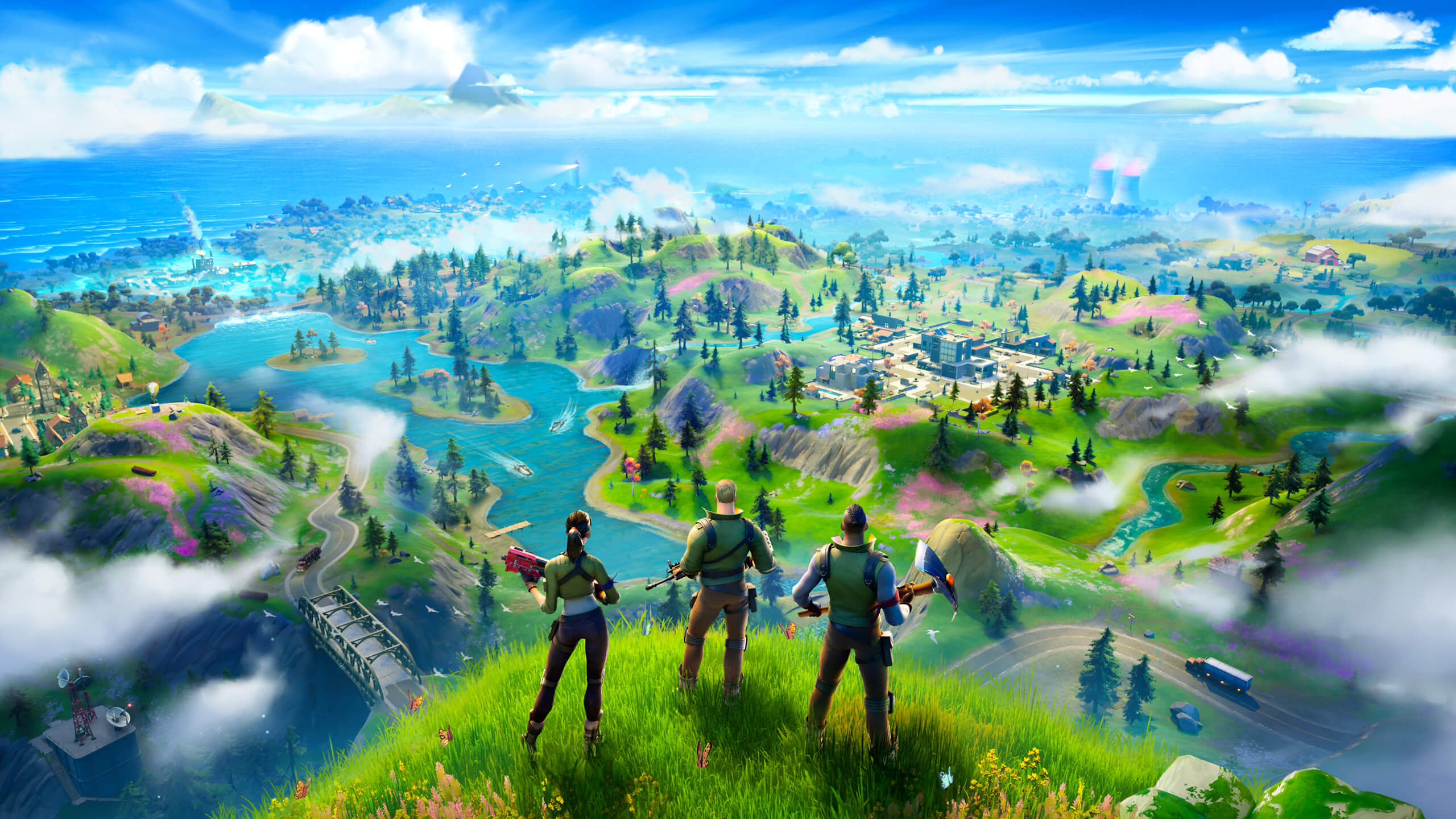
10. Fortnite Battle Royale
Fortnite didn't invent the Battle Royale, but it perfected its accessibility and cultural penetration. Its vibrant art style, frequent updates, and innovative building mechanics made it a global phenomenon, appealing to a massive, diverse audience. The game's cross-platform play and free-to-play model broke down barriers, establishing it as a social hub as much as a competitive arena. It redefined live-service gaming and demonstrated the power of continuous, community-driven evolution.