

1 / 10
1. The Vanishing
George Sluizer's chilling 1988 Dutch original is a masterclass in psychological tension, meticulously exploring the abyss of human obsession. It isn't merely a mystery; it's a profound meditation on the nature of evil and the consuming desire for answers, pushing its protagonist and the audience to the brink. Its unforgettable, disturbing conclusion solidifies its place as an unsettling, essential piece of European cinema.
2 / 10
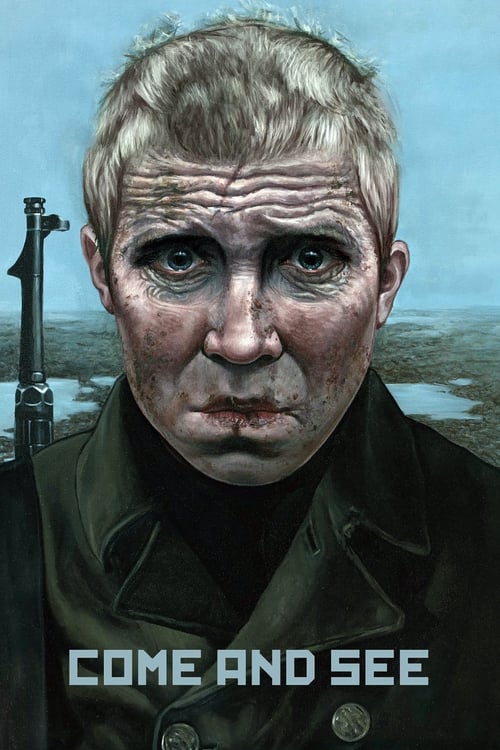
2. Come and See
Elem Klimov's 1985 Soviet masterpiece offers an unflinching, almost surreal depiction of WWII's Eastern Front through the eyes of a Belarusian teenager. It transcends conventional war narratives, becoming a visceral descent into hell, where innocence is brutally eradicated and the psychological scars of conflict are rendered with devastating intensity. This is not just a film; it's an experience that leaves an indelible mark.
3 / 10
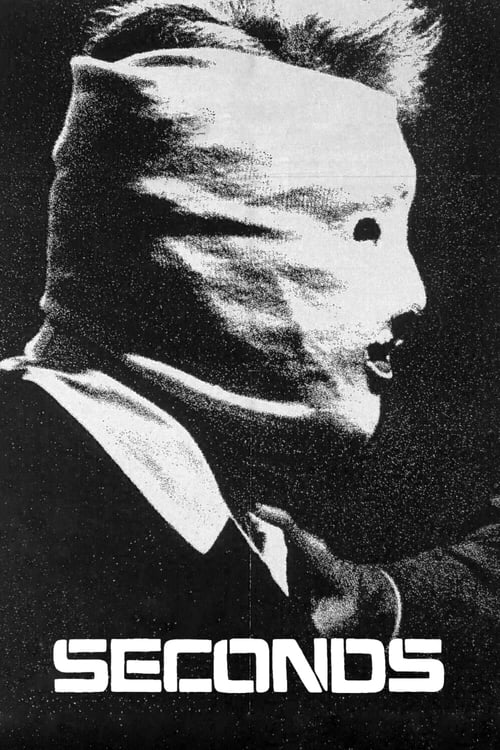
3. Seconds
John Frankenheimer's 1966 *Seconds* is a chilling slice of mid-century American paranoia, wrapped in stark, expressionistic cinematography. It probes the anxieties of identity and the elusive pursuit of happiness, as a disillusioned banker undergoes a radical transformation. Rock Hudson delivers a career-defining performance in this unsettling, existential thriller, questioning the very fabric of selfhood and the insidious nature of control.
4 / 10
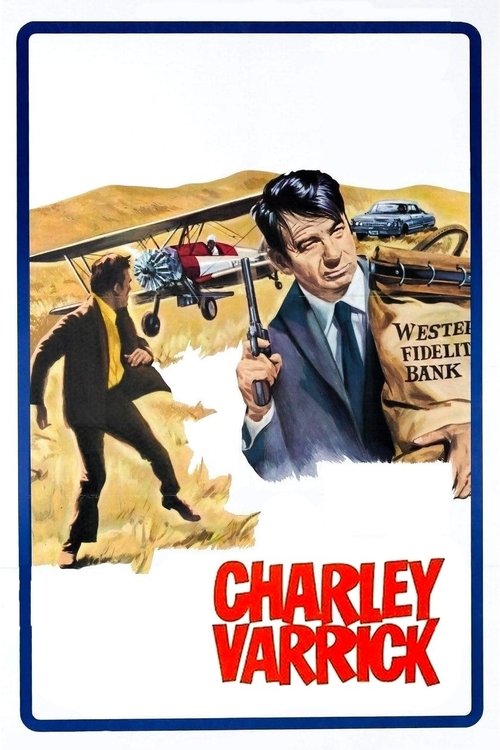
4. Charley Varrick
Don Siegel's 1973 crime thriller showcases Walter Matthau in an atypical, compelling role as a small-time bank robber who inadvertently steals from the mob. This isn't just a chase film; it's a taut, intelligent study of survival and consequence, where Varrick, an unlikely anti-hero, outwits far more dangerous adversaries. Its gritty realism and sharp characterizations cement its status as a quintessential 70s neo-noir.
5 / 10

5. Picnic at Hanging Rock
Peter Weir's 1975 *Picnic at Hanging Rock* is a haunting, dreamlike fable from the Australian New Wave, steeped in unsettling beauty. It explores an inexplicable disappearance in the sun-drenched, ancient landscape, subtly dissecting colonial anxieties and repressed desires. The film thrives on its profound ambiguity, inviting contemplation rather than offering neat solutions, creating an atmospheric, almost hypnotic experience that lingers long after viewing.
6 / 10

6. Cure
Kiyoshi Kurosawa's 1997 *Cure* is a slow-burn masterpiece of Japanese psychological horror, dissecting the insidious nature of evil and its psychological contagion. A detective investigates a series of bizarre murders, each perpetrator claiming no memory, leading him into a chilling labyrinth of manipulation. Its unnerving atmosphere and intellectual terror make it a profound, disturbing meditation on the fragility of sanity and societal breakdown.
7 / 10
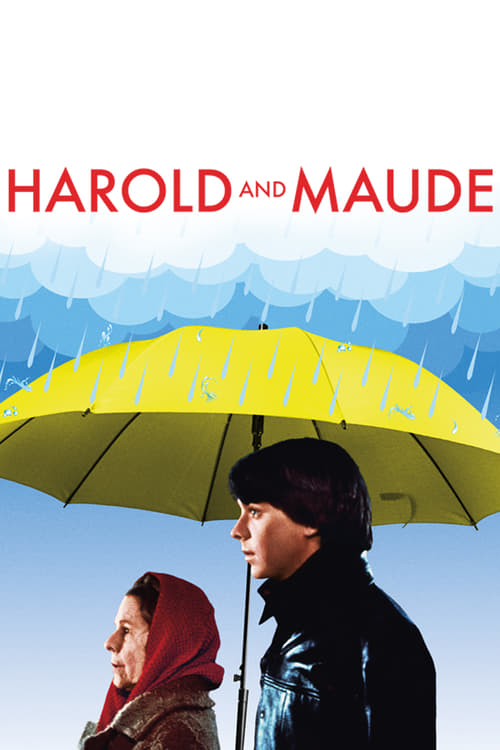
7. Harold and Maude
Hal Ashby's 1971 *Harold and Maude* remains a singular triumph of black comedy and unconventional romance. It charmingly navigates the morbid fascinations of a young man and the life-affirming wisdom of an octogenarian, forging an unlikely, yet profound, connection. This film is a subversive ode to non-conformity and the joyous embrace of life's fleeting moments, offering a perspective that is both darkly humorous and deeply moving.
8 / 10
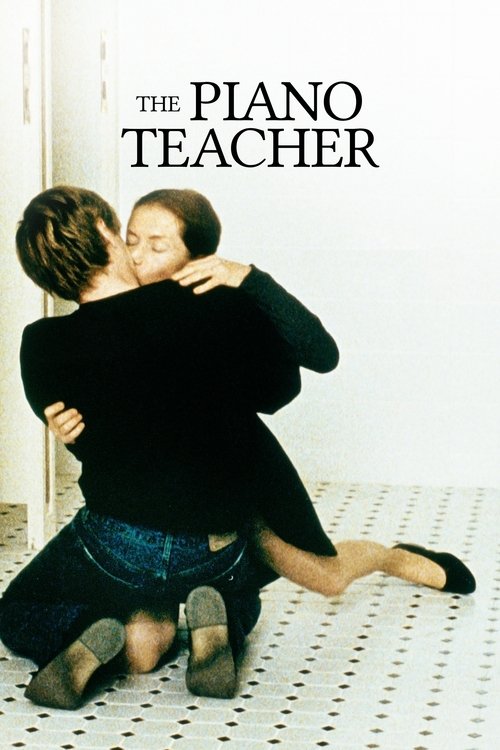
8. The Piano Teacher
Michael Haneke's 2001 *The Piano Teacher* is an unsparing, clinical examination of psychological repression and destructive desire. Isabelle Huppert delivers a fearless performance as Erika Kohut, a woman trapped by her domineering mother and her own volatile impulses. Haneke forces viewers to confront the uncomfortable truths of human sexuality and control, crafting a disturbing, yet intellectually rigorous, portrait of profound emotional decay.
9 / 10

9. Sympathy for Mr. Vengeance
Park Chan-wook's 2002 *Sympathy for Mr. Vengeance* is the brutal, uncompromising first chapter in his acclaimed Vengeance Trilogy. It plunges into a spiraling cycle of violence and moral ambiguity, following a deaf-mute man's desperate attempts to save his sister. This is a relentlessly bleak, yet masterfully crafted, neo-noir that explores the devastating consequences of retribution, leaving an indelible mark with its stark, unflinching narrative.
10 / 10

10. Tetsuo: The Iron Man
Shinya Tsukamoto's 1989 *Tetsuo: The Iron Man* is a visceral, avant-garde explosion of Japanese cyberpunk and body horror. Shot in frenetic black and white, it plunges viewers into a nightmarish world of flesh fusing with metal, driven by industrial obsession. This low-budget, high-impact cult classic is a relentless, aggressive assault on the senses, a raw, uncompromising vision of technological anxiety and grotesque metamorphosis.