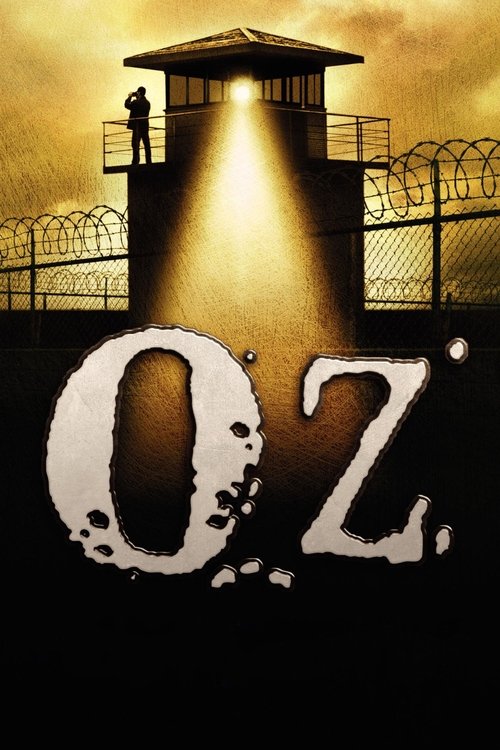
1. Oz
Before it was common, *Oz* took TV viewers into a dark, unforgiving world every week. HBO wasn't playing nice; this was serialized storytelling at its most brutal, stripping away any pretense of easy answers. It showcased what cable could do when given free rein, building an ensemble cast and narrative arcs that would have never flown on network TV. It was intense, unflinching, and laid groundwork for serialized prestige.
2. Sports Night
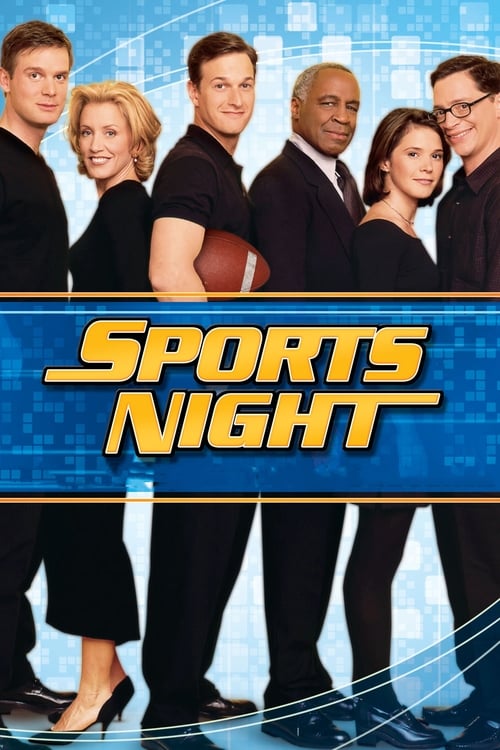
Sorkin’s first TV outing felt like a peek behind the curtain, mixing rapid-fire dialogue with genuine heart. It wasn't quite a mockumentary, but its backstage setting and the ensemble's naturalistic rhythm hinted at where TV was heading. It showed that smart, character-driven comedy-drama could thrive, even with the network structure, pushing boundaries with its unique blend of wit and emotional depth in a serialized format.
3. The Shield
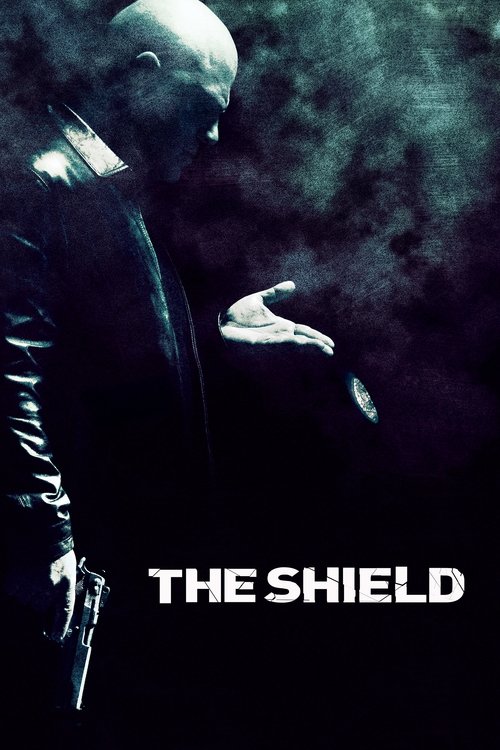
FX stepped into the ring swinging with *The Shield*, delivering a crime drama that was unapologetically dark and morally grey. Vic Mackey wasn't a hero; he was a problem. This show proved cable wasn't just for quirky comedies or high-brow dramas; it could do raw, serialized anti-hero narratives that challenged audiences. It embraced long-form storytelling and consequences, setting a high bar for grittier cable fare.
4. The Kingdom
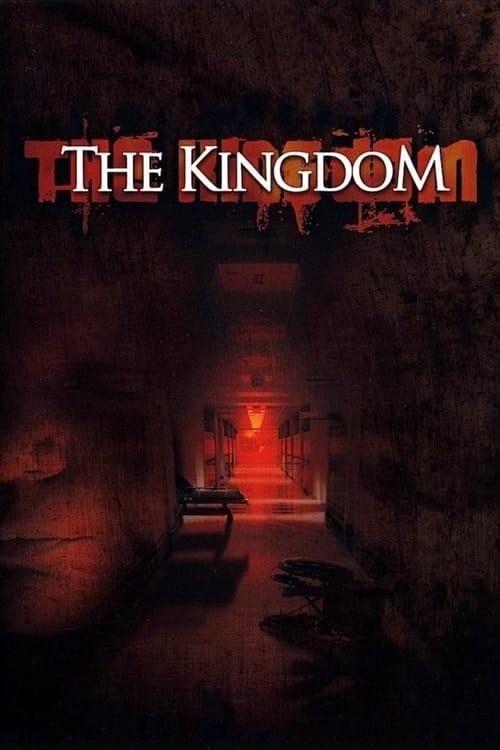
Lars von Trier's *The Kingdom* was a wild, unsettling trip. This Danish miniseries felt like a film stretched across several hours, pushing the boundaries of what TV could be. Its grainy, almost home-video aesthetic, combined with its surreal, horror-tinged narrative, was experimental and deeply influential. It showed that television could deliver complex, cinematic experiences, long before that became a buzzword, truly feeling like a precursor to on-demand discovery.
5. State of Play
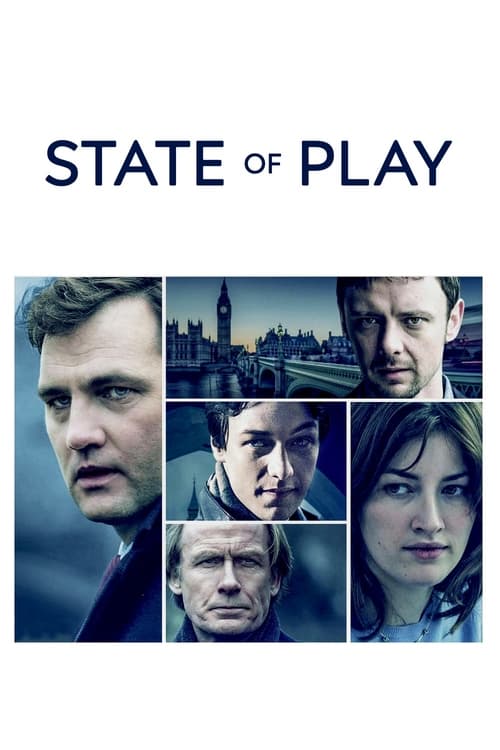
This British miniseries was a masterclass in serialized political thrillers, proving that a tightly wound narrative over a few hours could be more impactful than a sprawling season. Its cinematic production values and intricate plot twists set a new standard. It felt like a novel brought to life, demanding attention and rewarding it with smart, compelling drama. It was the kind of show you'd hunt down before streaming was common.
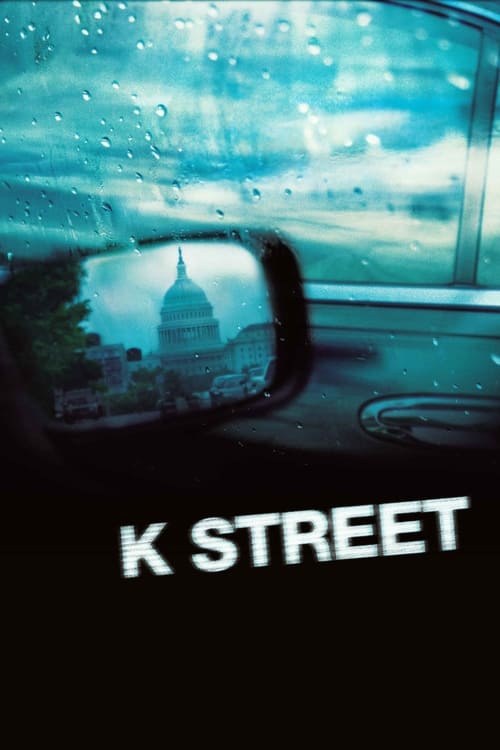
6. K Street
Soderbergh's *K Street* was a fascinating, often frustrating, experiment. Blending improv with real-world political figures, it felt like a mockumentary before its time, a peek behind the curtain of Washington D.C. Its hybrid format, shot and aired quickly to stay current, pushed the boundaries of what television could be. It was the kind of niche, ambitious show that HBO would take a swing on, hinting at future on-demand niche content.
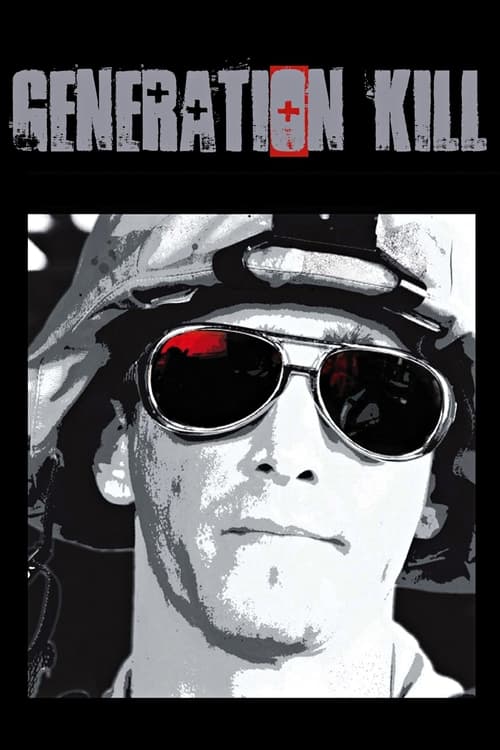
7. Generation Kill
Hot off the heels of *The Wire*’s realism, HBO delivered *Generation Kill*, a raw, unflinching look at modern warfare. This miniseries felt incredibly authentic, with its ensemble cast portraying the grim realities of conflict without glorification. It continued HBO’s tradition of cinematic, serialized storytelling, showing that television could tackle grand, complex narratives with the scope and grit previously reserved for feature films.
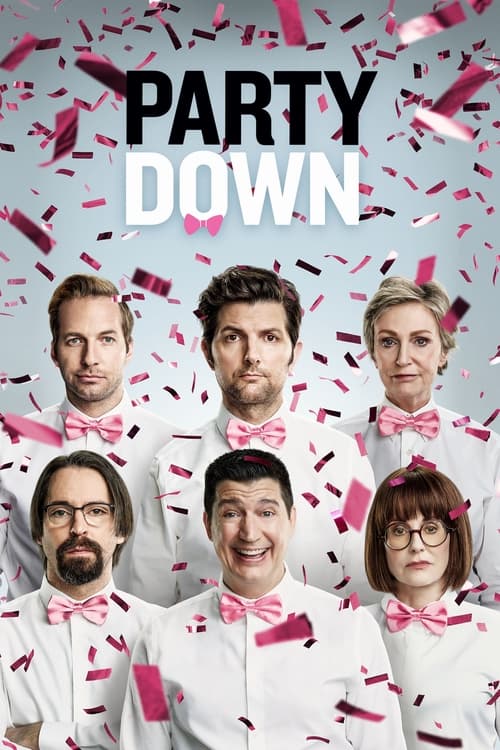
8. Party Down
Party Down was a tragicomic gem, finding humor and pathos in the lives of struggling actors moonlighting as caterers. Its ensemble cast delivered sharp, witty dialogue with a mockumentary-adjacent feel, making you feel like you were right there in the unglamorous trenches. It was an early Starz standout, a cult classic that really found its audience later, thanks to the slow burn of early on-demand and word-of-mouth.
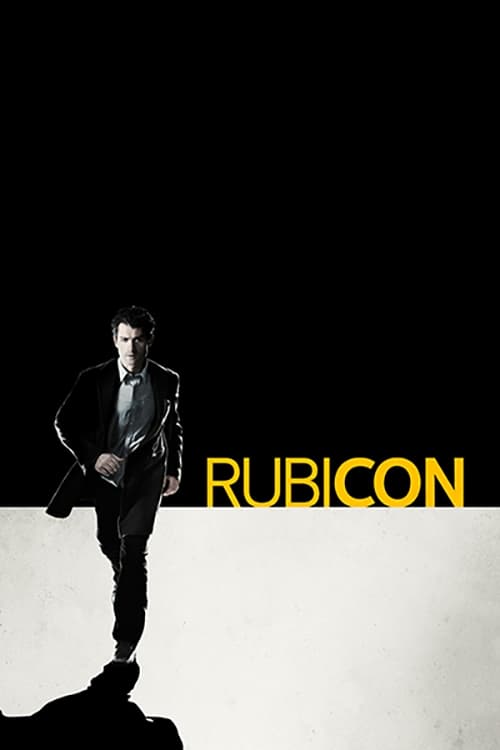
9. Rubicon
Rubicon arrived on AMC after *Mad Men* and *Breaking Bad* had set a high bar for prestige. It was a dense, atmospheric conspiracy thriller that demanded patience, rewarding viewers who stuck with its intricate, slow-burn plot. It leaned into serialized storytelling, building tension gradually with an intellectual bent. It showed that AMC was willing to take risks on cerebral dramas, even if they didn't catch fire immediately.
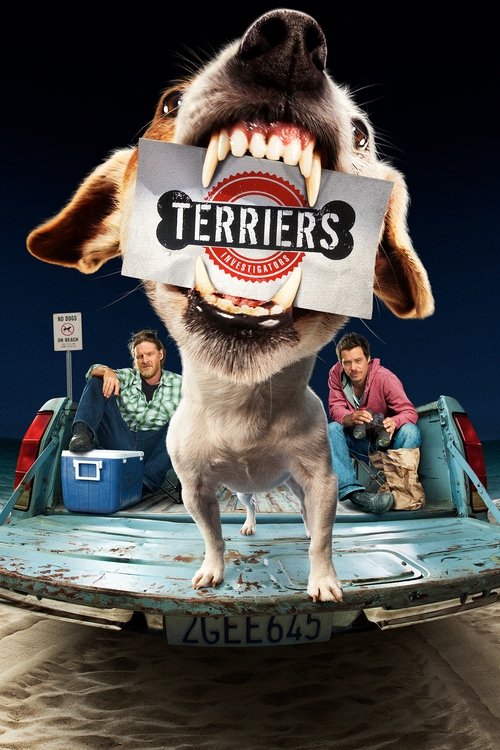
10. Terriers
Terriers was a masterful, character-driven buddy detective show that got overlooked in its time. It subverted procedural tropes, focusing on the messy lives of its leads rather than just the case-of-the-week. FX let it breathe, allowing for rich, serialized storytelling with a unique, sun-drenched California noir vibe. It was a prime example of a show that truly found its passionate audience long after its initial run, thanks to on-demand re-discovery.