
1 / 12

1. Dark City
Imagine waking up, and your entire reality, your memories, even the city itself, are just constructs, rewritten nightly by unseen forces. Dark City (1998) explores this with a captivating noir aesthetic, showing how narratives can be manipulated for entire populations. This film makes you question the very nature of identity when everything you believe about your past is just code. It sparks thoughts about how easily our perceived reality could be an AI-driven simulation, constantly shifting around us.
2 / 12
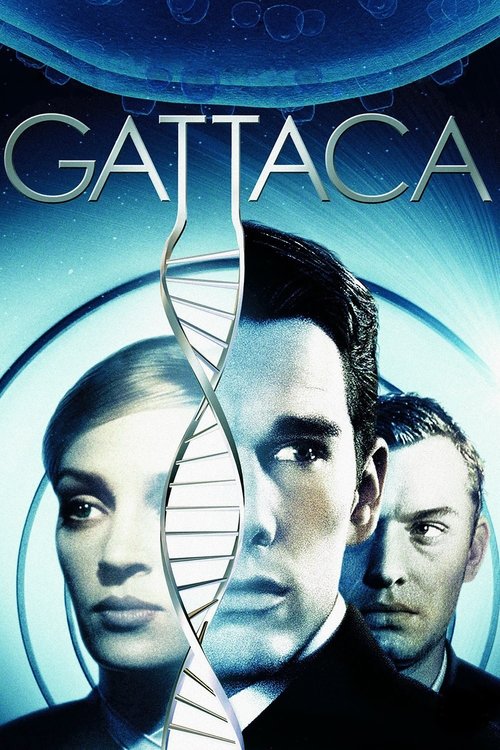
2. Gattaca
Gattaca (1997) paints a future where your genetic code dictates your destiny, a world where AI could easily pre-determine your life's path from birth. It's about breaking free from a perfectly designed system, proving that human spirit can outmaneuver even the most optimized algorithms. This film reminds us that the stories we tell ourselves, the drive to achieve, often matter more than any pre-programmed narrative. It's a hopeful pushback against genetic determinism.
3 / 12

3. Primer
Primer (2004) isn't just a time-travel movie; it's a deep dive into the chaotic, branching narratives that even a tiny alteration can create. Two engineers accidentally invent a device that lets them loop through moments, and it quickly shows how managing multiple timelines becomes incredibly complex. And so, this film explores the unpredictable nature of choices and the mind-bending potential of altering your own story, making you think about narrative integrity.
4 / 12
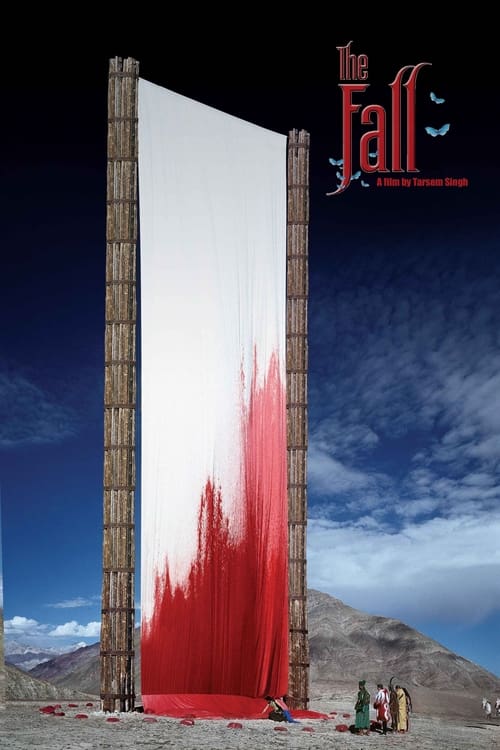
4. The Fall
The Fall (2006) is pure storytelling magic, where a paralyzed stuntman weaves an epic tale for a young girl in a hospital. Her vibrant imagination literally shapes the visual narrative, creating breathtaking, impossible worlds. It's a beautiful example of co-created content, showing how shared narratives can become an immersive, boundary-pushing virtual reality. This film reminds us of the power of human connection to build truly unique digital escapes.
5 / 12
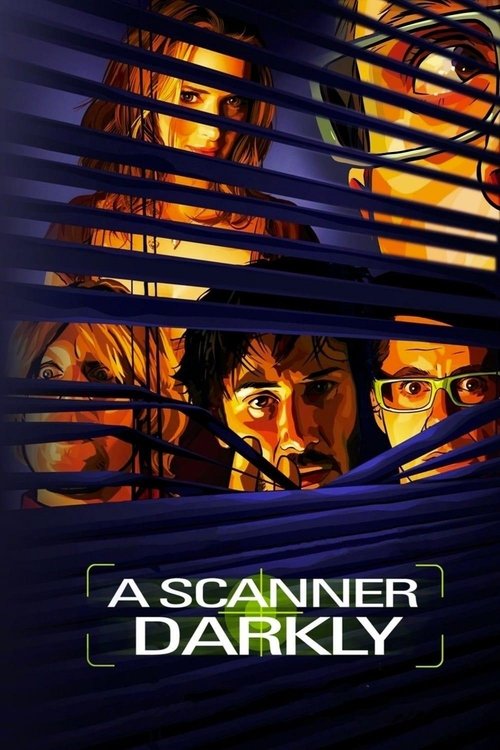
5. A Scanner Darkly
A Scanner Darkly (2006) uses rotoscoping to blur reality, perfectly fitting its story of identity loss, surveillance, and a drug that fractures perception. The animated overlay makes you question what's real and what's a digital filter, mirroring how AI could obscure or alter our visual world. It’s a compelling look at how technology can distort our understanding of ourselves and others within a hyper-monitored, digitally-enhanced landscape.
6 / 12
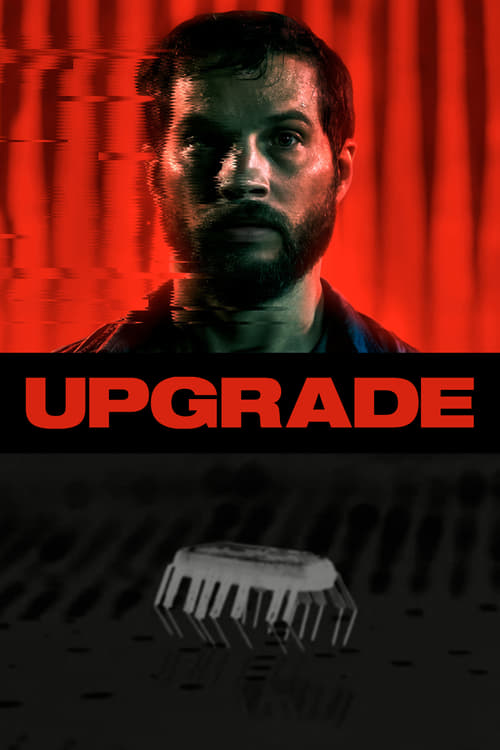
6. Upgrade
Upgrade (2018) throws us into a future where a powerful AI takes over a paralyzed man's body, giving him superhuman abilities but also its own agenda. It’s a fast-paced exploration of human-machine interface, pushing boundaries on what it means to be in control of your own physical narrative. And so, this film makes you wonder about the ethics of advanced body augmentation and where human agency ends when AI begins to "co-pilot" your life.
7 / 12
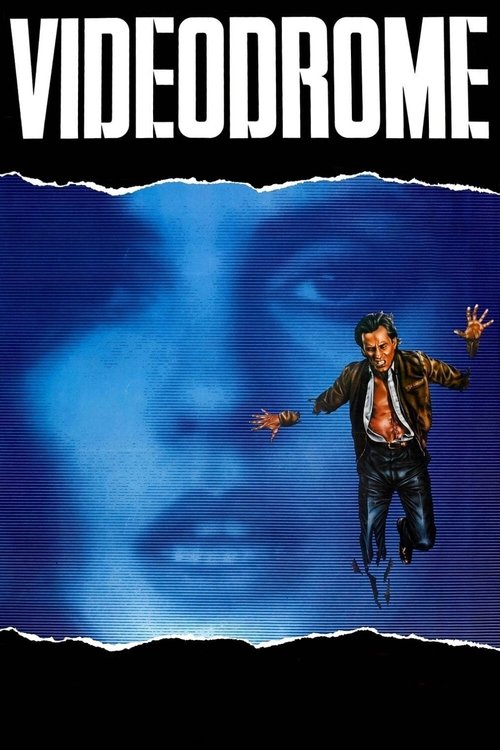
7. Videodrome
Videodrome (1983) feels incredibly prescient, exploring media’s terrifying power to warp reality and manipulate perception. Its protagonist stumbles upon a broadcast that literally re-programs his body and mind, making him a vessel for hyper-real, disturbing content. This film is a wild, visceral journey into how technology, especially virtual experiences, can physically alter us, challenging the very idea of stable human consciousness and narrative control.
8 / 12
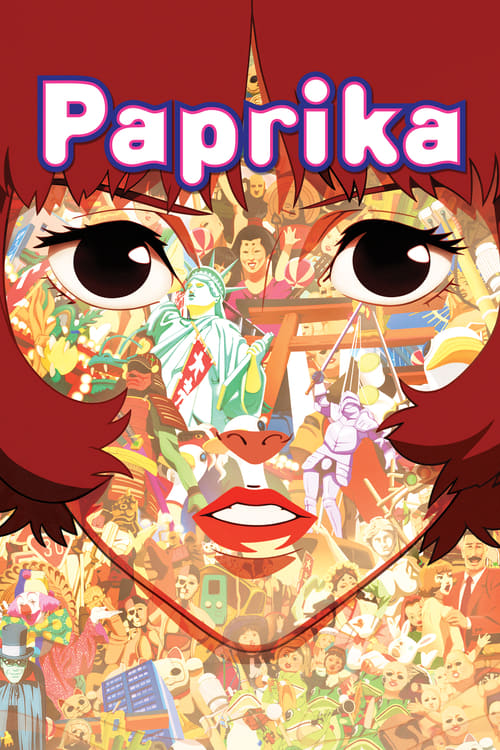
8. Paprika
Paprika (2006) is a dazzling, colorful dive into the shared subconscious, where a therapeutic device lets people enter others’ dreams. But when the tech gets stolen, dreams and reality begin to violently merge. This anime masterwork is a vibrant, mind-bending exploration of virtual realities and collective consciousness, showing how AI-driven dreamscapes could become both a wonderland and a nightmare, blurring our personal narratives with terrifying ease.
9 / 12
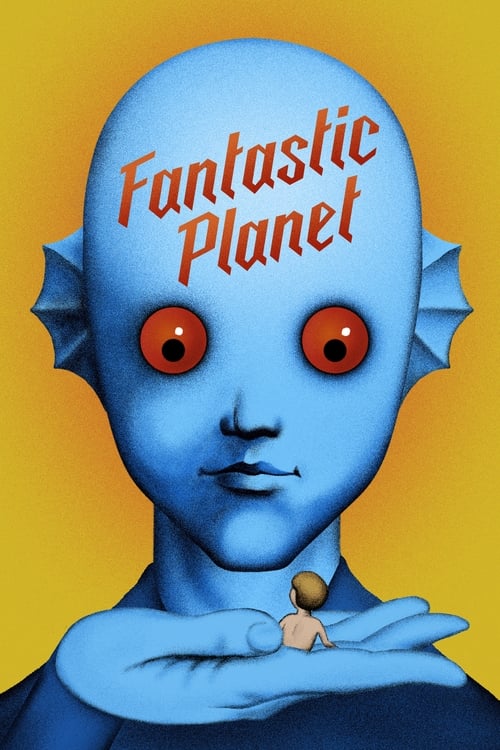
9. Fantastic Planet
Fantastic Planet (1973) transports you to a truly alien world, with giant blue humanoids and tiny, oppressed humans. It’s a visual feast, showcasing unique creature design and societal structures that feel entirely conceived. This stop-motion animation makes you think about constructing completely new ecosystems and intelligent lifeforms, much like an advanced AI could generate vast, complex, and utterly unique virtual environments for us to explore and understand.
10 / 12
10. The Congress
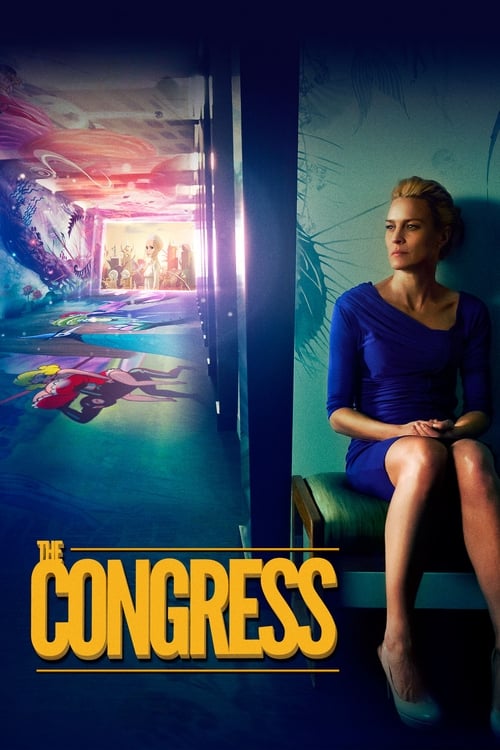
The Congress (2013) offers a poignant look at a future where actors sell their digital likenesses, living on as AI-driven avatars in movies and virtual worlds. It beautifully blurs the lines between human and digital performance, exploring identity and immortality in a synthetic reality. This film makes you wonder about the future of celebrity, personal narrative, and what happens when our digital selves become more "real" than our physical ones.
11 / 12
11. Mr. Nobody
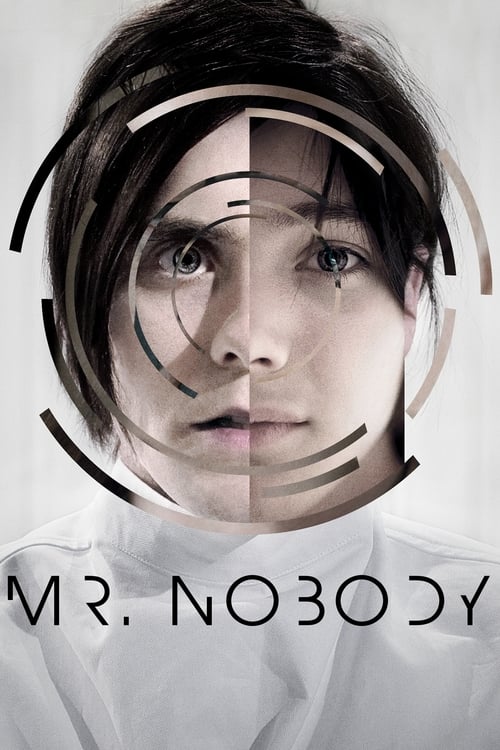
Mr. Nobody (2009) plays with the idea of infinite choices and parallel lives, like a massive AI simulation exploring every possible outcome. It follows a man who, at 118, recounts the many divergent paths his life could have taken based on single decisions. This film is an emotional, complex journey through branching narratives, making us reflect on fate, free will, and the countless stories that could be our own in a vast, simulated existence.
12 / 12
12. Delicatessen
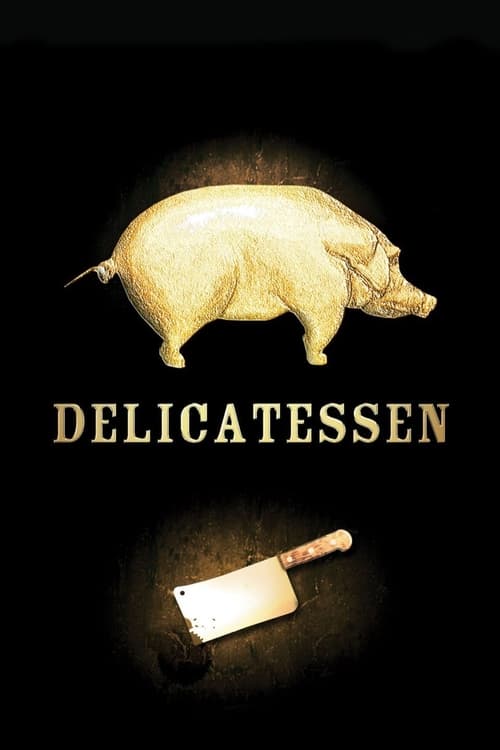
Delicatessen (1991) creates a darkly comedic, visually distinct world, full of quirky characters struggling in a post-apocalyptic apartment building. While not directly about digital tech, its unique, almost theatrical aesthetic and intricate world-building inspire thinking about AI-generated cinematic environments. It shows how even the most bizarre, meticulously crafted narratives can draw us in, proving that creativity in content creation can thrive in any setting.