1. Utopia
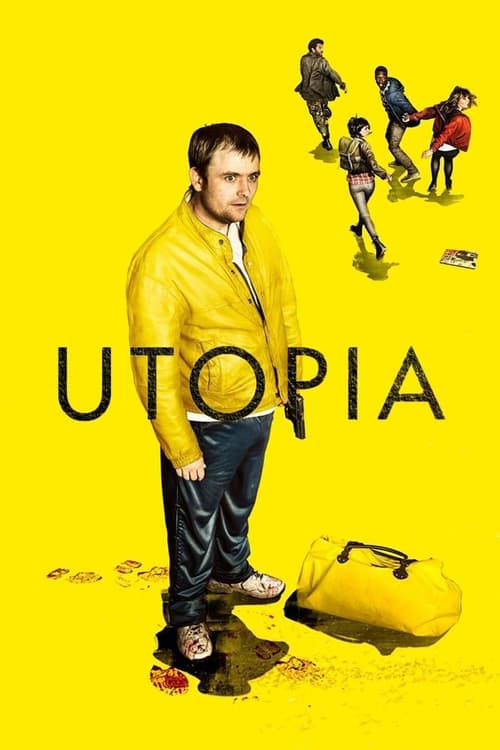
This UK *Utopia* was a visual flex, pure aesthetic dopamine for anyone online. It’s got that vibrant, almost cartoonish violence, yet the conspiracy runs deep. It felt like a graphic novel unspooling in real-time, influencing countless shows that tried to mimic its distinct look and rapid-fire pacing. The way it built its world through color and sound was revolutionary. It basically invented a new kind of 'mood board thriller' before mood boards were even a thing, setting a benchmark for hyper-stylized storytelling.
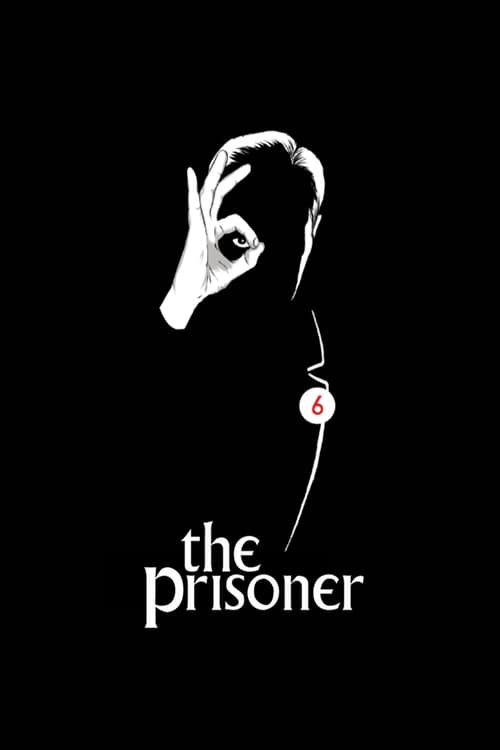
2. The Prisoner
Okay, old school, but *The Prisoner* from '67? That was a wild ride. Before prestige TV was even a concept, this show dropped you into a surreal village with no escape, questioning identity and control. It messed with your head in a way few shows dared, planting seeds for every cryptic, serialized mystery that came after. Totally proto-mind-fuck TV, and it still holds up as a masterclass in psychological tension, proving that short-form serialization could be impactful.
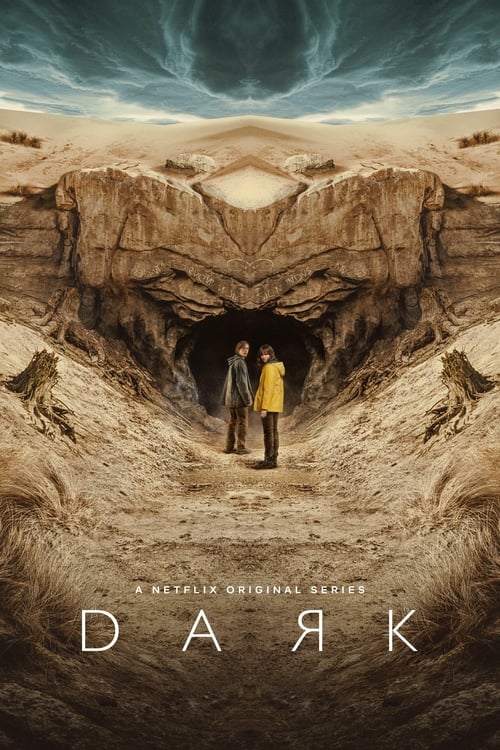
3. Dark
*Dark* felt like the ultimate Netflix puzzle box, designed for the rewatch generation. The way it weaves timelines, generations, and paradoxes is insane, demanding your full attention. It’s a masterclass in long-form, serialized storytelling that only works because you can pause, rewind, and binge. This show proved that audiences could handle immense complexity if the narrative payoff was there. German TV went global because of this, solidifying its place in streaming history.
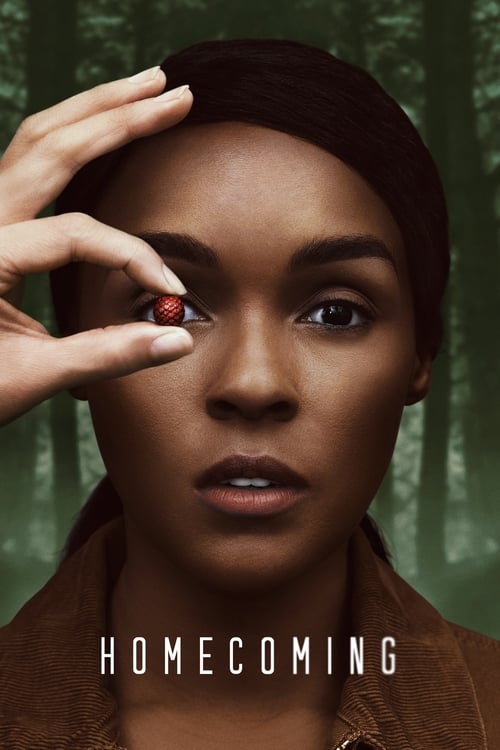
4. Homecoming
Sam Esmail’s *Homecoming* for Prime Video was a clinic in short-form, high-impact storytelling. Each episode felt like a perfectly crafted, claustrophobic film, driven by incredible sound design and stellar performances. Adapting a podcast, it showed how audio narratives could seamlessly migrate to visual mediums without losing their intimacy. It felt totally modern, like a prestige movie chopped into digestible, yet deeply unsettling, chunks for your phone, making binge-watching feel like an art form.
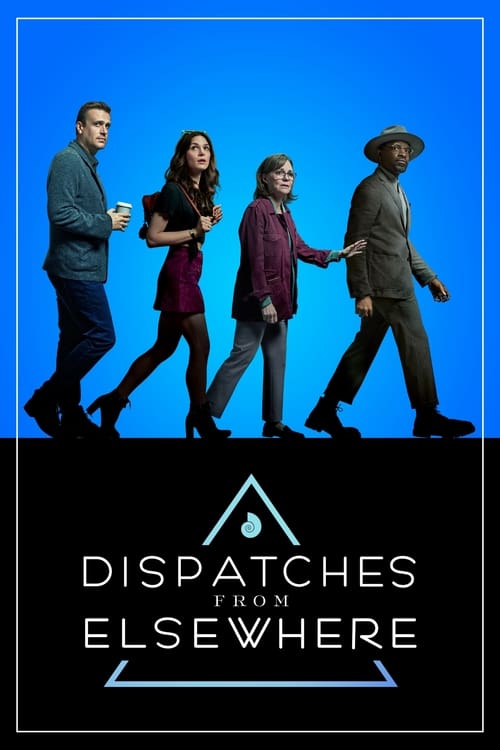
5. Dispatches from Elsewhere
This show was pure meta-game. It felt like a live-action ARG unfolding on screen, blurring the lines between reality and narrative in a way few shows attempt. It really leaned into that feeling of being a player, not just a viewer, in a grand, whimsical, yet deeply personal mystery. For anyone who grew up with internet puzzles and narrative layers, *Dispatches* hit different. It questioned what TV could even be, creating a uniquely interactive viewing experience.
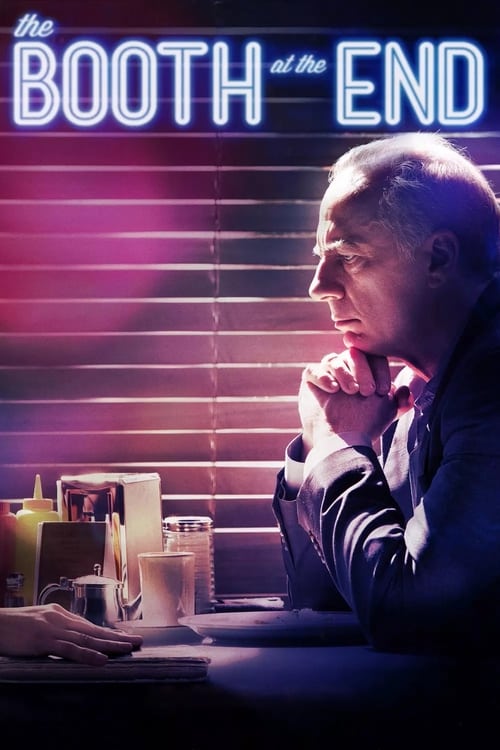
6. The Booth at the End
Talk about minimalist genius. *The Booth at the End* is just people talking in a diner, making impossible deals. But it's so tightly written and concept-driven, it feels like a morality play for the streaming age. No big sets, no huge action, just raw human psychology and consequences. It proved you don't need a massive budget to deliver a truly captivating, thought-provoking series. Just good writing and a killer hook, perfect for bingeing short, intense episodes.
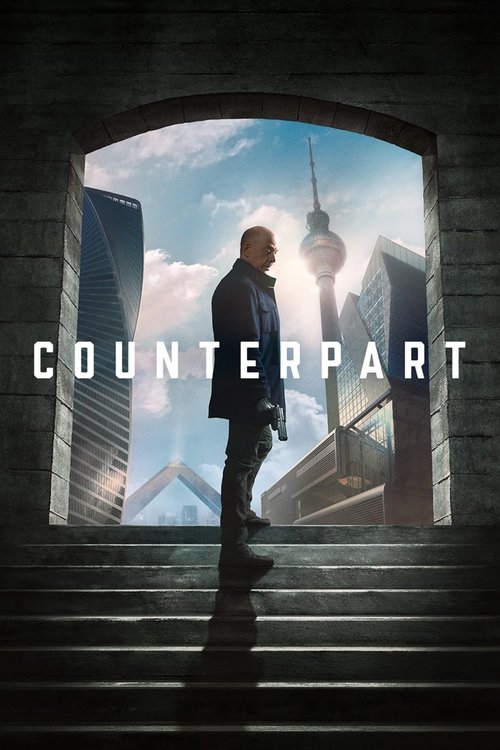
7. Counterpart
*Counterpart* took a high-concept sci-fi premise—parallel worlds with identical people—and grounded it in a gritty spy thriller. It was dense, smart, and beautifully acted, especially by J.K. Simmons playing two distinct versions of himself. This show proved that genre series could be just as intellectually stimulating and character-driven as any prestige drama, carving out a niche for complex, serialized narratives that reward careful viewing and cross-platform discussion, a true streaming gem.
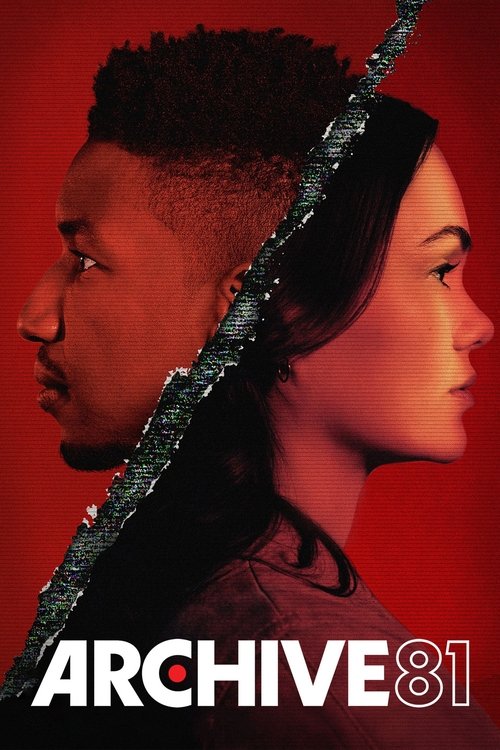
8. Archive 81
Coming from a popular podcast, *Archive 81* perfectly translated that atmospheric, slow-burn horror to the screen. It leveraged found footage and digital archiving to build a terrifying, cult-driven mystery. The way it played with non-linear storytelling and sound design was super effective, proving that horror doesn't always need cheap jump scares. It felt like a modern folk horror tale, perfectly suited for a dark room and headphones, showing how podcast narratives migrate to visual, serialized formats.