

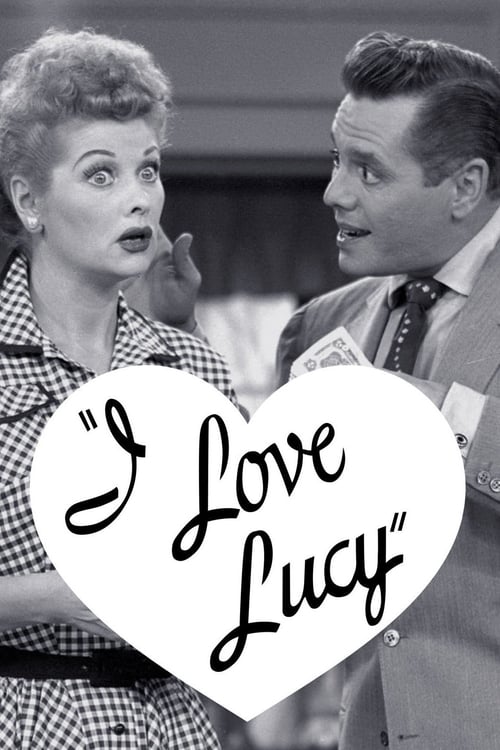
1. I Love Lucy
Oh, Lucy. Before videotape, before color, this was the gold standard for a sitcom. Every week, a new scheme, and Lucille Ball's face, well, it was a whole language in itself. The energy, the timing, it all felt so immediate, like you were right there in the living room with them. And that live audience reaction? Absolutely essential to the rhythm. It just worked.

2. The Twilight Zone
Now, this was television that made you think, sometimes even shiver. Rod Serling had a way with words, setting up these peculiar little worlds, often in stark black and white, that felt both familiar and utterly alien. Every episode was a self-contained play, a parable, often with a twist that stuck with you long after the credits rolled. And the atmosphere? Unforgettable.

3. The Ed Sullivan Show
Sunday nights, you just had to tune in. Sullivan wasn't much of a showman himself, but he knew how to put on a show. From rock and roll to circus acts, opera to comedy, it was all there, live on stage. It was a true melting pot of talent, often raw, sometimes awkward, but always compelling because it was happening *right now*. A real snapshot of an era.
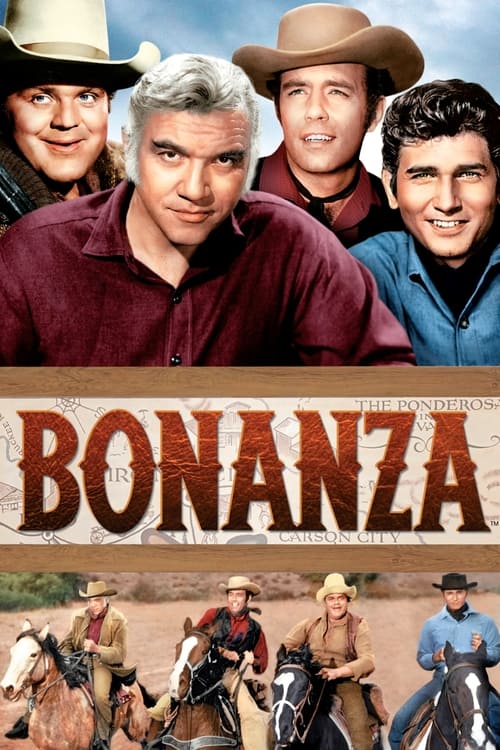
4. Bonanza
The Cartwrights, riding across the Ponderosa, that was Sunday night. This was one of the first big hits in color, and those landscapes really popped. It was more than just cowboys and shootouts, though. This was about family, about upright men facing down the challenges of the frontier. A solid, steady drama that became a cornerstone for a generation. And the theme song, unforgettable.
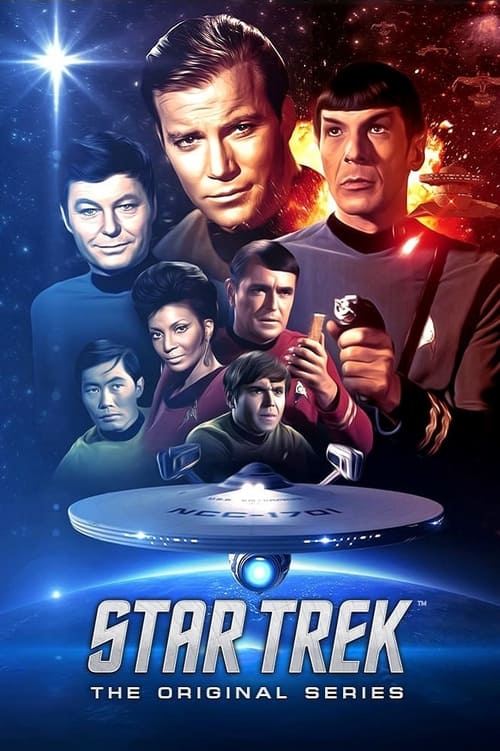
5. Star Trek
Gene Roddenberry really gave us something special with this one. A starship exploring strange new worlds, sure, but it was also about humanity's future, about big ideas. Each week offered a new adventure, often with a moral or social commentary woven in. The characters became like family, and the way they tackled the unknown, well, it just captured the imagination like nothing else.

6. All in the Family
Archie Bunker, he certainly got people talking. This wasn't your typical lighthearted sitcom; it tackled real issues, often right in your living room. The arguments around that dinner table, they reflected what people were discussing across the country. It proved that comedy could be sharp, could be provocative, and still bring families together to watch. A genuine game-changer, that show.
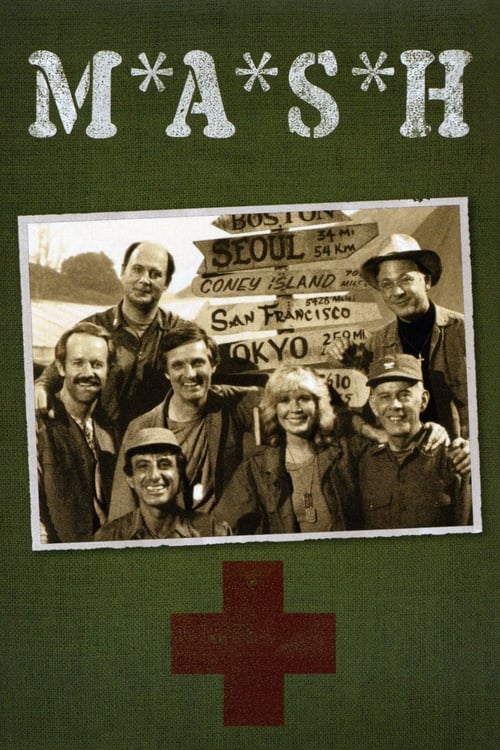
7. M*A*S*H
Laughter and tears, sometimes in the same scene. This show managed to find humor amidst the grim reality of war, but it never trivialized it. The ensemble cast was just phenomenal, and you really felt like you were part of that mobile army surgical hospital. It matured over time, evolving from pure comedy to something deeper, showing the true cost of conflict. A classic, no doubt.
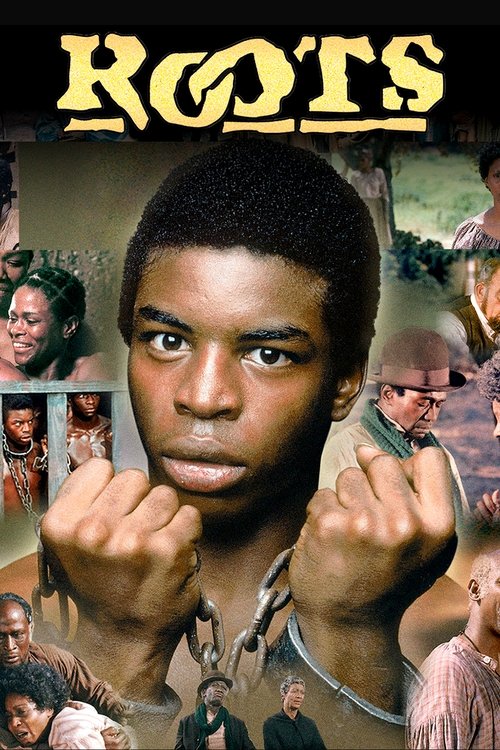
8. Roots
Now, this was an event. When *Roots* aired, the whole country stopped to watch. It wasn't just a TV show; it was a history lesson, told with incredible power and drama. The idea of following a family through generations, that was groundbreaking for television. It showed what a miniseries could achieve, making history intensely personal and utterly unforgettable for millions.
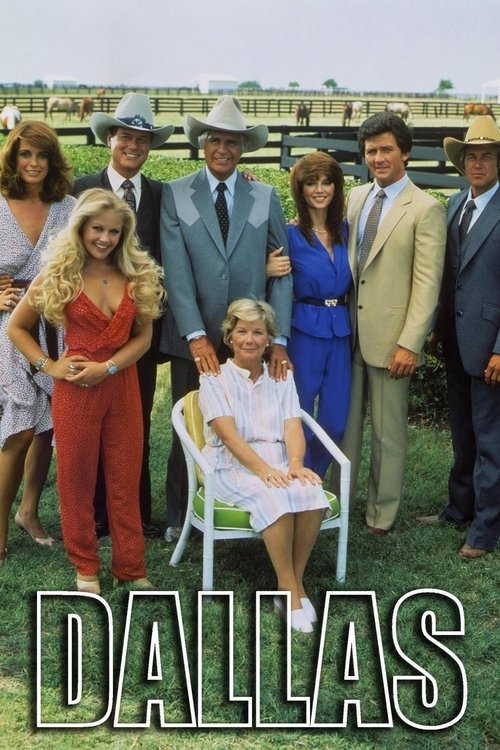
9. Dallas
And then there was *Dallas*. The Ewings, their oil, their feuds—it was pure, unadulterated melodrama, and folks ate it up. This show really perfected the art of the cliffhanger, especially that "Who Shot J.R.?" business. It stretched out storylines for seasons, keeping viewers hooked with every twist and turn. A true pioneer in serialized storytelling, defining the prime-time soap.
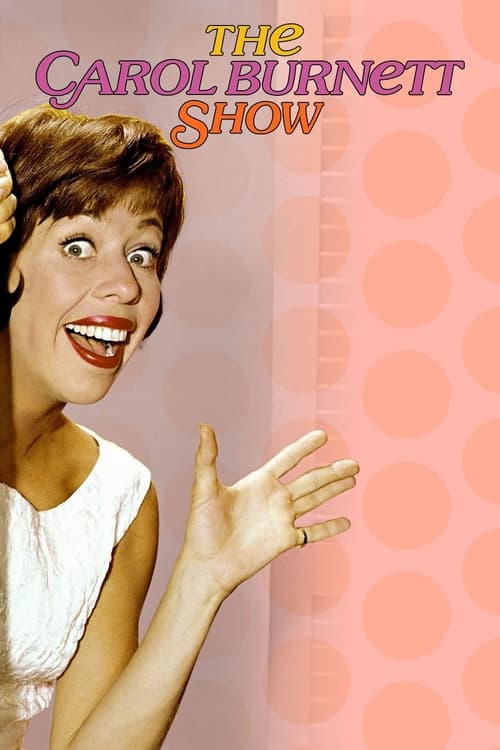
10. The Carol Burnett Show
If you wanted a good laugh on Saturday night, you watched Carol. Her show was a masterclass in sketch comedy, with a brilliant ensemble that just sparkled. The genuine camaraderie among the cast, the musical numbers, the audience participation—it all made for truly delightful television. And when Carol pulled her ear? You knew it was just good, wholesome fun.

11. The Fugitive
Dr. Richard Kimble, always on the run, always just a step ahead of Lt. Gerard. This was nail-biting television, week after week. The black-and-white cinematography really enhanced the sense of isolation and urgency. It was one of the earliest examples of a serialized drama keeping you coming back, not just for a new story, but to see the ongoing plight of one man. Pure suspense.