
1. Naked City
Route 66 was something else, wasn't it? Two young fellas, Tod and Buz, later Glenn, just driving that Corvette across America, landing in a new town, meeting new people, solving a problem or two. It was an adventure, sure, but it also showed you the country, warts and all, through a dramatic lens. Never stayed in one place long enough to get stale, and the stories were often quite poignant.
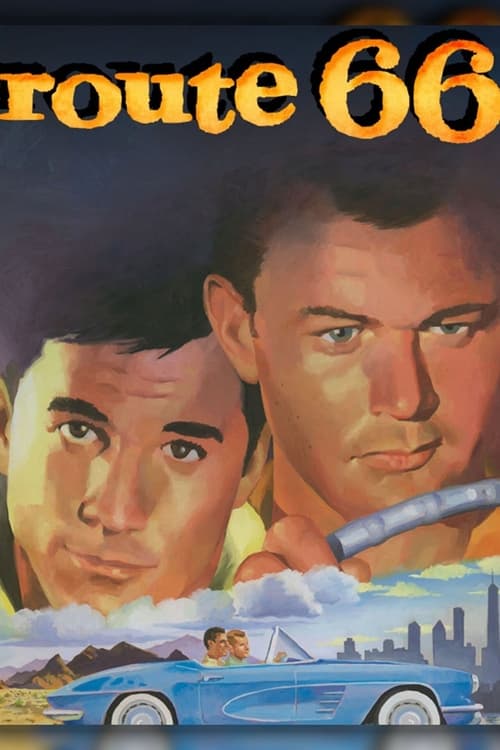
2. Route 66
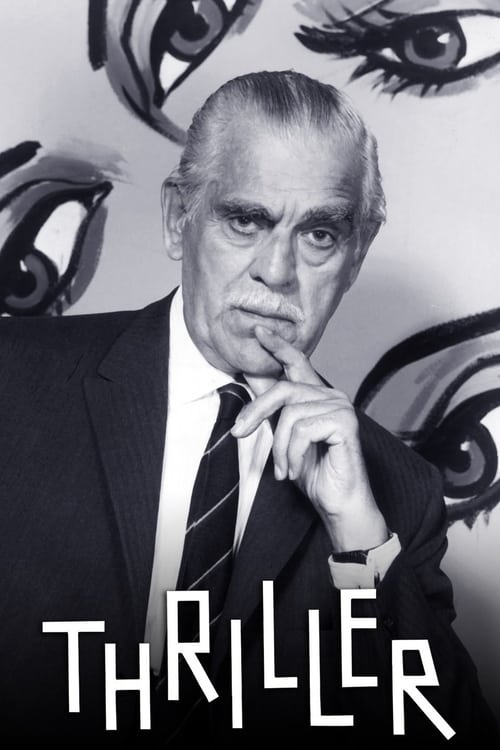
Oh, "Thriller" with Boris Karloff! Now that was proper suspense, a real treat for a Friday night. Before Rod Serling had the corner on the market, Karloff introduced tales that genuinely made your hair stand on end. Not just monsters, mind you, but psychological dread, shadowy figures, and a creeping sense of unease. Black and white just amplified the gloom, gave it that classic horror movie feel.
3. Thriller
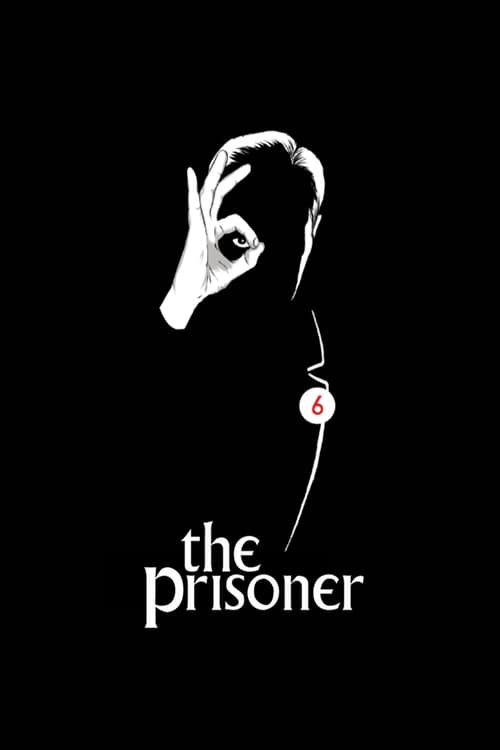
"The Prisoner" was a head-scratcher, even back then. Patrick McGoohan, after "Danger Man," just quit, and then wakes up in this strange Village. Who was Number One? What was it all about? Every episode piled on more mystery, more surrealism. It wasn't your typical weekly wrap-up; this was long-form storytelling trying to say something big, and it certainly left you thinking.
4. The Prisoner
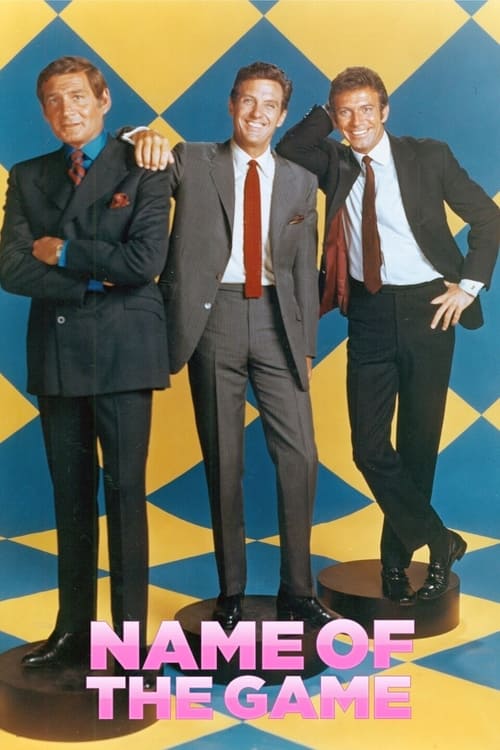
"The Name of the Game" was an ambitious one, a truly big swing for its time. Three movie stars—Robert Stack, Tony Franciosa, Gene Barry—each taking turns as the lead in their own hour-and-a-half episode. They were all journalists for a big publishing empire, so you had this loose continuity, but mostly it was three distinct shows under one banner. Grand and glossy, a real broadcast spectacle.
5. The Name of the Game
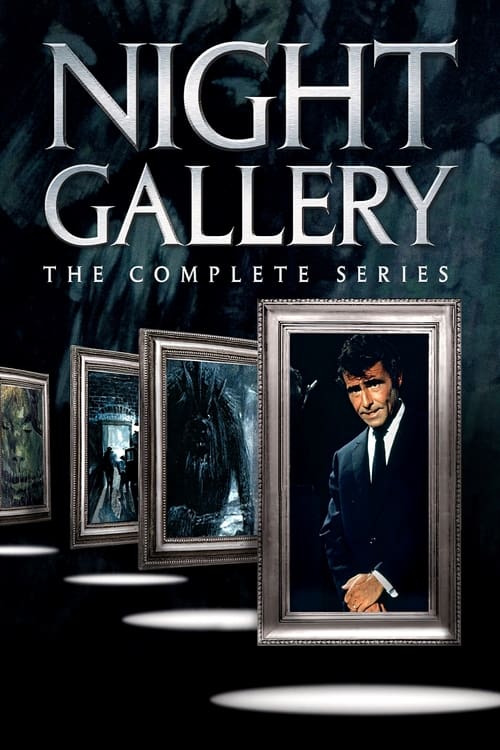
And then there was "Night Gallery." Rod Serling, after "Twilight Zone," giving us a darker, often more macabre, vision. Each segment introduced by a painting, setting the mood for tales of the supernatural, the grotesque, or just plain human folly. It had a different flavor, less morality play, more chilling short story. Some real gems in there, even if it could be a bit uneven.
6. Night Gallery
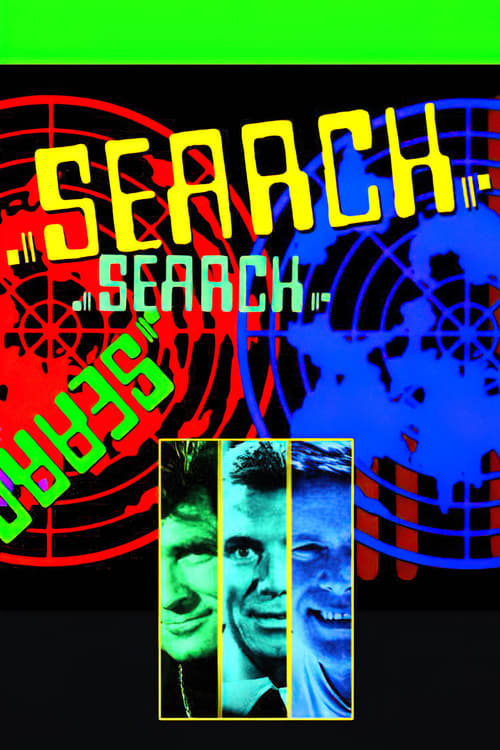
"Search" was ahead of its time, really. Hugh O'Brian, Tony Franciosa again, and Doug McClure as agents for World Security Patrol, wearing these high-tech monitoring devices. They were called "Probes." Imagine a spy show where the control room was constantly feeding data to the field agent through an earpiece. It felt futuristic, almost a precursor to some of the networked tech we see today. Very slick for '72.
7. Search
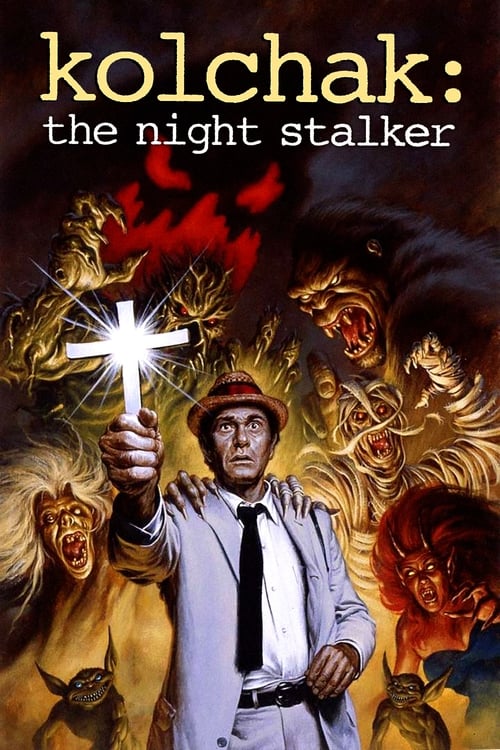
Kolchak, the Night Stalker! Darren McGavin as that rumpled reporter, always stumbling onto some supernatural creature, and nobody ever believing him. It was a monster-of-the-week show, sure, but Kolchak’s frustration and sardonic wit made it more than that. He just kept digging, trying to expose the truth, even when it meant fighting vampires or golems. A cult classic, no doubt about it.
8. Kolchak: The Night Stalker
Oh, Garry Shandling. Now, this one really broke the mold. He knew he was on a TV show, and so did we. He talked to the audience, walked through the sets, brought out the theme song writer—it was all very meta, before that word was even common. It took the sitcom structure and just shattered it, playing with expectations in a way broadcast television hadn't dared to do before. A real smart aleck.