1. Twin Peaks
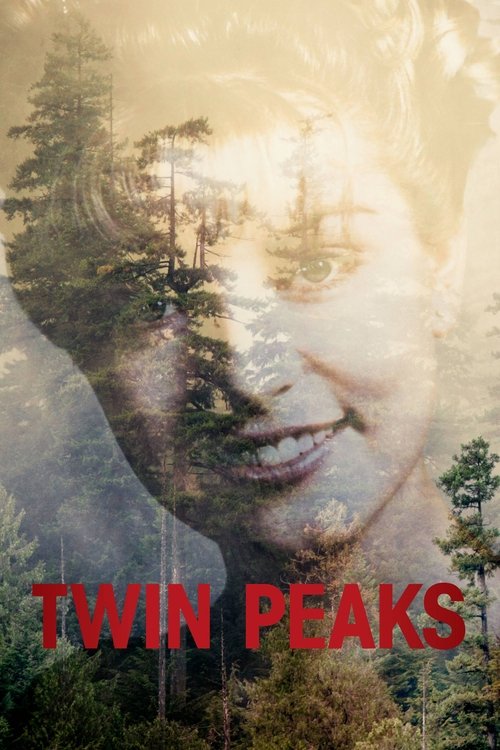
Before everyone was binging serialized mysteries, there was Twin Peaks. Lynch and Frost blew up the network procedural, injecting cinematic ambition and a thick layer of surrealism into a primetime murder mystery. It wasn't just a whodunit; it was an atmospheric experience, proving television could be art, demanding viewer investment long before DVRs made it easy to keep up with every clue.
2. The Larry Sanders Show
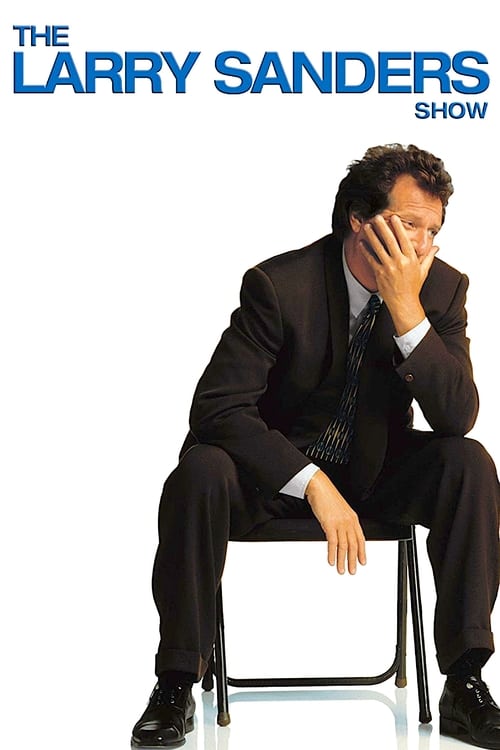
This show practically invented the backstage comedy, ripping open the veneer of late-night television with uncomfortable, brilliant realism. Gary Shandling's neurotic host and his equally messed-up staff felt so authentic, it pioneered the mockumentary style for narrative drama. It was smart, cynical, and showed HBO wasn't just for boxing and movies; they were going to redefine comedy, too.
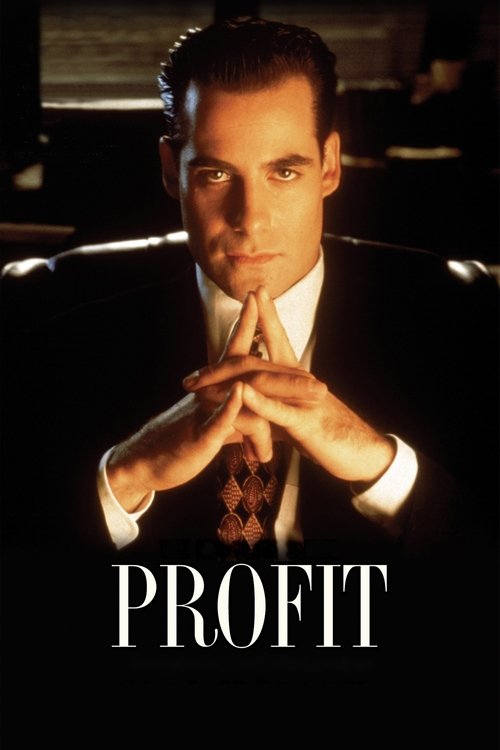
3. Profit
Talk about being ahead of its time. *Profit* was a corporate psychopath's origin story, a truly cynical look at capitalism with a protagonist who'd make Walter White blush. Fox probably didn't know what to do with its anti-hero, cancelling it quickly, but it signaled a darker, riskier storytelling impulse brewing in the mid-90s, hinting at the morally ambiguous characters cable would later embrace.
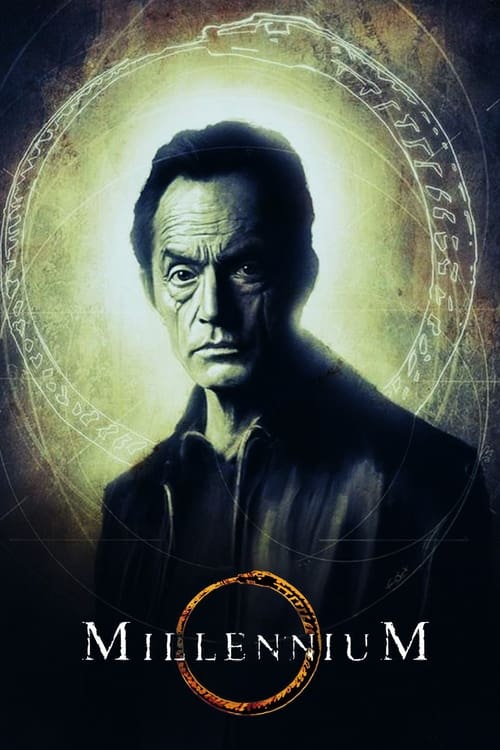
4. Millennium
From the *X-Files* team, *Millennium* plunged into the darker corners of humanity and supernatural evil. It was grim, atmospheric, and deeply unsettling, exploring serial killers and apocalyptic dread with a psychological intensity that network TV rarely dared. It was serialized storytelling at its most oppressive, proving that genre shows could be profoundly disturbing and intellectually challenging.
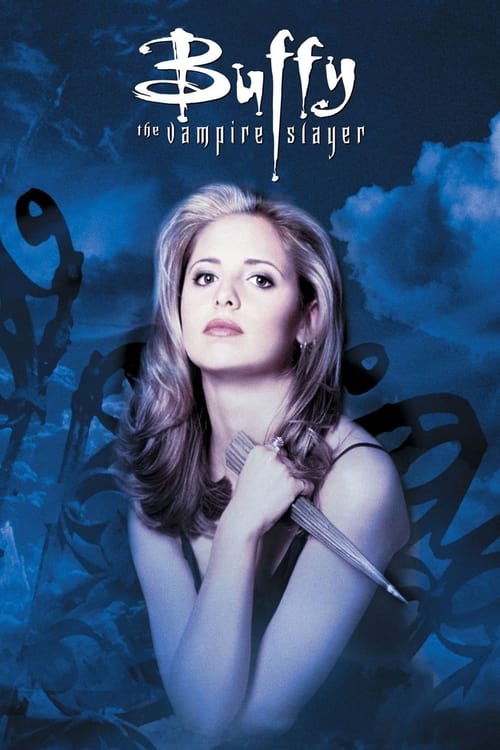
5. Buffy the Vampire Slayer
Don't let the title fool you. *Buffy* wasn't just about a girl slaying monsters; it was a masterclass in serialized character development and emotional stakes, wrapped in smart, witty dialogue. It blended horror, comedy, and drama effortlessly, building a rich ensemble and proving that genre TV could explore complex themes of growing up, loss, and power with genuine depth and impact.
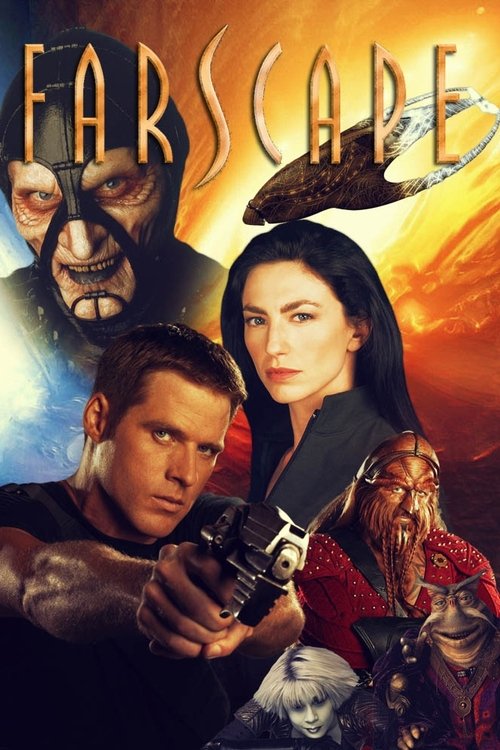
6. Farscape
*Farscape* was the Sci-Fi Channel's wild, weird bet. It eschewed sleek starships for organic, living vessels and mind-bending practical creature effects. It delivered complex, serialized space opera with a genuine sense of alienness and a dark humor that few sci-fi shows attempted. It pushed boundaries in storytelling and visual design, proving cable could craft ambitious, imaginative epics.
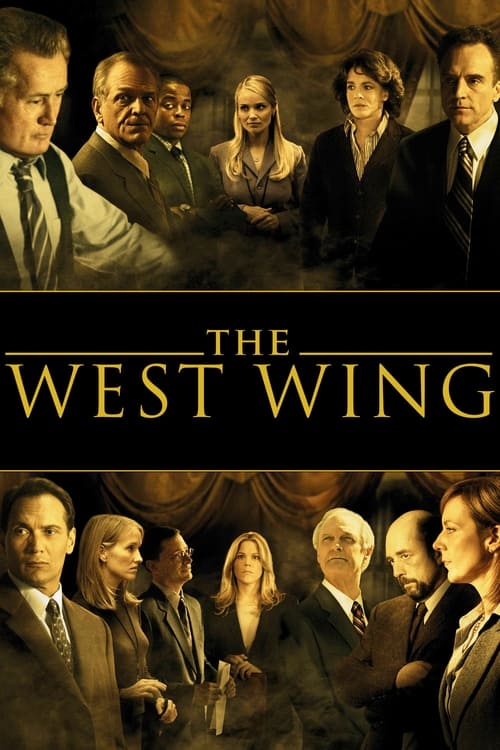
7. The West Wing
Aaron Sorkin's walk-and-talk masterpiece brought prestige drama to network television with sharp, intelligent dialogue and an idealistic view of politics. It balanced an incredible ensemble cast, making policy debates feel like high-stakes drama. This show raised the bar for network storytelling, proving audiences would tune in for smart, serialized narratives about complex adult issues, every single week.
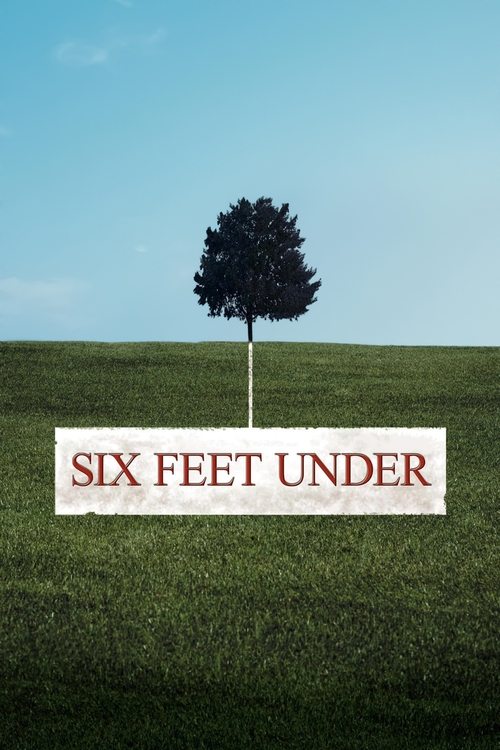
8. Six Feet Under
HBO's *Six Feet Under* dug deep into the messy, beautiful reality of life and death through the lens of a family running a funeral home. It was darkly funny, profoundly moving, and unflinchingly honest about human relationships. With its serialized character arcs and willingness to explore uncomfortable truths, it solidified HBO's reputation for groundbreaking, adult drama, with a cinematic touch.
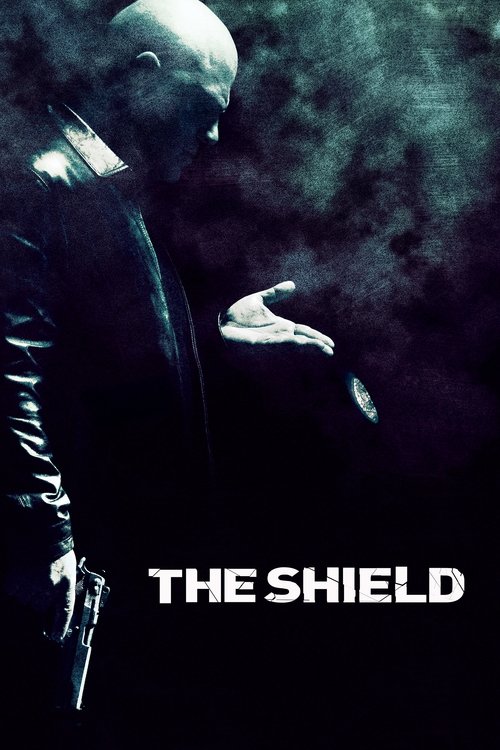
9. The Shield
This was FX planting its flag. *The Shield* was raw, brutal, and introduced a new kind of anti-hero in Vic Mackey, blurring the lines between cop and criminal. Its shaky-cam aesthetic and morally ambiguous storytelling felt genuinely cinematic, pushing the boundaries of what a police drama could be. It cemented cable's willingness to go dark and unflinching, and audiences ate it up.
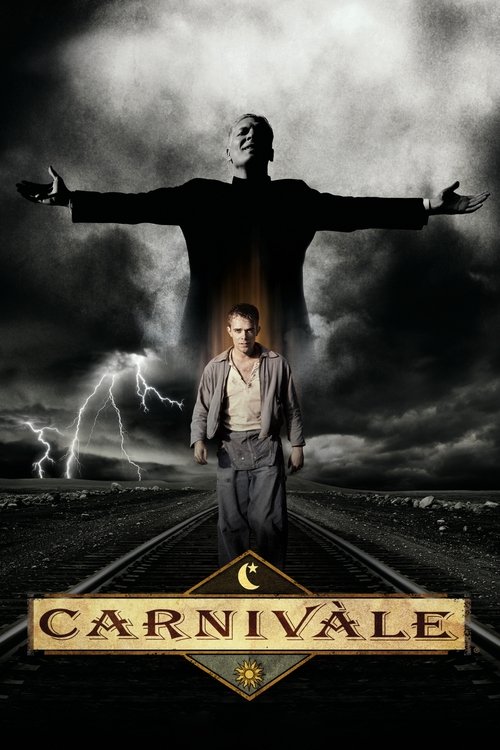
10. Carnivàle
HBO really swung for the fences with *Carnivàle*. This show was a visually stunning, deeply weird, and incredibly ambitious serialized epic set in a Depression-era dust bowl carnival. Its blend of mysticism, gritty realism, and grand mythology was unlike anything else on TV, showcasing cable's willingness to invest heavily in unique, cinematic, and often unsettling visions, even if it didn't finish its story.
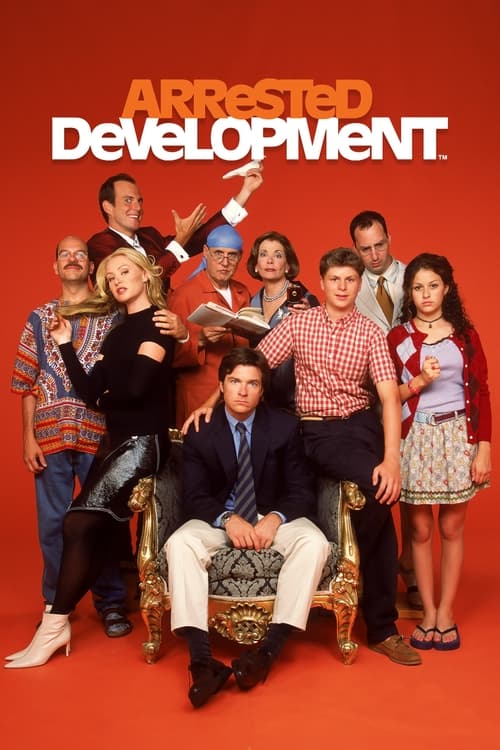
11. Arrested Development
*Arrested Development* was a comedy masterpiece, packed with dense, referential jokes and a brilliant mockumentary style. Its rapid-fire pacing and self-aware humor rewarded repeat viewings, making it an early favorite for the emerging on-demand culture, where you could finally catch every single gag. It was smart, original, and redefined what a sitcom could be, proving comedy could be as intricately layered as any drama.