
1 / 10
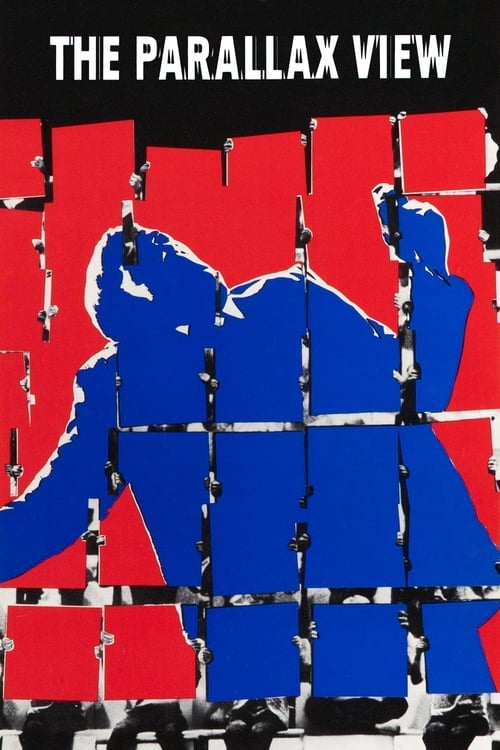
1. The Parallax View
This 1974 Alan J. Pakula film is peak ’70s paranoia, a chilling deep dive into a world where everything feels rigged. Warren Beatty plays a journalist stumbling onto a vast conspiracy, and the film’s stark, almost clinical cinematography makes the creeping dread palpable. It’s less about explosive action and more about the suffocating feeling of being watched, manipulated, and ultimately, erased. If you think things are bad now, this movie will confirm your worst suspicions about power structures. A truly unsettling experience.
2 / 10
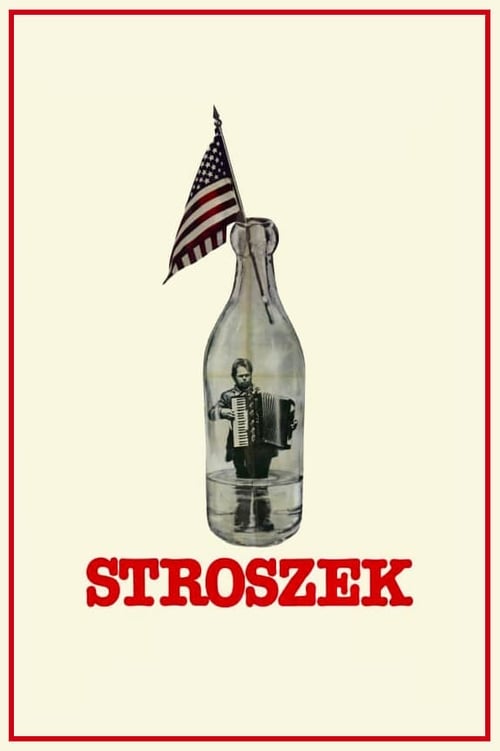
2. Stroszek
Werner Herzog's 1977 masterpiece follows Bruno S., an ex-con street musician, as he tries to find a new life in rural Wisconsin. It's a raw, often bleak, and deeply empathetic look at the futility of chasing the "American Dream" when you're already broken. Herzog's signature blend of documentary realism and profound melancholy shines through every frame. Don't expect easy answers; expect a profound, almost uncomfortable, encounter with human vulnerability and the harsh realities of existence.
3 / 10
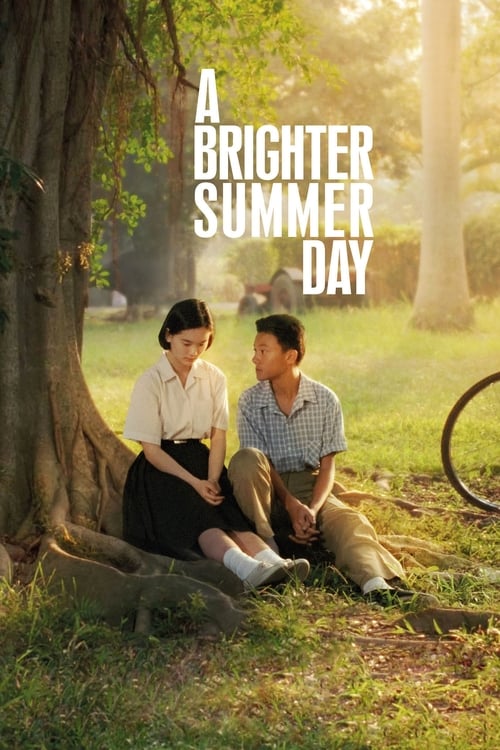
3. A Brighter Summer Day
Edward Yang’s 1991 epic is a stunning, sprawling portrait of youth, identity, and violence in 1960s Taipei. Clocking in at almost four hours, it demands your attention but rewards it tenfold with its intricate character work and atmospheric detail. This isn't just a coming-of-age story; it's a profound examination of a nation in flux, viewed through the lens of a tragic, real-life murder. It’s a foundational piece of world cinema that resonates long after the credits roll.
4 / 10
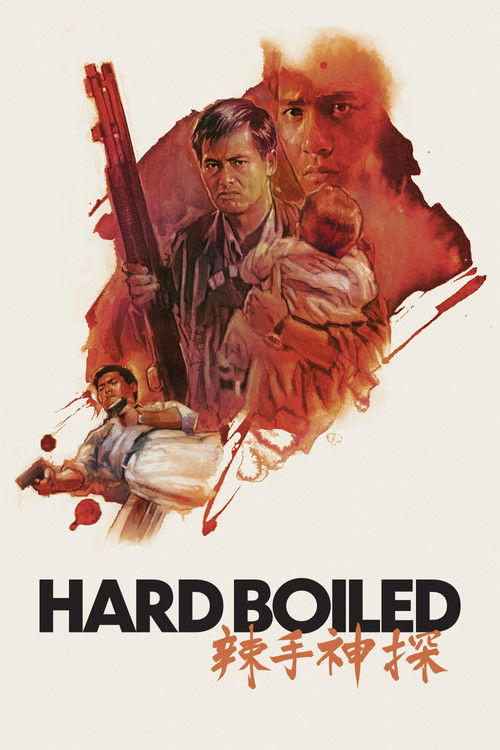
4. Hard Boiled
John Woo’s 1992 action extravaganza is pretty much the definitive "gun-fu" movie. Chow Yun-Fat as Inspector Tequila is at his absolute coolest, navigating a ridiculously high body count with dual pistols and an endless supply of slow-motion doves. The hospital shootout sequence alone is a masterclass in choreographed chaos, a ballet of bullets and broken glass that redefined action cinema for a generation. It’s pure, unadulterated adrenaline, often imitated but rarely, if ever, surpassed.
5 / 10
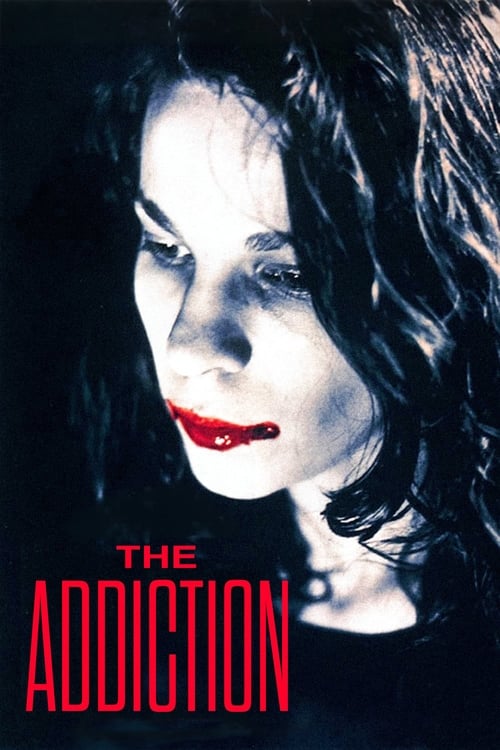
5. The Addiction
Abel Ferrara’s 1995 vampire film is less about fangs and capes and more about intellectual and spiritual decay. Shot in striking black and white, it follows a philosophy student who becomes a vampire and grapples with the existential implications of her new existence. It’s a bleak, cerebral, and often disturbing exploration of addiction, sin, and the human condition, wrapped in a gritty, New York art-house package. This isn't your sparkly kind of vampire story, trust me.
6 / 10
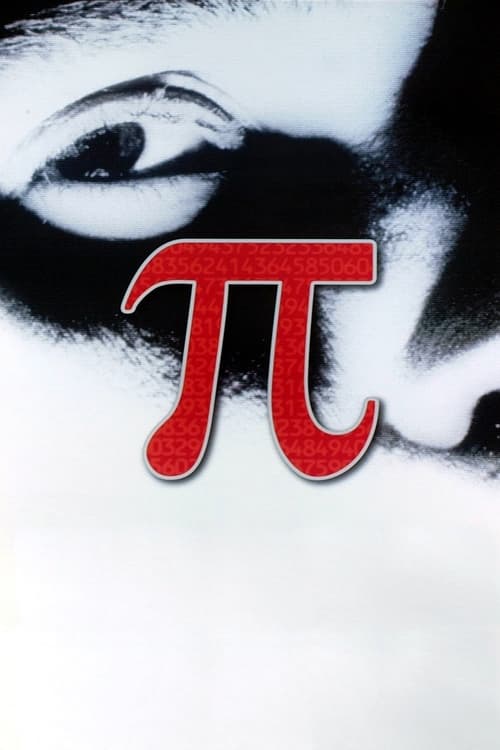
6. Pi
Darren Aronofsky's 1998 debut feature is a relentless, black-and-white dive into the mind of a brilliant, obsessive mathematician convinced he can find patterns in the stock market, and perhaps, the universe. It’s a claustrophobic, paranoia-fueled thriller that uses dizzying visuals and an intense soundtrack to convey its protagonist’s escalating mental breakdown. This isn't light viewing; it's a visceral, mind-bending experience that will leave you questioning the fabric of reality and the price of genius.
7 / 10
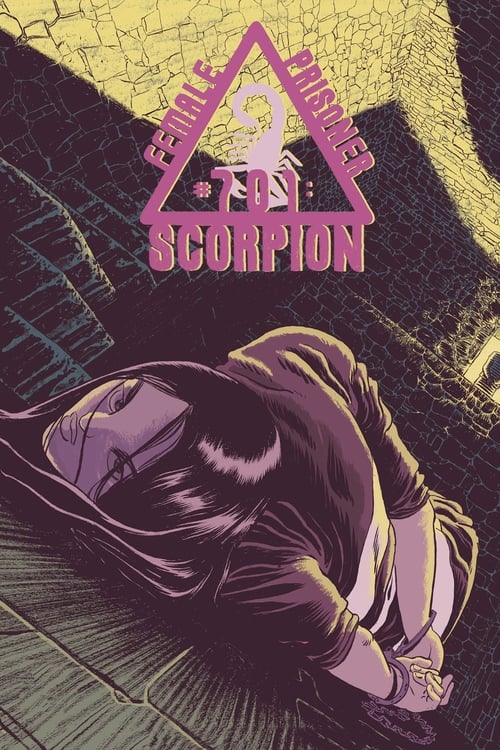
7. Female Prisoner #701: Scorpion
This 1972 Japanese exploitation classic stars the iconic Meiko Kaji as Sasori (Scorpion), a woman wrongly imprisoned who embarks on a brutal, stylish, and utterly relentless quest for revenge. It's a visually audacious film, dripping with vibrant colors and surreal imagery, that pushes boundaries with its depiction of violence and psychological torment. Forget subtlety; this is pure, unadulterated, genre-defining grindhouse cinema, deeply influential and unapologetically fierce. You won't forget Sasori.
8 / 10
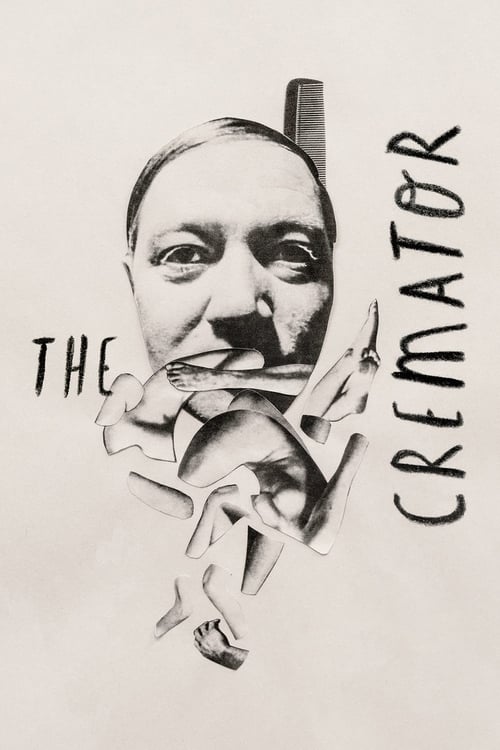
8. The Cremator
Juraj Herz's 1969 Czech New Wave gem is a chilling, darkly comedic, and surreal descent into madness. Karel Kopfrkingl, a cremator, embraces the Nazi ideology with terrifying enthusiasm, believing cremation liberates souls. Shot with grotesque beauty and featuring a mesmerizing performance, it’s a masterclass in psychological horror and political allegory. The film’s unsettling atmosphere and unique visual style make it a truly unforgettable, and deeply disturbing, cinematic experience. It’s grim, but brilliantly so.
9 / 10
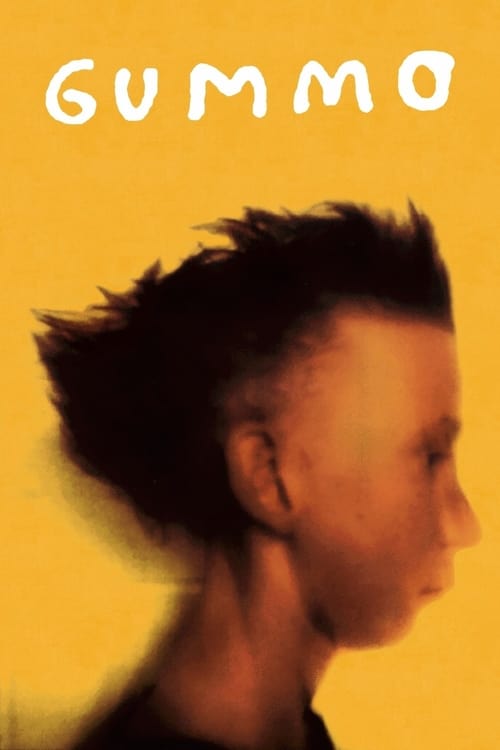
9. Gummo
Harmony Korine’s 1997 debut is a polarizing, aggressively unconventional portrait of life in a post-tornado Ohio town. It’s a mosaic of vignettes featuring disaffected youth, animal cruelty, and unsettling Americana, shot with a raw, almost documentary-like aesthetic. *Gummo* isn't concerned with plot or character development in the traditional sense; it’s an uncomfortable, often repulsive, but undeniably captivating glimpse into a forgotten underbelly of America. Prepare to be challenged, and maybe a little disturbed.
10 / 10
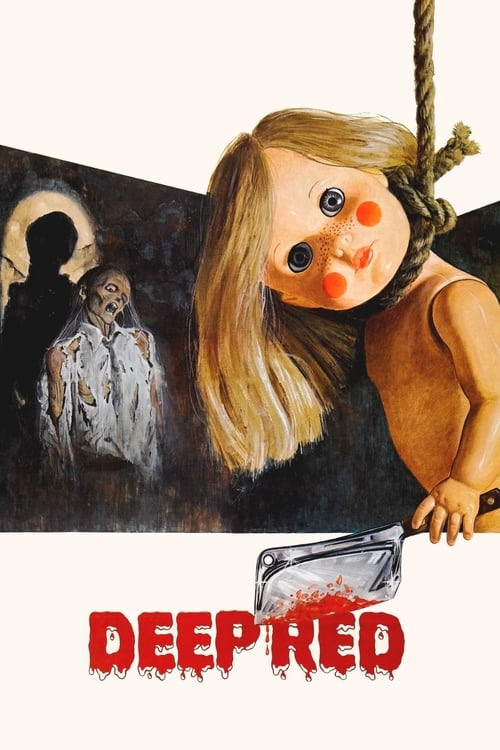
10. Deep Red
Dario Argento’s 1975 masterpiece is arguably the pinnacle of the Giallo genre, a stylish, blood-soaked mystery that will keep you guessing. A jazz pianist witnesses a brutal murder and teams up with a feisty journalist to uncover the killer’s identity. Argento’s signature use of vibrant colors, elaborate death sequences, and a haunting Goblin soundtrack create an atmosphere of unparalleled suspense and baroque horror. It’s a pure adrenaline rush of visual splendor and psychological twists.