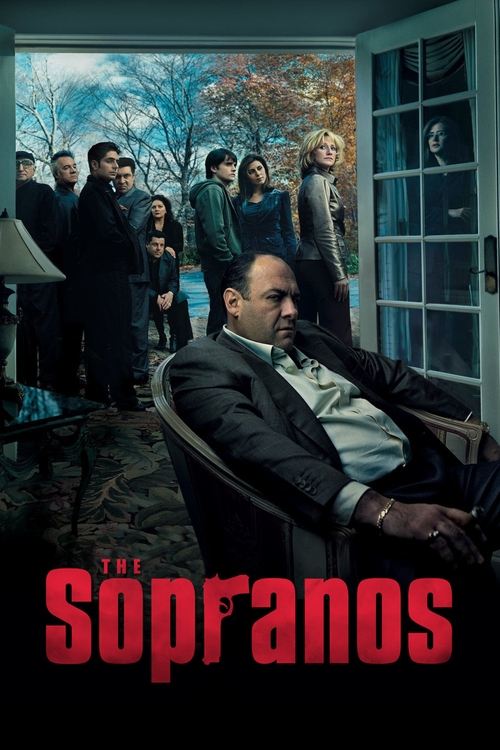
1. The Sopranos
Before Tony, TV anti-heroes were a different breed. This wasn't just a mob show; it was a deep dive into American suburbia, therapy, and the brutal cost of legacy. HBO let it breathe, allowing for long-form character arcs and moral ambiguity that shattered the old episodic mold. It proved television could be as complex and cinematic as any feature film, all while keeping you glued to the screen week after week.
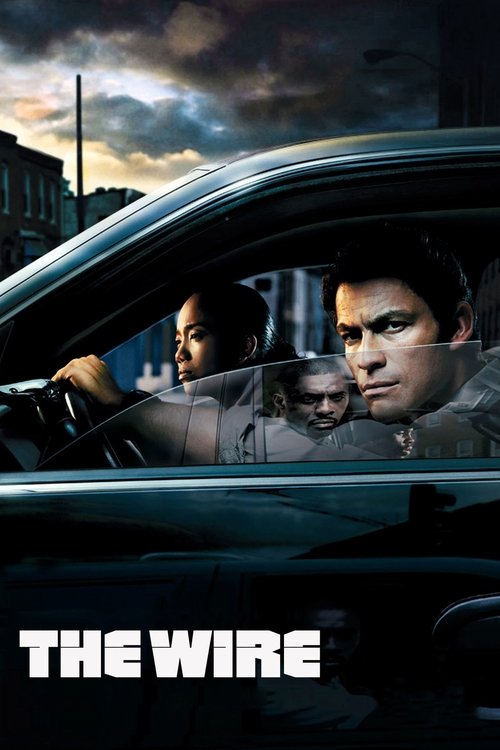
2. The Wire
Forget good guys and bad guys; this show understood systems. It wasn't about catching a killer, but dissecting the institutions that shape a city – schools, politics, media. Its ensemble cast was immense, each storyline meticulously woven into a sprawling, novelistic narrative. It demanded attention, rewarding viewers who stuck with its slow burn and intricate, almost documentary-style realism, making every season feel like a new, unflinching book.

3. Six Feet Under
Death was just the beginning here. This show took a morbid premise – a family running a funeral home – and turned it into an exquisite, darkly humorous exploration of life, grief, and dysfunction. Its serialized structure allowed for incredibly nuanced character development, and those surreal opening death scenes set a tone that was both unsettling and profoundly human. It felt intimate, almost voyeuristic, a masterclass in emotional storytelling.
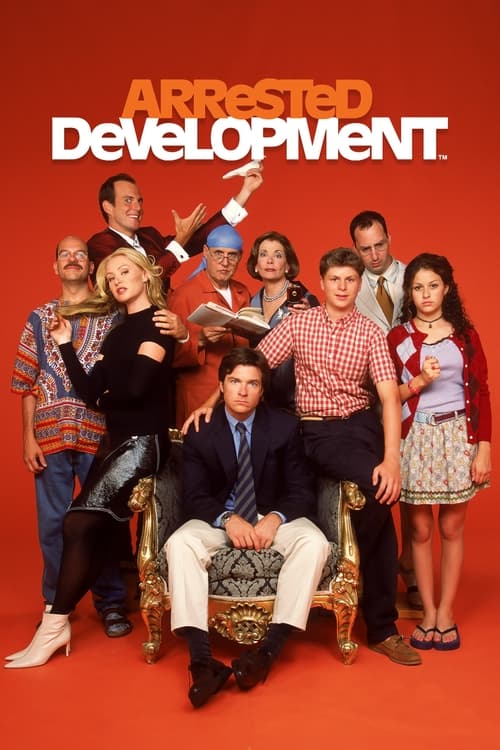
4. Arrested Development
This was a comedy built for the burgeoning re-watch culture, a mockumentary packed with running gags and callbacks that rewarded obsessive viewing. Its rapid-fire wit and dense layering of jokes were revolutionary, almost too smart for network TV. It proved that sitcoms didn't need laugh tracks or simple plots; they could be cinematic, complex, and hilarious, setting a new bar for intelligent, genre-bending comedy.
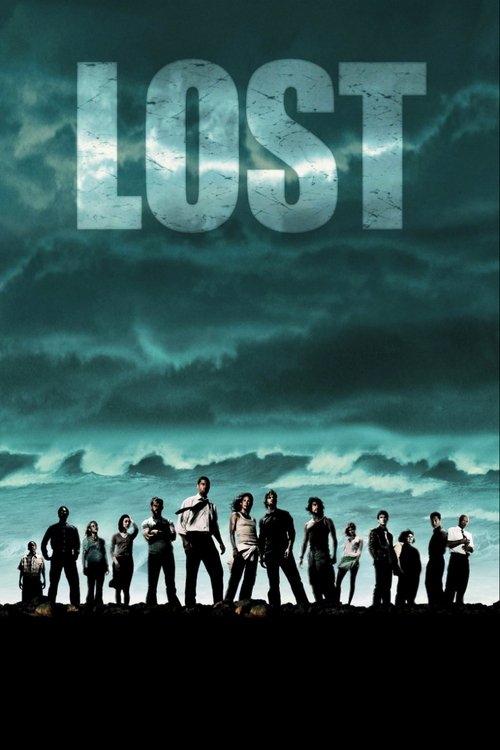
5. Lost
This show changed the game for serialized mysteries, blending sci-fi, drama, and character flashbacks into an addictive, watercooler phenomenon. Its cinematic scope, epic mythology, and massive ensemble cast kept audiences theorizing for days. It wasn't just appointment viewing; it was a shared cultural event, pushing the boundaries of what a network show could achieve in terms of ambition and long-form, interconnected storytelling.
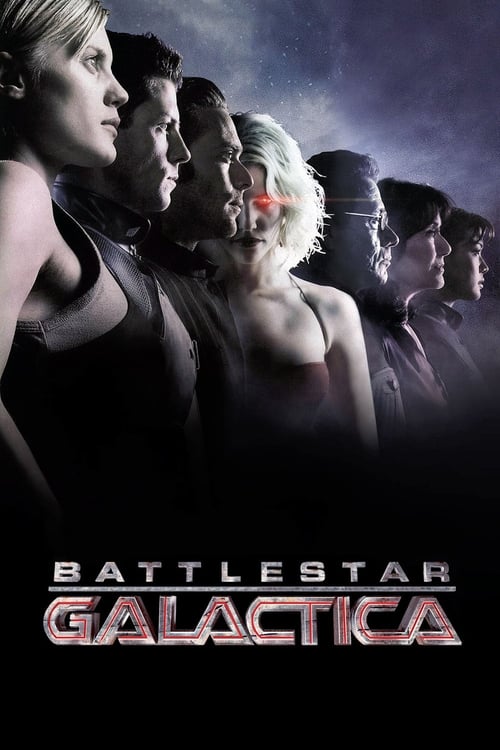
6. Battlestar Galactica
More than just a sci-fi reboot, this was a grim, politically charged allegory wrapped in a space opera. It tackled themes of religion, war, and humanity's survival with brutal honesty and moral ambiguity. Its serialized storytelling and cinematic production values elevated the genre, making it prestige television that just happened to be set among the stars. It proved sci-fi could be dark, gritty, and deeply philosophical.
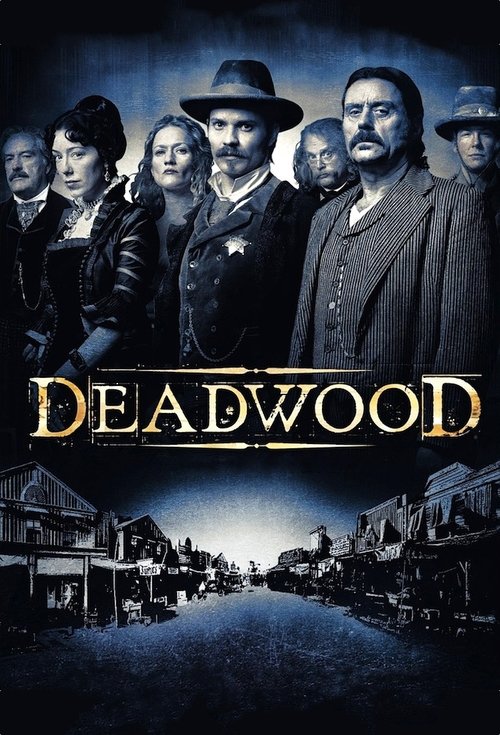
7. Deadwood
HBO didn't just push boundaries; they obliterated them with this one. A foul-mouthed, philosophical Western, it was less about gunfights and more about the brutal birth of civilization. Its elevated, almost Shakespearean dialogue, coupled with its unflinching look at human nature, created an immersive, serialized experience. The raw, grimy aesthetic and complex ensemble felt like stepping into history, a truly unique and daring piece of television.
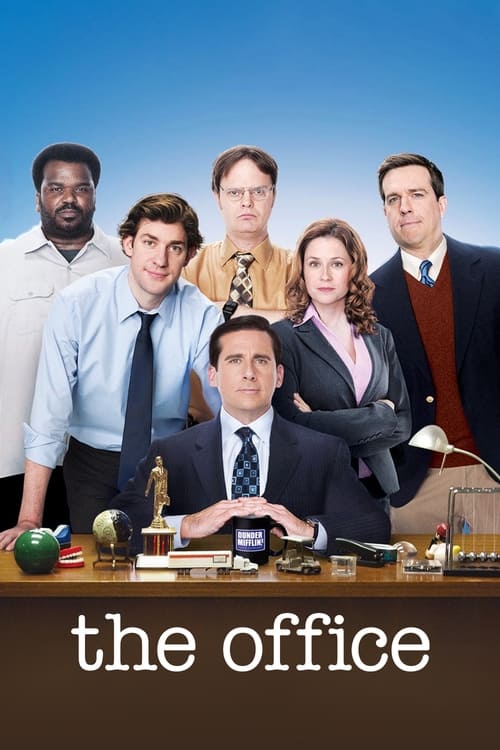
8. The Office
The American version cemented the mockumentary as a mainstream comedy format. It captured the excruciating hilarity and awkward charm of everyday workplace life with a subtle, character-driven humor that felt incredibly real. It built an emotional core over its run, proving that a show shot like a documentary could be both deeply funny and genuinely touching, influencing countless sitcoms that followed its groundbreaking style.
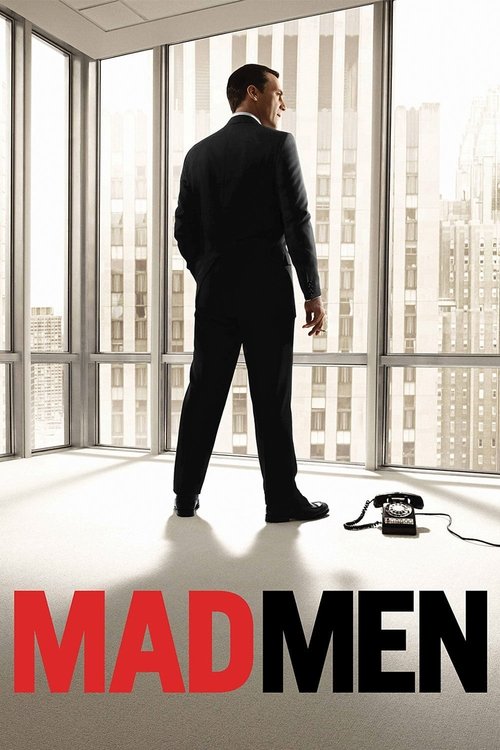
9. Mad Men
Stepping into the 1960s, this show was a masterclass in period detail and psychological depth. It wasn't just about Madison Avenue; it was an examination of identity, ambition, and the changing American landscape. Its cinematic visuals, meticulous production design, and slow-burn character studies redefined prestige drama, proving that quiet moments and internal turmoil could be just as compelling as any explosive action sequence.
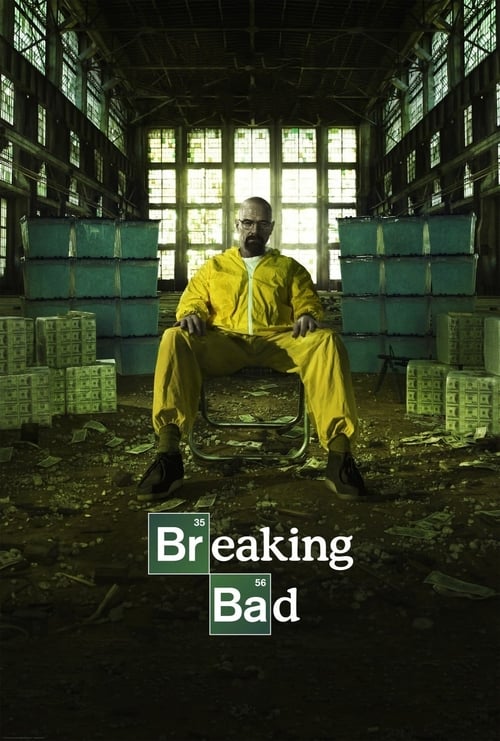
10. Breaking Bad
Vince Gilligan gave us the ultimate anti-hero journey, a serialized descent into darkness that was meticulously plotted and visually stunning. It escalated with every episode, turning a mild-mannered teacher into a meth kingpin with terrifying precision. The cinematic quality, the moral decay, and the sheer audacity of its storytelling cemented it as a benchmark for serialized drama, proving TV could be truly transformative.
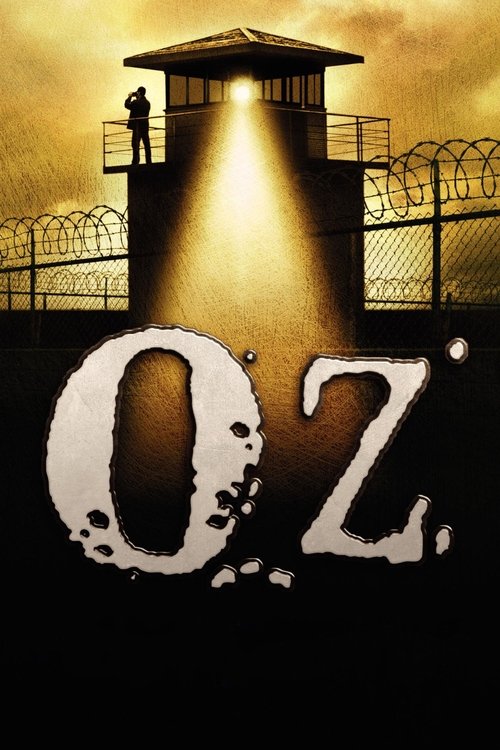
11. Oz
Before "prestige TV" was even a term, HBO dropped this unapologetically brutal prison drama. It was raw, unflinching, and dared to go places network television wouldn't even dream of. Its ensemble cast, serialized storylines, and shocking violence made it a groundbreaking, often uncomfortable, watch. It laid the groundwork for HBO's reputation for risk-taking, proving that cable could tackle gritty, adult themes without compromise.