

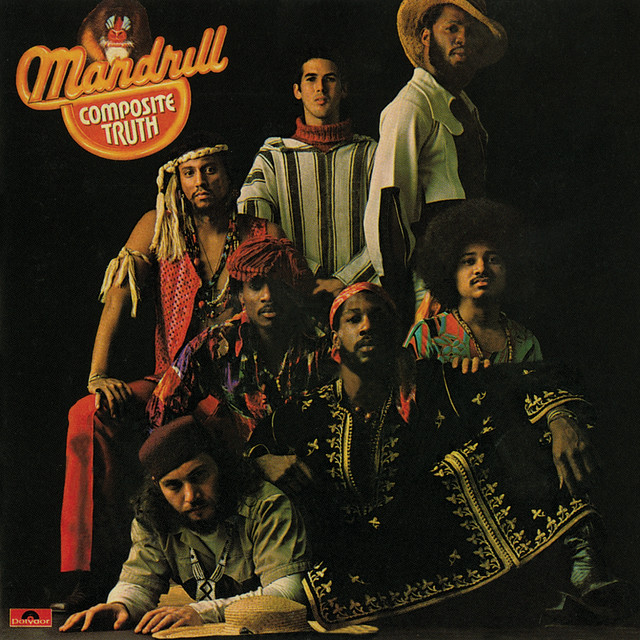
1. Composite Truth
The title itself evokes the layered tapestry of analog recording, where every overdub and bounced track added a tangible warmth, a subtle harmonic distortion that digital conversion simply eradicates. Think of the saturation on tape, the bleed in the room mics – imperfections that become character. This isn't just sound; it's a sonic artifact, a palpable presence that defined the pre-MIDI, pre-DAW studio alchemy. It's the ghost in the machine, the "truth" of the original performance, captured in its raw, unquantized glory.
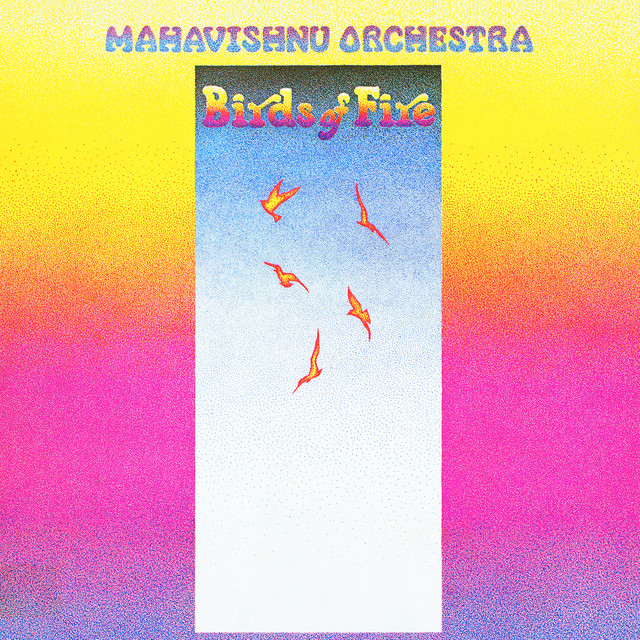
2. Birds Of Fire
Mahavishnu Orchestra's 1973 opus was an explosive collision, a furious jazz-rock maelstrom. John McLaughlin’s double-necked guitar, powered by Marshall stacks, tore through relentless rhythmic complexity, while Jan Hammer's Moog and Fender Rhodes screamed with a raw, unbridled energy. The drums and bass locked into an almost impossibly intricate groove. It was a testament to virtuosity captured live in the studio, a pre-digital intensity where every note was physically wrestled from the instruments. The dynamic range, the sheer attack—it’s visceral.
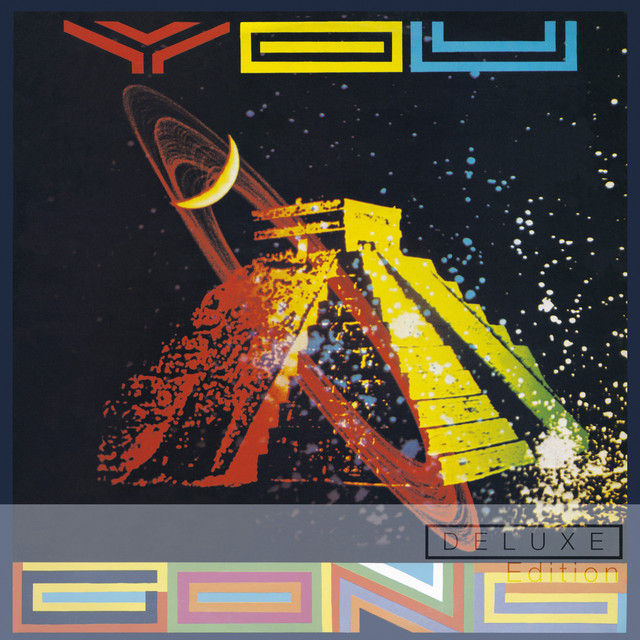
3. You (Deluxe Edition)
Gong's 1974 "You," even in its later deluxe presentations, remains a cornerstone of psychedelic fusion, a true space-rock epic. Daevid Allen's whimsical narratives and Steve Hillage’s liquid guitar tones, drenched in tape delay and phaser, painted fantastical soundscapes. The production, a marvel of the era, layered synthesizers, glissando guitar, and Gilli Smyth's "space whispers" into an immersive, otherworldly experience. It’s a masterclass in analog texture, a journey through sonic dimensions achieved with tape, tubes, and sheer imagination.
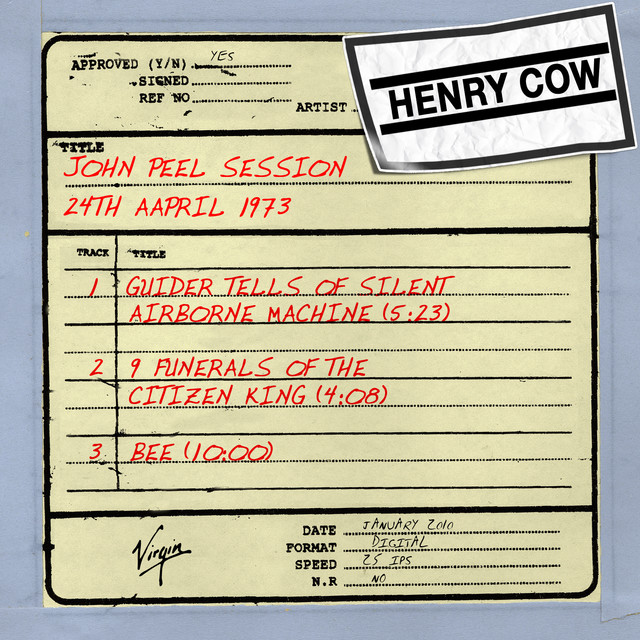
4. John Peel Session (24th April 1973)
A John Peel Session, especially from '73, was raw, immediate; often a band's chance to lay down tracks with minimal fuss, capturing a moment. The energy is palpable, the sound engineer often working wonders with limited tracks and vintage gear. These recordings, far from polished studio albums, reveal the unvarnished essence of a group, showcasing their dynamic interplay and nascent ideas before overproduction could dilute them. It’s a snapshot of creation, often with a unique mix or arrangement, preserved on tape.
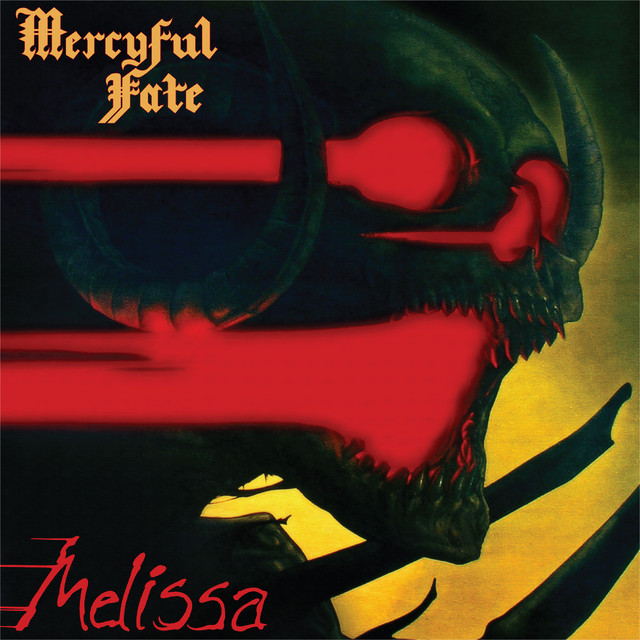
5. Melissa
Mercyful Fate's 1983 debut, "Melissa," carved a dark, theatrical niche in early metal. King Diamond's multi-octave falsetto and the dual guitar attack of Hank Shermann and Michael Denner wove intricate, progressive structures into raw, heavy foundations. The production, typical of early 80s metal, was lean but powerful, emphasizing the razor-sharp riffs and dynamic shifts without digital sheen. It’s a cold, calculated assault, yet imbued with a mystical atmosphere, a true pre-thrash, pre-death metal touchstone.
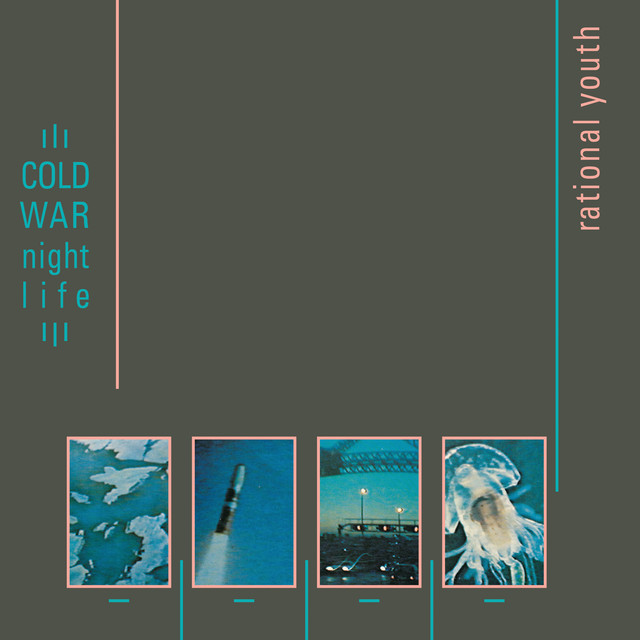
6. Cold War Night Life (Expanded)
Rational Youth's 1982 "Cold War Night Life," even in expanded form, stands as a quintessential Canadian synth-pop statement. Their use of analog synthesizers – Prophets, Jupiters, Moogs – created a stark, melodic landscape, reflecting Cold War anxieties with icy precision. The production was clean, emphasizing crystalline arpeggios and driving sequencers, a pioneering example of how electronic instruments could build entire sonic worlds without relying on guitars. It’s the blueprint for a certain kind of melancholic, yet propulsive, electronic pop.
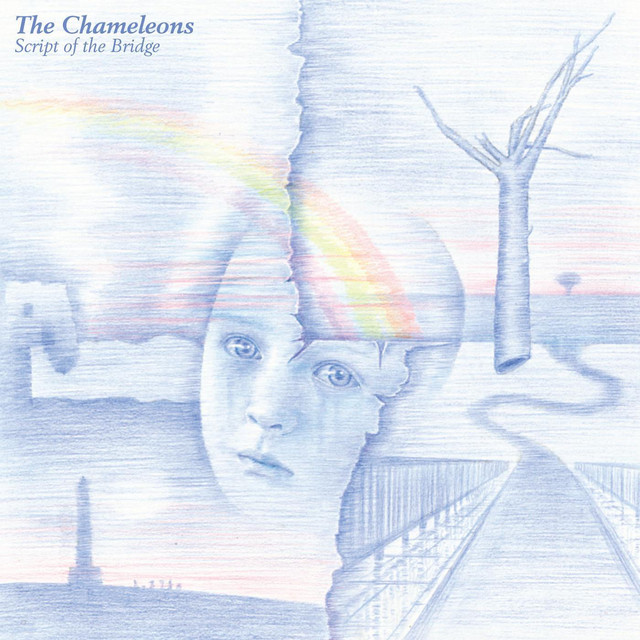
7. Script of the Bridge (Remastered)
The Chameleons' 1983 debut, "Script of the Bridge," is a post-punk masterwork. Mark Burgess's earnest vocals soared over a dense, shimmering tapestry of guitars—Reg Smithies and Dave Fielding crafting intricate, delay-drenched sonic architecture. The production was spacious, allowing each ringing chord and driving bassline to breathe, building an expansive, almost symphonic atmosphere. It’s a testament to the evocative power of four musicians working cohesively in a non-digital environment, creating something both melancholic and utterly compelling.
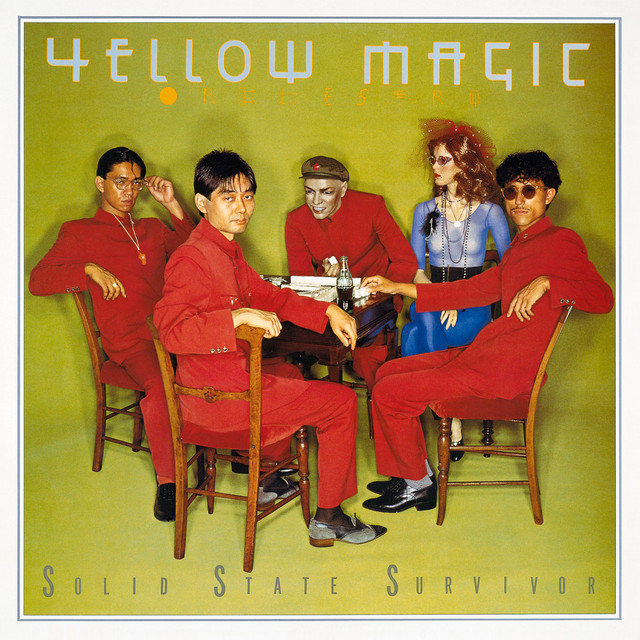
8. Solid State Survivor
Yellow Magic Orchestra’s 1979 "Solid State Survivor" was a prescient vision of electronic music's future. Haruomi Hosono, Ryuichi Sakamoto, and Yukihiro Takahashi blended Kraftwerk's precision with a distinct pop sensibility and proto-techno rhythmic drive. Their groundbreaking use of synthesizers, sequencers, and drum machines like the Roland MC-8 Microcomposer and TR-808, all meticulously programmed and recorded to tape, established a new paradigm for electro-pop. It was sleek, synthetic, and undeniably funky, defining much of what would become synth-pop and beyond.

9. Air
"Air," as a sonic concept, represents the nascent explorations into ambient soundscapes that began long before the digital age codified them. Think of Eno's early tape loop experiments, the subtle drones and textures coaxed from analog synths, or the deliberate use of studio reverb and delay to create expansive, breathable spaces. It’s about atmosphere over melody, a deliberate deconstruction of traditional song structures to create environments that invite introspection, relying on the warmth and subtle imperfections of analog processing to feel truly organic.
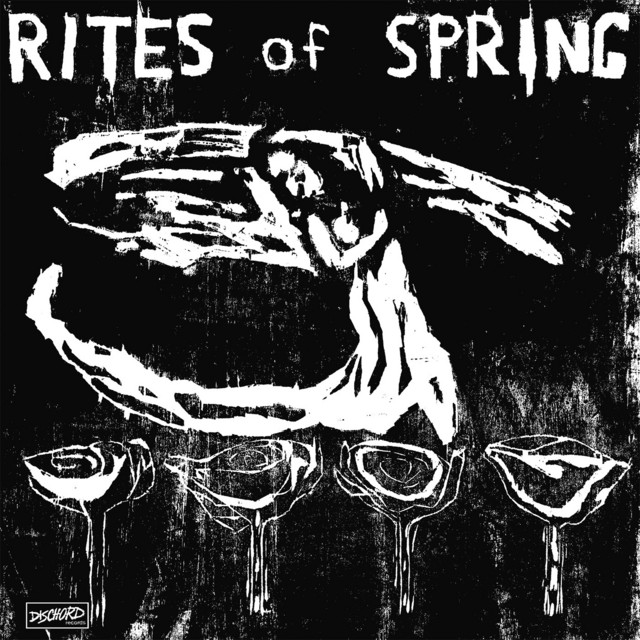
10. Rites of Spring
Rites of Spring's self-titled 1985 album was a primal scream, laying the groundwork for what would become post-hardcore. Guy Picciotto's raw, impassioned vocals and urgent guitar work, backed by a relentlessly driving rhythm section, channeled intense emotional vulnerability and frustration. The production, typical of Dischord Records, was stripped-down and immediate, capturing the band’s furious live energy without embellishment. It’s a visceral, unapologetic expression, a testament to punk's evolving complexity and emotional depth, recorded with a directness that digital often struggles to replicate.
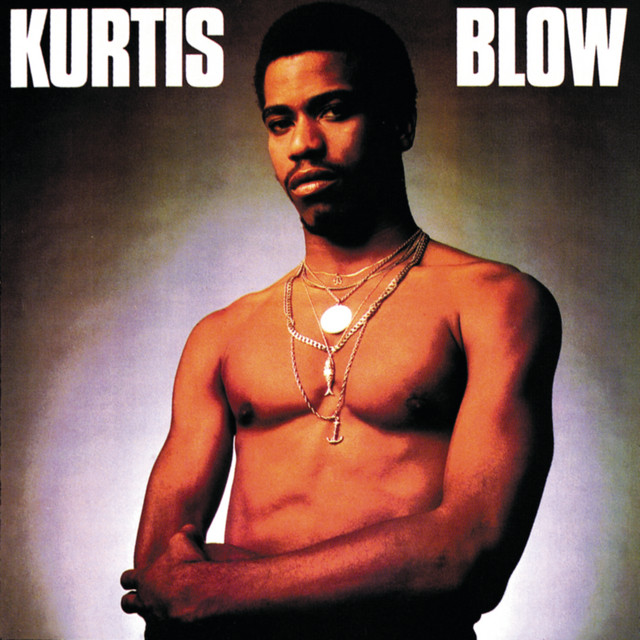
11. Kurtis Blow
Kurtis Blow’s 1980 self-titled debut was a pioneering statement, one of rap's first full-length albums. It showcased the nascent rhythmic patterns and vocal delivery that would define a genre. The production was a masterclass in early hip-hop's bricolage, utilizing breakbeats, funk samples, and live instrumentation, all meticulously mixed on analog boards. Tracks like "The Breaks" demonstrated the raw, infectious power of a tight rhythm section and a charismatic MC, laying down grooves that felt simultaneously raw and meticulously crafted, a true pre-digital rhythmic revolution.