
1. Omikron: The Nomad Soul
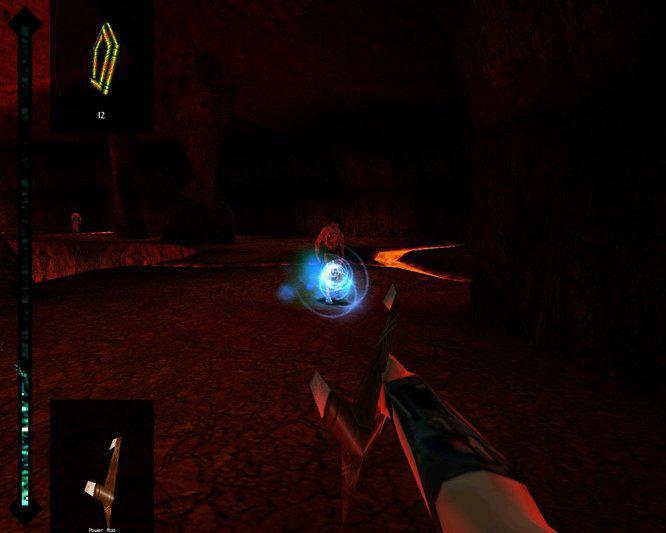
This ambitious project from Quantic Dream and David Bowie blurred genre lines, offering an astonishingly detailed cyberpunk world. Players navigated a sprawling narrative, shifting between adventure, fighting, and first-person shooter segments, all while embodying different hosts. Its motion capture was groundbreaking for 1999, contributing to a truly unique, if occasionally clunky, experience. Bowie's influence permeated the game, from character design to its haunting soundtrack. It truly felt like stepping into an alternate reality, a digital relic of bold, experimental design.
2. killer7
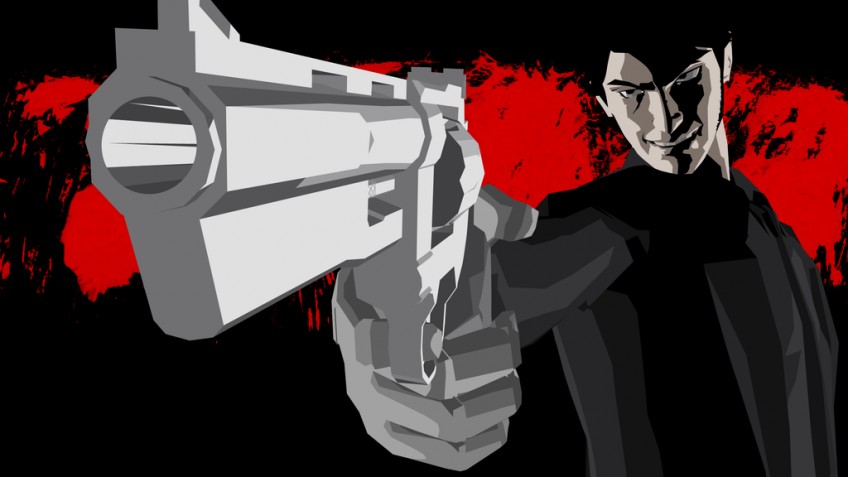
Suda51's *killer7* remains a polarizing, yet undeniably influential, artifact from 2005. Its cel-shaded visuals, fractured narrative, and on-rails shooter mechanics created an experience unlike anything before or since. Players embodied multiple assassins, each with distinct abilities, unraveling a labyrinthine plot steeped in political allegory and philosophical musings. It was a game that dared to be different, embracing its avant-garde sensibilities and challenging players to embrace its bizarre logic. A true testament to stylistic vision over conventional gameplay.
3. Eternal Darkness: Sanity's Requiem
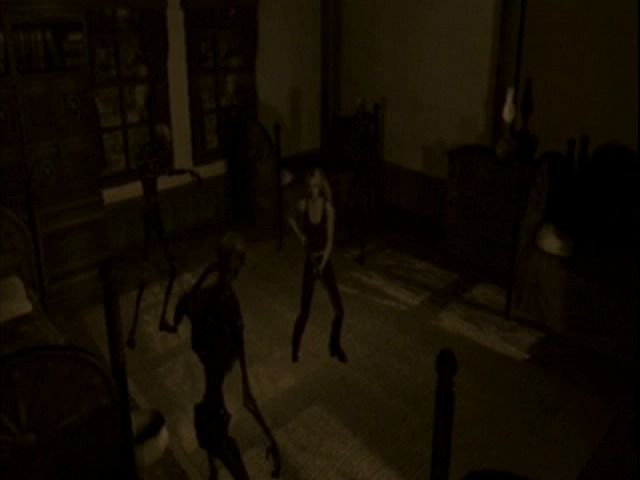
A GameCube exclusive from 2002, *Eternal Darkness* redefined psychological horror with its innovative "Sanity Effects." These brilliant meta-horror moments broke the fourth wall, making players question their console, television, and even their own sanity. Its multi-century narrative, exploring cosmic horror through various protagonists, was equally compelling. While combat could feel stiff, the game's ingenious atmosphere and storytelling cemented its status as a cult classic, demonstrating horror's potential beyond jump scares. A truly memorable, unsettling journey.
4. Jade Empire
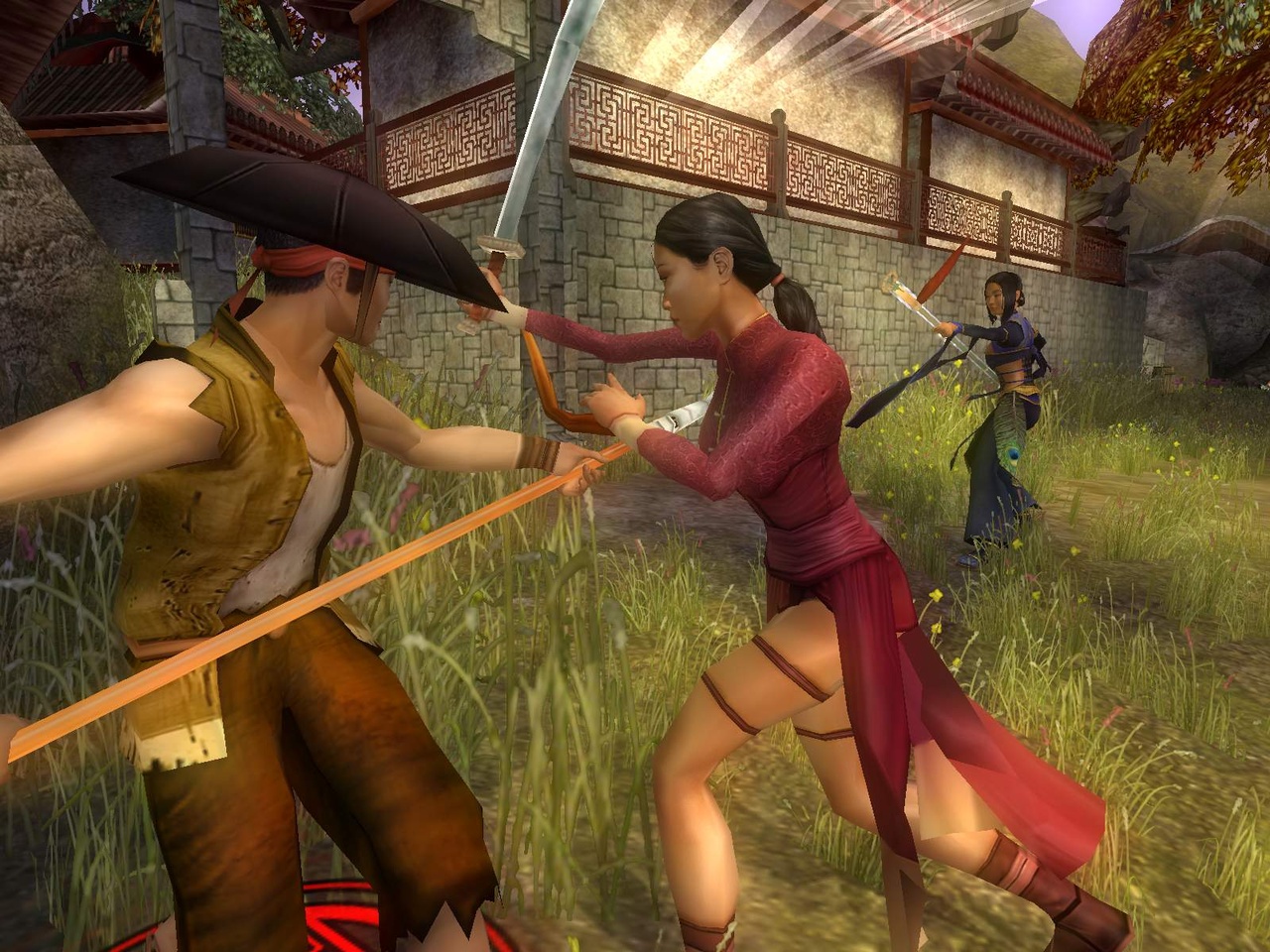
BioWare's 2005 original *Jade Empire* transported players to a vibrant world steeped in Chinese mythology, a refreshing departure from their usual fantasy or sci-fi settings. As the last Spirit Monk, players mastered diverse martial arts styles, making profound moral choices between the Open Palm and Closed Fist philosophies. While its real-time combat system wasn't as deep as some contemporaries, its rich narrative, memorable companions, and stunning aesthetic made for a captivating, if often overlooked, action RPG experience. A unique gem in BioWare's storied catalog.
5. Beyond Good & Evil - 20th Anniversary Edition
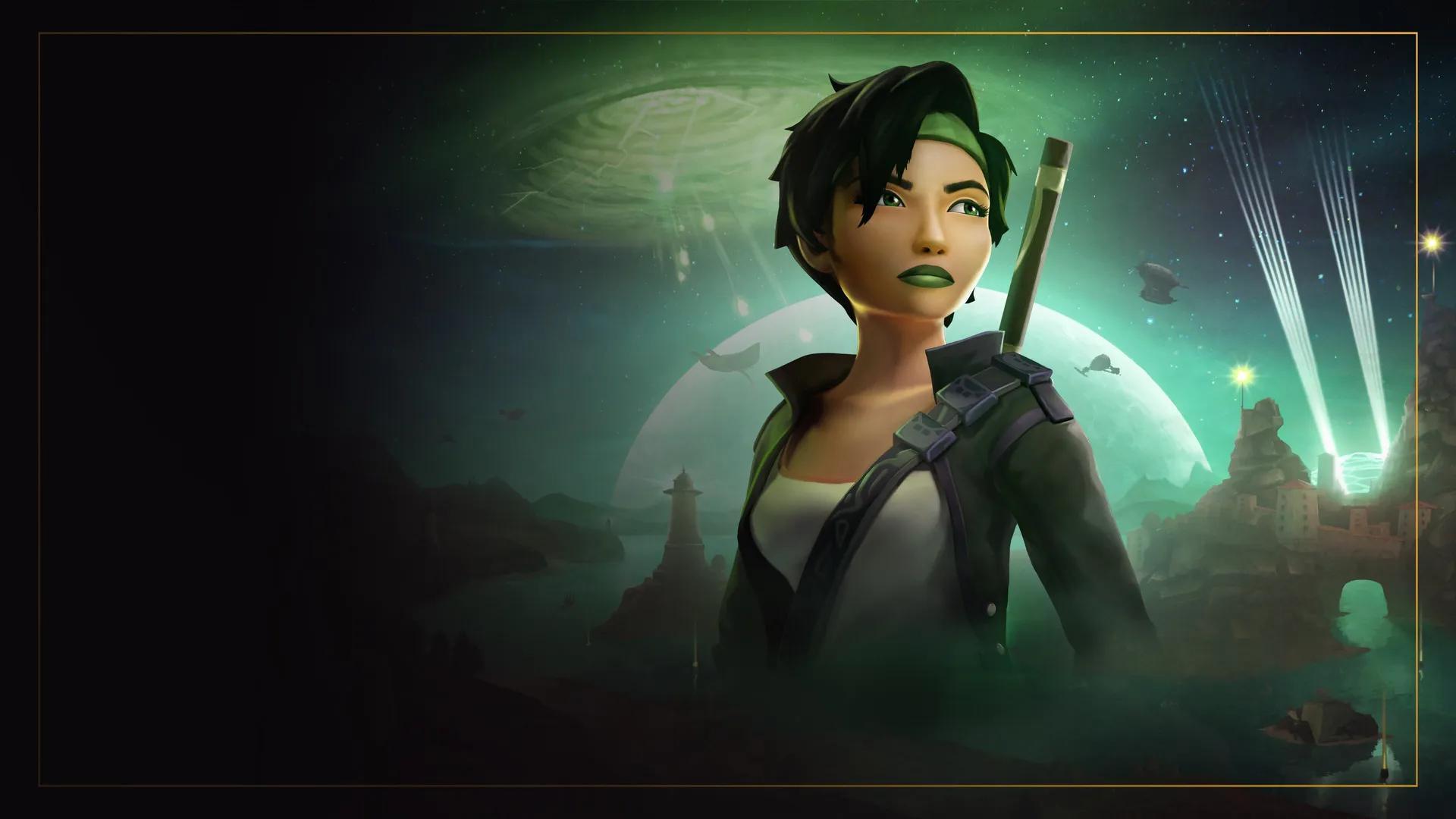
The 2024 Anniversary Edition revisits Ubisoft's 2003 cult classic, *Beyond Good & Evil*, presenting its enduring charm with a modern polish. This remaster beautifully preserves the original's compelling narrative, centered on photojournalist Jade and her porcine uncle Pey'j fighting an alien invasion. Its blend of stealth, combat, puzzle-solving, and photography felt revolutionary then, and the updated visuals and performance allow a new generation to appreciate its environmental message and richly imagined world without losing its soul.
6. Ikaruga
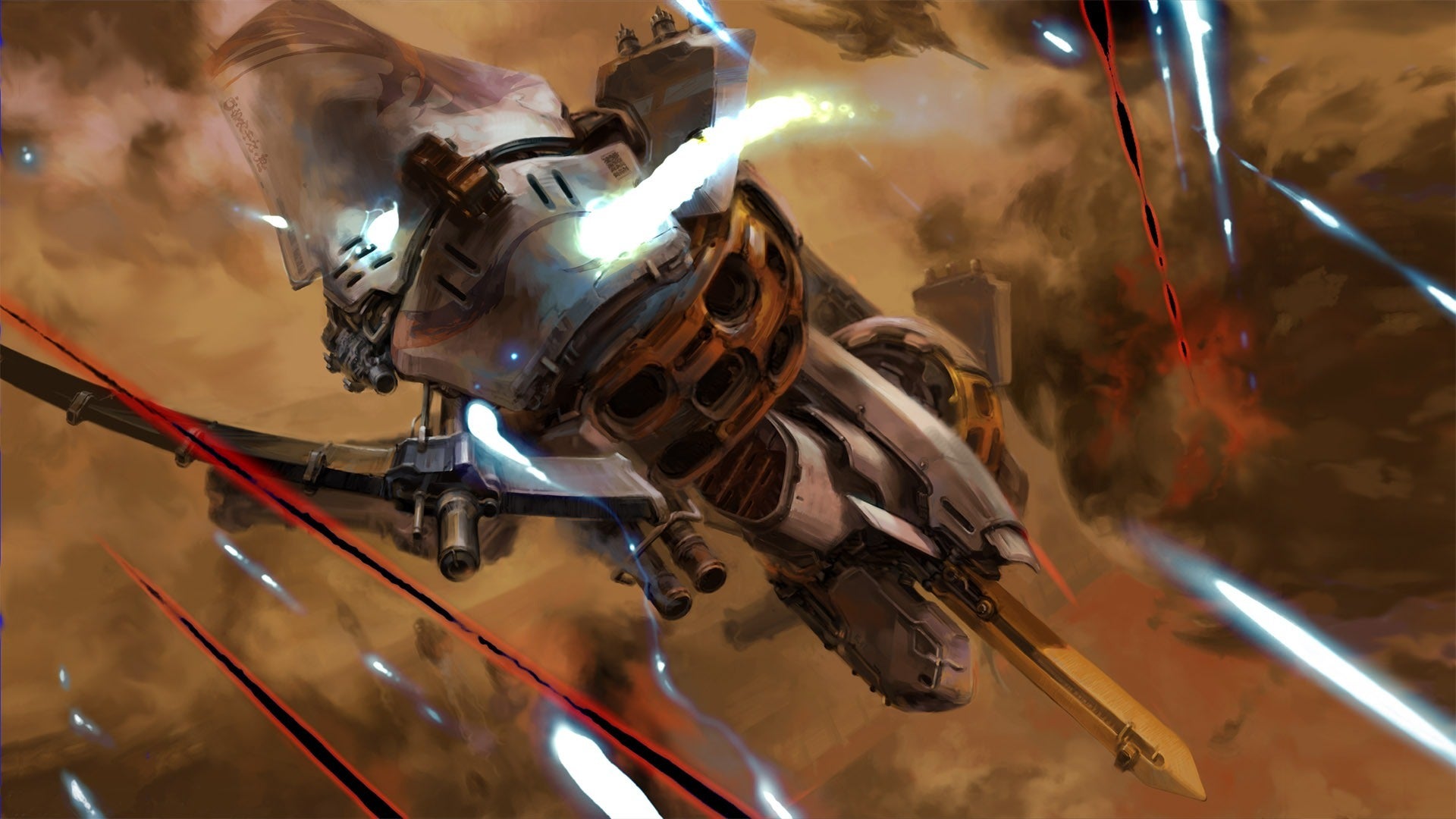
Treasure's 2001 arcade masterpiece, *Ikaruga*, stands as a pinnacle of the "bullet hell" genre. It wasn't just about dodging; its ingenious polarity-switching mechanic demanded strategic absorption and deflection of enemy fire. Players constantly shifted between black and white, turning incoming projectiles into ammunition or outright negating them. This core mechanic elevated it beyond mere reflexes, transforming it into a rhythmic, almost puzzle-like experience. For those seeking pure, distilled arcade challenge and innovative design, *Ikaruga* remains an essential, timeless entry.
7. Grim Fandango
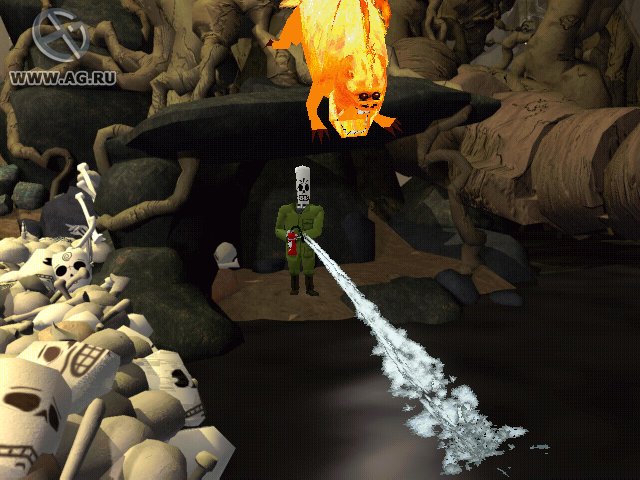
LucasArts' 1998 *Grim Fandango* is an undisputed point-and-click adventure classic, marrying film noir aesthetics with Aztec mythology in the Land of the Dead. Players followed Manny Calavera, a travel agent for departed souls, through a journey filled with memorable characters, sharp dialogue, and intricate, often surreal, puzzles. Its distinctive art style and unique premise created an unforgettable, melancholic world. The game's narrative depth and unparalleled writing solidified its place as a benchmark for storytelling in interactive media.
8. S.T.A.L.K.E.R.: Shadow of Chernobyl
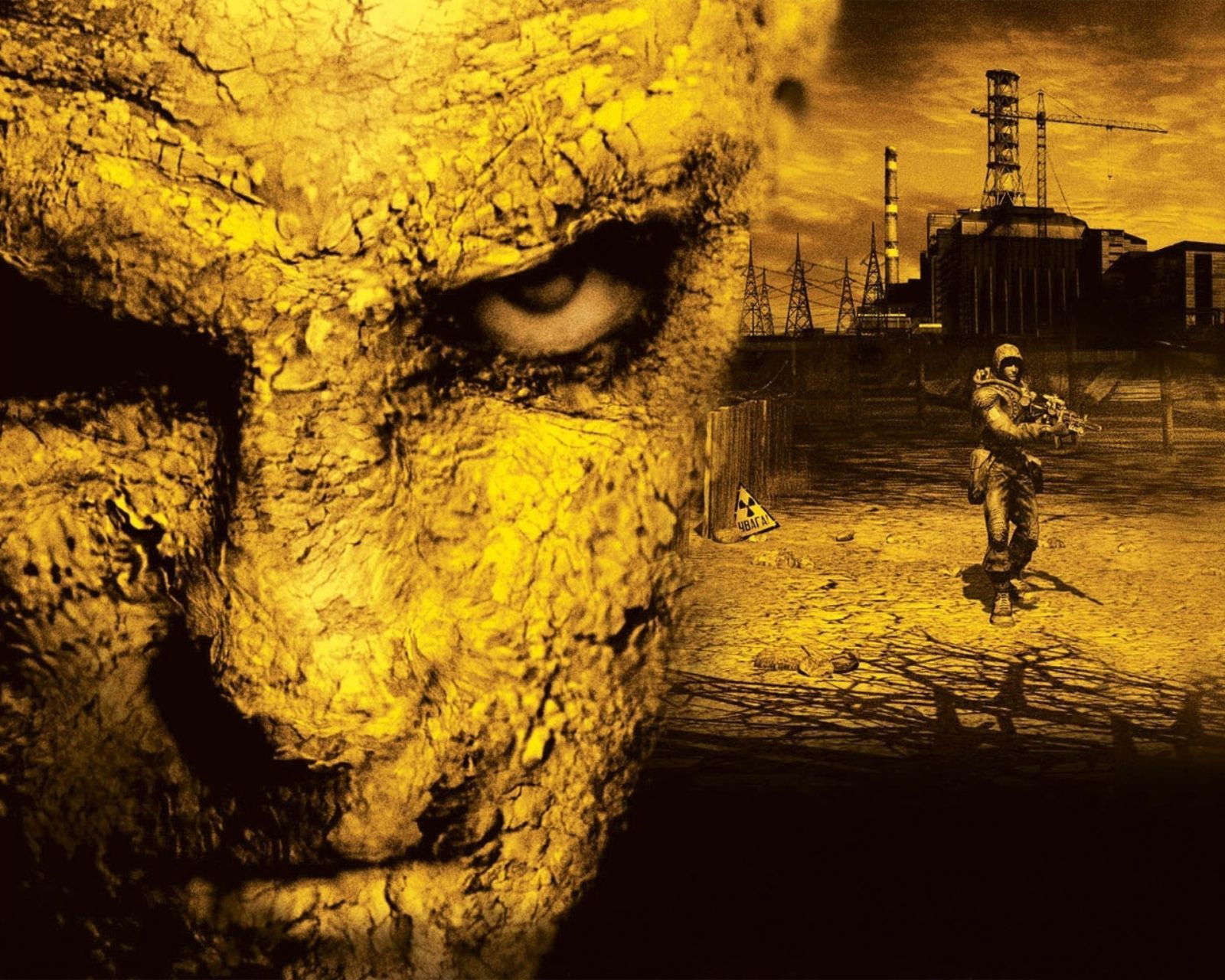
Released in 2007, *S.T.A.L.K.E.R.* delivered an unvarnished, brutal vision of the Chernobyl Exclusion Zone. This first-person shooter blended survival horror, RPG elements, and open-world exploration into a uniquely oppressive experience. Players navigated anomalous zones, contended with deadly mutants, and balanced faction allegiances in a truly unforgiving environment. Its atmosphere was palpable, a masterclass in environmental storytelling that prioritized player agency and emergent gameplay. It wasn't just a game; it was a pilgrimage into digital desolation.
9. Star Wars: Republic Commando
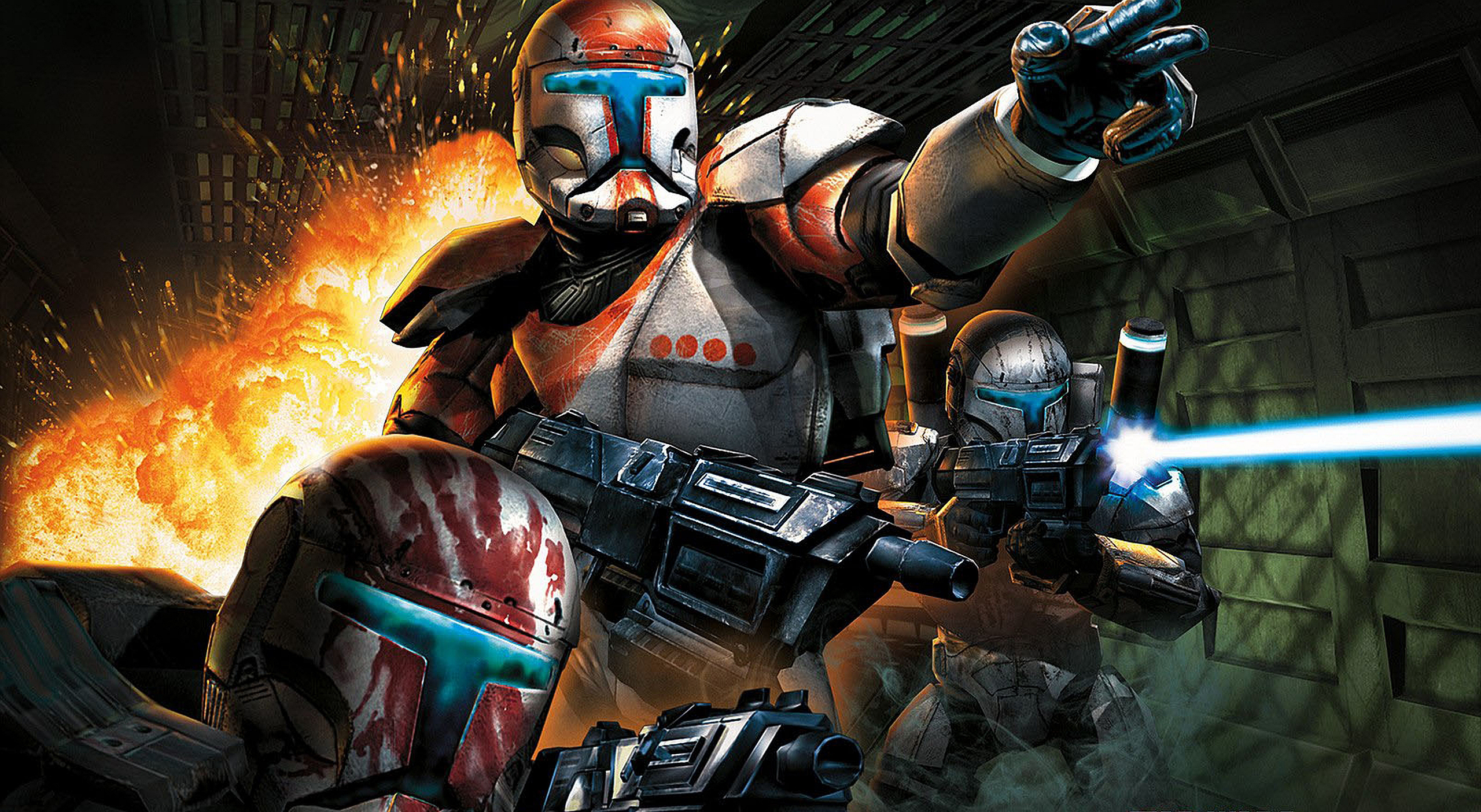
2005's *Star Wars: Republic Commando* offered a grittier, more tactical perspective on the galaxy far, far away. Players led an elite squad of clone commandos, navigating tight corridors and open battlefields with an innovative squad command system. This first-person shooter emphasized teamwork and strategic positioning over lone-wolf heroics, presenting a darker, more militaristic side of the Clone Wars. Its focused narrative and distinct characterization of Delta Squad made it a standout, proving that Star Wars could be both intense and intimate.
10. Legend of Legaia
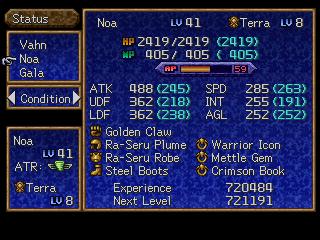
This 1998 PlayStation JRPG distinguished itself with its unique "Tactical Arts System" combat. Rather than simple menu selections, players input directional commands to string together martial arts combos, adding a refreshing layer of strategy and skill to turn-based battles. The world of Legaia, shrouded in the ominous Mist and populated by Seru monsters, was rich with lore and mystery. While perhaps overshadowed by its contemporaries, *Legend of Legaia* offered a genuinely innovative combat system and a compelling adventure that holds up for nostalgic fans.
11. Vandal Hearts
Konami's 1996 *Vandal Hearts* was a foundational tactical RPG for the PlayStation, offering a darker, more mature narrative than many of its peers. Its isometric, grid-based combat was challenging and strategic, with environmental factors playing a crucial role. The game featured branching story paths and permadeath, adding significant weight to each decision. While graphically simple by today's standards, its intricate map design, memorable characters, and brutal difficulty cemented its place as an influential title that shaped the burgeoning console TRPG genre.
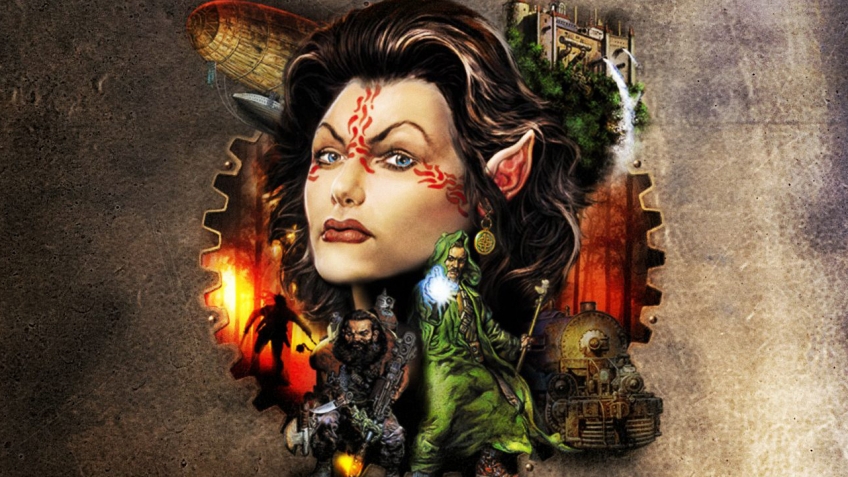
12. Arcanum: Of Steamworks and Magick Obscura
Troika Games' 2001 *Arcanum* presented a sprawling, ambitious world where steampunk technology clashed with traditional high fantasy. Its intricate character creation, deep role-playing systems, and unparalleled freedom of choice captivated players. Despite its notorious bugs and rough edges, the game offered a truly immersive experience, allowing players to navigate a complex society with magic, technology, or a blend of both. *Arcanum* remains a testament to ambitious design, a unique blend of genres that still resonates with dedicated RPG enthusiasts.