1. Max Headroom
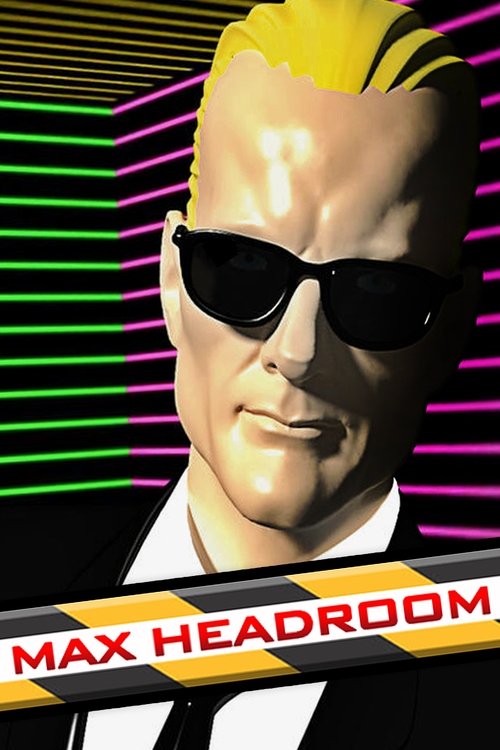
This cyberpunk marvel felt like the future glitching on screen. With its simulated AI host, the show plunged into a dystopian world of corporate control and media manipulation, all wrapped in a neon-soaked, analog-digital aesthetic. It was sharp, cynical, and way ahead of its time, a true proto-Internet commentary. You just had to respect that choppy, unsettling look. It was a broadcast breaking the signal itself.
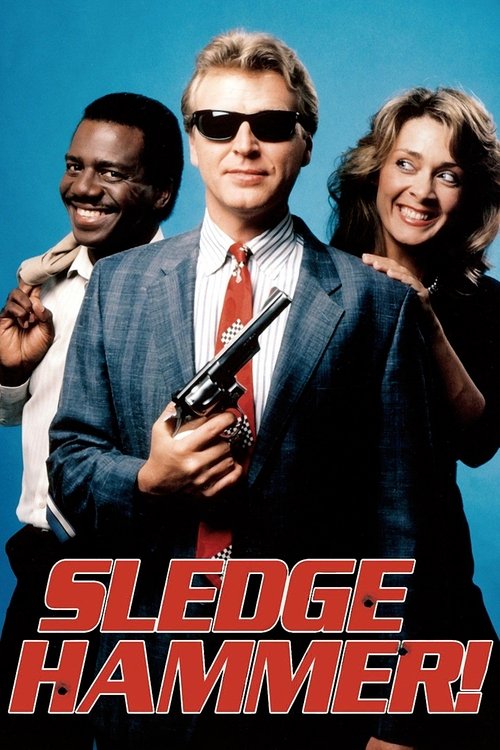
2. Sledge Hammer!
And then there was Sledge. This show wasn't just parody; it was a gleeful demolition of cop show tropes, starring a detective whose best friend was his .44 Magnum. It was outrageously violent, politically incorrect, and darkly hilarious. Every episode felt like it was daring network censors to pull the plug, pushing the boundaries of what primetime comedy could get away with. Pure, unadulterated chaos.
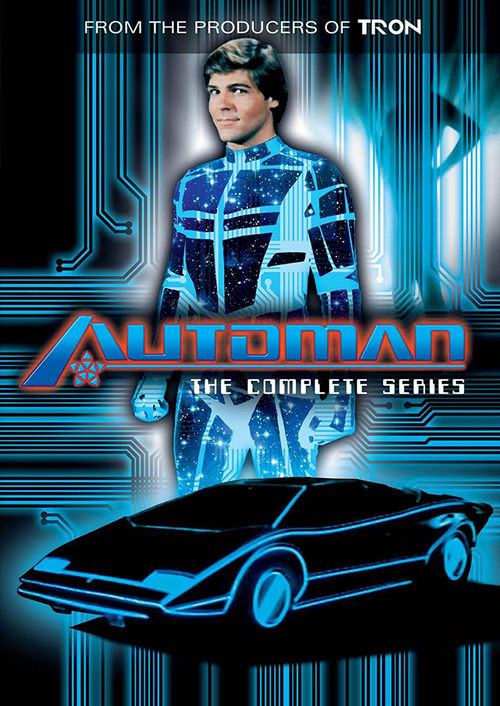
3. Automan
Look, the effects were clunky, but you couldn't deny the ambition. Automan was a glowing, digital superhero who literally materialized from a computer. His light cycle could make impossible turns, leaving neon trails across the screen. It was pure 80s sci-fi maximalism, blending early computer graphics with practical effects in a way that felt utterly unique, even if it was a bit campy. A real visual oddity.
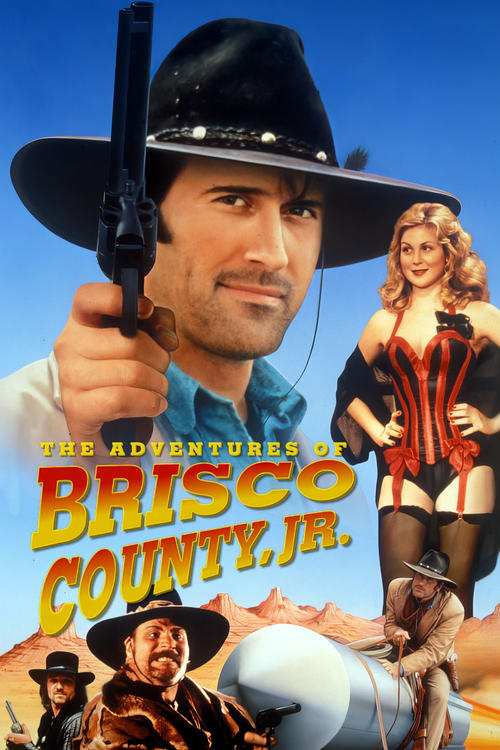
4. The Adventures of Brisco County, Jr.
Before "Firefly," there was Brisco. This was a wild west sci-fi mashup, with Bruce Campbell as a Harvard-educated bounty hunter chasing a mysterious orb. It was quirky, action-packed, and had a bizarre, steampunk-adjacent charm. Too weird for the mainstream, maybe, but it built a loyal cult following that still mourns its premature cancellation. A true genre-bending experiment.
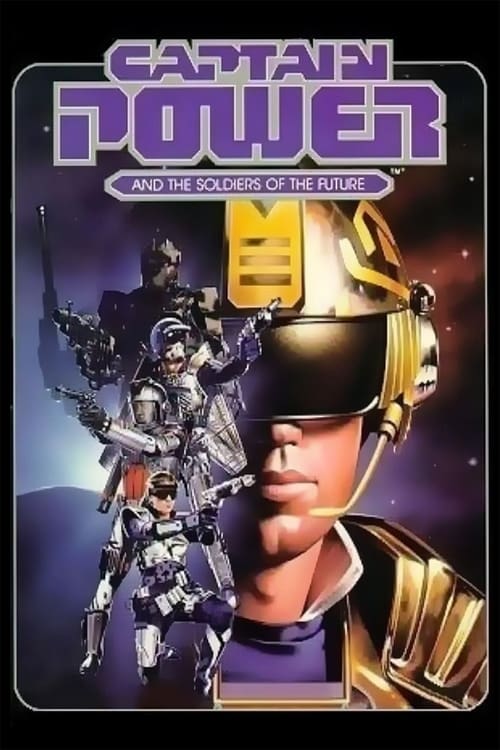
5. Captain Power and the Soldiers of the Future
This was a kids' show that wasn't afraid to be bleak. Post-apocalyptic future, robots hunting humans, actual character deaths—it was surprisingly dark. But the interactive element, where you could shoot at the screen with your toy gun, made it legendary. It blended live-action and CGI in a way that felt groundbreaking, creating a truly immersive, if grim, experience.

6. Forever Knight
Long before vampires sparkled, Nick Knight was a detective, perpetually tormented by his immortality. This syndicated gem was moody, atmospheric, and infused classic film noir with urban fantasy. It wasn't flashy, but its brooding protagonist and the gritty Toronto backdrop gave it a unique, melancholic charm. A surprisingly deep dive into what it means to be alive, or undead.
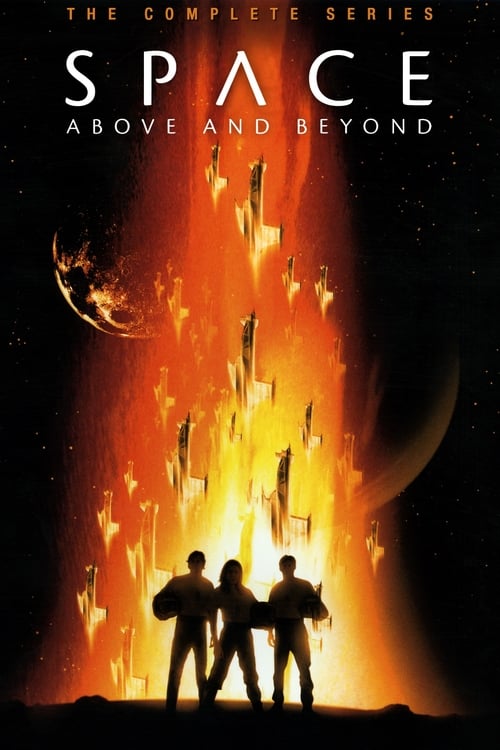
7. Space: Above and Beyond
This felt like "Band of Brothers" in space, but with aliens. It was gritty, grounded sci-fi from the "X-Files" creators, exploring the harsh realities of interstellar warfare. The visual effects were cutting-edge for TV, and the stories were often brutal and morally ambiguous. It didn't shy away from loss, making it a dark, compelling, and ultimately tragic space opera.
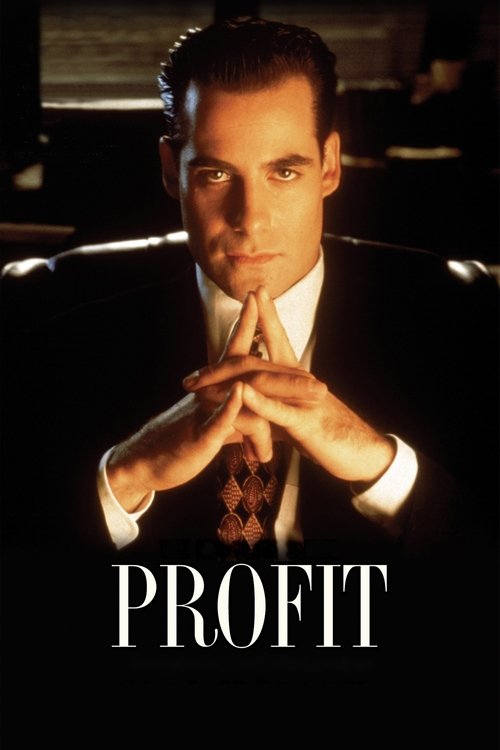
8. Profit
Imagine a corporate villain so utterly ruthless, so devoid of a soul, he makes Gordon Gekko look like a saint. That was Jim Profit. This show was a disturbing, brilliant satire of corporate greed, pushing boundaries with its anti-hero protagonist who literally lived for power. It was too dark, too provocative for network TV, but it predicted a certain kind of cynical ambition perfectly.
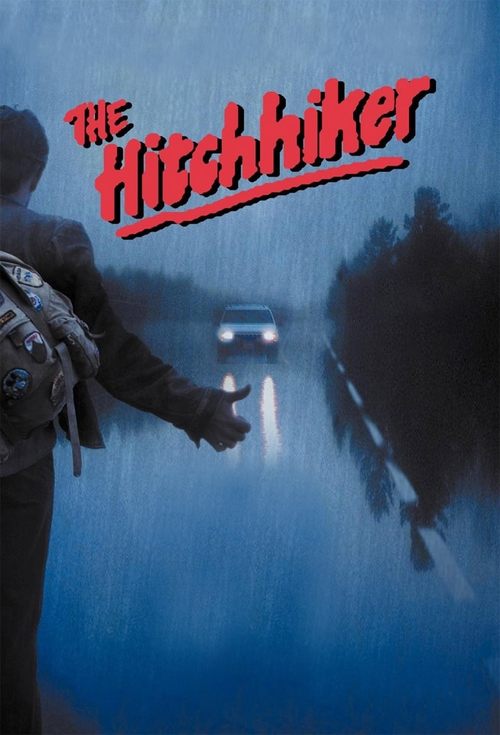
9. The Hitchhiker
Before HBO was a prestige drama powerhouse, it gave us "The Hitchhiker." This anthology series delivered dark, erotic tales of fate and consequence, hosted by a mysterious drifter. It was cable TV flexing its muscles, free from network constraints, offering mature themes and psychological thrills that were genuinely unsettling. A true late-night, atmospheric, proto-noir experiment.
10. V
The original miniseries was a cultural phenomenon. Giant alien ships appearing over cities, benevolent Visitors turning out to be reptilian fascists, and a chilling allegory for totalitarianism. The practical effects, especially the reveal of the Visitors' true form, were iconic and genuinely terrifying. It was soap-operatic maximalism meets sci-fi paranoia, and it absolutely stuck with you.