1. Max Headroom
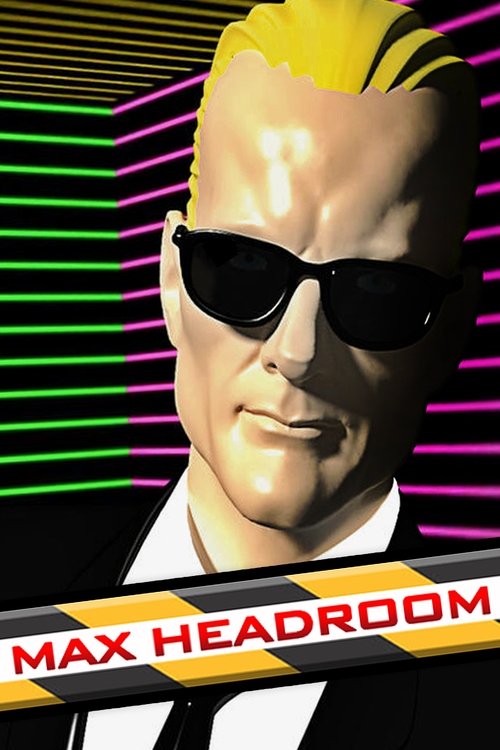
This wasn't just some sci-fi show; it was a digital punk manifesto. That stuttering, glitchy AI host, born from a TV exec's brain scan, felt like a direct transmission from a dystopian future already here. It was all neon and corporate cynicism, blending practical effects with genuinely unsettling media commentary. And that laugh? Pure analog nightmare fuel, echoing in an era obsessed with shiny new tech. Broadcast TV never looked so aggressively avant-garde.
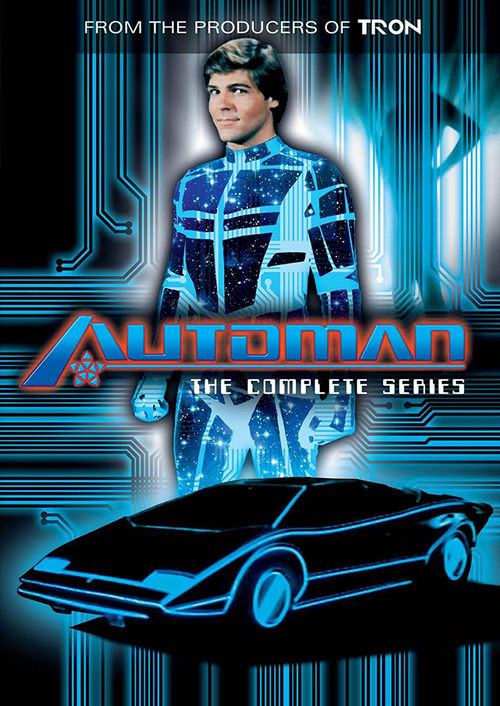
2. Automan
Man, this was like Tron hitting network television, but with more shoulder pads. An actual computer program could manifest in the real world, driving a light cycle that defied physics. The effects were cheesy by today's standards, sure, but back then, seeing a glowing, geometric hero materialize from a mainframe felt like pure sorcery. It was an audacious swing at bringing digital fantasy to primetime, a loud, neon-soaked experiment in visual effects.
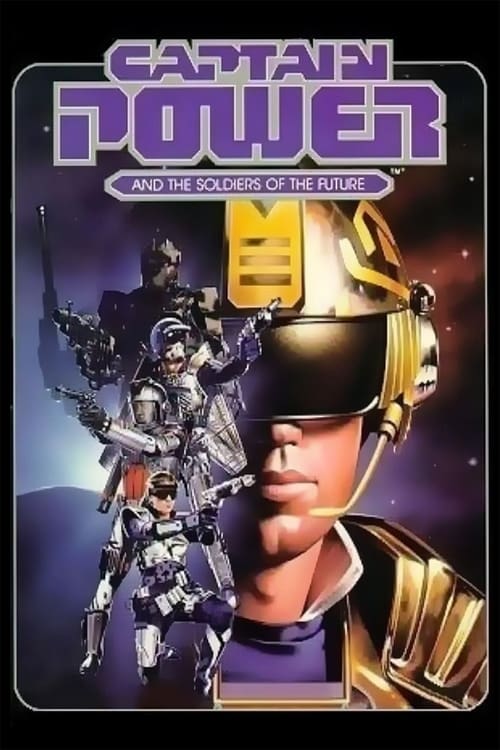
3. Captain Power and the Soldiers of the Future
Forget your Saturday morning cartoons; this was Saturday morning bleak. A post-apocalyptic world ruled by sentient machines, with humans barely clinging to survival. The practical effects for the Bio-Dreads were genuinely creepy, and the CGI was cutting edge for its time. And the interactive toy line? Wild. You could shoot your blaster at the screen and actually impact the show. It was a dark, ambitious, and surprisingly grim vision for a kids' show.

4. The Hitchhiker's Guide to the Galaxy
Before the Hollywood gloss, there was this magnificent, low-budget BBC adaptation. It perfectly captured Douglas Adams's absurd, existential wit, translating his bizarre universe with charmingly clunky practical effects and clever animation for the Guide entries. It felt like a public access broadcast from another dimension, proving you didn't need a huge budget to be mind-bendingly brilliant. A true cult classic, pure philosophical silliness delivered straight.
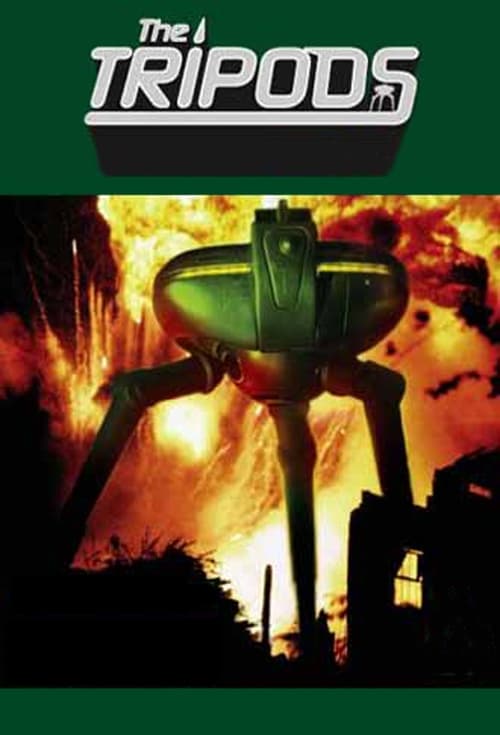
5. The Tripods
The BBC knew how to do bleak sci-fi on a budget, and *The Tripods* was a prime example. Giant alien machines 'capping' humanity, turning them into docile servants? That imagery stuck with you. It was a coming-of-age story wrapped in a genuinely unsettling dystopia, full of desperate kids rebelling against an unseen, all-powerful enemy. The practical effects for the Tripods themselves were iconic, simple yet terrifying in their scale.
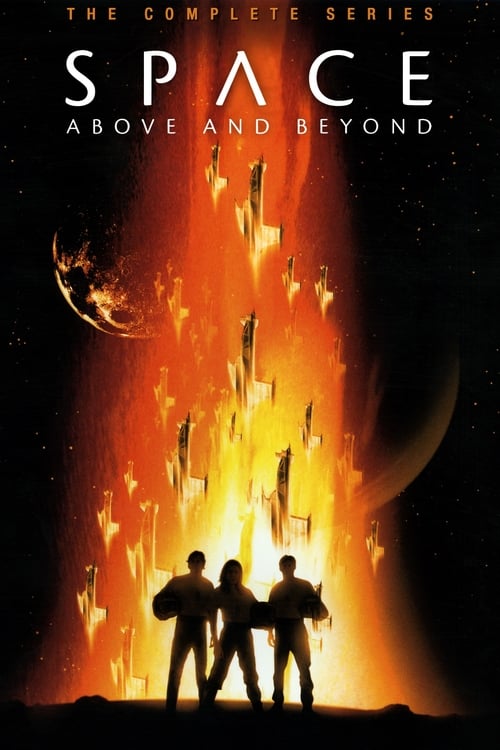
6. Space: Above and Beyond
This was Fox trying to give us a darker, more realistic take on space warfare than Star Trek. It was gritty, serialized, and didn't pull punches, following a squad of young Marines fighting an alien war. The ship designs were cool, the space battles felt dangerous, and the ethical dilemmas were genuinely engaging. It burned bright and fast, a promising, ambitious space opera that deserved more time to explore its vast universe.
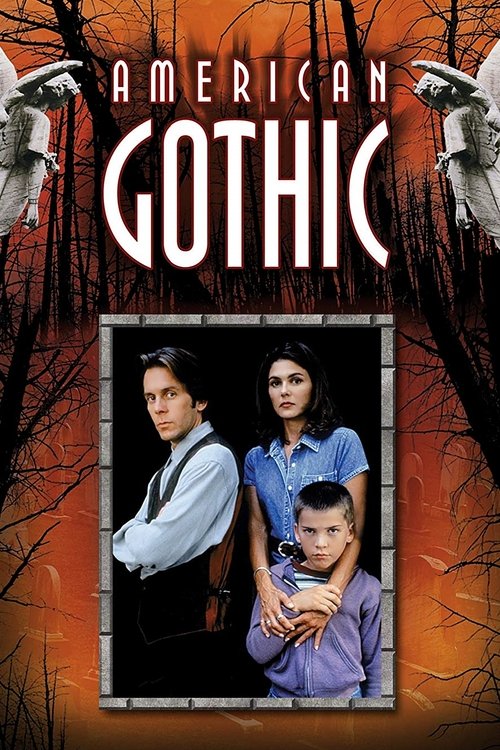
7. American Gothic
If you wanted pure, unadulterated Southern Gothic creepiness, *American Gothic* delivered. Sheriff Lucas Buck, played by the chilling Gary Cole, was one of TV's most deliciously evil villains – literally demonic, pulling strings in a small, cursed town. It was soap-operatic in its maximalist horror, full of dark secrets, supernatural events, and a pervasive sense of dread. Way too unsettling for mainstream mid-90s broadcast.
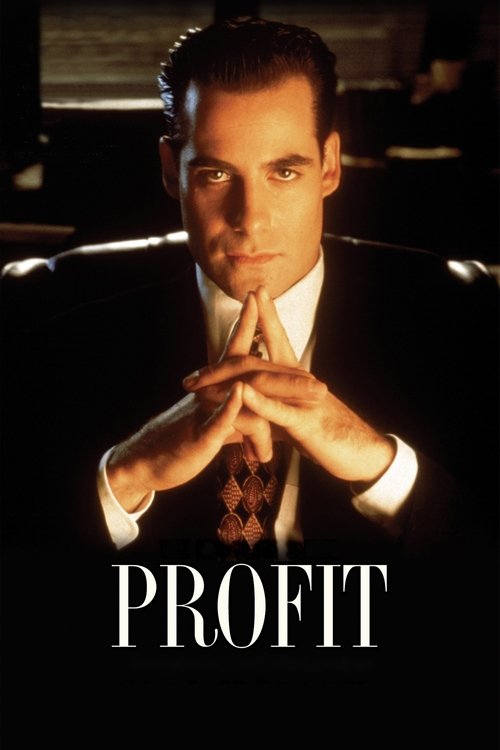
8. Profit
This show was so far ahead of its time, it's still shocking. Jim Profit was a corporate psychopath, pure evil in a suit, manipulating everyone for power and money. It was a brutal, cynical satire of capitalism, a proto-anti-hero narrative before they were cool. The aesthetics were sharp, cold, and calculating, reflecting Profit's ruthless worldview. It was too dark, too smart, too unsettling for 1996 network TV.
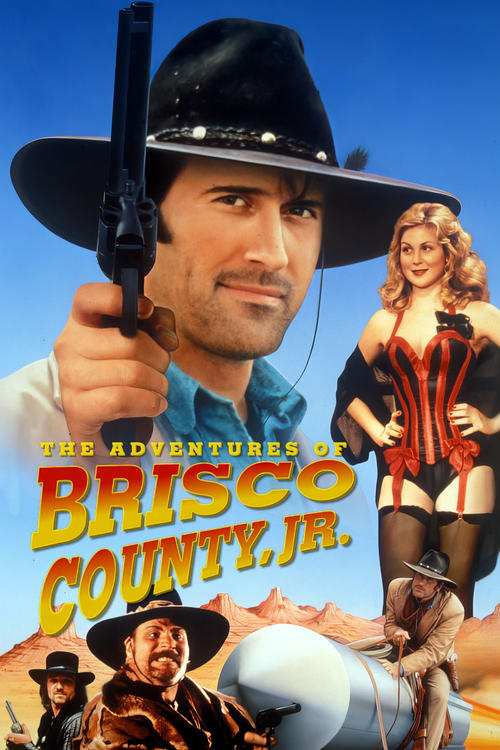
9. The Adventures of Brisco County, Jr.
This was peak weird, a sci-fi western pulp adventure starring Bruce Campbell. A bounty hunter in the Old West chasing futuristic artifacts, with quirky characters and an undeniable charm. It felt like a comic book brought to life, blending genres with a playful, self-aware wink. Its cancellation was a travesty; it was too unique, too fun, too ahead of the curve for its time slot. Pure cult gold.

10. Forever Knight
A vampire detective working the night shift in Toronto, constantly brooding over his immortality and ancient sins. This show was pure moody, syndicated maximalism, blending noir crime with gothic horror. Nick Knight was a classic tortured anti-hero, trying to atone for centuries of bloodlust. It leaned hard into its premise, delivering a surprisingly compelling and often melodramatic take on the vampire mythos.

11. Dark Skies
Before *The X-Files* totally owned the alien conspiracy genre, *Dark Skies* came along with its own dark, revisionist history. Aliens were always here, manipulating human events from the shadows, and our government was hiding it all. It was ambitious, sprawling, and delved deep into real-world historical events, reinterpreting them through a paranoid sci-fi lens. A classic example of a serialized, high-concept show that got cut down too soon.