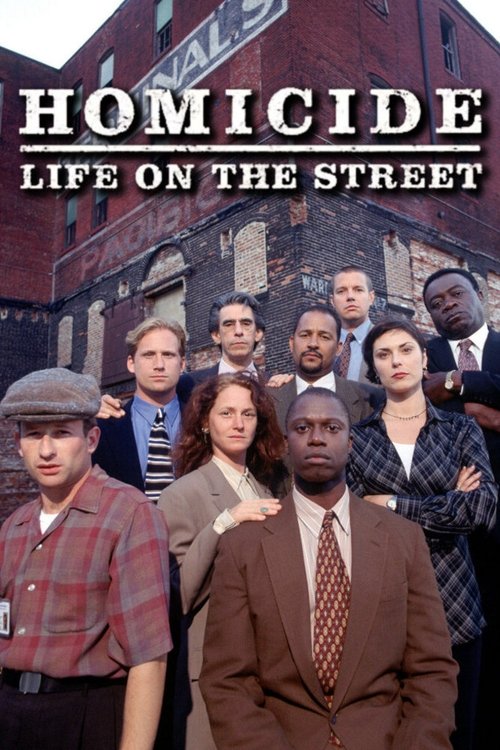
1. Homicide: Life on the Street
Before everyone was doing it, *Homicide* dropped us right into that precinct with shaky cams and overlapping dialogue, making network TV feel like indie film. It wasn't about the case; it was about the grind, the messy humanity of it all. Andre Braugher, man, he owned every scene. This wasn't your grandpa's police show; it was raw, unapologetic, and totally ahead of its time for broadcast, setting a new bar for realism.
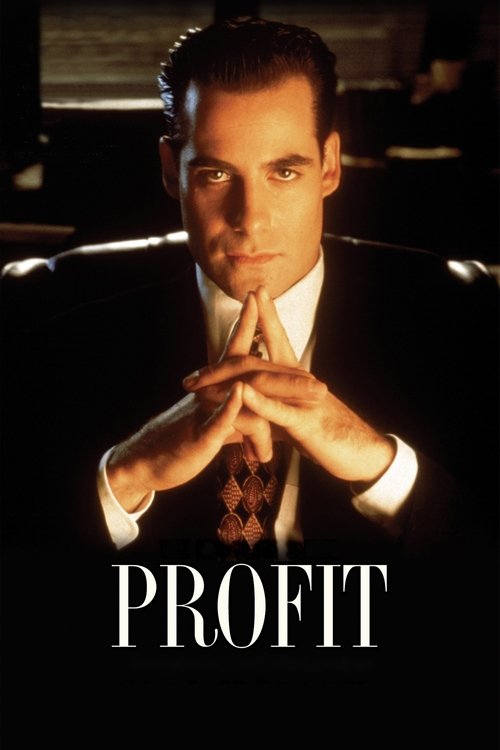
2. Profit
Fox, bless its heart, tried to push the envelope with *Profit*. It was this dark, cynical, borderline gleeful look at corporate evil, starring a guy you loved to hate. Jim Profit was a suit-wearing sociopath, manipulating everyone in sight, and it was glorious. Too smart, too twisted for '96 network TV, maybe, but a clear sign of the morally ambiguous characters that would later dominate cable and change the game.
3. The Corner
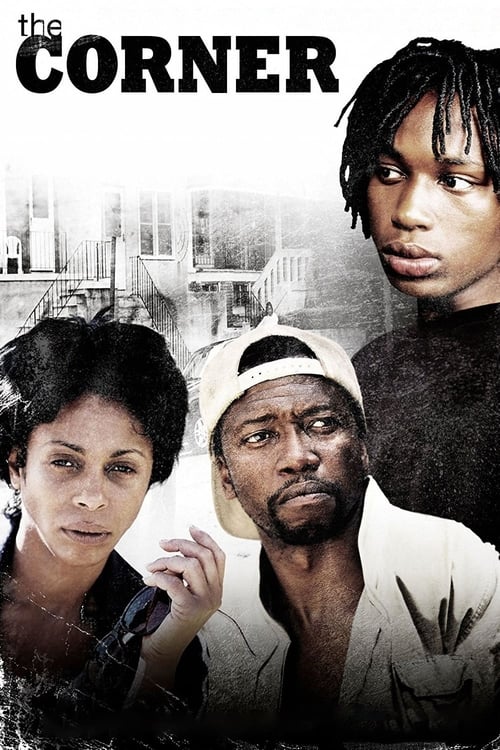
Before *The Wire* was even a glimmer in David Simon's eye, *The Corner* set the stage on HBO. This miniseries felt less like drama and more like unflinching reportage, chronicling a family caught in West Baltimore's drug trade. Its raw, documentary-style approach, the deep dive into systemic issues, and the serialized, character-driven storytelling were a blueprint for what prestige TV could achieve. Brutal, essential viewing.
4. Six Feet Under
*Six Feet Under* showed us how to stare death in the face and laugh, cry, and philosophize about it, all before the opening credits. This HBO gem was a masterclass in character, blending dark humor with profound existential dread, centered around a family of undertakers. It was quirky, deeply emotional, and proved that a show could tackle the heaviest themes with grace and a truly unique, serialized voice.
5. The Shield
FX exploded onto the scene with *The Shield*, a show that took the cop drama and slammed it into a wall. Vic Mackey was the ultimate anti-hero, a dirty cop doing dirty deeds for what he believed were righteous reasons. It was aggressive, morally ambiguous, and didn't pull punches, setting a new standard for cable drama. This was serialized storytelling at its most intense, proving cable could go places broadcast wouldn't dare.
6. Carnivàle
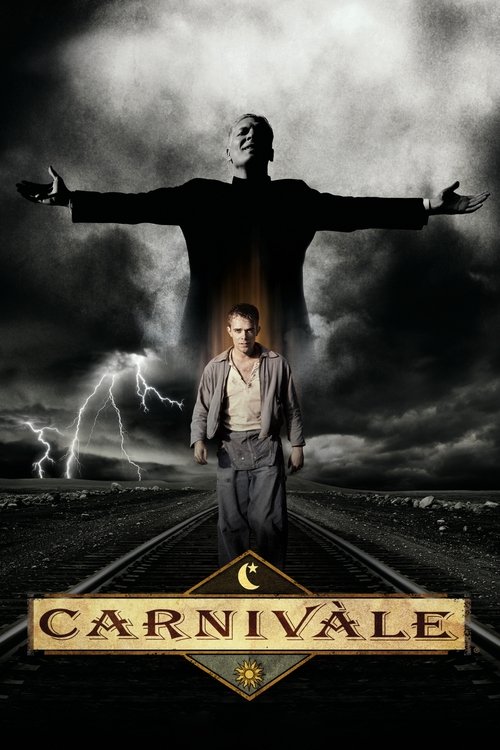
*Carnivàle* was an absolute beast from HBO, a sprawling, Depression-era epic steeped in mysticism and a battle between good and evil. Its dense mythology, stunning visuals, and unforgettable atmosphere felt like a novel playing out on screen. It was weird, beautiful, and demanding, the kind of show that rewarded deep dives and slow burns, hinting at a future where audiences devoured complex stories on their own terms.
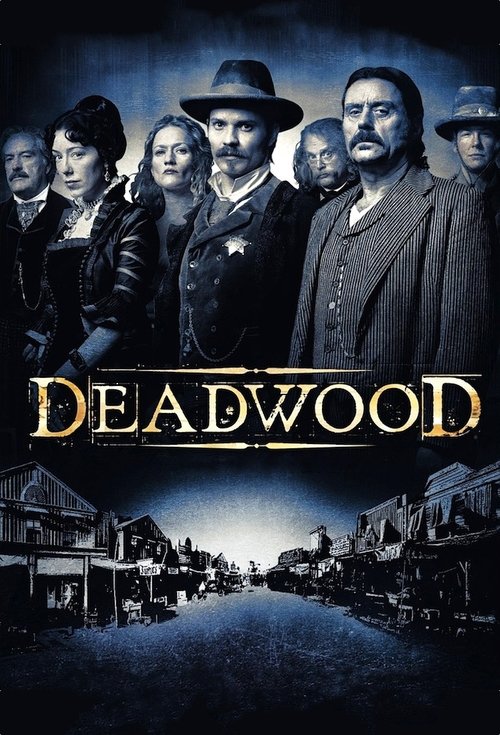
7. Deadwood
*Deadwood* was a masterclass in dialogue and character, taking the dusty old Western and injecting it with Shakespearean vulgarity and philosophical grit. HBO let David Milch create a living, breathing, foul-mouthed settlement where every character felt vital. It was an anti-Western, rejecting romanticized notions for something far more real and ugly, proving that historical dramas could be utterly contemporary in their impact.