1. Max Headroom
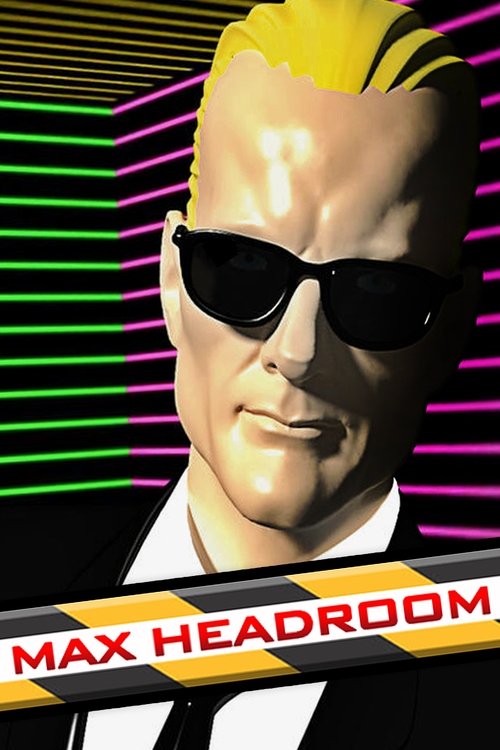
This wasn't just some talking head. It was a glitch in the matrix before we even knew what that meant, a digital punk rock star born from a TV crash. The show was a neon-soaked, dystopian nightmare wrapped in a slick, commercialized package. And that stuttering laugh? It burrowed into your brain and stayed there, a truly unsettling vision of the future. Man, it was ahead of its time.
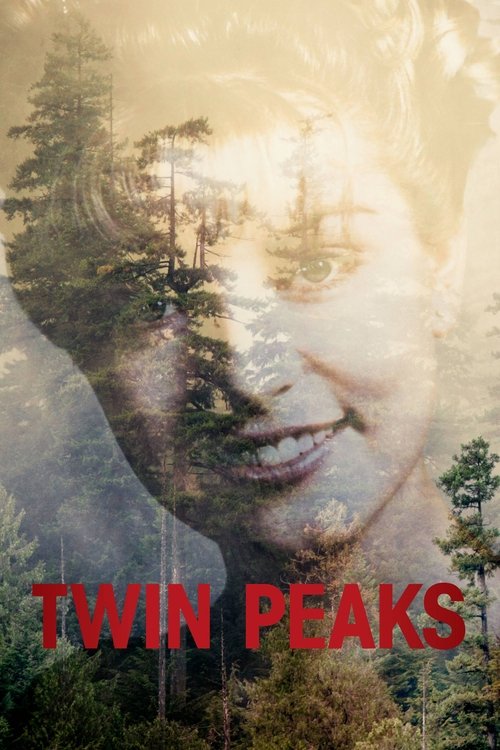
2. Twin Peaks
Forget everything you thought you knew about network TV. Lynch and Frost dropped this bombshell, and suddenly small-town murder mysteries became a canvas for pure, unadulterated surrealism. Damn good coffee, cherry pie, and a log lady — this show was a whole vibe. It made you question reality and then gave you nightmares about a red room. No show ever looked or felt quite like it, before or since.
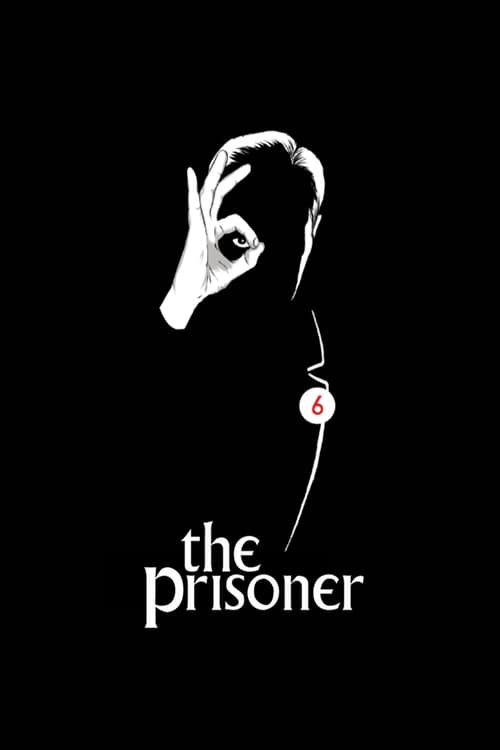
3. The Prisoner
Number Six just wanted out, but The Village wouldn't let him. This was mind-bending television long before it was cool, a battle of wits against an unseen authority. Every episode was a psychological trip, playing with identity and freedom. It was paranoia on a grand scale, dripping with Cold War anxieties and a distinct visual style that screamed 'don't trust anyone.' Definitely left you wondering who was really in charge.

4. Doctor Who
Before it was a slick BBC America export, this was a wobbly, low-budget British institution with a TARDIS that looked like a blue box. And it worked. It took you to impossible places, fought impossible monsters, and made you believe in a madman with a box. Sure, the effects were dodgy, but the ideas? They were always huge, stretching your imagination across time and space. A true OG.
5. Liquid Television
MTV's animated fever dream. This was a playground for artists pushing boundaries, a rapid-fire assault of bizarre, often unsettling, shorts. Before Adult Swim, before YouTube, this was where you found your dose of weird. It birthed *Beavis and Butt-Head* and *Æon Flux*, but also showcased a hundred other forgotten gems. Pure, unadulterated visual noise, and we loved every chaotic second of it.
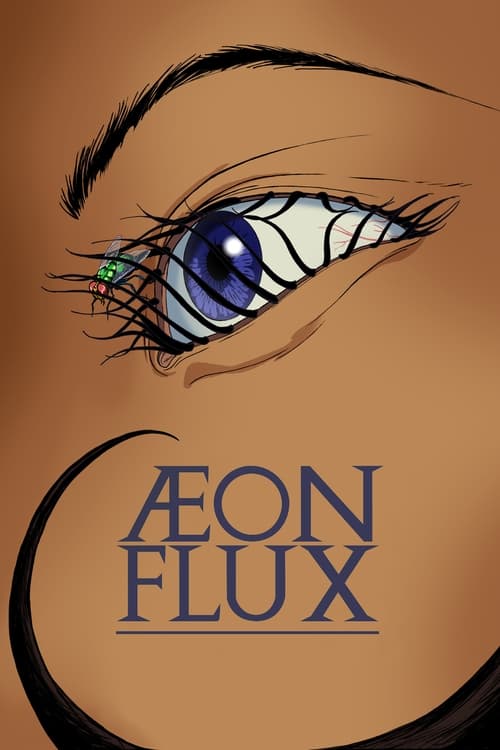
6. Æon Flux
From *Liquid Television* to its own series, this was pure, unadulterated visual poetry mixed with a fever dream. Æon Flux was a silent assassin, a lethal ballet dancer in a dystopian future where bodies contorted impossibly and betrayal was currency. The animation was unlike anything else, a slick, almost abstract style that screamed "adult sci-fi." And it made you wonder about everything.
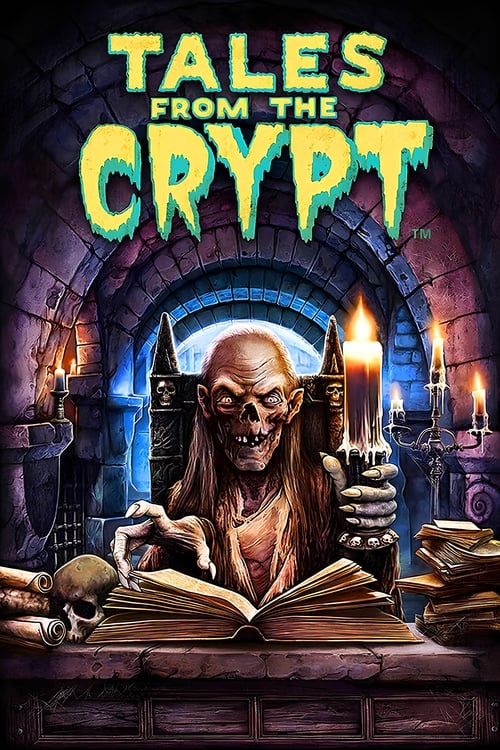
7. Tales from the Crypt
This was prime HBO, bringing EC Comics' gruesome glory to life with practical effects and a wink from the Crypt Keeper. It was dark, it was twisted, and it didn't pull any punches. Every week was a new tale of comeuppance, drenched in irony and blood. It showed you what cable could do when it wasn't afraid to get nasty. A late-night staple for anyone who loved a good scare.
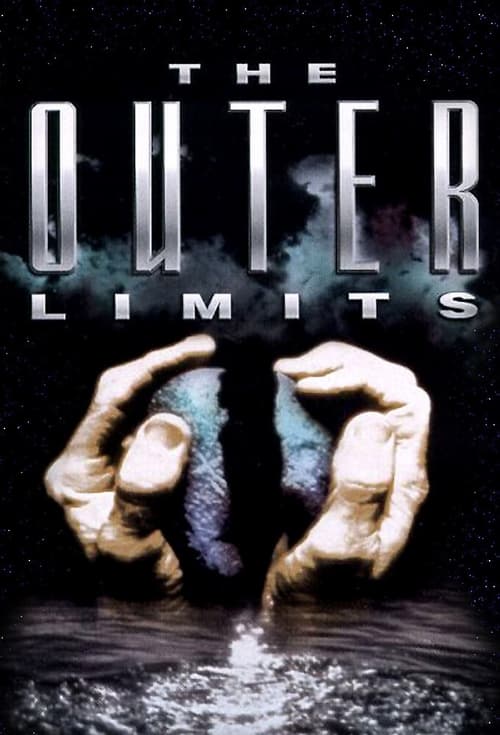
8. The Outer Limits
Forget *Twilight Zone*'s quaint morality. *The Outer Limits* was often darker, more unsettling, and always about the chilling possibilities of science run amok. Its black and white opening, that voice-over, it promised something truly alien. And it usually delivered, pushing boundaries with creature design and unsettling concepts. It proved sci-fi could be smart, scary, and absolutely essential viewing.

9. Mystery Science Theater 3000
Who knew watching bad movies could be this good? Joel and the Bots, trapped in space, riffing on cinematic duds. This wasn't just comedy; it was an education in terrible filmmaking and hilarious observational humor. It turned passive viewing into an interactive, communal experience, making us all smarter, snarkier critics. And it showed that you could build a whole universe around pure, unadulterated snark.
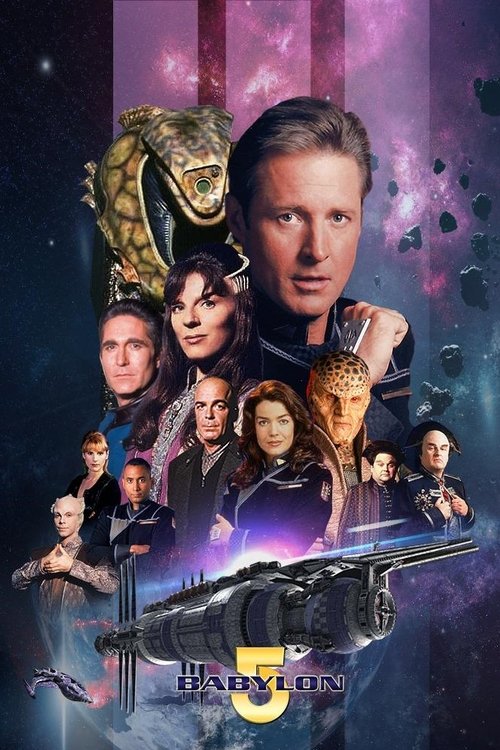
10. Babylon 5
This show dared to tell one massive, five-year story when everyone else was doing episodic resets. It was space opera with a brain, packed with political intrigue, prophecy, and alien diplomacy. Yeah, the CGI was rough sometimes, but the ambition? Unmatched. It proved that sci-fi could be as deep and complex as any prestige drama, building a universe that felt truly lived-in and epic.
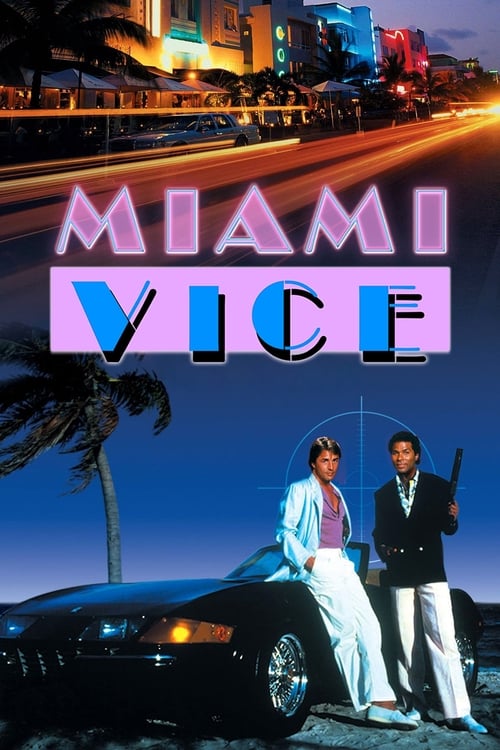
11. Miami Vice
Crockett and Tubbs defined an era. This was pure aesthetic: pastel suits, synth-pop soundtracks, and the perpetual glow of neon. It wasn't just a cop show; it was an hour-long music video with a plot, a proto-cinematic experience on TV. It oozed cool, making even drug busts look stylish. And yeah, it influenced everything that came after it, proving that mood could be a character.