1. Action
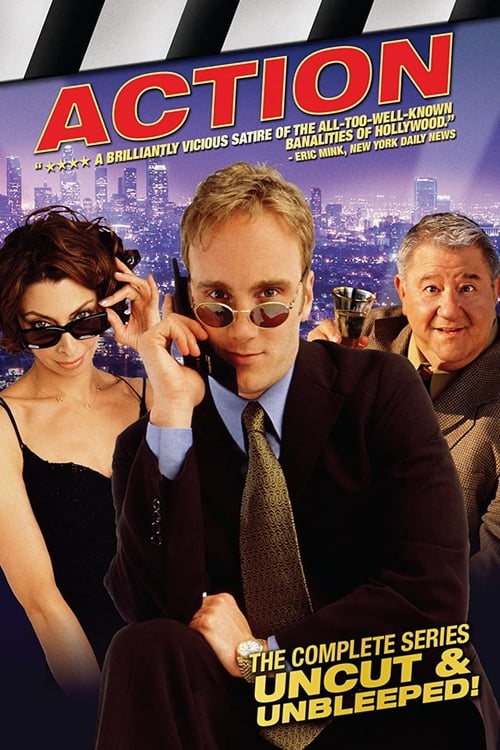
Before cable truly owned the dark comedy space, *Action* was Fox throwing a curveball, showcasing a Hollywood so rotten it was almost aspirational. This 1999 series was sharp, unapologetically vulgar, and proved network television could get away with far more than anyone thought. Jay Mohr and Illeana Douglas led a phenomenal ensemble that felt genuinely dangerous, pushing boundaries on dialogue and theme. It was a one-season wonder that brilliantly foreshadowed the naughtiness and risk-taking that would soon define cable.
2. The Shield
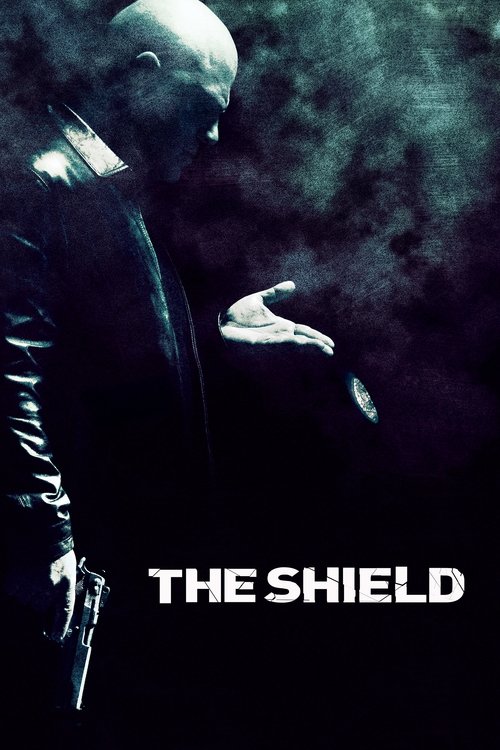
*The Shield* hit like a sledgehammer, planting FX firmly on the map as a serious player in cable drama. Vic Mackey wasn't just an anti-hero; he was a force of nature, dragging viewers through the moral quagmire of his Strike Team. This was raw, serialized storytelling, unflinching in its portrayal of corruption and consequence, and it redefined what a cop show could be. It cemented the idea that television could build long, complex character arcs and truly push dramatic boundaries.
3. Garth Marenghi's Darkplace
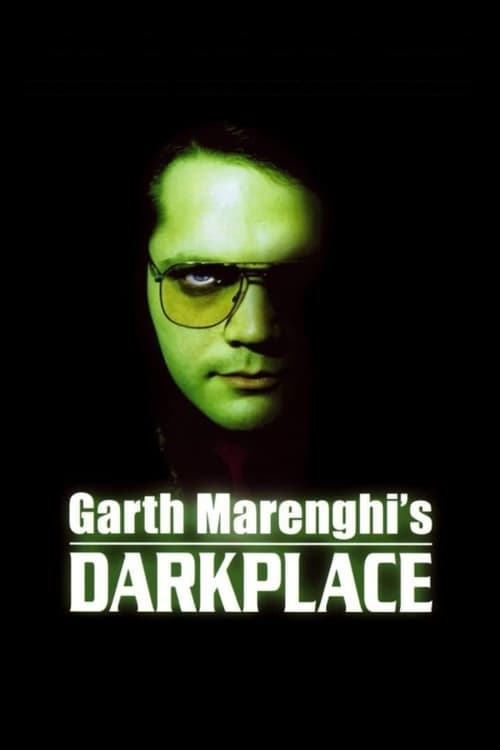
This British cult classic was a masterclass in meta-comedy, presenting itself as a "lost" 80s horror series. *Darkplace* was a mockumentary before the form truly blew up, nailing the aesthetic of cheap, earnest, yet utterly terrible television with surgical precision. It was surreal, hilarious, and a pitch-perfect satire of ego and low-budget ambition. Its influence on subsequent genre parodies and cringe comedy is undeniable, a truly unique and brilliant piece of television that felt completely fresh.
4. Deadwood
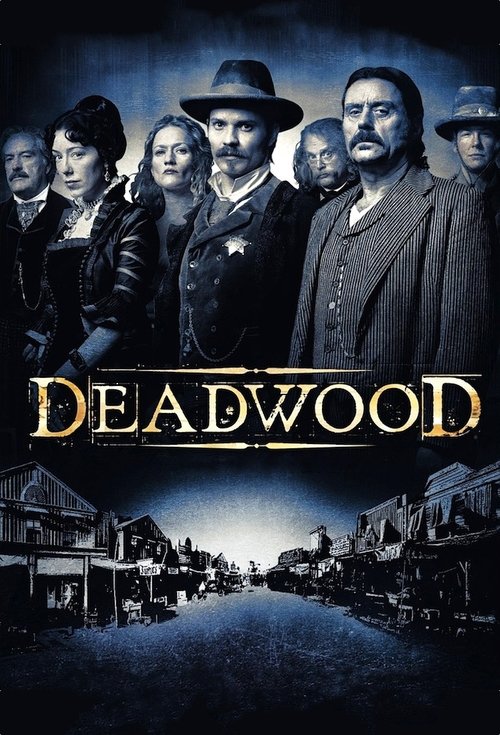
HBO's *Deadwood* wasn't just a Western; it was a literary experience, a brutal, poetic dive into the birth of civilization. The language was Shakespearean in its profanity and beauty, the ensemble cast — led by Ian McShane and Timothy Olyphant — was electric. It was serialized storytelling at its most ambitious, treating television like a novel, demanding attention. Every episode felt cinematic, a rich, dirty tapestry that proved cable drama could be art, utterly unlike anything else on television.
5. Wonderfalls
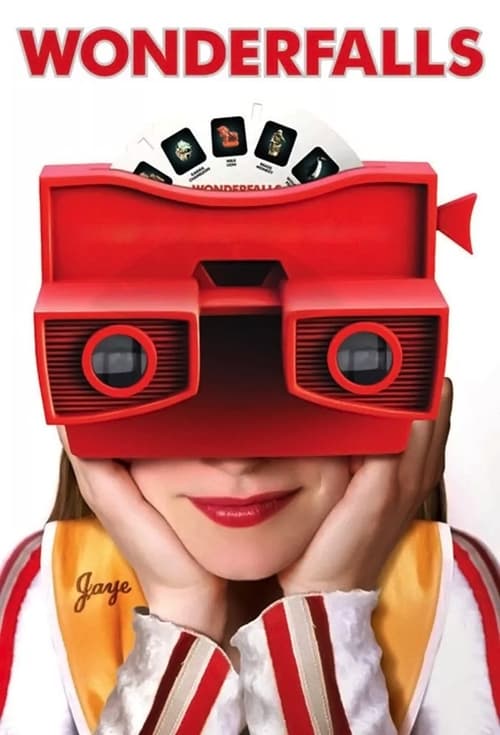
Bryan Fuller's *Wonderfalls* was a delightful, quirky gem that got snatched away too soon. Its premise—a cynical souvenir shop worker guided by inanimate objects—was pure whimsical genius. It had that signature Fuller blend of dark humor and profound eccentricity, anchored by Caroline Dhavernas's deadpan charm. This was a prime example of network TV trying to embrace serialized quirk, demonstrating the kind of unique, character-driven storytelling that would soon find a more secure home on cable or early on-demand platforms.
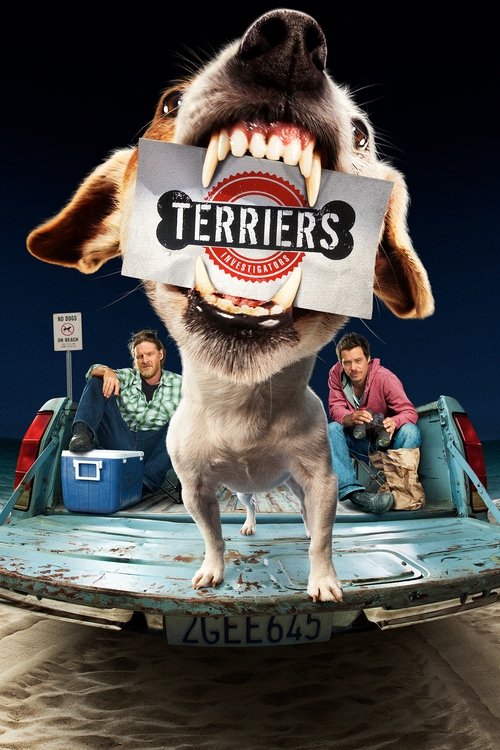
6. Terriers
*Terriers* was FX at its best, delivering a perfectly crafted, character-driven neo-noir that deserved far more attention. Donal Logue and Michael Raymond-James had incredible chemistry as two down-on-their-luck P.I.s, navigating a sun-drenched, morally ambiguous San Diego. It’s the kind of serialized, low-stakes, high-emotion storytelling that cable perfected, focusing on character over spectacle. A true shame it only got one season, but it left an indelible mark as a masterclass in understated, gritty drama.