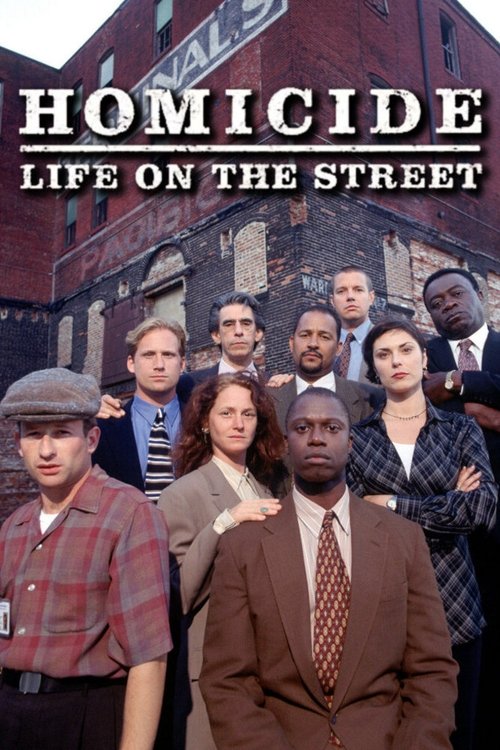
1. Homicide: Life on the Street
Before prestige drama was a buzzword, *Homicide* dropped us into the gritty, handheld reality of a Baltimore homicide unit. Its ensemble cast felt like real cops, bickering and bonding through long, cold cases. This wasn't your clean, wrapped-up-in-an-hour network procedural; it embraced serialized character arcs and a raw, almost documentary style that changed how we looked at crime on TV. It set a high bar for authenticity and ensemble chemistry.
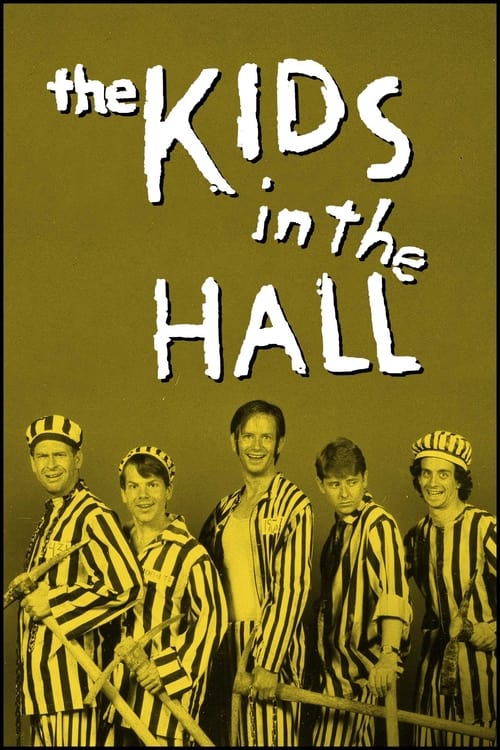
2. The Kids in the Hall
*The Kids in the Hall* was never playing by anyone else's rules. These Canadian comedic minds brought a sketch show that was often bizarre, sometimes dark, and always refreshingly weird. They blurred gender lines, created iconic recurring characters, and built a whole universe out of sheer absurdity. It was a cult favorite that proved you didn't need a traditional sitcom setup to make groundbreaking, influential comedy.
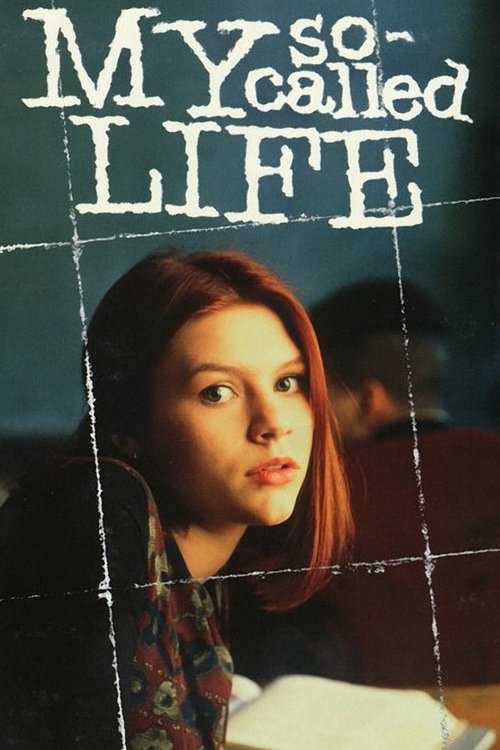
3. My So-Called Life
Angela Chase's internal monologue in *My So-Called Life* cracked open the adolescent experience like nothing before it. This wasn't some saccharine high school fantasy; it was raw, awkward, and painfully real. It showed network TV could do serialized, character-driven drama about teenagers without dumbing it down. Its quiet intensity and focus on emotional truth set a new standard for coming-of-age stories, influencing countless teen shows that followed.
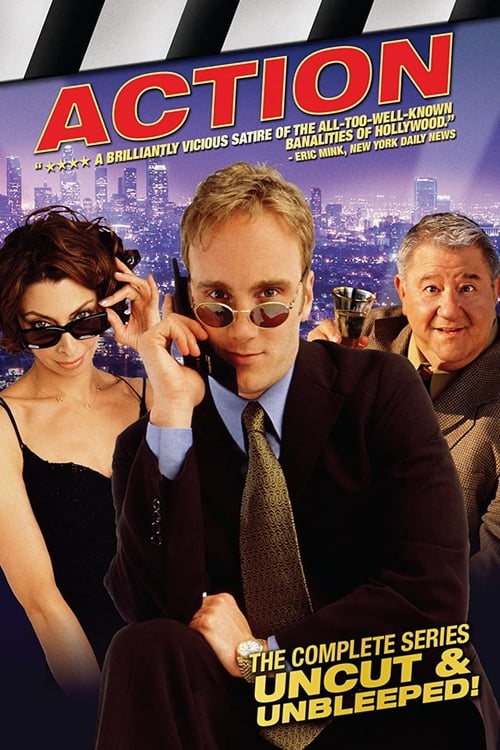
4. Action
*Action* was a cynical, glorious mess of a show that probably aired too early for network TV. It ripped the lid off Hollywood with a brutal, no-holds-barred satire about a sleazy producer. The language was foul, the characters were awful, and it was hilarious. It pushed boundaries for what you could get away with on broadcast, hinting at the darker, more adult comedies that would find a home on cable just a few years later. Ahead of its time.
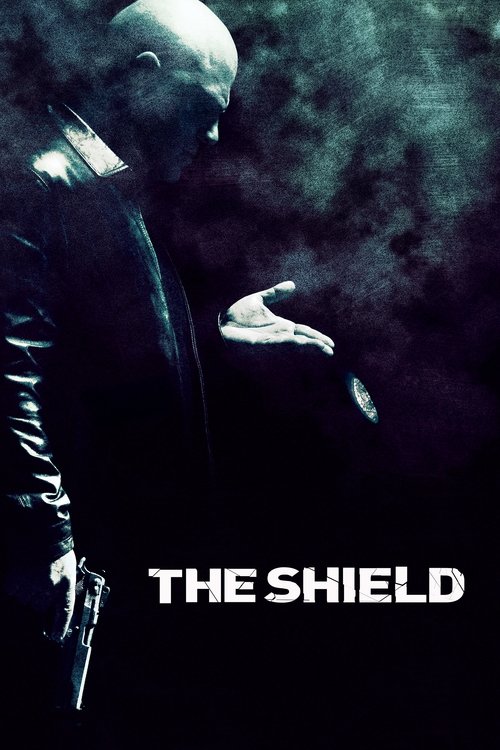
5. The Shield
When *The Shield* hit FX, it wasn't just a cop show; it was a declaration of intent for cable television. Vic Mackey was the ultimate anti-hero – a corrupt cop doing bad things for what he believed were good reasons, and we were hooked. It embraced long-form, serialized storytelling, brutal violence, and moral ambiguity that broadcast simply couldn't touch. This was adult drama, unflinching and intense, paving the way for the golden age of cable.
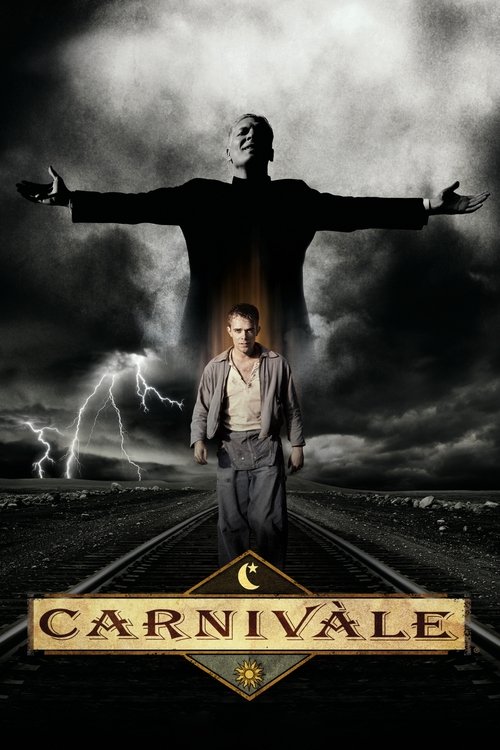
6. Carnivàle
*Carnivàle* was HBO throwing down the gauntlet. This Depression-era epic wasn't just TV; it was a cinematic, mythological journey into good, evil, and destiny. Its dense serialization, stunning visuals, and cryptic storytelling demanded attention, not casual viewing. While its run was cut short, it proved that television could be as ambitious and artful as any feature film, establishing HBO's reputation for high-concept, boundary-pushing drama.
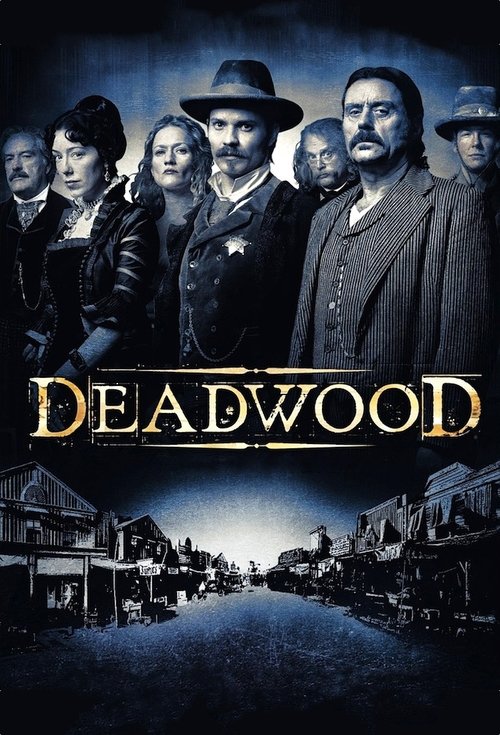
7. Deadwood
*Deadwood* brought the Old West to life with a foul-mouthed poetry that felt both authentic and revolutionary. David Milch's dialogue was a character unto itself, intricate and often brutal. It was an ensemble masterclass, building a vivid, muddy world of ambition and violence. This wasn't just a period piece; it was a deeply serialized exploration of community, law, and human nature, further cementing HBO's claim on prestige drama.

8. The Comeback
Lisa Kudrow's Valerie Cherish, in *The Comeback*, was a cringe-comedy icon before cringe was a household term. Shot in a mockumentary style, it brutally satirized reality TV and the desperation of aging actresses in Hollywood. It was uncomfortable, hilarious, and deeply insightful, laying groundwork for the meta-narratives and unflinching character studies that would define much of later prestige comedy. A truly awkward, brilliant gem.
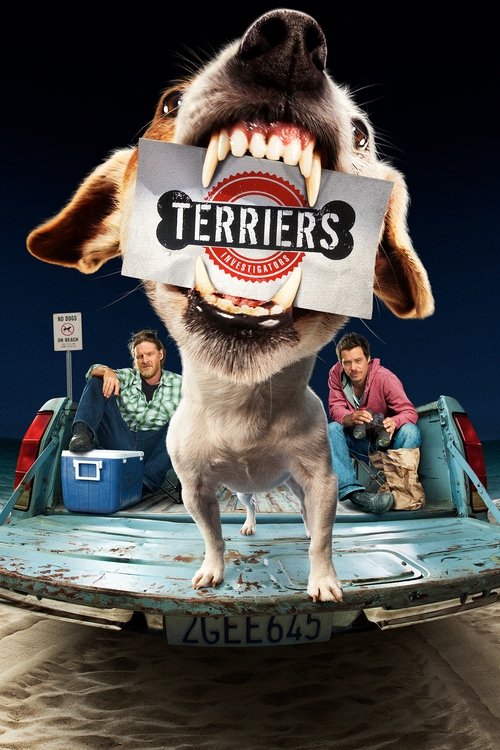
9. Terriers
*Terriers* was arguably too good for its own good, a critically adored but low-rated gem that found its true audience years later on demand. It was a neo-noir, buddy-cop drama with fantastic chemistry and deeply flawed characters. Its tight serialization and cinematic quality felt like a long movie, perfect for binge-watching before 'binge-watching' was even the term. It showed the potential for serialized, character-focused cable dramas to thrive beyond live viewership.