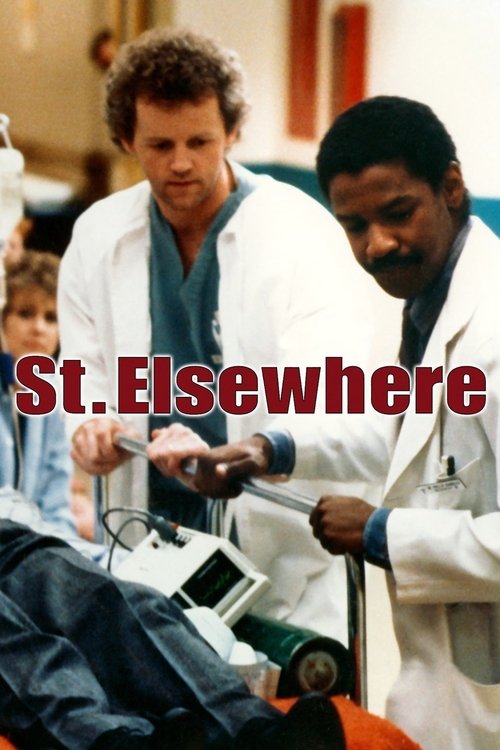
1. St. Elsewhere
This medical drama wasn't just about cases; it was about the lives intersecting within that hospital. Its ensemble cast navigated complex, serialized storylines with a dark humor that felt genuinely fresh. It pushed network television into character-driven, multi-season arcs, hinting at the deeper storytelling that would come to define prestige TV. A true pioneer, years before cable took over.
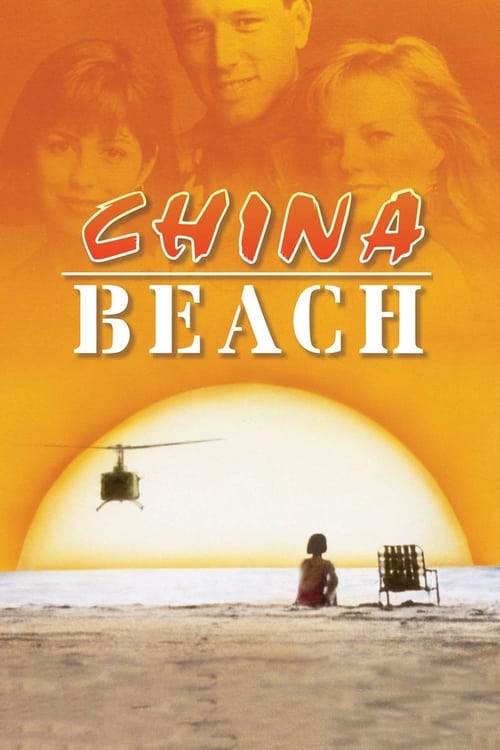
2. China Beach
It wasn't another war show; it was a deep dive into the human cost, particularly from a female perspective. The cinematic ambition and raw, serialized character studies made it stand out. This ensemble drama, set against the backdrop of Vietnam, explored trauma and resilience with an unflinching honesty, proving network TV could tackle weighty, complex narratives without simplifying them.
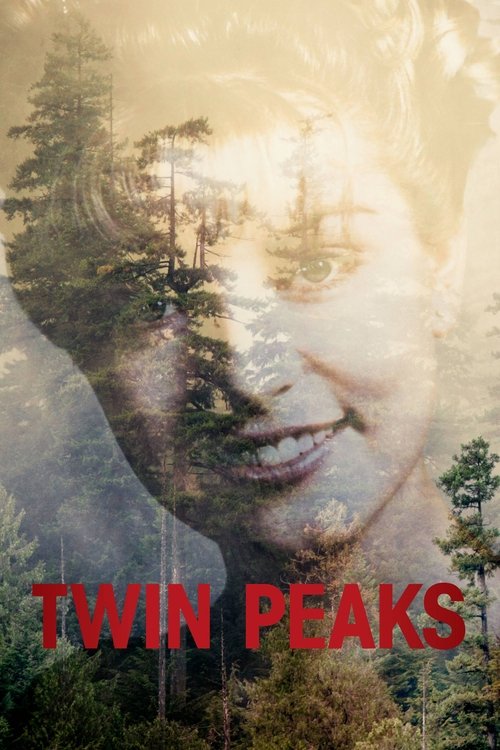
3. Twin Peaks
David Lynch brought the art house to prime time, and television was never the same. This show was surreal, cinematic, and profoundly serialized, demanding viewers pay attention. Its bizarre mystery and unforgettable characters broke all the rules, proving that network TV could be experimental, atmospheric, and challenge audience expectations, laying groundwork for truly unique storytelling.

4. Northern Exposure
Quirky, philosophical, and deeply human, this ensemble drama found its charm in the eccentric residents of Cicely, Alaska. It blended episodic whimsy with ongoing, character-driven arcs, creating a unique, cozy yet intellectual vibe. It showed how smart writing could elevate a simple premise, building a loyal following who appreciated its singular, understated brand of serialized storytelling.
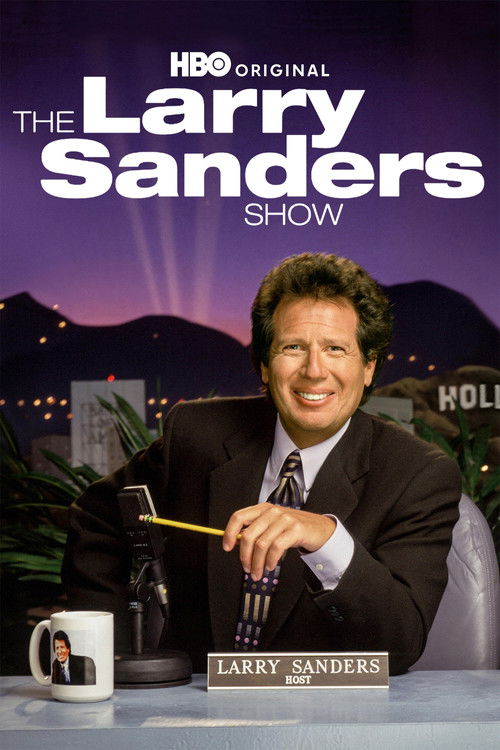
5. The Larry Sanders Show
Garry Shandling basically invented the mockumentary style for adult comedy here, pulling back the curtain on late-night TV with biting satire. Its ensemble cast delivered uncomfortable, brilliantly observed humor, making you feel like a fly on the wall. This show’s meta-commentary and naturalistic dialogue influenced nearly every smart comedy that followed, proving risk-taking could yield genius.
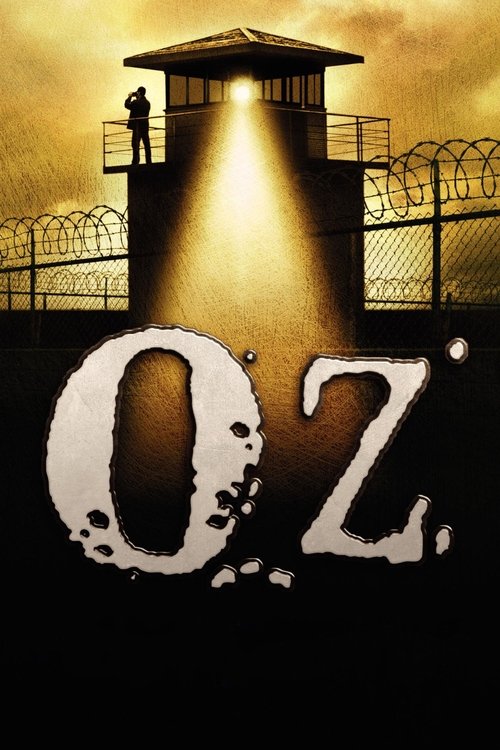
6. Oz
This was HBO's declaration of intent. No network could have touched this raw, brutal, and unflinching look at prison life. It was pure cable-era risk-taking, an intensely serialized ensemble drama that redefined what "adult" television meant. Its relentless grit and moral ambiguity set the stage for HBO's dominance in prestige drama, proving boundaries were meant to be shattered.
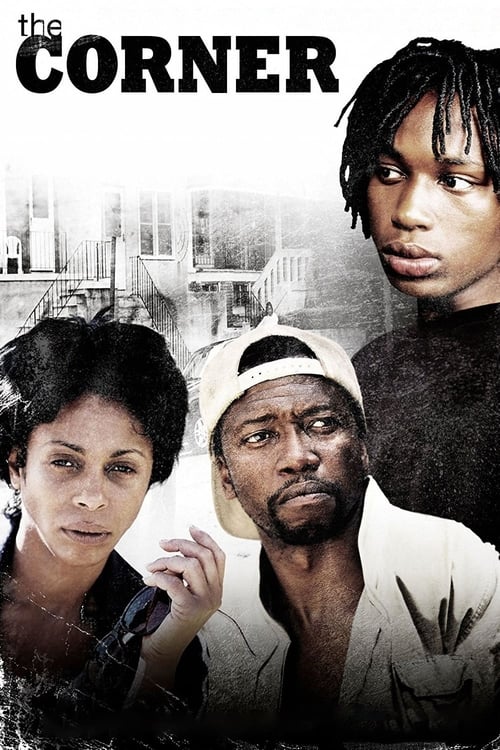
7. The Corner
Before *The Wire*, there was this searing HBO miniseries. It felt less like a drama and more like a docuseries, capturing the brutal realism of inner-city life with an authenticity that was groundbreaking. Its cinematic approach to a true story, told through multiple, interweaving perspectives, showed the power of focused, limited-run serialization, cementing HBO's reputation for uncompromising storytelling.

8. The Office
The UK original practically perfected the mockumentary format, delivering cringe-inducing humor and surprising character depth. Its naturalistic style and improvisational feel made it uniquely uncomfortable and hilarious, influencing a generation of comedies. It demonstrated how a seemingly simple premise, executed with precision and a commitment to observational realism, could revolutionize television comedy and character study.

9. Six Feet Under
This HBO drama took on death as its central theme but was really about life, family, and existential dread. Its deeply psychological, serialized storytelling and brilliant ensemble cast created an emotionally rich, often darkly funny experience. It masterfully blended the cinematic with the intimate, proving that cable could tackle profound human experiences with unmatched depth and nuance.
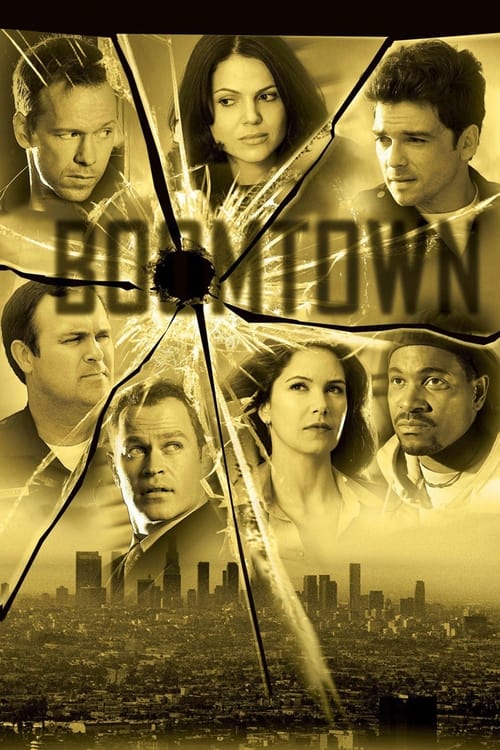
10. Boomtown
Massively underrated, this network procedural dared to experiment with non-linear, multi-perspective storytelling, showing a single crime from various angles. Its cinematic ambition and complex narrative structure were ahead of their time, particularly for broadcast TV. It was an ensemble piece that tried to elevate the crime genre beyond simple case-of-the-week formulas, pushing against the traditional episodic mold.
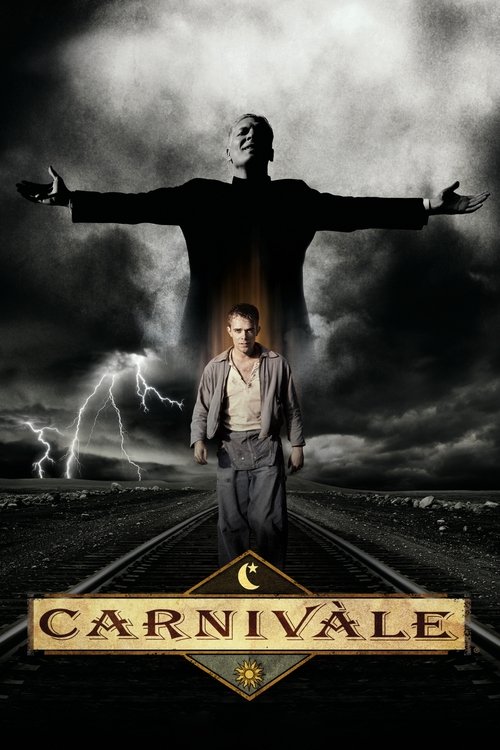
11. Carnivàle
HBO dove headfirst into atmospheric, visually stunning risk-taking with this one. Its deeply serialized, mythological narrative was dense, demanding, and utterly unique, feeling more like a long-form novel than a TV show. This cinematic, sprawling ensemble drama proved cable had the budget and the guts for truly epic, genre-bending storytelling, even if it meant challenging audiences.
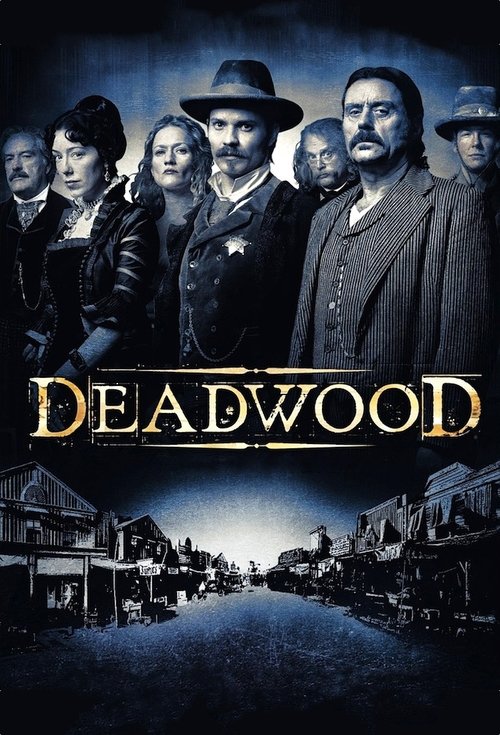
12. Deadwood
David Milch's masterpiece was a foul-mouthed, poetic, and utterly engrossing historical drama. Its cinematic scope, rich period detail, and fiercely intelligent dialogue elevated the Western genre. The serialized, ensemble storytelling, packed with complex, morally ambiguous characters, showed just how far cable—specifically HBO—could push boundaries in terms of language, realism, and historical authenticity.