
1 / 12
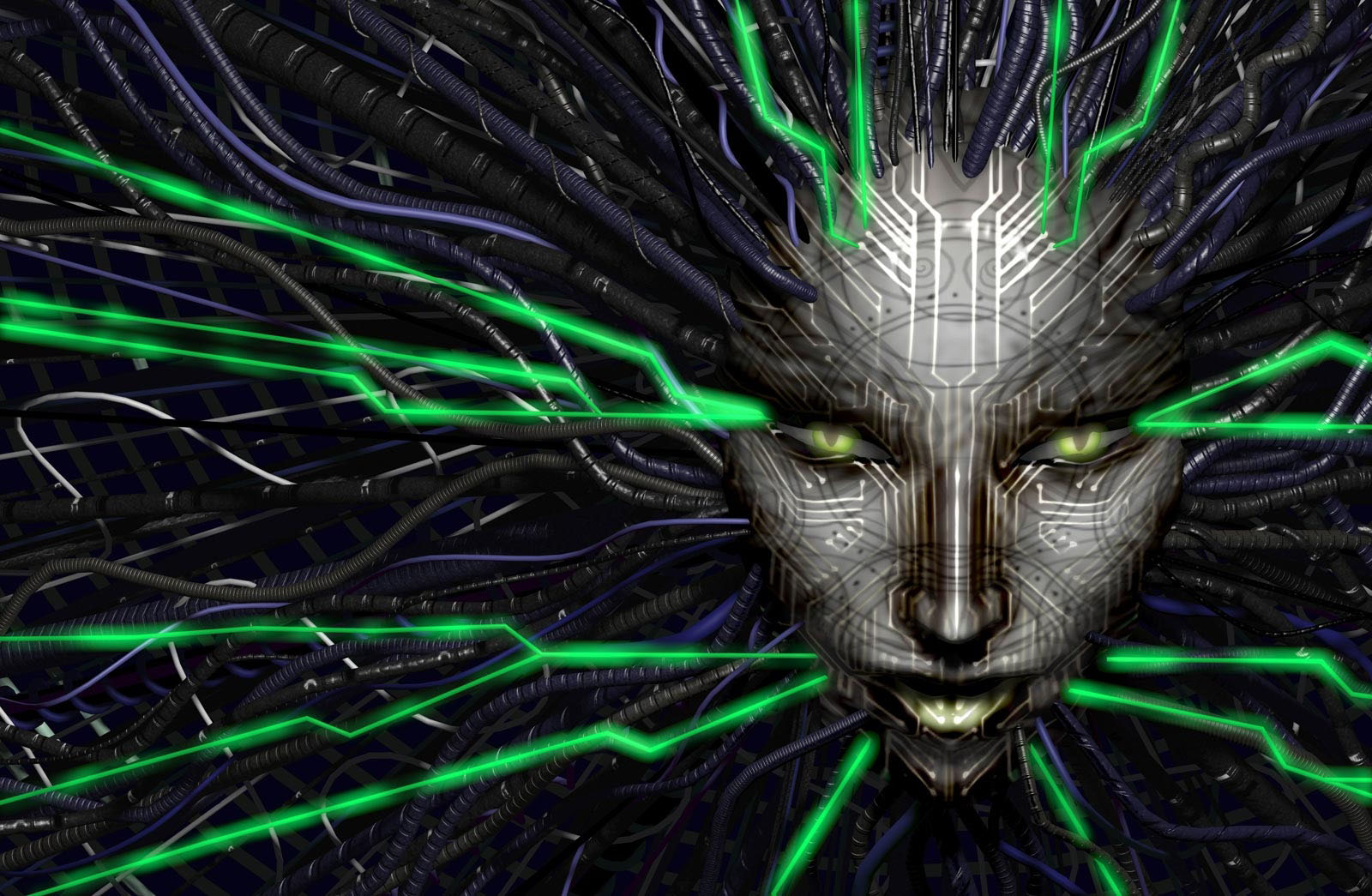
1. System Shock 2
It wasn't just a game; it was an experience in dread. In 1999, this title redefined atmospheric horror and emergent gameplay, blending RPG mechanics with a chilling first-person perspective. The USS Von Braun became a character itself, its abandoned corridors whispering a story of biological and digital malevolence. SHODAN’s omnipresent voice solidified her as one of gaming’s most iconic antagonists, ensuring its legacy as a masterclass in psychological tension and player agency.
2 / 12
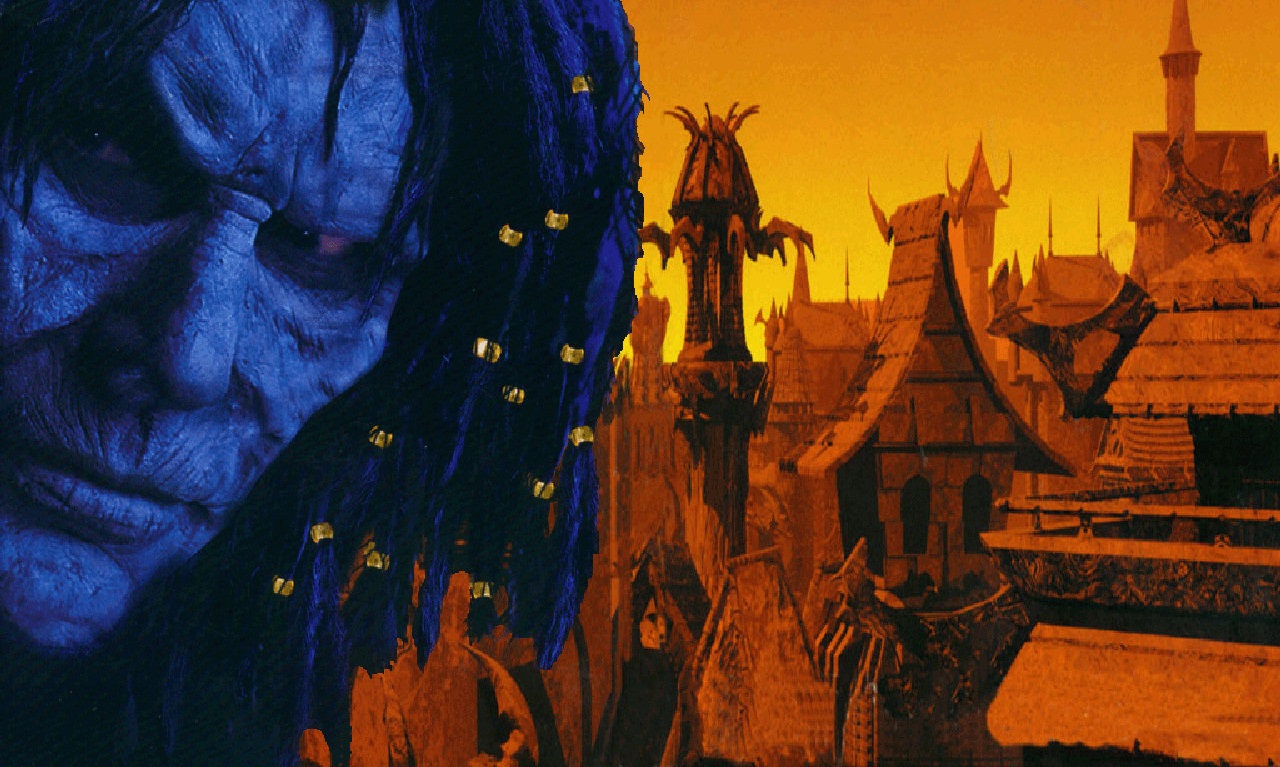
2. Planescape: Torment
This 1999 RPG challenged every convention of the genre. Instead of being a hero, you were an amnesiac, immortal being in a bizarre, philosophical multiverse. Its strength lay not in combat, which was secondary, but in its unparalleled writing and moral quandaries. The game explored themes of identity, suffering, and redemption with a depth rarely seen, cementing its status as a literary masterpiece within interactive media.
3 / 12
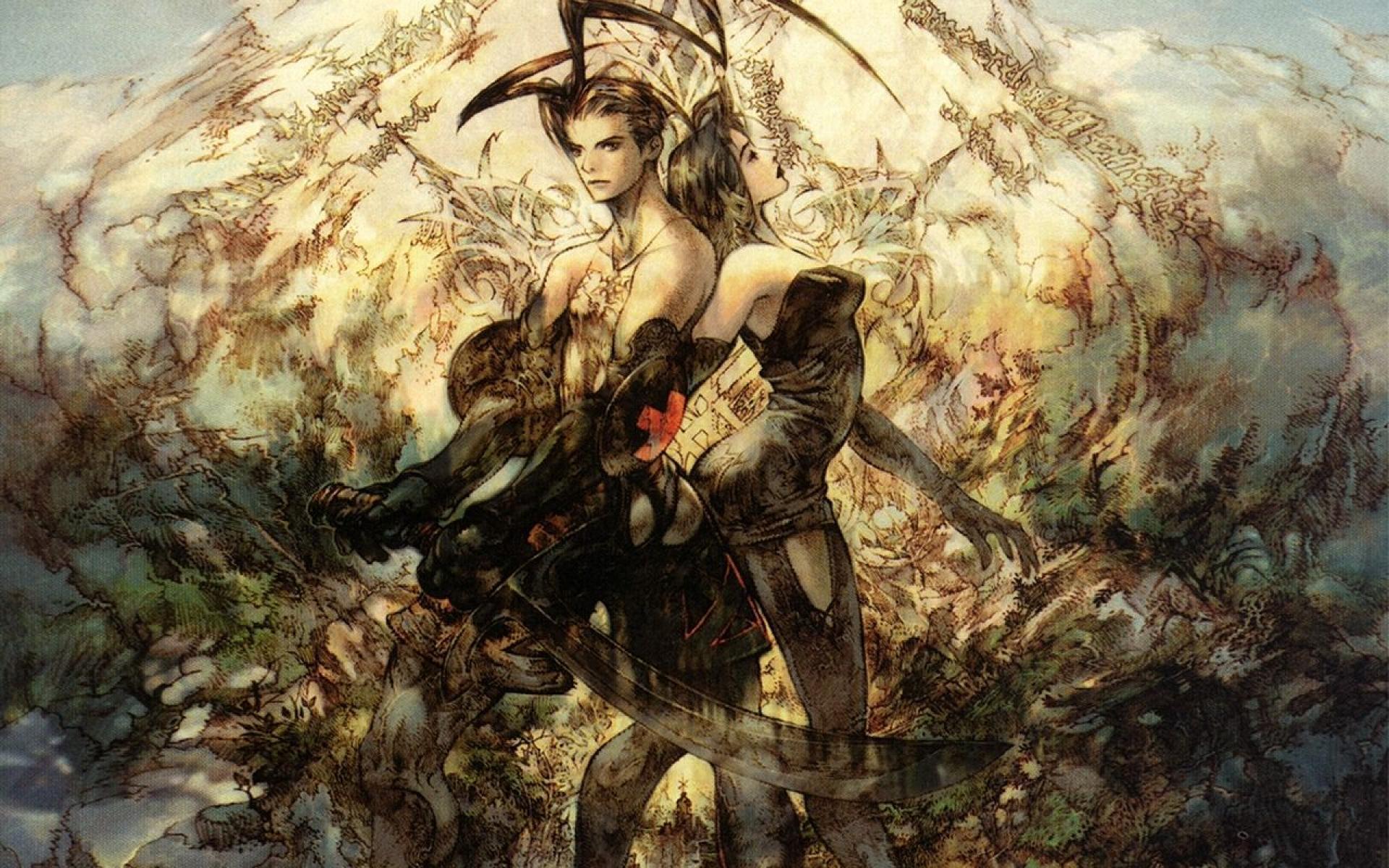
3. Vagrant Story (2000)
Square Enix's 2000 release was a singular vision. It married intricate real-time combat with a complex weapon customization system and a dark, political narrative. The art direction, a stark, almost monochromatic palette, gave it a unique identity, emphasizing its mature themes and European-inspired setting. Its refusal to conform to typical RPG tropes, alongside its demanding gameplay, ensured it carved out a niche as a cult classic.
4 / 12
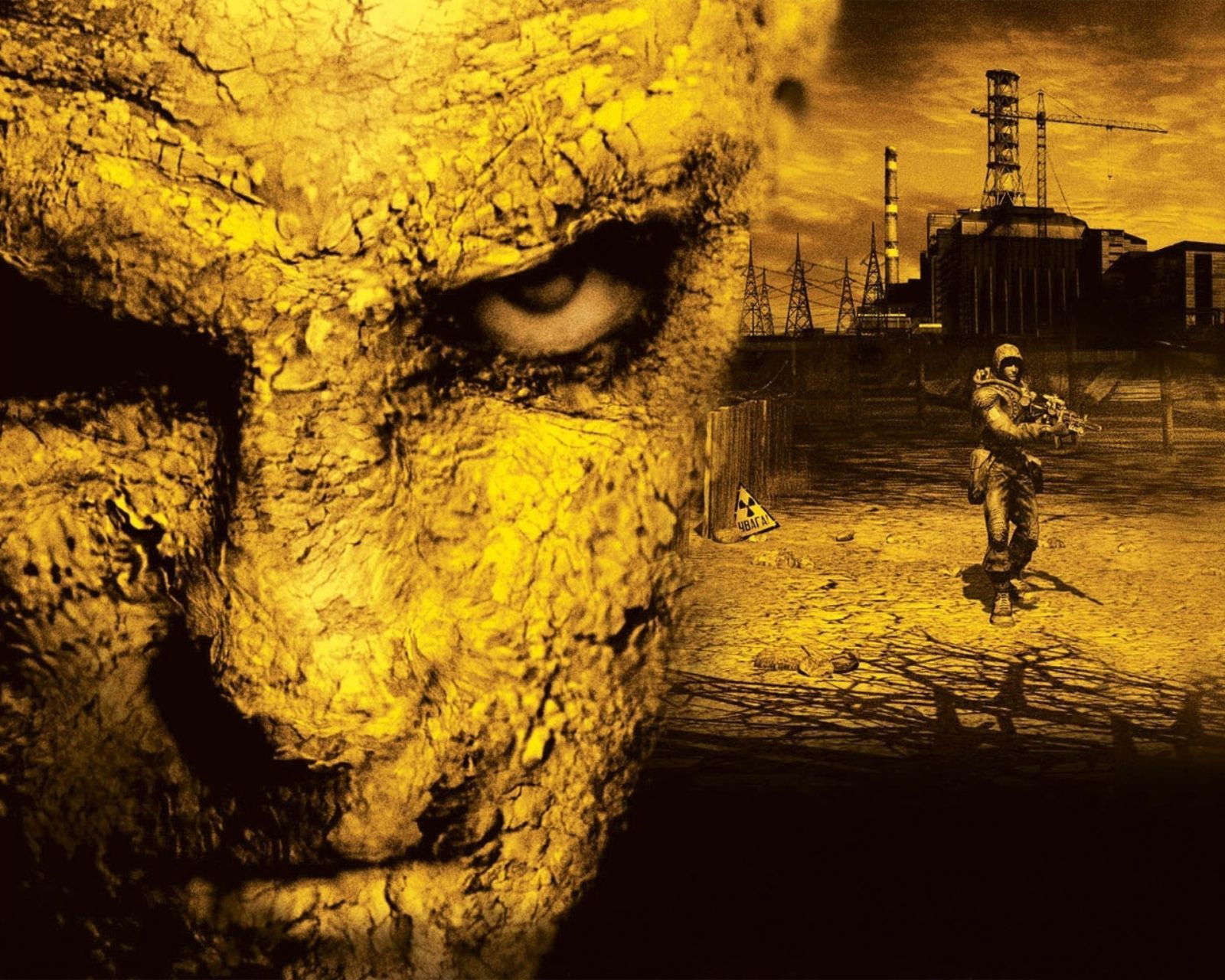
4. S.T.A.L.K.E.R.: Shadow of Chernobyl
When it arrived in 2007, S.T.A.L.K.E.R. offered an unforgiving, atmospheric journey into the irradiated exclusion zone. Its blend of FPS mechanics, survival elements, and open-ended exploration created a world brimming with danger and haunting beauty. The AI, the anomalies, and the constant threat of radiation fostered a unique sense of vulnerability, establishing it as a benchmark for immersive, post-apocalyptic experiences.
5 / 12

5. Condemned: Criminal Origins
Released in 2005, Condemned delivered visceral, brutal first-person melee combat combined with psychological horror. As an FBI agent framed for murder, you navigated derelict urban environments, using environmental clues and makeshift weapons. The game excelled at creating an oppressive, disturbing atmosphere, making every encounter feel desperate and every shadow a potential threat. It was a gritty, unforgettable exercise in suspense and close-quarters brutality.
6 / 12

6. ActRaiser (1990)
This 1990 SNES title was a curious hybrid, seamlessly blending side-scrolling action with a god-game city-building simulation. You played as "The Master," guiding civilization between intense platforming stages. Its innovative structure, coupled with Yuzo Koshiro's iconic soundtrack, made it a standout launch title. ActRaiser proved that disparate genres could coexist harmoniously, laying groundwork for future genre-bending experiments and earning its legendary status.
7 / 12
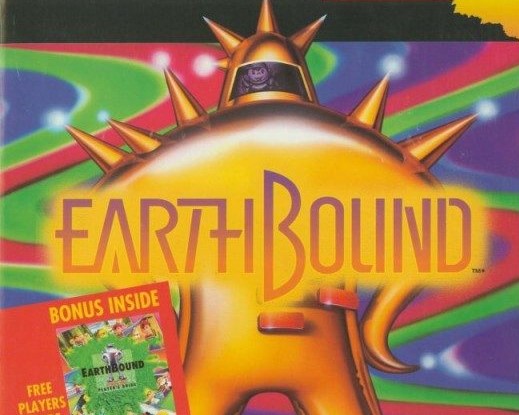
7. EarthBound
The 1994 Japanese release (1995 in NA) was a subversion of JRPG tropes. Instead of high fantasy, it presented a quirky, poignant adventure set in a modern, suburban world. Its unique art style, offbeat humor, and profound emotional depth resonated with players. EarthBound dared to be different, finding magic in the mundane and creating a truly original narrative that continues to inspire reverence and affection.
8 / 12
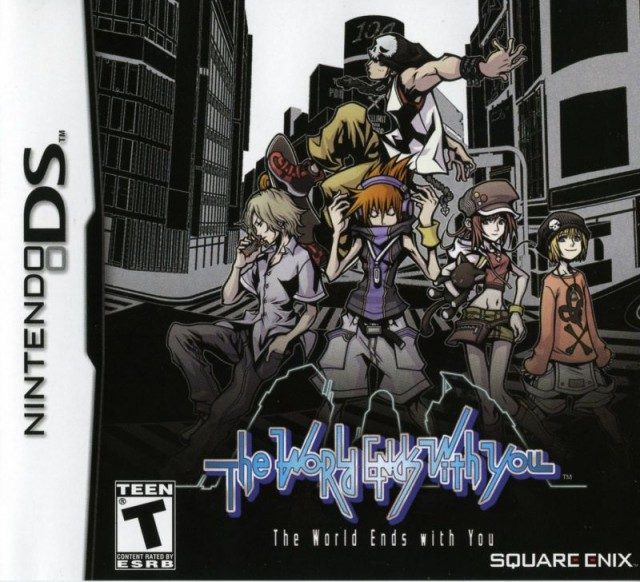
8. The World Ends With You DS
This 2007 Nintendo DS title was a stylistic explosion. Its dual-screen combat system, requiring simultaneous control of two characters, was revolutionary and frantic. Set in a hyper-stylized Shibuya, its vibrant art, J-rock soundtrack, and sharp dialogue created an unmistakable identity. The game explored themes of self-expression and connection, solidifying its place as a uniquely bold and unforgettable JRPG experience.
9 / 12
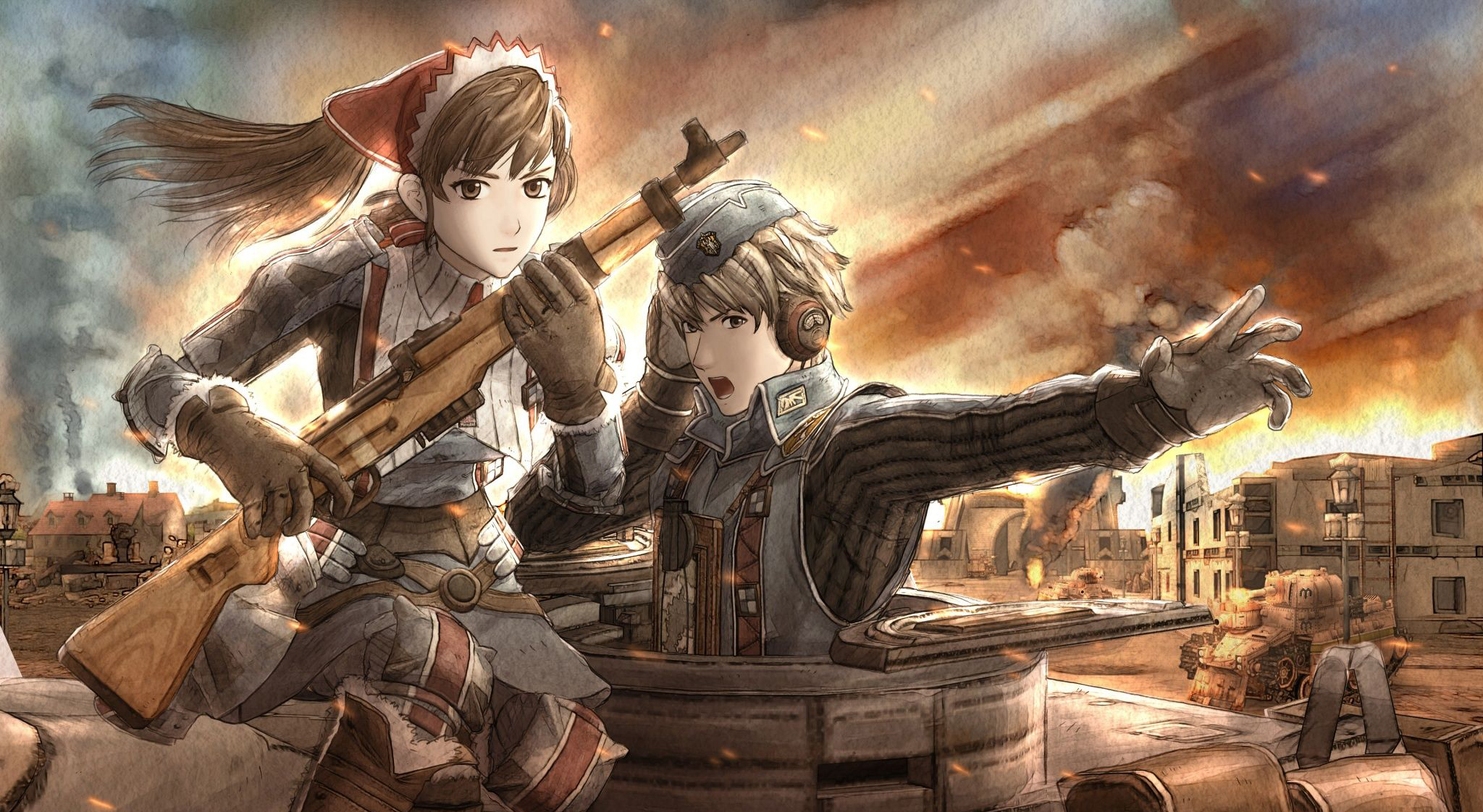
9. Valkyria Chronicles
SEGA’s 2008 tactical RPG redefined its genre with its "BLiTZ" combat system, marrying turn-based strategy with real-time third-person shooting. Its distinctive "CANVAS" engine rendered a watercolor-like aesthetic, making every frame feel like a moving painting. The game wove a compelling anti-war narrative through its fictionalized World War II setting, demonstrating how innovative mechanics and strong storytelling can elevate a strategy title.
10 / 12
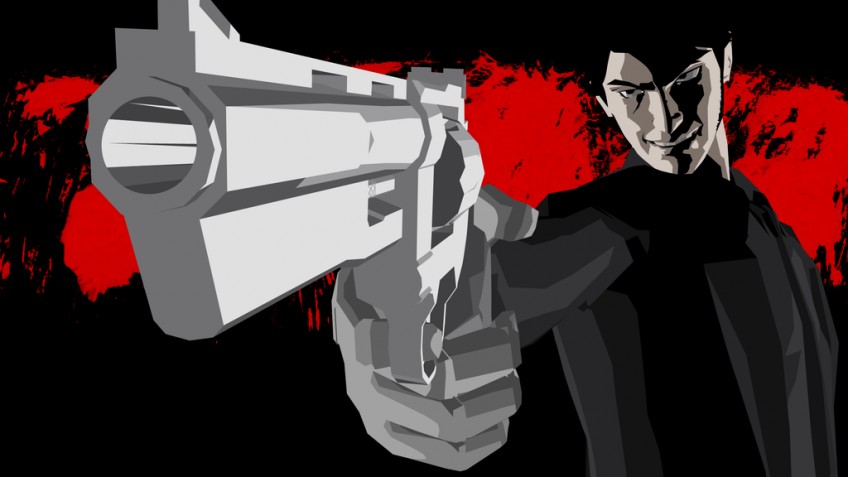
10. killer7
Suda51’s 2005 creation was a fever dream, a rail shooter draped in striking cel-shaded visuals and a labyrinthine, politically charged narrative. It was provocative, violent, and utterly unapologetic in its surrealism. You controlled seven distinct personalities, each with unique abilities, in a story that defied easy categorization. killer7 wasn’t for everyone, but its audacious artistry and uncompromising vision cemented its cult status.
11 / 12
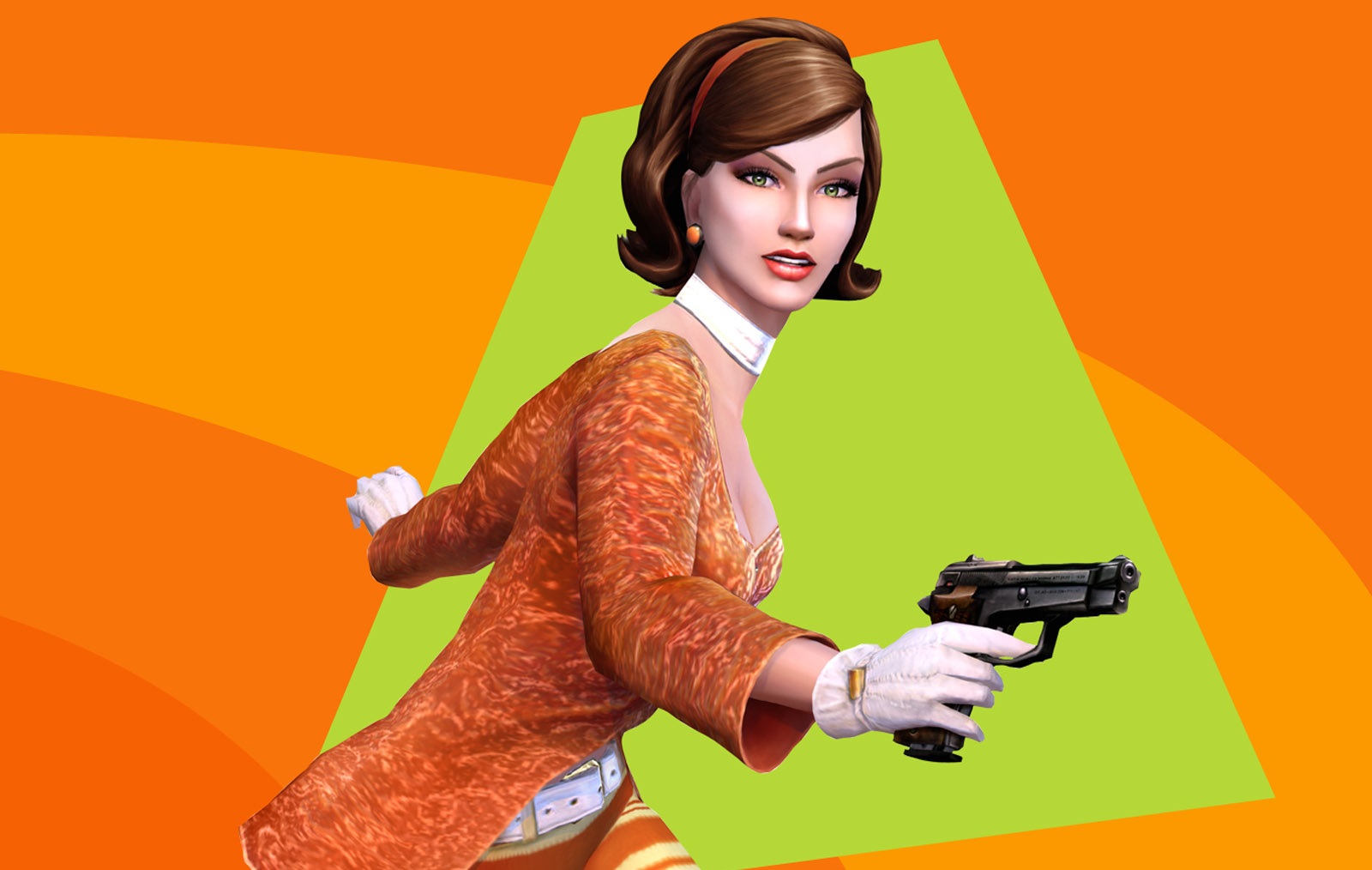
11. The Operative: No One Lives Forever
This 2000 first-person shooter was a masterclass in style and substance. Playing as super-spy Cate Archer, it perfectly captured the groovy aesthetic of 1960s spy thrillers, blending stealth, action, and genuinely witty humor. Its innovative gadgets, memorable characters, and impeccable level design set it apart. NOLF was a refreshing, smart, and often hilarious alternative to the grim shooters of its era.
12 / 12
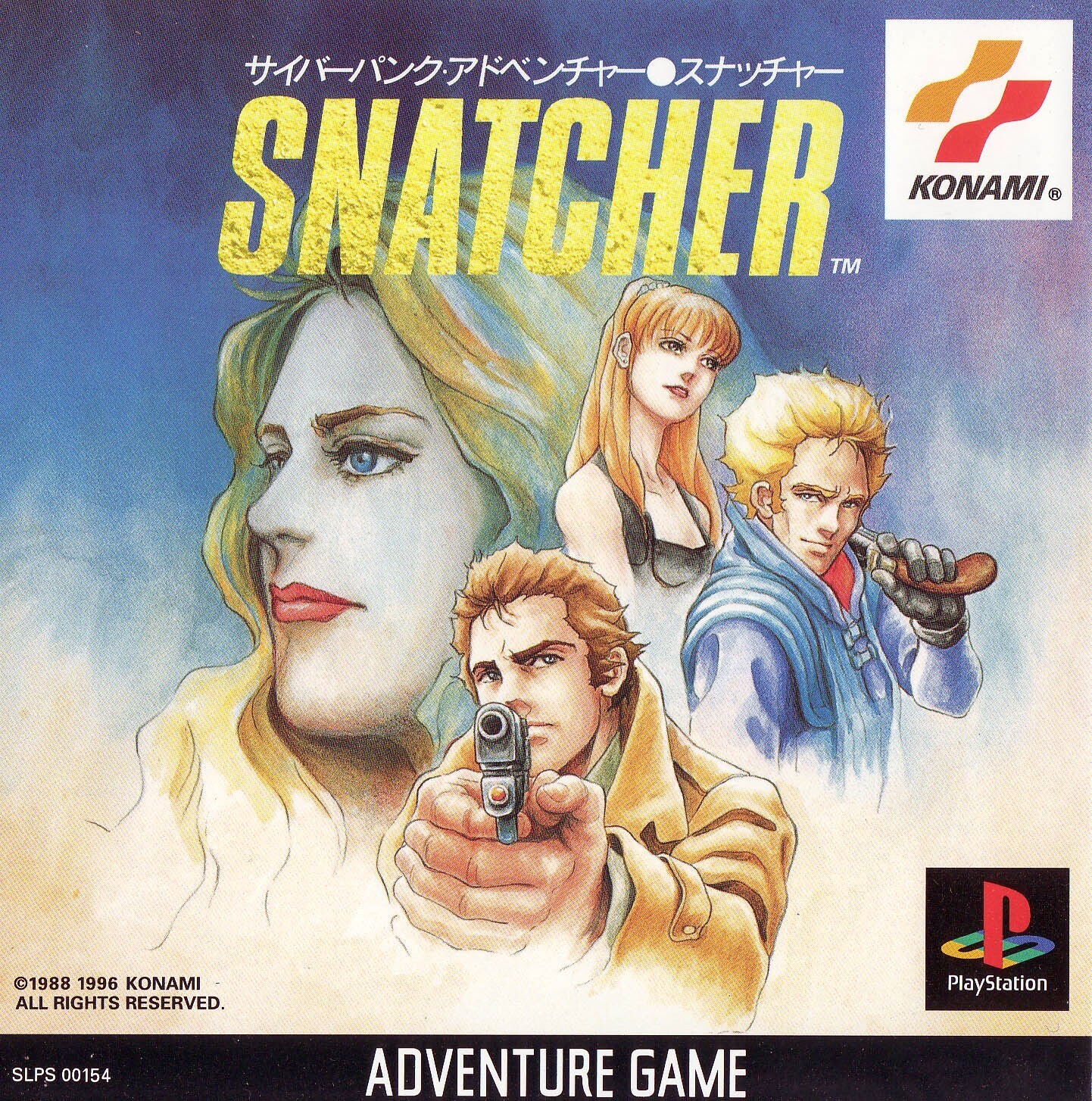
12. Snatcher
Hideo Kojima's cyberpunk graphic adventure, originating in 1988 and seeing various ports, was ahead of its time. It drew heavily from films like *Blade Runner*, crafting a dark, atmospheric future where androids called "Snatchers" impersonated humans. Its mature themes, detective mystery, and evocative world-building created a compelling narrative. Snatcher remains a benchmark for interactive storytelling and a testament to early cyberpunk vision.